Invest in Saint Lucia
Buying Property in Saint Lucia
Villas above the sea, apartments by the marina and land with a view of the Pitons: how overseas buyers go about owning a piece of Saint Lucia.
Why property is the real investment story
For most overseas buyers, the case for Saint Lucia is a place they want to spend time in. Foreigners can own freehold land and homes, there is no capital gains tax on property sales and no inheritance tax, the currency is pegged to the US dollar, and the island has a long record of welcoming second-home owners from Britain, Canada and the United States. Many buyers pay cash, often in US dollars, and treat the purchase as a lifestyle asset with some income from letting.
Property is also the engine behind the citizenship route. The real estate option of the citizenship by investment programme requires a minimum of US$300,000 in a government-approved development, held for five years, as explained on our citizenship by investment page. If your interest is the passport rather than the villa, start there. If it is the house, read on. For the wider picture of why the island attracts capital, see our why invest page.
Where people buy
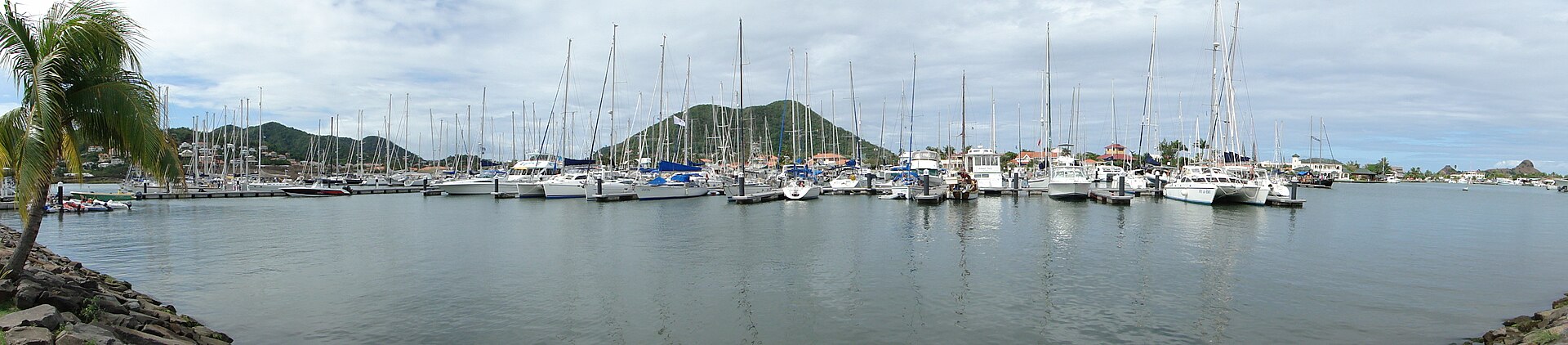
The north is where most new homes and apartments are built. Rodney Bay, Cap Estate, Gros Islet and the hills above them hold the island's marina, its main restaurant strip, its supermarkets and many of its resorts, and they offer the easiest rentals and the shortest transfer from the nearer airport. Read our guides to Rodney Bay and Gros Islet to get a feel for the area.
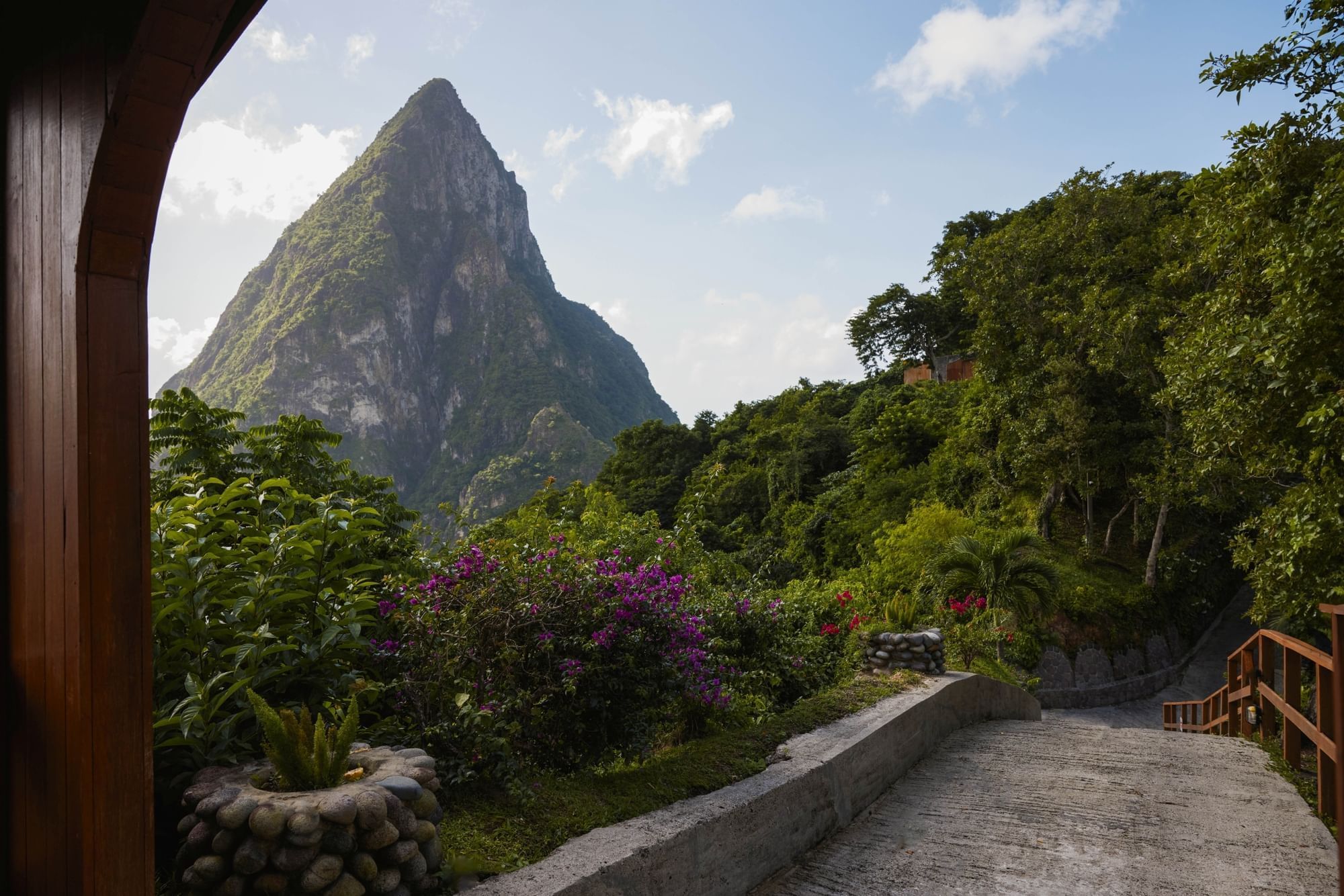
The southwest is the setting for the postcard views. Soufrière and the Val des Pitons have the quietest sites and the most dramatic outlook, but fewer shops and a longer drive from the airport, as our Soufrière guide explains. Marigot Bay on the west coast has a sheltered harbour and a village feel, as described in our Marigot Bay guide, and the south and east remain largely undeveloped, with plenty of land and a slower way of life around Vieux Fort and Dennery.
The alien landholding licence
Anyone who is not a citizen needs a licence from the government before acquiring land. The licence is tied to the particular property, it is granted for life, and it cannot be transferred to another property. Your attorney applies for it as part of the purchase, and the application usually takes from several weeks to a few months. Holders of Saint Lucian citizenship, including those who obtained it through the investment programme, do not need one, although other conditions can apply.
Buying through a company changes the paperwork rather than the principle. You will need incorporation documents and a full list of directors and beneficial owners, and an adviser should confirm whether the structure saves any tax once the cost of setting it up and maintaining it is counted. Our incentives and tax page covers the wider rules for companies.
How a purchase works
A typical purchase follows a clear sequence. You agree a price and sign a contract, paying a deposit of around ten per cent that is held in escrow. If the licence is refused, the deposit is returned. Your attorney searches the title at the Land Registry in Castries, commissions a survey where it matters, applies for the licence, and, once it is granted, completes the transfer, pays the balance and registers the change of ownership.
Cash buyers avoid the lending stage altogether. Local banks, including Bank of Saint Lucia, First National Bank St. Lucia and Republic Bank, lend to non-residents on assessment of income, credit history and the property, while overseas lenders usually ask for a larger deposit. Use a Saint Lucia-licensed attorney, never the seller's, and see the property in person before you commit. Our best time to visit guide helps you pick a sensible week.
Costs and taxes
Budget roughly three to five per cent of the price for the buyer's closing costs, which cover stamp duty, the attorney, surveys and registration, and ask your attorney for the current rates because they change. Sellers pay agents' commissions and, for non-residents, a vendor's tax, so the cost of selling is much higher than the cost of buying. Plan to hold the property for several years.
There is no capital gains tax on property sales and no inheritance tax. Income from letting, and any annual property tax, should be confirmed with an accountant before you rely on a yield. Published surveys have put gross rental returns in the low single figures, which is modest by international standards, and the market has historically behaved more like a buyer's market than a fast-moving one.
Letting and resort residences
Most second-home owners let their property for part of the year, either through a local management company or through a resort programme. The strongest demand is in winter, when visitors from Britain and North America arrive to escape the cold, and in festival weeks, described on our festivals and events page. A good manager handles cleaning, maintenance, guest bookings and hurricane preparation, and you should expect a commission.
Several of the resorts we feature offer villa accommodation, which is a good way to test a neighbourhood before buying. Cap Maison in the north has private villas, and the hillside and valley resorts around Soufrière show what living in the southwest is like. Compare them on our where to stay guide.
Before you commit
Stay on the island before you buy, ideally in more than one area and more than one season. Talk to residents, ask about road access, water, power and insurance, and check the plot for flood and slope risk. The wet months bring heavy rain, and the hurricane season runs from June to November, so insurance and construction quality matter.
Invest Saint Lucia, the state agency, offers one-stop facilitation for investors, and our trip planning page is the place to ask us to point you in the right direction. This page describes how the programmes work. It is not legal, tax or financial advice, so take advice from a qualified professional before you commit money.
Where should I look for property in Saint Lucia?
Where to look for property in Saint Lucia depends on lifestyle: the north around Rodney Bay and Gros Islet suits convenience, marinas and rental demand, while the south near Soufrière suits dramatic views and seclusion, and the west coast around Marigot Bay offers a sheltered harbour setting. Each area has its own character and price pattern. Our Rodney Bay guide, Marigot Bay guide and Soufrière guide describe what daily life feels like, and reading all three before you start viewing helps you decide which kind of neighbourhood you are drawn to, and how much you value convenience compared with views and quiet.
Think about access. A beautiful hillside plot with a long, steep drive may be romantic but inconvenient. Consider distance to the airport, shops, medical services and the sea. Our getting here guide explains the airports. Visit at different times of day to hear traffic, see sunlight and meet neighbours. Check water, electricity and internet supply, because rural plots can have limitations. Ask neighbours about storms and flooding, since they know which roads become impassable and which slopes are prone to movement after heavy rain, information that no brochure or sales listing will ever volunteer.
Match property to purpose. A holiday home needs different features from a rental investment or a retirement base. If you plan to let, locate near beaches, restaurants and attractions. If you plan to live, look at schools, healthcare and community. Be patient, view many places and trust your advisers. The right property often reveals itself after several visits, when you notice that you keep returning to the same view or find yourself imagining ordinary mornings there, with coffee on the terrace, the sea in the distance and a day of unhurried pleasures ahead of you.
What is the buying process like for a UK buyer in Saint Lucia?
For a UK buyer in Saint Lucia, the buying process generally involves choosing a property, agreeing a price, instructing a local lawyer, doing title checks, obtaining any licence required for foreign buyers, signing a contract with a deposit and completing with payment of taxes and fees. A lawyer is central. They check ownership, boundaries, planning and any charges on the property. Our incentives and tax guide explains related tax matters, and it is worth discussing both the purchase and the longer-term tax position with your advisers before you sign anything, including how the property will be treated for UK tax purposes.
Foreign buyers typically need a licence to hold land, and your lawyer will guide you through the application. Timelines vary, so do not plan a rigid completion date. Be wary of paying money before checks are done, and avoid informal arrangements. Our law and foreign relations guide gives background on the legal system. Ask your lawyer to explain each stage in plain English, to confirm who holds the deposit and to tell you what happens if the licence is delayed or refused, so that you are never left guessing about where your money is.
Budget for more than the price. Legal fees, stamp duties, agent commissions, surveys and insurance add up, as do ongoing costs such as maintenance and property management. Ask for a written breakdown. Ask your adviser to explain the currency basics and how funds will be transferred. A prepared buyer rarely has unpleasant surprises, and a calm approach keeps the experience enjoyable. Keep a reserve for repairs after the first season, because tropical weather is hard on roofs, paintwork and fittings, and a well-maintained home holds its value and its appeal for visitors, tenants and future buyers alike.
Can I let a Saint Lucia property to holidaymakers?
You can let a Saint Lucia property to holidaymakers, either privately or through a resort rental programme, but income depends on location, quality, season and management, and you should check licensing, tax and insurance requirements before relying on it. Demand is strongest in the winter months and near beaches and marinas. Our best time to visit page explains the seasons that shape occupancy, and it is wise to build your expectations around the quieter months as well as the busy ones, because a property needs to earn its keep across the whole year, not only during the peak weeks.
Resort residences and branded villas sometimes offer rental pools, with the operator handling guests, cleaning and marketing in return for a share of income. Read the terms carefully and ask for past performance, fees and restrictions on your own use. Our private villas and VIP stays page shows the kind of product travellers look for. Visit similar properties as a guest if you can, so that you understand what visitors expect for the price, and where your own property would stand out or fall short of the standard that guests have come to expect.
Treat rental income as a bonus, not a certainty. Hurricanes, global events and changing tastes can affect demand. Maintain the property well, hire a reliable manager and keep reserves for repairs. Our sustainable stays guide shows how guests value responsible practice. Owners who love their place and look after it tend to do best, because guests notice the care in the details, leave warm reviews and return, and because a property that is looked after remains attractive to buyers if you decide to sell, often at a better price than one that has been neglected.
Understanding the island before you buy
Property decisions follow place, so it pays to know the island well. Geography and districts and towns describe the areas and their character.
For wider context, read the economy of Saint Lucia and law and foreign relations. This is background only, so take independent legal advice before acting.
Questions travellers ask
Can foreigners buy property in Saint Lucia?
Yes. Non-citizens can own freehold land and homes once they hold an alien landholding licence for the particular property.
Do I need a licence to buy land?
Yes, unless you are a Saint Lucian citizen. The licence is property-specific, is granted for life and is applied for by your attorney.
How long does a purchase take?
The licence usually takes from several weeks to a few months, so allow a quarter or more from signing the contract to completion.
Is there capital gains tax on property in Saint Lucia?
No. There is no capital gains tax on property sales and no inheritance tax, but sellers pay agents' fees and, for non-residents, a vendor's tax.
How much deposit do I pay?
A deposit of around ten per cent is usual at contract. It is held in escrow and returned if the licence is refused.
Can I get a mortgage as a non-resident?
Local banks lend to non-residents on assessment, and overseas lenders usually need a larger deposit. Many buyers pay cash.
Does buying a house give me citizenship?
Only the real estate route of the citizenship programme does, with a minimum of US$300,000 in an approved development held for five years.
Where do most overseas buyers look?
Rodney Bay, Cap Estate and Gros Islet in the north are the busiest areas, with Soufrière and Marigot Bay popular for views and quiet.
Do I need a lawyer to buy property in Saint Lucia?
Yes, you should use an independent local lawyer to check title, boundaries and licences and to handle the transaction. Do not rely on the seller's or agent's lawyer to protect your interests.
Can I rent out my Saint Lucia property to holidaymakers?
Yes, in many cases, but check licensing, tax and insurance rules and consider a professional manager. Income depends on location, season and the quality of your property and service.
Are there ongoing costs for owning in Saint Lucia?
Yes, including maintenance, insurance, utilities, management fees and local taxes. Ask for a full estimate before buying, and keep a reserve for repairs after storms.
Saint Lucia on the map
Saint Lucia lies in the Windward Islands of the eastern Caribbean, around 13.8830 degrees north, 60.9670 degrees west. Map data from OpenStreetMap contributors.
Ask Lucy about Property in Saint Lucia
Ask about places to stay, things to do, the weather or getting here.
Keep exploring Saint Lucia
Looking for the industry view? Visit St Lucia on VisitTravelGroup.com covers the destination for travellers and the tourism trade.
More from the Visit Travel Group network: VisitTravelGroup.com, Benidorm.co.uk, Anguilla.co.uk, TheRedSea.co.uk.