Experiences
Sustainable Stays in Saint Lucia
Where you sleep shapes your impact more than almost anything else. Across the island, a growing number of stays are built to sit gently in the landscape.
What sustainable means here
In Saint Lucia sustainability is partly a matter of design. Open-air rooms use the breeze rather than cooling everything, local timber and stone replace imported materials, and buildings follow the contours of the hillside instead of flattening it. The result is a slower, more natural atmosphere in which luxury and landscape coexist.
It is also about people. Stays that employ local teams, buy from local farmers and fishers and share their profits with neighbouring communities help the island long after you leave. Our responsible travel guide covers the wider picture.
Water and energy matter on an island where resources are limited. When you compare properties, look for open-air design, natural ventilation, shade and thoughtful use of water. You can help yourself by reusing towels, taking shorter showers and using a fan before you reach for the air conditioning.
Designed around the landscape
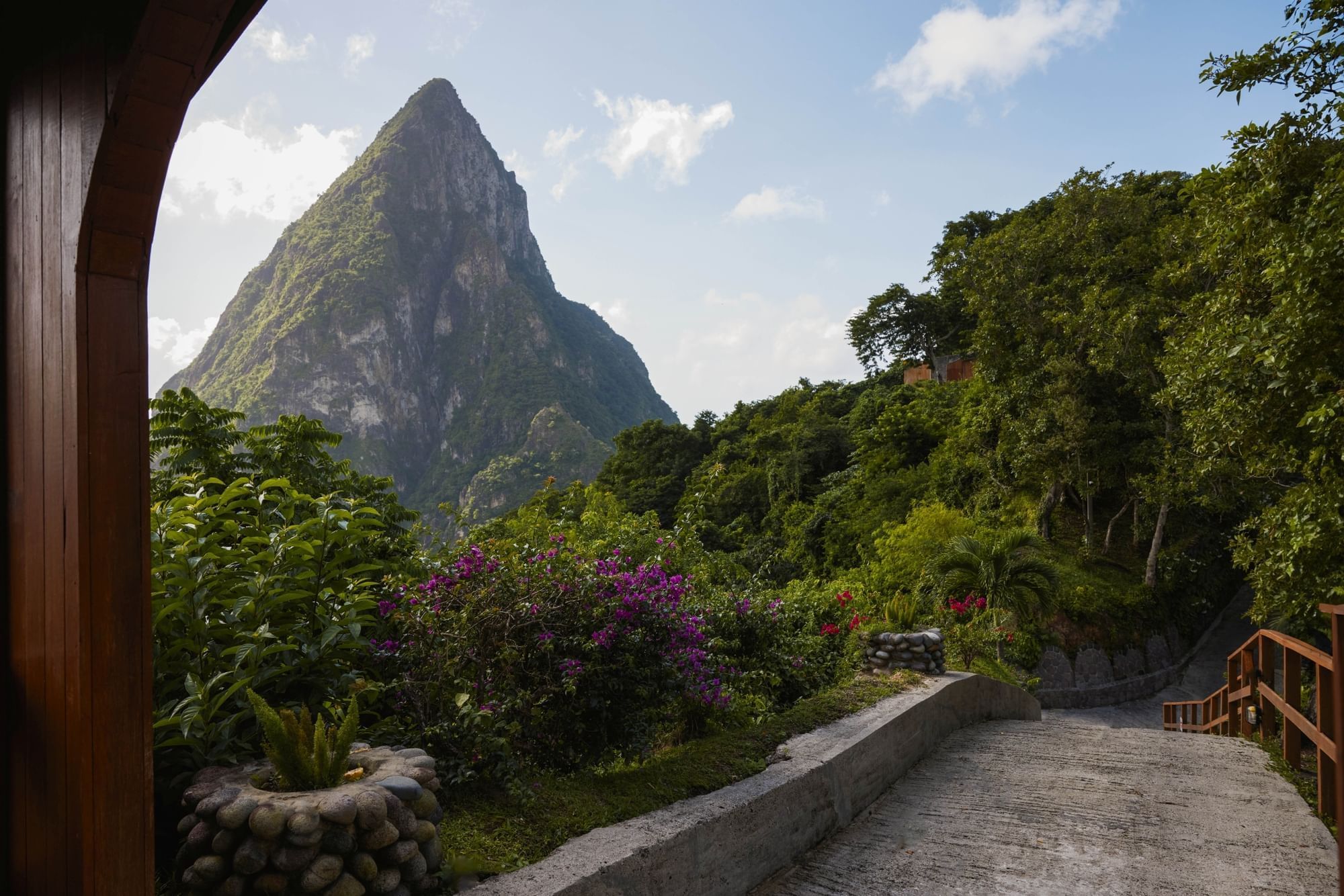
Ladera sits on a volcanic ridge between the Pitons with rooms open to the view, built from local materials. Jade Mountain goes further, with sanctuaries that have no fourth wall so the sea and peaks frame every space. Anse Chastanet follows the shape of its hillside, with handcrafted details and lush surroundings.
All three are in the south, near Soufrière, and they suit travellers who want to feel part of the scenery.
These places show that comfort and care for the environment are not opposites. Open walls, deep verandas and natural airflow keep rooms fresh, and the views shape every decision. Because they are built on steep ground, they tend to be quiet, with more birdsong than traffic. Expect steps and paths, so ask about access if anyone in your group finds walking difficult.
Gardens, cottages and plantations
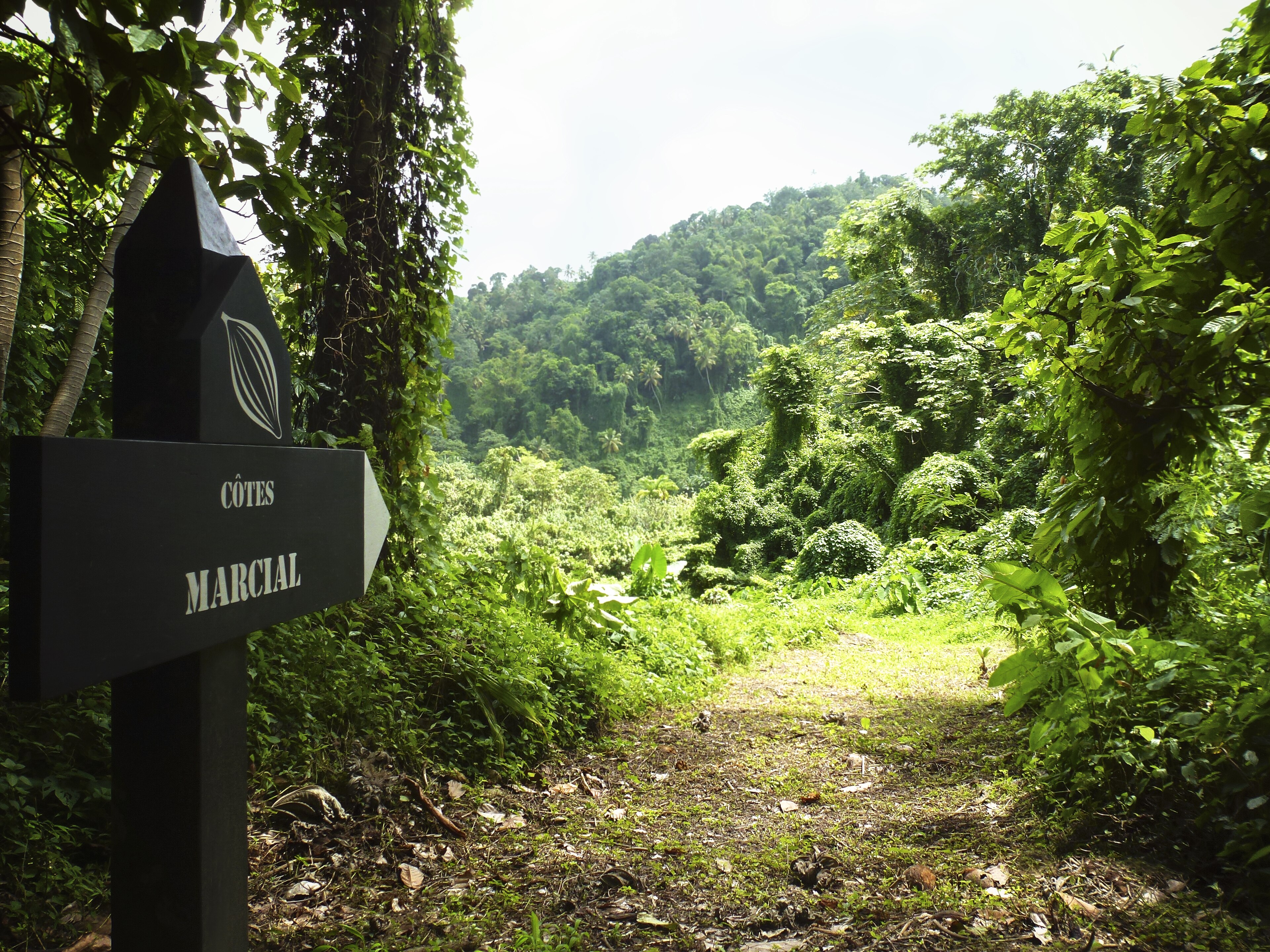
Smaller stays offer a different kind of calm. Fond Doux sits within a working cocoa plantation with wooden cottages and gardens, while East Winds hides within a tropical garden with paths leading to secluded cottages. They are quiet, private and connected to the land around them.
Staying in a working estate is a good way to learn how crops are grown. Add a visit to a cocoa estate described in our cocoa and chocolate guide, and ask your hosts what grows nearby.
Smaller stays are often run by people who know the neighbourhood well, so they are a good source of advice on walks, markets and local guides. Meals tend to feature fruit and vegetables from the grounds or nearby farms, which cuts transport and tastes better. Book early, because small properties have few rooms and fill quickly in the dry season.
Beach and family resorts with an eye on the island
Not every sustainable stay is a hideaway. Bay Gardens Resorts, Windjammer Landing, Royalton Saint Lucia and BodyHoliday offer easier, more social stays while keeping access to sea views, open space and local experiences. BodyHoliday builds its days around movement, rest and time outdoors, with yoga at its heart.
Windjammer Landing steps whitewashed villas down a hillside above the sea, giving space and privacy. If you are travelling with children, see our guide to family-friendly resorts, and compare these places with others in our where to stay guide.
Larger resorts can still do good work. Look for local hiring and training, refill stations, support for community projects and menus built around island produce. An all-inclusive stay can reduce what you spend in local businesses, so balance it by booking days out with local guides and eating a few meals in town.
North or south
The most striking examples of landscape-led design are in the south, near Soufrière, where the hills are steep and the forest is close. You will be near waterfalls, cocoa estates and the reef, and evenings are quiet. The trade-off is distance from the northern beaches and restaurants, which can be an hour or more by road.
The north suits travellers who want a livelier base, with a marina, shops and a choice of restaurants close to hand. Several northern resorts also take sustainability seriously, with open space, sea views and links to local experiences. If you cannot decide, split your stay between the two, spending a few nights in each, and use our getting around guide to plan the transfer. A change of scene halfway through also means you see more of the island, which is the whole point of travelling thoughtfully in the first place.
Questions to ask before you book
A resort that cares will happily explain what it does. Ask how it manages water, waste and energy, whether it employs and trains local people, where its food comes from and whether it supports conservation. Good answers are specific, such as supporting a reef project or buying from nearby farms, and vague answers are a warning.
- Ask where fruit, vegetables and fish are sourced.
- Ask whether the property supports a local conservation or community project.
- Check for reusable bottles, refill stations and sensible laundry policies.
Be a good guest
Once you arrive, follow simple habits: reuse towels, switch off air conditioning when you go out, take short showers and carry your rubbish off the beach. Support neighbouring businesses, as suggested in our guide to shopping local, and learn about reef and forest projects through eco tips and local initiatives.
Tip staff fairly, as our money and tipping guide explains, and thank the people who look after you. When you get home, leave a review that mentions what the property does well, since good practice deserves recognition and helps other travellers choose with care.
Which hotels in Saint Lucia are best for eco-conscious travellers?
The best hotels in Saint Lucia for eco-conscious travellers are small, landscape-led stays such as Fond Doux Eco Resort in a working cocoa plantation, Stonefield Villa Resort near Soufrière, and open-air hillside resorts like Ladera and Jade Mountain that use natural ventilation and local materials. Fond Doux Eco Resort has Five Fingers Restaurant, which sources most of its ingredients from the resort's garden, and cooks Creole-inspired dishes with organic cocoa, spices and fruit. Stonefield's Mango Tree Restaurant uses organic herbs and vegetables grown on the property, with a view of Petit Piton.
What makes a stay sustainable is a mix of design, sourcing and people. Look for open-air layouts that reduce the need for air conditioning, menus built on nearby farms and fishermen, local hiring and training, and support for community or conservation work. These qualities are easier to find in smaller properties where the owners are present and can answer questions. Our Ladera and Jade Mountain pages describe resorts shaped by their hillside sites, and the Soufrière guide explains why the area suits travellers who value nature.
Be realistic about trade-offs. Rural stays can mean steep paths, limited evening dining options and longer journeys to the northern beaches, so decide how important convenience is. If you want sustainable choices with more facilities, large resorts can still do good work on water, waste and local hiring. Whatever you pick, ask direct questions before booking and expect specific answers. For wider planning, our responsible travel guide offers principles that apply to any stay, and the hotels in Saint Lucia guide helps you compare options across the island.
Is staying on a cocoa plantation in Saint Lucia worth it?
Yes, staying on a cocoa plantation such as Fond Doux in Saint Lucia is worth it for travellers who enjoy quiet, nature and learning how crops are grown, as the cottages, gardens and estate walks offer a slower stay than a beach resort. You wake among trees, hear birds and rain on the roof, and eat food grown nearby. A visit to the estate's working areas shows how cocoa moves from pod to bean, and the restaurant brings the same ingredients to the table. It suits couples, curious families and anyone who values calm over entertainment.
It does not suit everyone. If you want a long sandy beach on your doorstep, a poolside bar and evening entertainment, a plantation stay will feel remote. The nearest beaches are a drive away, and cottages may have steps, paths and limited air conditioning. Insects, humidity and birdsong at dawn come with the territory. Be honest about your preferences, and consider combining a few nights on an estate with a few nights in the north or at a beach resort. Our cocoa and chocolate guide explains the cocoa estates that welcome visitors, even if you stay elsewhere.
Practical planning helps. Ask about transfers from the airport, because the journey to the south is long and the road winding. Check how meals work, whether the restaurant is open to guests every evening and whether groceries are nearby for picnic lunches. Book activities such as waterfall visits and hikes through the hotel, which usually knows reliable local guides. The hiking and rainforest guide covers nearby walks, and the getting here guide explains arrival airports and transfer times so that you start your stay calmly.
How can you reduce your impact at a resort in Saint Lucia?
You can reduce your impact at a resort in Saint Lucia by reusing towels, limiting air conditioning, taking short showers, avoiding single-use plastic, using reef-safe sun cream, eating local food and booking excursions with local guides. These habits sound small, but across a stay they add up, particularly on an island where freshwater and energy are limited. Ask the front desk what the resort recycles and how it manages water, and thank staff for efforts you notice. Hotels that hear guests care are more likely to keep improving.
Spending matters as much as behaviour. All-inclusive resorts can keep most of your money inside the property, so balance them by eating out sometimes, using local drivers and shops, and booking a few tours with small operators. Our shop local guide explains where to buy goods that support makers, and the community tourism guide describes visits that put money directly into local hands. A few conscious choices can shift the benefit of your holiday from a corporation towards families and neighbourhoods.
Protect the places you visit. Keep to marked trails, never touch coral or feed fish, take litter away from beaches and respect nesting sites for turtles. Our eco tips and local initiatives guide lists projects you can support, and the conservation and protected areas guide explains the system that safeguards forests and reefs. When you return home, leave an honest review that mentions what the property does well, because informed praise helps other travellers choose with care and rewards the places that try.
The environment a sustainable stay supports
A good eco stay protects what makes the island special. Conservation and protected areas sets out the wider approach, and marine life and coral reefs explains the fragile sea habitats.
Weather patterns affect how resorts plan, covered in climate and hurricanes, and the economy of Saint Lucia shows why responsible tourism matters locally.
Turning this into a St Lucia holiday
Most visitors fit this into holidays to St Lucia, so choose your base first. Compare St Lucia hotels by area and style, and read our guides to luxury hotels in St Lucia and all inclusive resorts in St Lucia if you are choosing between a boutique stay and an all in package.
Then set your dates with the best time to visit St Lucia, book flights to St Lucia and pick days out from our St Lucia itineraries. Couples can also read about a honeymoon in St Lucia or weddings in St Lucia.
Questions travellers ask
What makes a stay sustainable in Saint Lucia?
Design that suits the landscape, local materials, local employment, responsible food sourcing and support for conservation or community projects all count.
Are sustainable stays more expensive?
Prices vary widely, from boutique cottages to luxury resorts. Check current rates with each property, as they change by season.
Which stays are built into the hillside?
Ladera, Jade Mountain and Anse Chastanet are all built into steep ground near the Pitons, using open design and local materials.
Can I stay on a working plantation?
Yes. Fond Doux is set within a working cocoa plantation, with wooden cottages and gardens.
Are there family-friendly sustainable stays?
Yes. Windjammer Landing and Bay Gardens Resorts, among others, combine open space and sea access with family activities.
How can I check a hotel's claims?
Ask for specifics: how they handle waste, where food comes from, and which local projects they support. Clear, concrete answers are a good sign.
What can I do as a guest?
Reuse towels, save energy and water, avoid single-use plastic, use reef-safe sun protection and spend money with local businesses.
Do I need to stay in the south?
No. Sustainable and nature-led stays exist in the north and south, although the most dramatic landscape settings are near Soufrière.
What is an eco resort in Saint Lucia?
An eco resort uses open-air design, local materials, farm-sourced food and local hiring to limit its impact. Fond Doux Eco Resort, set in a working cocoa plantation, is a well-known example.
Are sustainable stays more expensive?
Not always. Small eco properties vary widely in price, so compare current rates. Remember to weigh what is included, such as food from the property's gardens, against the cost of getting around.
Can I find sustainable accommodation in the north of Saint Lucia?
Yes. Several northern resorts take sustainability seriously through local hiring, open space and community links. Ask each property directly about water, energy and sourcing before booking.
Saint Lucia on the map
Saint Lucia lies in the Windward Islands of the eastern Caribbean, around 13.8830 degrees north, 60.9670 degrees west. Map data from OpenStreetMap contributors.
Ask Lucy about Sustainable stays
Ask about places to stay, things to do, the weather or getting here.
Keep exploring Saint Lucia
Looking for the industry view? Visit St Lucia on VisitTravelGroup.com covers the destination for travellers and the tourism trade.
More from the Visit Travel Group network: VisitTravelGroup.com, Benidorm.co.uk, Anguilla.co.uk, TheRedSea.co.uk.