Experiences
Creole Cooking Classes: Cook Like a Saint Lucian
A Creole cooking class is one of the most rewarding ways to spend a day in Saint Lucia. You shop, chop, stir and then sit down to eat what you made.
What a class is really like
Most classes are small and relaxed. A local cook or chef walks you through a handful of dishes, explains why each one is made the way it is, and lets you do the work yourself. You will be chopping herbs, seasoning fish and stirring pots rather than watching from a distance.
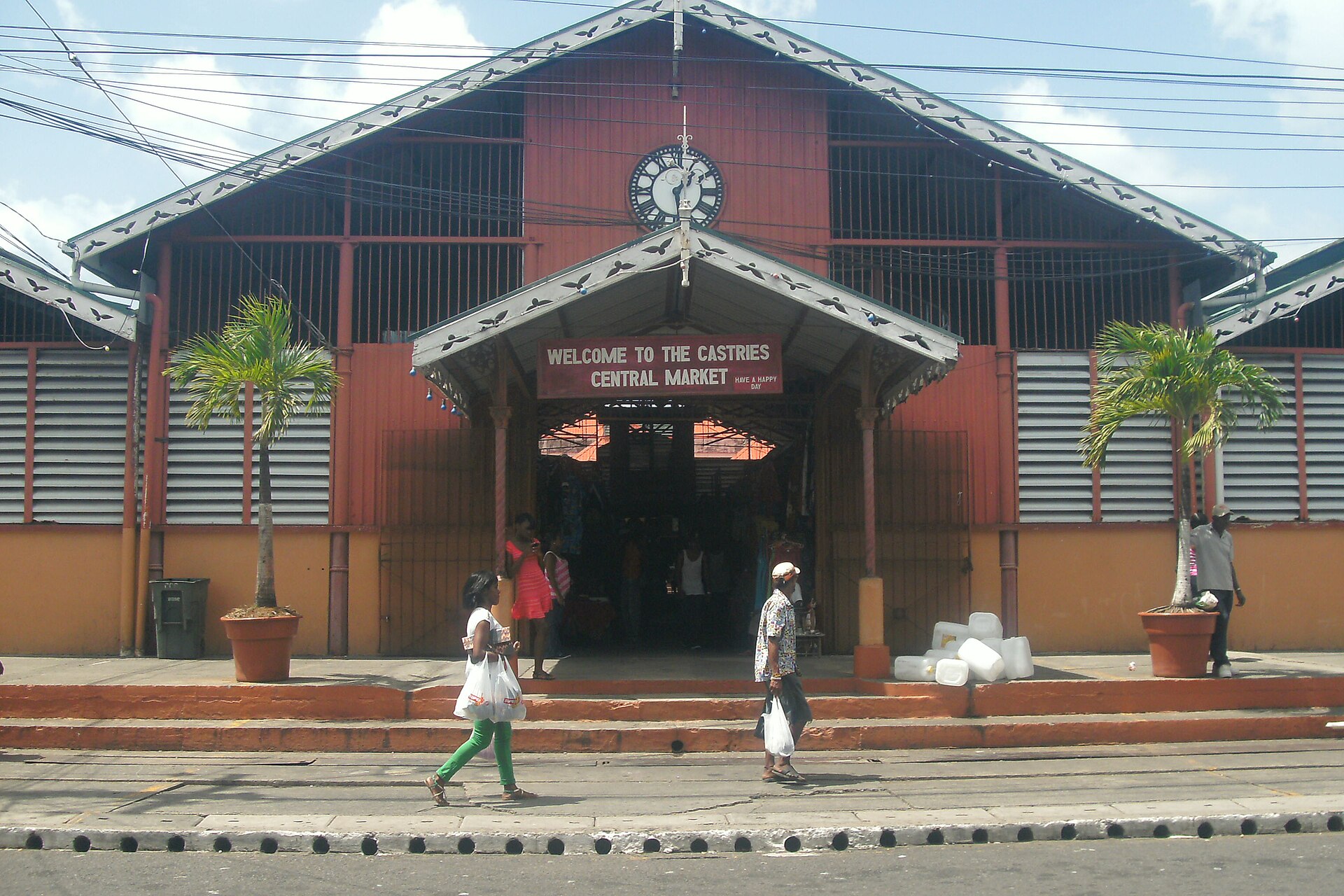
Many sessions begin before you touch a stove. Your host may take you to a market stall or into a vegetable garden to pick what you need, so you meet the breadfruit, cassava, fresh herbs and seasonal fruit while they are still whole. That start makes the cooking feel connected to the island, and it is often the part people remember longest.
The dishes you might cook
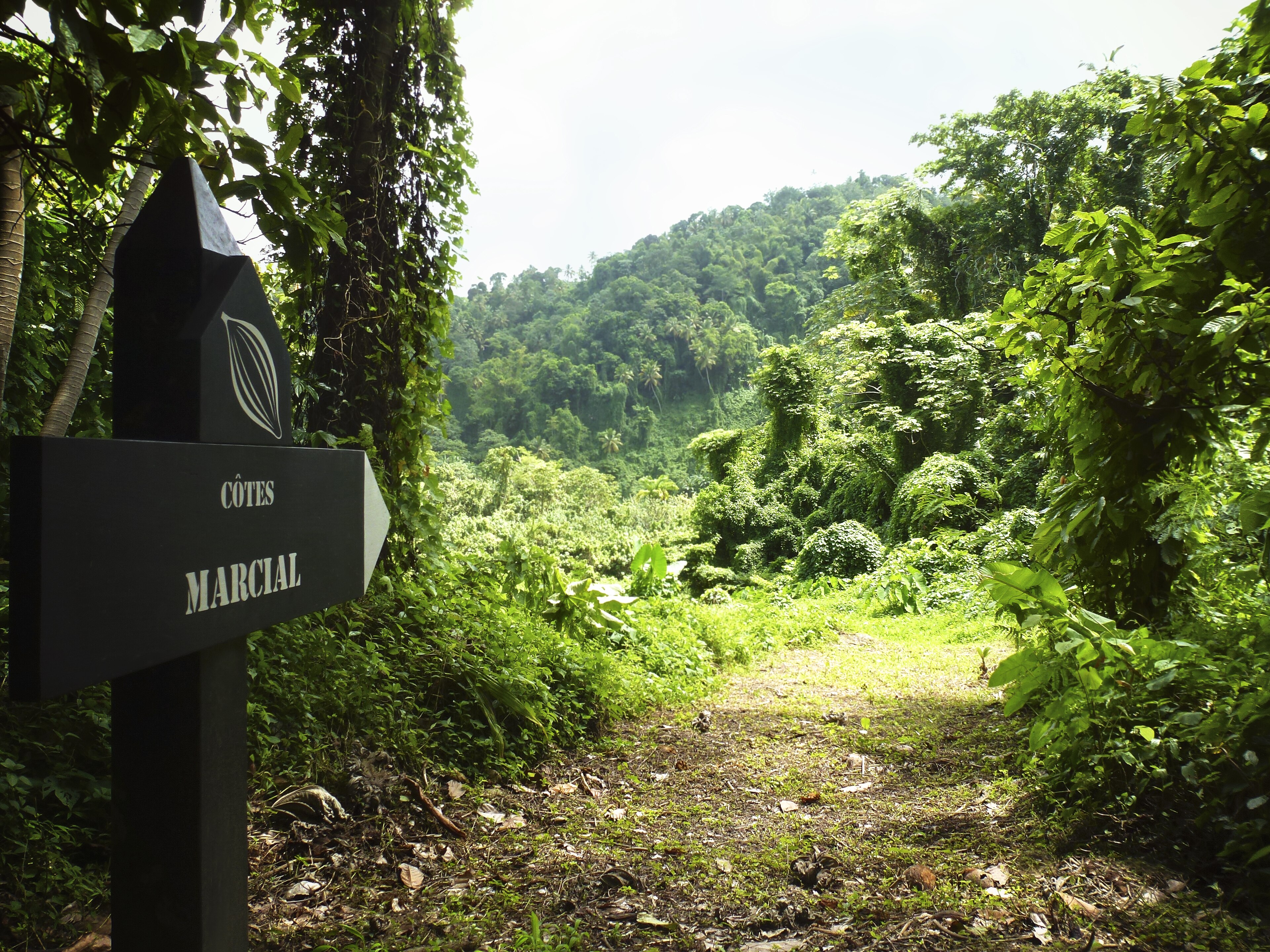
The national dish is green fig and saltfish. The figs are unripe green bananas, boiled until tender and served with seasoned salted cod, and the combination tastes of the island's history. Alongside it you may learn callaloo soup, bouyon (a hearty one-pot soup), fried plantain, Creole-style fresh fish and desserts that use local cocoa.
Saint Lucian cooking is Creole in the proper sense: African techniques, French habits, British staples and Caribbean ingredients all in one pot. Our food and rum guide gives the wider picture, and the street food guide shows how many of these dishes turn up at stalls and roadside grills.
- Green fig and saltfish, the national dish.
- Callaloo soup and bouyon, two comforting classics.
- Fried plantain, breadfruit and cassava as side dishes.
- Fresh fish cooked Creole style, and cocoa-based desserts.
Where classes take place
Settings vary a good deal. Some classes run in a boutique hotel kitchen or a beachfront restaurant, and others are held at a farm or in a private home, which gives the day a more personal feel. In the southwest, classes often sit comfortably beside a visit to a cocoa estate near Soufrière, and in the north you can find them within reach of Rodney Bay.
If you like to see where ingredients come from, ask about a class that includes a farm walk. The farm-to-table guide explains which estates and community projects welcome visitors, and the cocoa and chocolate guide covers the tours that pair naturally with a cooking session.
Who it suits and how long it takes
A class suits couples, friends, families with children old enough to hold a knife safely, and solo travellers who want to meet someone local. You do not need to be a good cook. Hosts are used to complete beginners, and the pace follows the group.
Plan on a morning or an afternoon, usually a few hours including the meal. Hours, prices and menus differ between hosts, so check current details and book ahead, especially in the busier winter months described in our best time to visit guide. Wear closed shoes you do not mind getting dirty, bring an appetite and tell your host about allergies or dietary needs in advance.
Pairing a class with the rest of your day
Because a class is mostly about the morning, the afternoon is free for something gentler. A swim at one of the best beaches works well, as does a visit to the Sulphur Springs or the gardens described in our waterfalls and gardens guide.
Several classes include a rum tasting or a short cocoa session. If that appeals, read about the rum and distillery experiences before you book so the two do not overlap. Combining food and culture is also the idea behind the culture and local experiences itinerary.
Bringing the flavours home
The best souvenir from a class is the recipe itself. Take notes, ask where the seasonings come from and ask what to substitute when you are back in a cold kitchen. Local spices, cocoa sticks and hot sauces make good gifts, and the artisan markets guide suggests where to buy them from the people who made them.
What happens in a Creole cooking class in Saint Lucia?
A Creole cooking class in Saint Lucia is a hands-on session of a few hours in which a local cook guides you through shopping or picking ingredients, preparing dishes such as green fig and saltfish, and sitting down to eat the meal together. Most classes start gently, with a cold drink or a glass of fresh juice while your host explains what the morning holds. There is usually a short talk about the dishes, the ingredients and the order of work, and then aprons go on and the chopping begins. Expect to peel green bananas, crush garlic, slice onions and learn how to handle a hot pepper without regret. The cook moves between stations, correcting a grip on the knife here and tasting a sauce there, and the mood is closer to a family kitchen than a formal lesson. By the time the first pot is on the heat, strangers who arrived politely are usually swapping stories about what they cook at home.
The middle of the morning is where the cooking really teaches you something. Creole food relies on patient seasoning rather than complicated technique, so you will spend time rubbing herbs, garlic and peppers into fish or meat and letting them rest before anything touches the heat. Pots are often stirred over a steady flame for longer than you expect, because bouyon and callaloo reward slow cooking. Your host will tell you when to turn the fish, when to lower the flame and how to judge by smell rather than by timer. Those small cues are the real lesson, and they travel home with you far better than a printed recipe ever could.
The meal at the end is the reward and often the highlight of the day. You sit down together, usually at a long table on a terrace or under a veranda, and eat what you have made with a cold drink and a view. Conversation tends to wander towards family recipes, favourite markets and where everyone has travelled. Many hosts finish with a local dessert or a cup of cocoa tea, and it is normal to linger far longer than the cooking took. If you want to carry the theme into the evening, our guide to where to eat in Saint Lucia suggests places to continue once the afternoon heat has passed.
What ingredients and flavours define Creole cooking in Saint Lucia?
Creole cooking in Saint Lucia is built on fresh herbs, garlic, onion and peppers, starchy ground provisions such as green banana, breadfruit and cassava, and fresh local fish, blending African, French, British and Caribbean traditions in one pot. Behind every Creole dish is a small set of flavours used with confidence. Fresh herbs, garlic, onion and sweet peppers form a base, and hot peppers are added with care, because heat in Saint Lucian cooking is meant to warm a dish rather than overwhelm it. Citrus often appears to freshen fish before it is cooked, and salt is used generously, since saltfish and salted meats were once the practical way to feed families before refrigeration was common. Learning to taste as you go is the single most useful habit a class gives you, and good hosts will have you spoon up a little at each stage so you notice how a dish changes as it simmers.
Ground provisions, the starchy roots and fruits that anchor a meal, are the other half of the story. Green bananas, breadfruit, cassava and plantain take the place that potatoes might hold on a British plate, and each behaves differently in the pot. Some are boiled, some fried, some roasted over a fire, and a good class lets you try more than one so you can taste the contrast. Our guide to agriculture and bananas explains why the green fig is so central to the island's cooking and economy, and it makes rewarding reading before you stand over a pot of them.
Fish is the third pillar. Saint Lucia's fishing villages land a changing catch through the year, so classes tend to cook whatever is freshest rather than follow a rigid menu. That flexibility is part of the appeal, because it teaches you to cook from the ingredients in front of you instead of from a list. If your morning begins at a market or a landing beach, you may see the catch being sold before you choose your own. Anyone who loves seafood should also read about the fishing village of Anse La Raye, where the day's catch becomes a Friday evening gathering and the same style of cooking is done over coals beside the sea.
Can children, vegetarians and cruise passengers join a Creole cooking class in Saint Lucia?
Yes, children old enough to follow simple kitchen instructions, vegetarians and cruise passengers can usually join a Creole cooking class in Saint Lucia, provided you tell the host about dietary needs, ages and ship times when you book. Classes can usually be adapted, but only if you say so when you book. Vegetarian guests will find that the island's vegetable and provision dishes are rich enough to fill a menu, though saltfish and fish stock are woven through so much cooking that you should be explicit about what you do and do not eat. Allergies to shellfish, nuts or gluten need the same early notice, so your host can plan the shopping. Cooks are generally generous about swapping ingredients, and a class built around vegetables, fruit and cocoa can be every bit as satisfying as one that centres on fish. The key is a clear conversation before the day, not on the morning itself.
Children can enjoy a class if they are old enough to stand at a counter and follow simple instructions. Younger ones often like the market or garden part best, picking herbs and smelling spices, while teenagers tend to take to the knife work and the frying. Ask whether the host is comfortable with a mixed-age group, and whether there is a separate task for smaller hands. A family class also makes a good plan for a wet day, and our rainy day ideas suggests how to fill the rest of it once the cooking is done. For wider planning with children, see the family trip planning guide.
Cruise passengers often have only a few hours ashore, so they should check carefully before booking. Choose a class that is close to the port, confirm the finishing time with a generous margin before the ship leaves, and ask whether transport is included. Our cruise arrival guide explains how the port works and how to make a short day count. For visitors staying longer, a class early in the trip is a useful move, because it gives you the vocabulary of the island's food and a list of dishes to look out for. It works equally well as a mid-week treat or as a final-day send-off during your holiday in Saint Lucia.
The language and landscape of Creole cooking
Cooking here draws on both the soil and the speech of the island. Languages and Kweyol explains many of the names you will hear in class, and agriculture and bananas introduces the crops on the table.
For the traditions that surround shared meals, see culture and traditions, and for the mix of people whose tastes shaped the cuisine, read who lives on the island.
Turning this into a St Lucia holiday
Most visitors fit this into a holiday in St Lucia, so choose your base first. Compare places to stay in St Lucia by area and style, and read our guides to luxury hotels in St Lucia and all inclusive resorts in St Lucia if you are choosing between a boutique stay and an all in package.
Then set your dates with the best time to visit St Lucia, book flights to St Lucia and pick days out from our St Lucia itineraries. Couples can also read about a honeymoon in St Lucia or weddings in St Lucia.
Questions travellers ask
Do I need cooking experience to join a Creole cooking class?
No. Classes are designed for beginners as well as keen cooks, and the host sets the pace for everyone in the group.
What will I learn to cook in Saint Lucia?
Typical menus include green fig and saltfish, callaloo soup, bouyon, fried plantain, fresh fish and cocoa desserts, depending on the host.
Does the class start at a market?
Many do. Hosts often begin with a visit to a market or garden so you can see and smell the ingredients before cooking.
How long does a class last?
Allow a few hours for most sessions, including the meal, though exact timings differ, so check with the host when booking.
Can children take part?
Often yes, particularly older children who can help safely. Ask the host about age limits and whether a family session is offered.
Can I join if I have allergies or follow a special diet?
Tell your host when you book. Most can adapt dishes, but they need notice so they can plan ingredients in advance.
Is a cooking class a good rainy day activity?
Yes, much of the experience happens indoors, so it works well when showers close in. See the rainy day ideas page for more.
Should I book in advance?
It is wise, especially in the busy winter season. Small classes fill up, and hosts need time to shop for fresh ingredients.
Do I need to book a Creole cooking class in advance?
Yes, it is sensible to book ahead, particularly in the winter months when the island is busiest. Hosts shop for ingredients in advance and many run small groups, so a few days' notice, or longer in peak weeks, protects your place.
Will I eat what I cook?
Almost always. Classes are built around sitting down to enjoy the meal together at the end, so arrive hungry and tell your host about allergies or dietary needs when you book so they can plan the menu.
Is a cooking class suitable for vegetarians?
It can be, but say so when booking. Many Creole dishes use saltfish or fish stock, so hosts need notice to build a menu around provisions, vegetables, fruit and cocoa instead.
Saint Lucia on the map
Saint Lucia lies in the Windward Islands of the eastern Caribbean, around 13.8830 degrees north, 60.9670 degrees west. Map data from OpenStreetMap contributors.
Ask Lucy about Creole cooking classes
Ask about places to stay, things to do, the weather or getting here.
Keep exploring Saint Lucia
Looking for the industry view? Visit St Lucia on VisitTravelGroup.com covers the destination for travellers and the tourism trade.
More from the Visit Travel Group network: VisitTravelGroup.com, Benidorm.co.uk, Anguilla.co.uk, TheRedSea.co.uk.