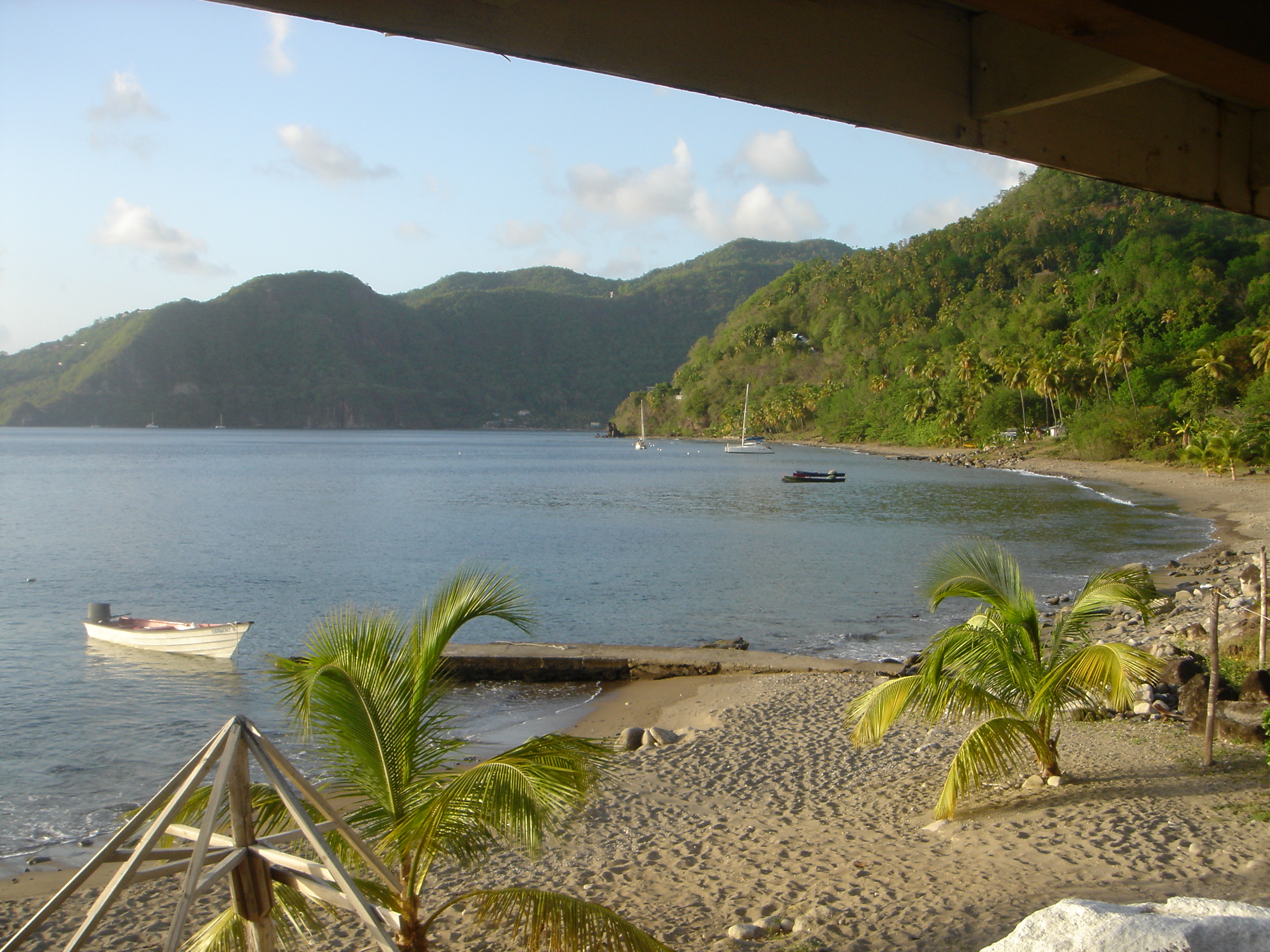
Explore Saint Lucia
Explore Saint Lucia by Area
A small island with five distinct areas, each with its own character. Choose where to base yourself, then explore.
How the island is laid out
The island is roughly 40 kilometres long, so no area is far from another, but the winding roads mean journeys take time. The north holds Rodney Bay and the capital Castries. The middle of the west coast has the sheltered harbour of Marigot Bay. The southwest is the landscape of Soufrière and the Pitons, and the south is Vieux Fort and the main airport.
Each area page covers what to see, where to eat and how to get there. For stays, see the where to stay page, and for activities see things to do.
Choosing a base
If you want the landscape, base yourself near Soufrière. If you want beaches and evenings out, choose Rodney Bay. If you want a sheltered harbour and a village feel, look at Marigot Bay. Those arriving late or leaving early may like a night near Vieux Fort, and city lovers will enjoy a morning in Castries.
Beyond the main bases, the villages repay a day trip. Gros Islet has the Friday street party, Anse La Raye has the west coast fish fry, Laborie is the quiet face of the south, and Dennery opens the wild Atlantic side. Time your visit with our festivals and events guide, and eat well with our where to eat guide.
Moving around the island
Distances look short on the map but the roads wind through hills, so allow more time than you expect. Taxis, hotel transfers and organised tours are the most common ways for visitors to travel. Some people hire a car, which needs a temporary local licence, and drive on the left.
Boats are an alternative along the west coast, linking bays that are slow to reach by road. Read about the options in our boat trips guide, and see the getting here guide for airport transfers.
Where is the best place to stay on holidays in Saint Lucia?
The best place to stay in Saint Lucia depends on your priorities: Rodney Bay for beaches and nightlife, the Soufrière area for the Pitons and reefs, Marigot Bay for a sheltered harbour, and Vieux Fort for an easy arrival near Hewanorra International Airport. The island is small, but the roads climb and twist through hills, so a base shapes your whole week. First-time visitors who want things on the doorstep usually choose the north, where supermarkets, cash machines, a marina and a long beach are all close by, and where evenings are easy to fill. Choose the base first and plan the days around it, rather than the other way round.
Travellers who come for scenery tend to choose the southwest and accept a quieter evening in exchange for waking beneath the twin peaks. The town of Soufrière sits inside the rim of an old volcanic basin, and the hills around it hold the estates, waterfalls and springs that make the area special. Many of the best hotels in Saint Lucia are in this corner, from ridge-top retreats to resorts on the beach, and they suit couples, divers and walkers. Our guide to Soufrière explains what the town offers, and the hotels in Saint Lucia guide compares the resorts that surround it. Mornings here are cool and clear, and the first light on the peaks is something that stays with people long after they have unpacked at home.
If you cannot decide, split your stay. Three or four nights in each region lets you enjoy both the lively north and the dramatic southwest without a punishing daily drive. Many visitors begin in the north to recover from the flight and finish in the south, close to the airport for the journey home, and that sequence is worth considering when you shape your itinerary. A single night in the south at either end of the trip is a sensible way to avoid a long transfer after a long flight, and it gives you a taste of the quiet side of the island. Whichever pattern you choose, book the first and last nights before the middle ones, since they anchor the rest of the plan.
What is each area of Saint Lucia like to visit?
Each area of Saint Lucia has a distinct character: the north is lively and well provided with facilities, the west coast is dramatic and scenic, the south is quiet and windswept, and the Atlantic east coast is wild, green and thinly visited. The north around Gros Islet and Rodney Bay holds most of the marinas, restaurants and evening entertainment, and the capital, Castries, sits just to the south around its deep harbour. The sea there is sheltered and the beaches are long, and the whole area is built for visitors who want choice. Our regional guide to north Saint Lucia sets the scene in more detail. Rodney Bay, in particular, is where most first-time visitors feel at home within a day.
Moving down the west coast, the road passes sheltered bays and fishing villages before climbing into the high country around the Pitons, a UNESCO World Heritage Site. The west coast is the island's main scenic route, and each stop has a different mood, from the polished harbour at Marigot Bay to the Friday fish fry at Anse La Raye. The west coast guide describes the villages, viewpoints and beaches along the way. At the southern tip, steady Atlantic winds, long empty beaches and the main airport shape a different mood, described in the south Saint Lucia guide. Allow more time than you think for the journey, because every bend offers something worth a photograph.
The east is the least visited and in many ways the most rewarding for travellers who like space. Rugged coast, banana farms, fishing villages and rainforest trails fill the map, and the experience is one of ordinary island life rather than resort comfort. There are few hotels, so it works best as a day trip with a driver. Our east coast guide explains how to see it, and the small islands off the coast, covered in the offshore islands guide, add a nature reserve flavour to any itinerary. Pack a rain jacket, sensible shoes and a sense of curiosity. It is a region for travellers who prefer to watch real life unfold rather than be entertained.
How long do I need to see the different parts of Saint Lucia?
You need at least a week to see the north, the west coast and the Pitons comfortably, and ten days if you also want the south and east coast villages without rushing. Distances look short on the map, but a drive that seems modest can take well over an hour on winding roads, so budget time for the journey as well as the destination. A good plan treats the island as three bases rather than one: the north, the southwest and, if time allows, a night in the south on arrival or departure. That structure keeps the daily driving to a sensible length and leaves time to actually enjoy the places you came to see.
Day trips are possible from most bases, but the longest drives are best done early in the day, with a driver or guide who knows the roads. A single long day from the north to the Pitons and back is popular and rewarding, although tiring, and our how many days guide helps you decide whether to stay overnight instead. If you are arriving on a cruise or a yacht, the cruise arrival guide shows what to prioritise in a single day ashore, and those arriving by air should check transfer times before booking. Whichever way you travel, carry water and cash, and agree the price with the driver before you leave.
Finally, leave some room for the unplanned. A fish fry that happens to fall on your evening, a village festival or a viewpoint pointed out by your driver are often the moments people remember. Time your visit with the festivals and events guide, and use the sample itineraries to see how others have balanced the island's regions in a week or two. A loose plan with a few firm bookings, such as a hike, a boat trip and a special dinner, tends to work better than a packed timetable that leaves no space to breathe. If you can, ask your hotel about local events during your dates, since a village festival or a regatta can turn an ordinary afternoon into something special.
Reading the island before choosing a base
Every district on this page sits within a wider story. A short look at the geography of Saint Lucia explains why the coast changes so much from one area to the next, and the guide to districts and towns shows how the island is divided for everyday life.
If you enjoy knowing what lies behind a view, the history of Saint Lucia and the notes on culture and traditions make each stop more rewarding. The full About Saint Lucia hub gathers all of these background guides in one place.
Where to stay and how to plan
Most visitors fit this into St Lucia holidays, so choose your base first. Compare hotels in St Lucia by area and style, and read our guides to luxury hotels in St Lucia and all inclusive resorts in St Lucia if you are choosing between a boutique stay and an all in package.
Then set your dates with the best time to visit St Lucia, book flights to St Lucia and pick days out from our St Lucia itineraries. Couples can also read about a honeymoon in St Lucia or weddings in St Lucia.
Questions travellers ask
Where is the best place to stay in Saint Lucia for a first visit?
Rodney Bay in the north is the easiest choice, with a long beach, restaurants and shops close by. Add two or three nights near Soufrière to see the Pitons.
How long does it take to drive across Saint Lucia?
Allow about two hours between Rodney Bay and Soufrière, and longer from Hewanorra airport to the north. Roads are winding, so journeys take more time than the map suggests.
Is it worth visiting the east coast of Saint Lucia?
Yes, if you enjoy wild scenery, local villages and few crowds. It is best as a day trip with a guide, because the sea is rough and tourist facilities are limited.
What are the main areas of Saint Lucia?
Saint Lucia splits naturally into the north around Rodney Bay, the capital Castries, the west coast towns, the Soufrière area in the south west, and the quieter south and east coasts. Each has a different feel, so see the west coast for a good starting point.
Where should I base myself in Saint Lucia?
Base yourself in the north for restaurants and easy beaches, or around Soufrière for scenery and quiet. Your choice depends on whether you want nightlife or nature. Compare the options in where to stay before you book.
How far is Saint Lucia's north from the south?
Expect a long day of driving rather than a quick hop, as roads are winding and slower than they look on a map. Allow generous time between the north and the Pitons area. Our getting around guide explains your transport choices.
Is Saint Lucia too small to need a car?
You can manage without a car if you stay in one area and book transfers and tours, but a car or driver gives far more freedom. Roads are narrow and hilly, so many visitors prefer a driver. See getting around for details.
Which part of Saint Lucia is quietest?
The south and east coasts are generally the quietest, with fewer resorts and a more local feel. They suit travellers who want space and are happy with simpler facilities. Read about south Saint Lucia to see if it fits your trip.
Which part of Saint Lucia is best for a first-time visitor?
The north around Rodney Bay is the easiest first base, with a wide choice of hotels, restaurants and activities close together. You can add day trips south to the Pitons. See Rodney Bay for what the area offers.
What is the best way to see all of Saint Lucia?
Combine two bases, one in the north and one near Soufrière, so you avoid repeated long drives. Add a boat trip along the coast for variety. Our iconic itinerary shows how to link the main sights.
Saint Lucia on the map
Saint Lucia lies in the Windward Islands of the eastern Caribbean, around 13.8830 degrees north, 60.9670 degrees west. Map data from OpenStreetMap contributors.
Castries
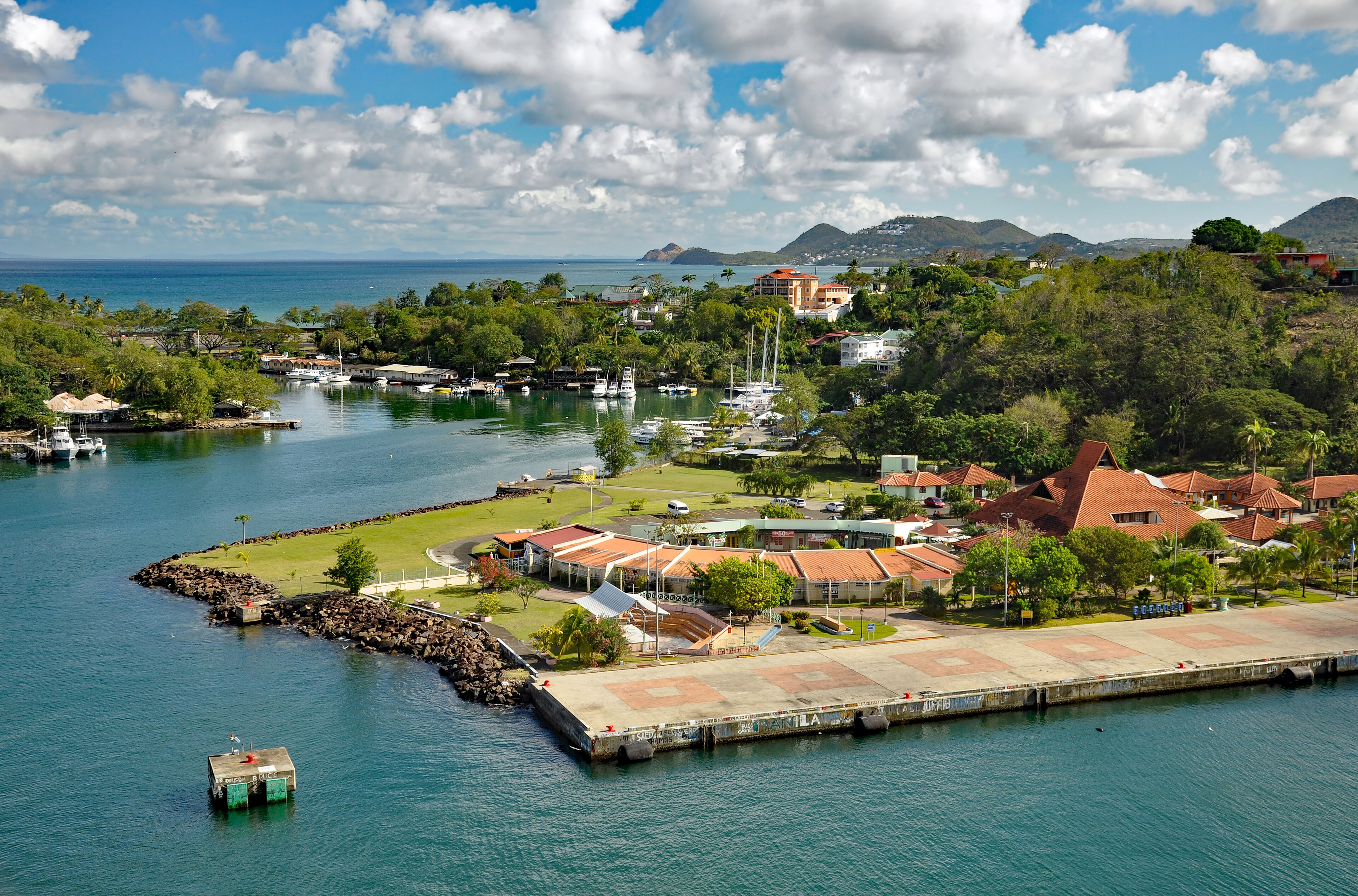
The capital: a working harbour city with a market, a cathedral and views from Morne Fortune.
Read the guide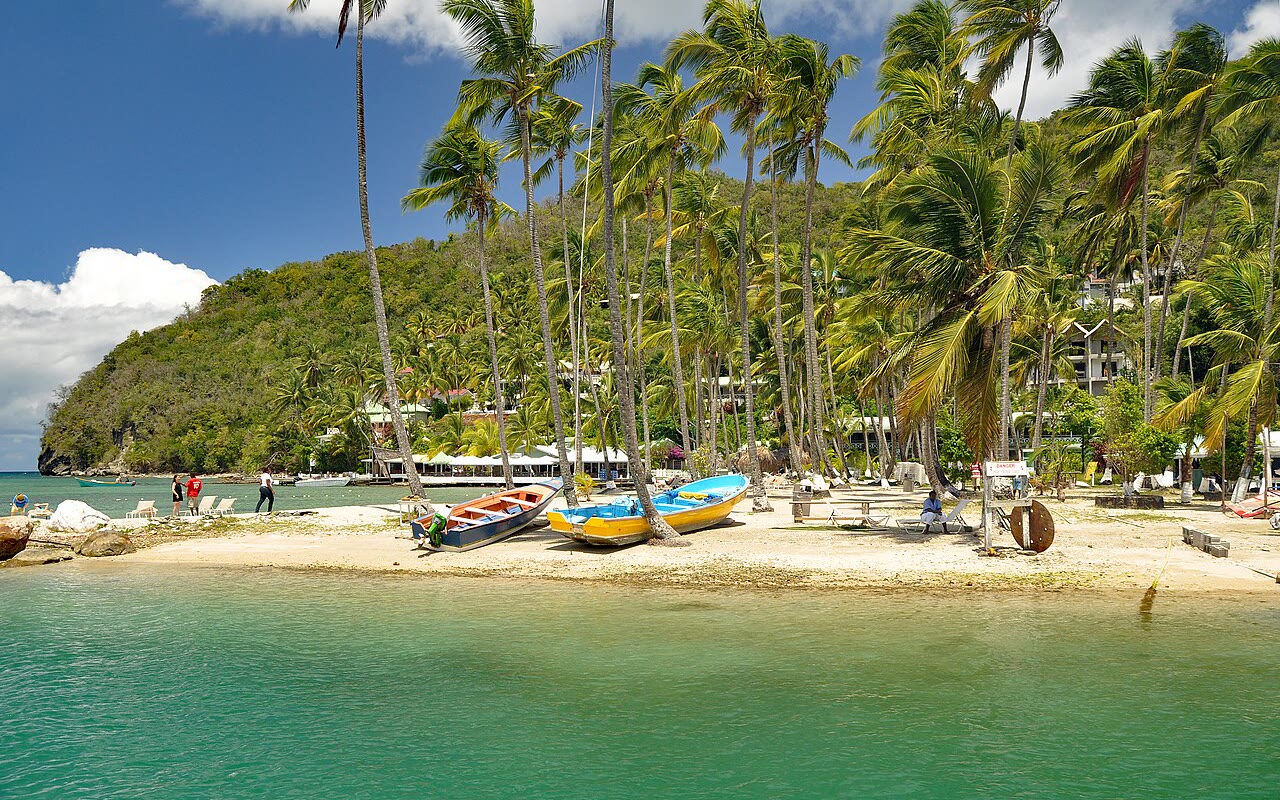
Marigot Bay
One of the most sheltered harbours in the Caribbean, with a marina and a village atmosphere.
Read the guide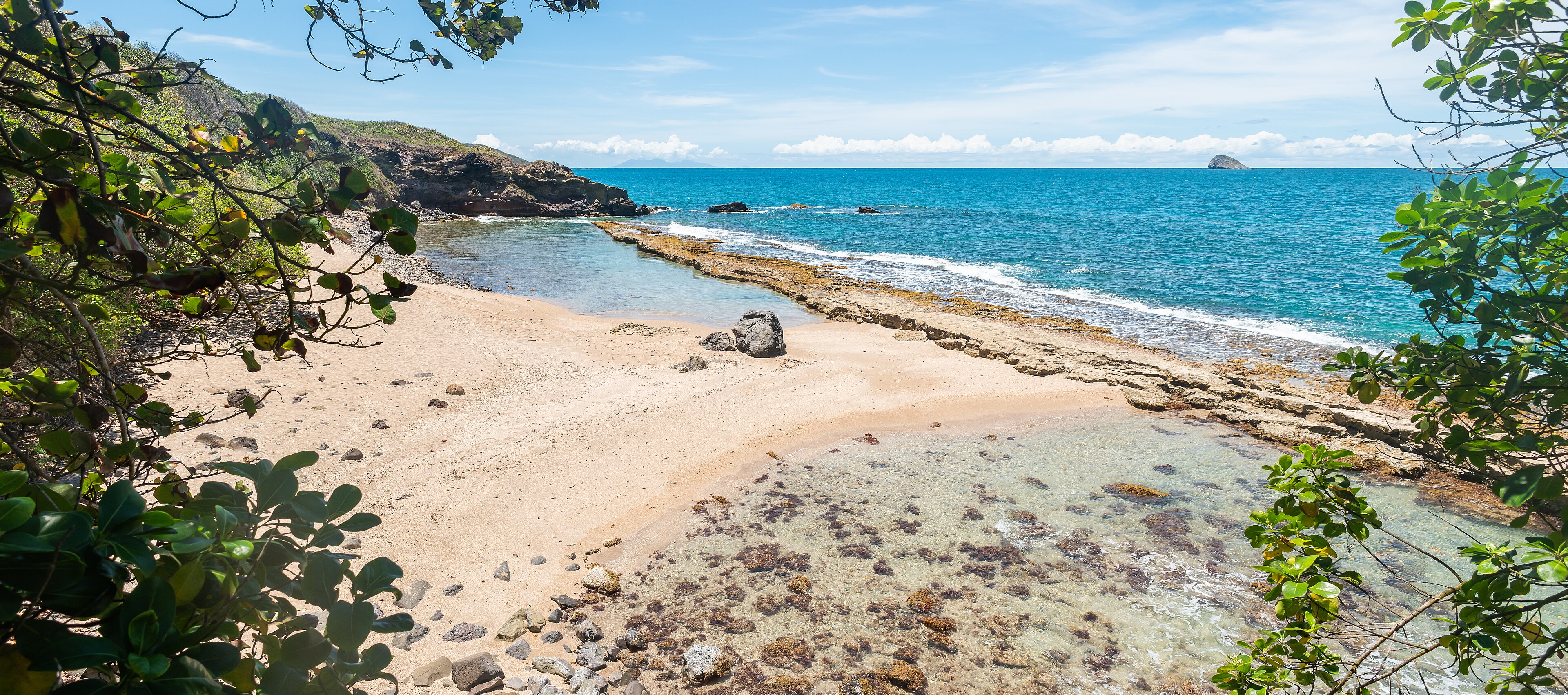
Vieux Fort
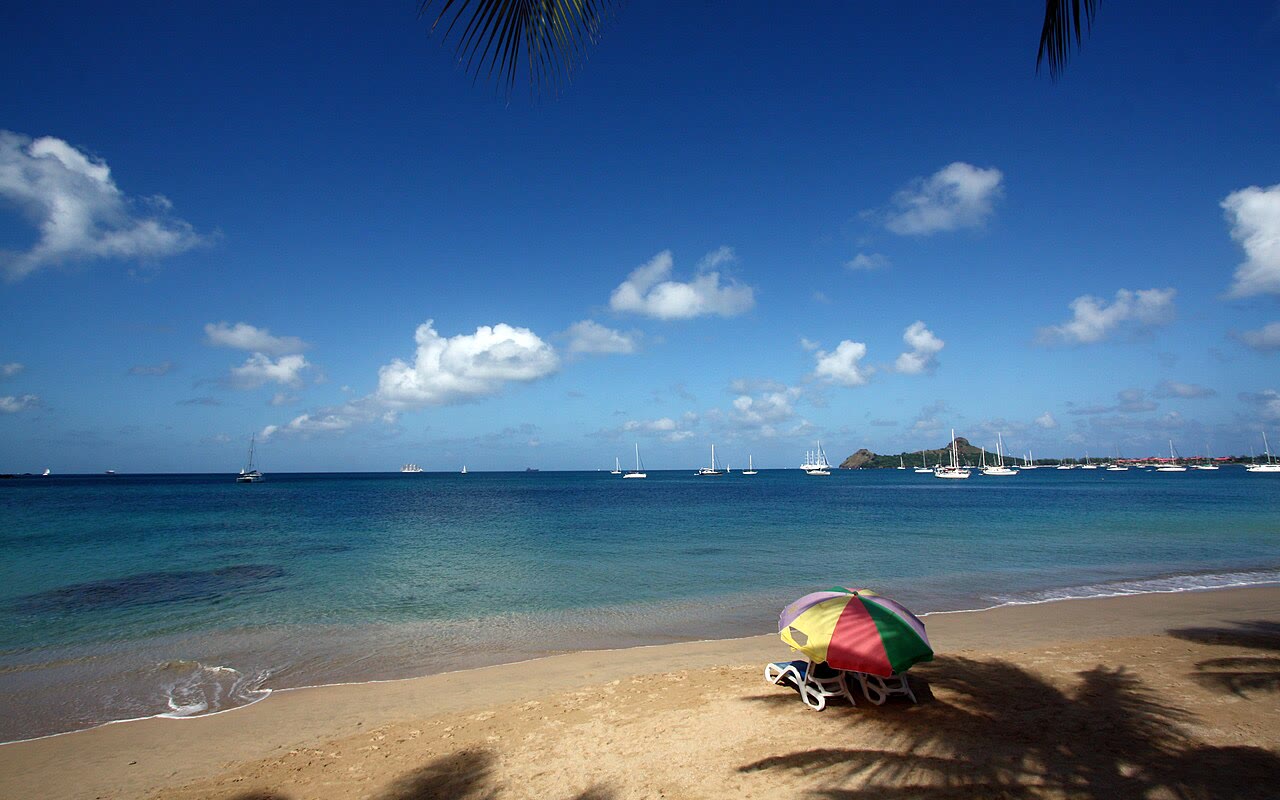
The southern town beside Hewanorra International Airport, with windswept beaches and nature reserves.
Read the guide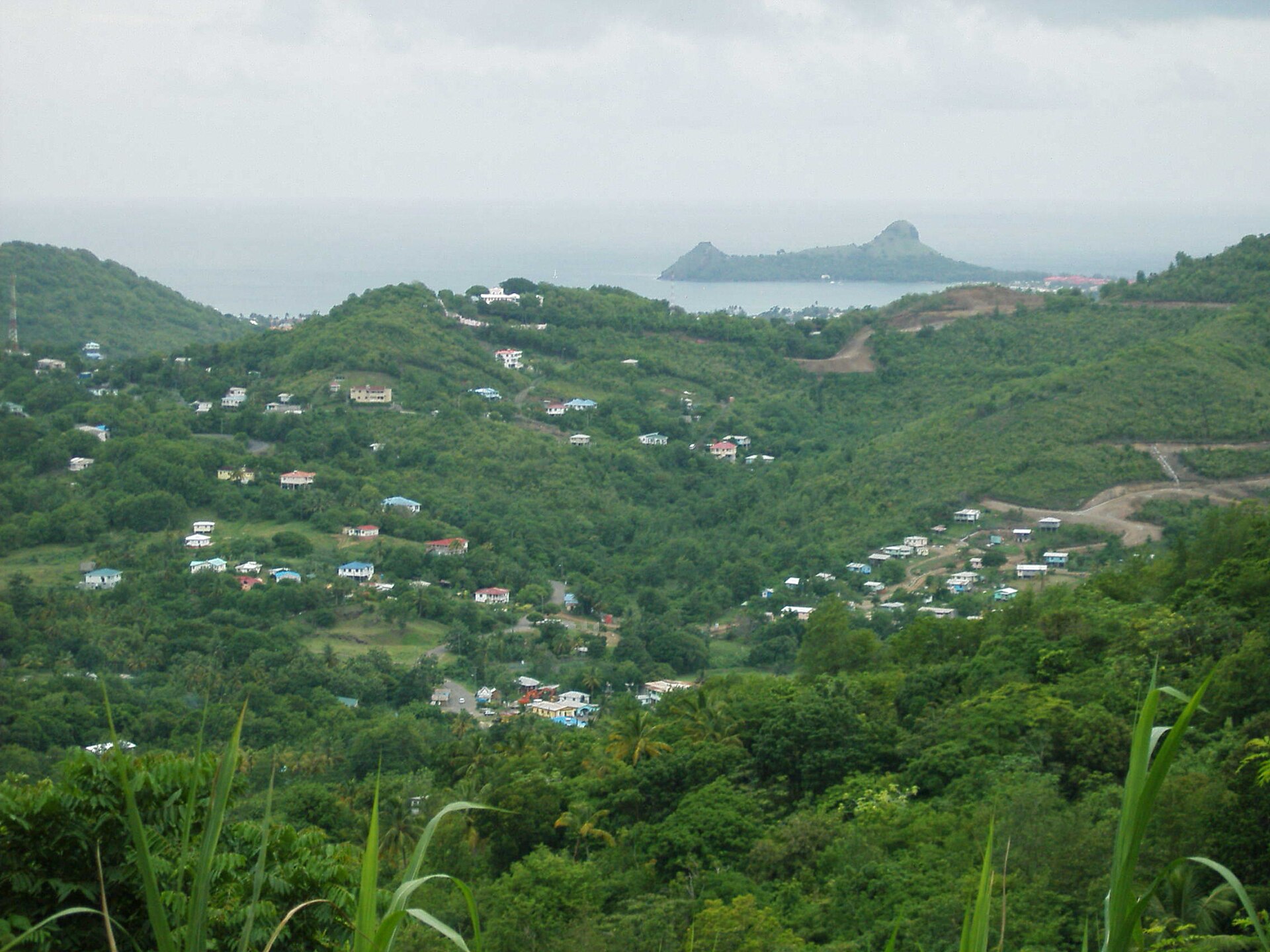
Gros Islet
A fishing village at the northern tip, home to the Friday night street party and the gate to Pigeon Island.
Read the guide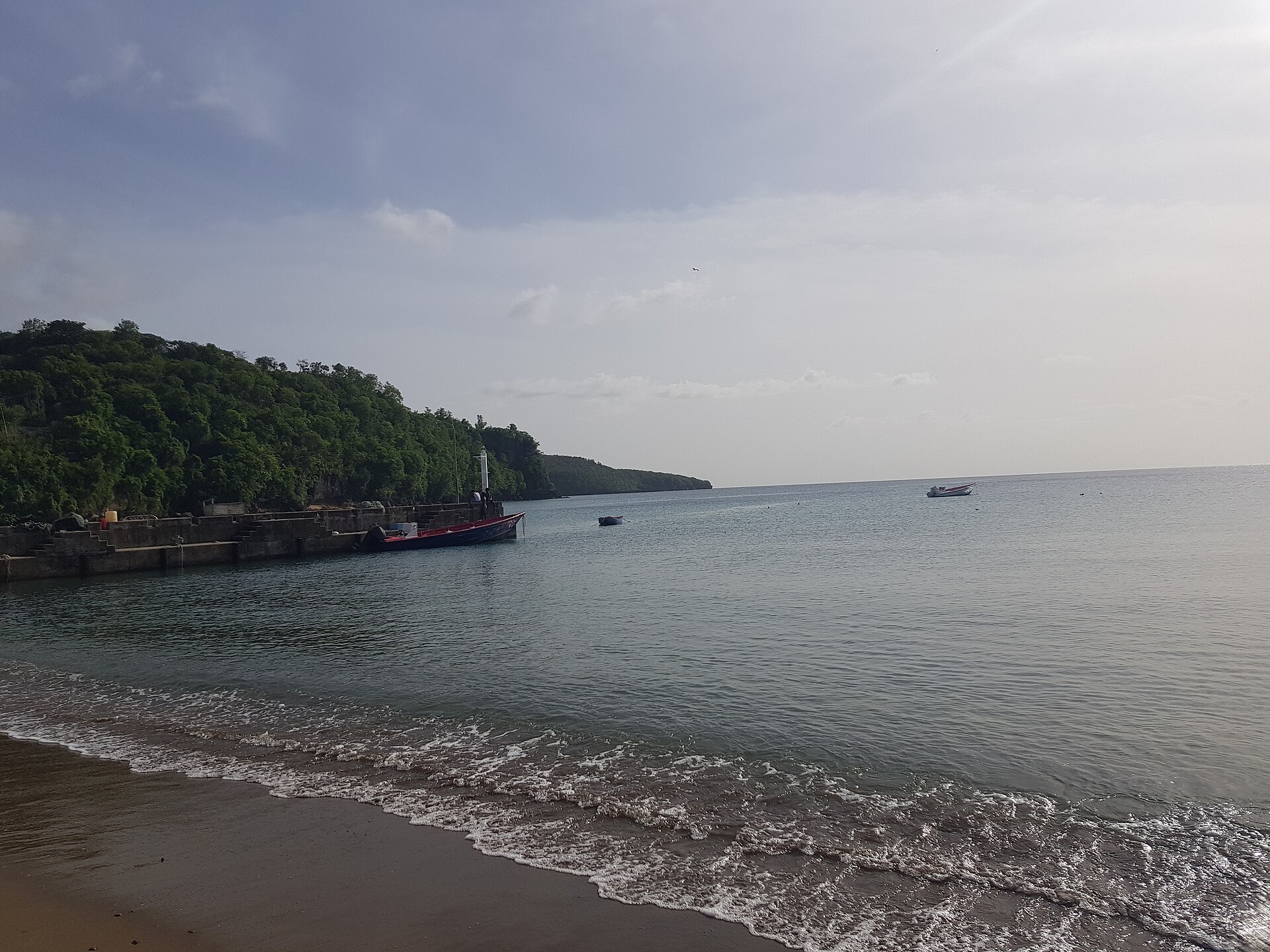
Anse La Raye
A west coast fishing village with a Friday fish fry and colonial streets above the bay.
Read the guide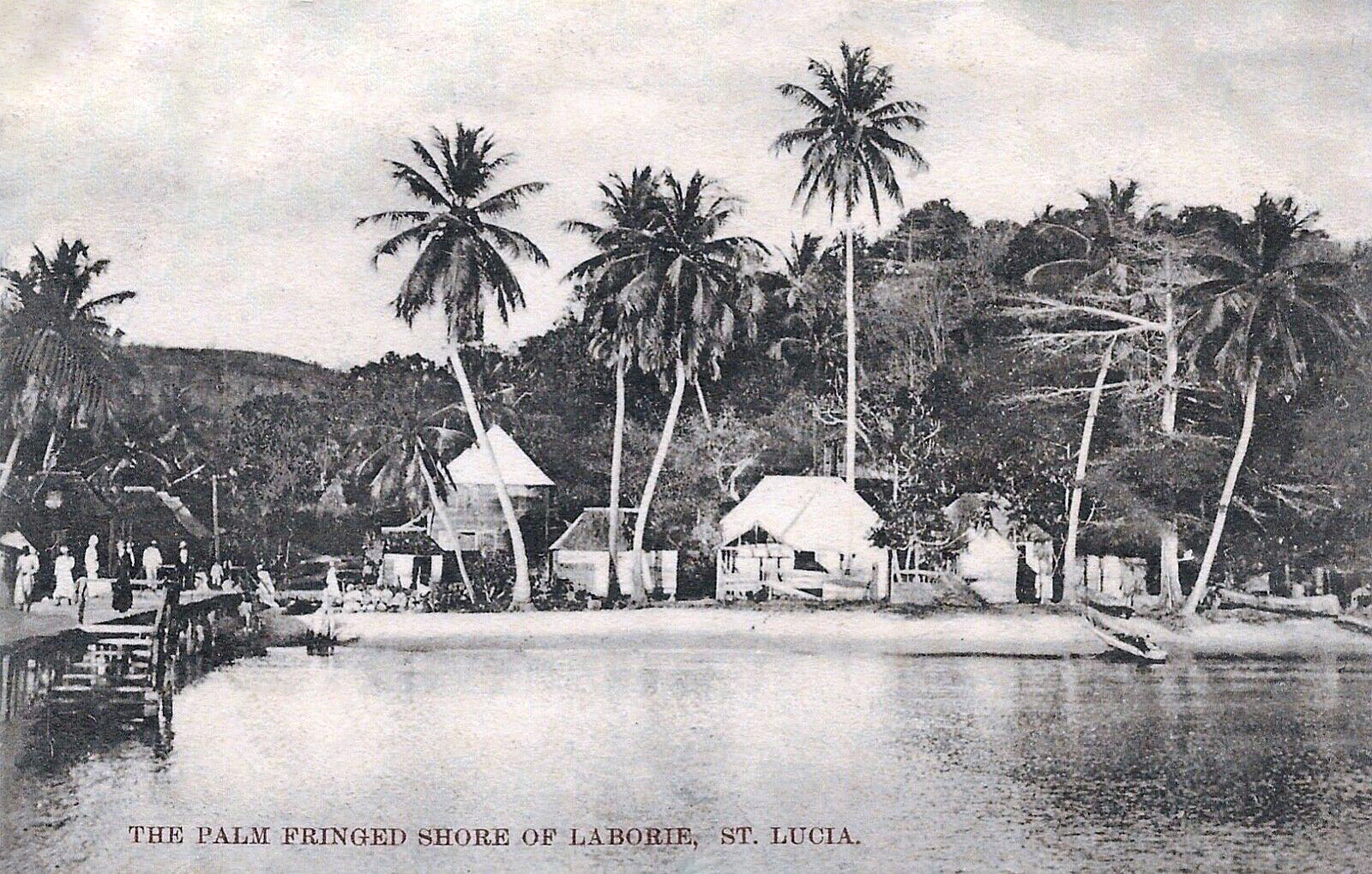
Laborie
A quiet south coast fishing village with a calm beach, a seaside park and Amerindian history.
Read the guide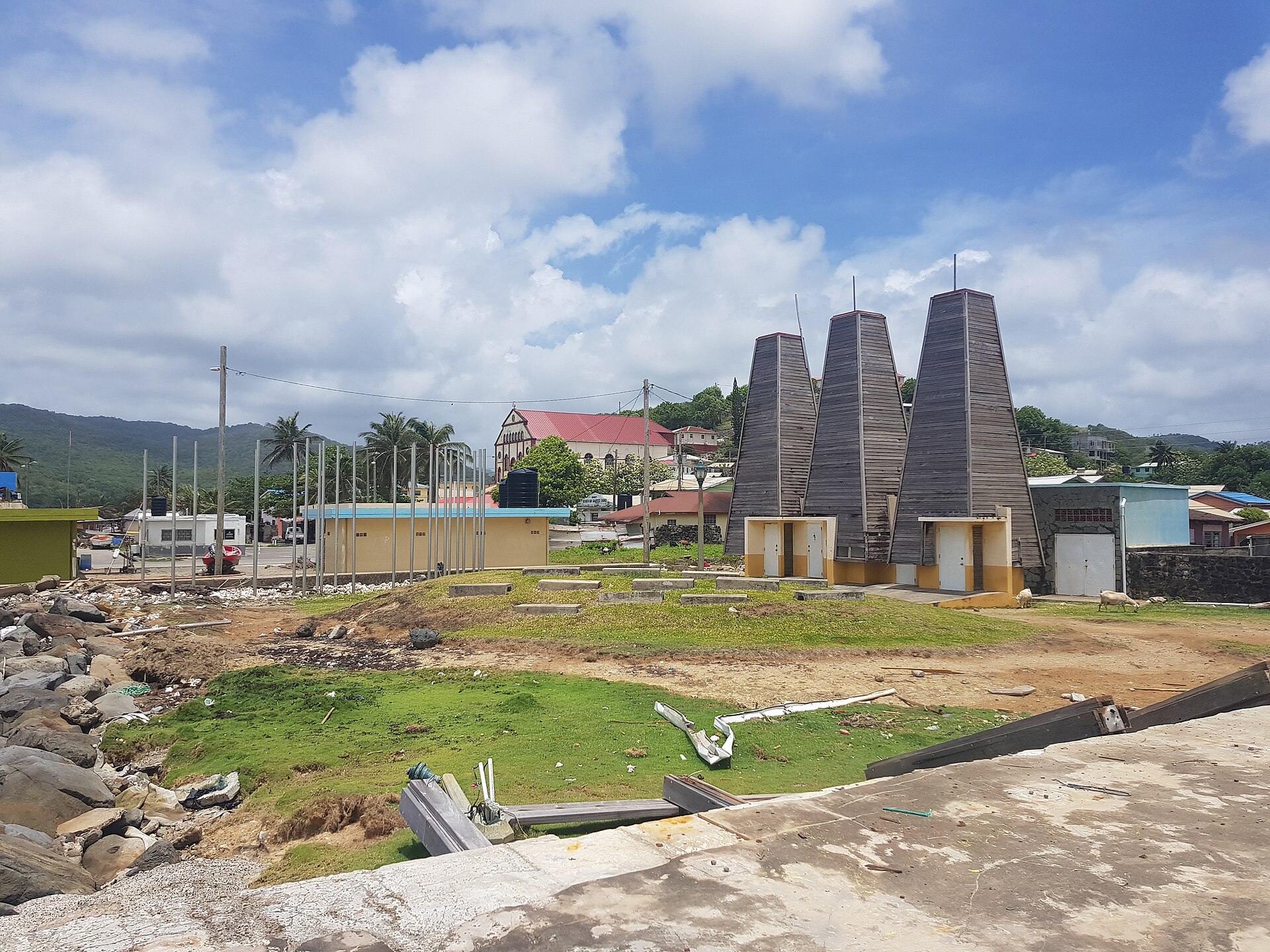
Dennery
An Atlantic coast fishing village with a Saturday fish fiesta and the wildest scenery on the island.
Read the guide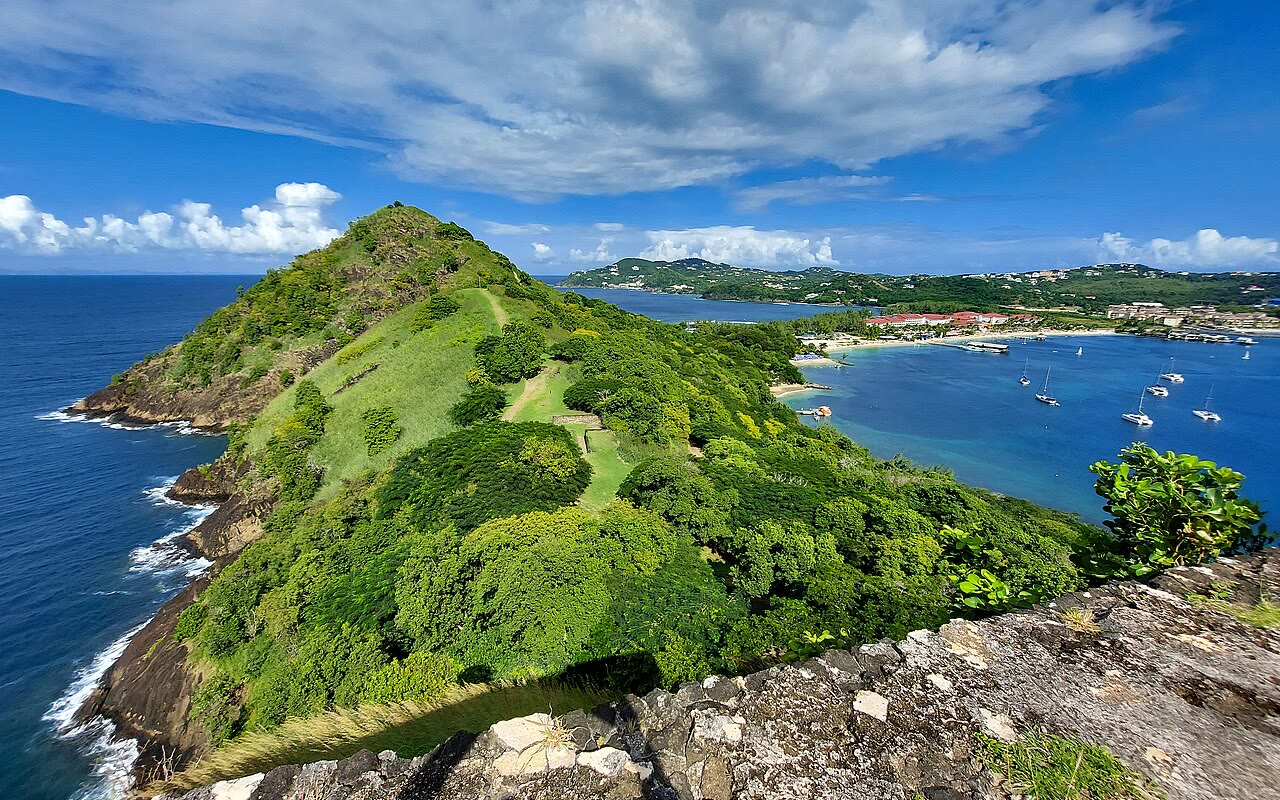
North Saint Lucia
Castries, Rodney Bay, Pigeon Island and the Friday night street party: the island's liveliest corner.
Read the guide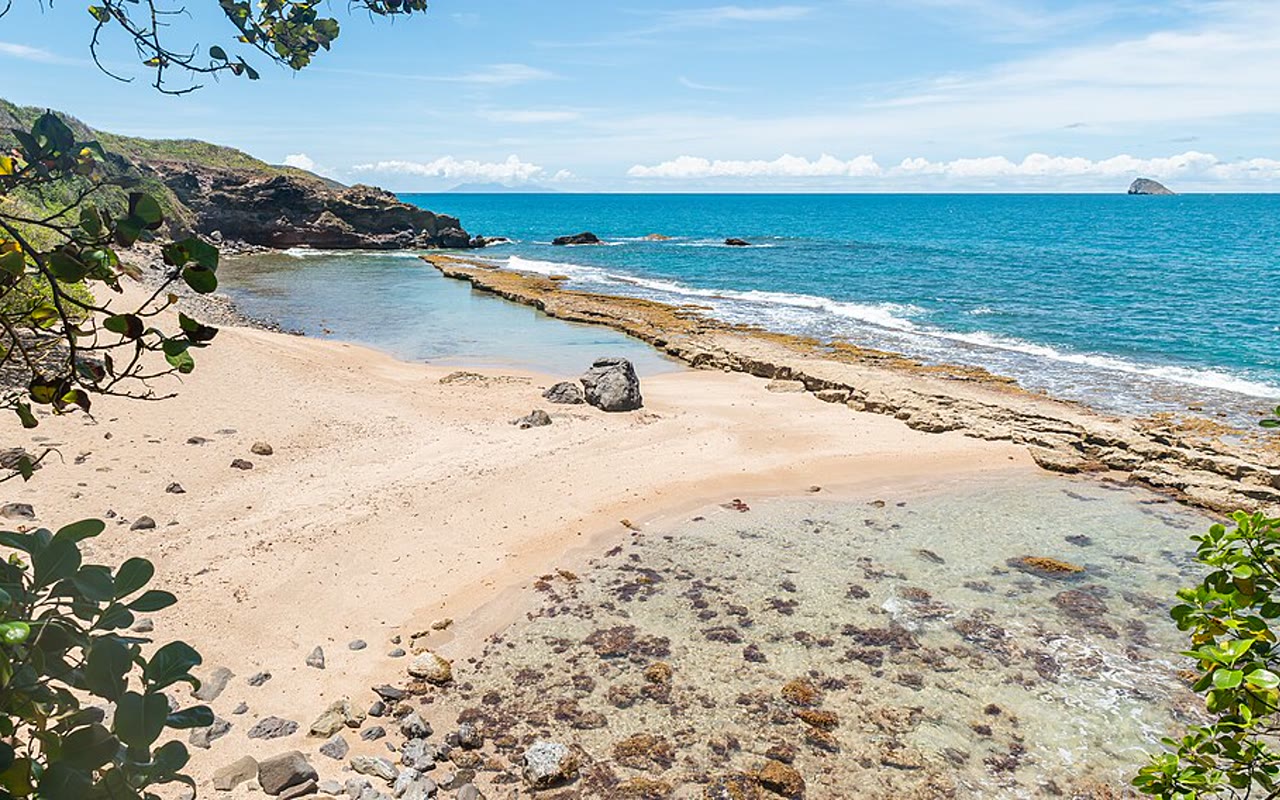
South Saint Lucia
Vieux Fort, Anse des Sables, Moule a Chique and Laborie: open landscapes and a slower island rhythm.
Read the guide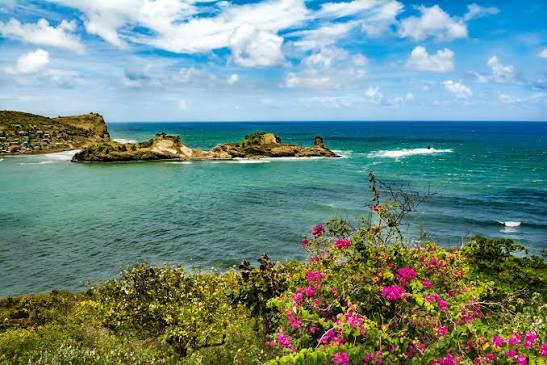
East coast
Dennery, Fond d'Or, Mamiku Gardens and Praslin Bay: wild Atlantic scenery and village life.
Read the guide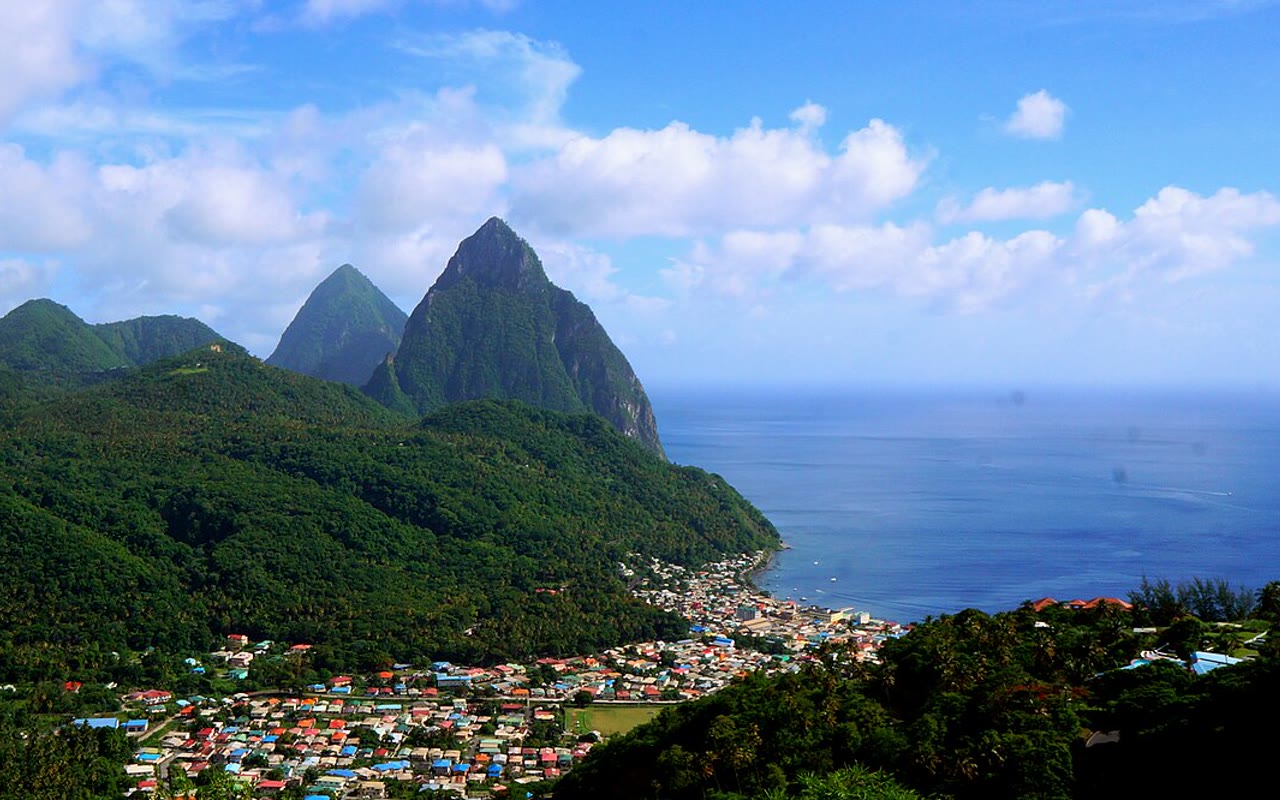
West coast
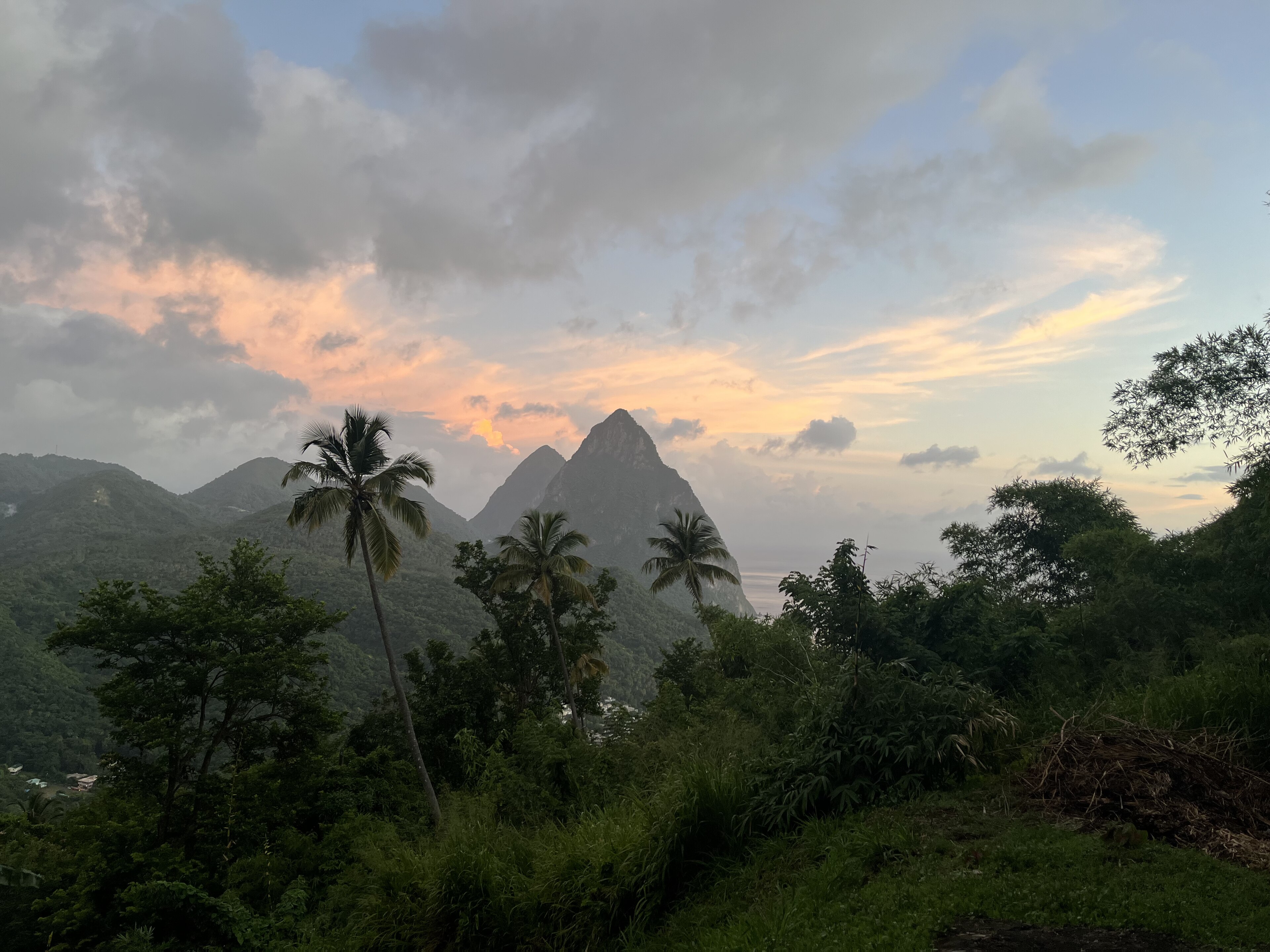
Soufriere to Canaries: the Pitons, volcanic springs, waterfalls, black sand coves and fishing villages.
Read the guide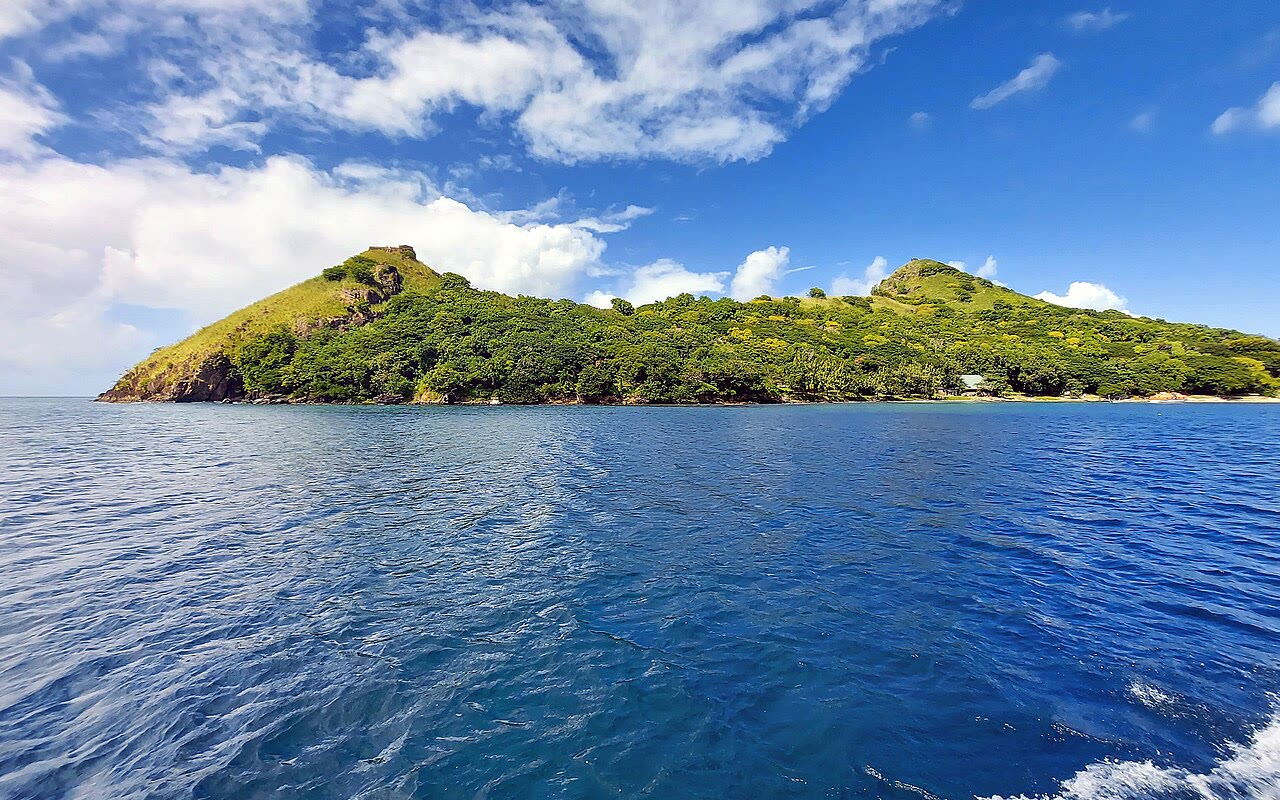
Offshore islands
Maria Islands, the Frigate Islands and Pigeon Island: wildlife reserves and history just off the coast.
Read the guide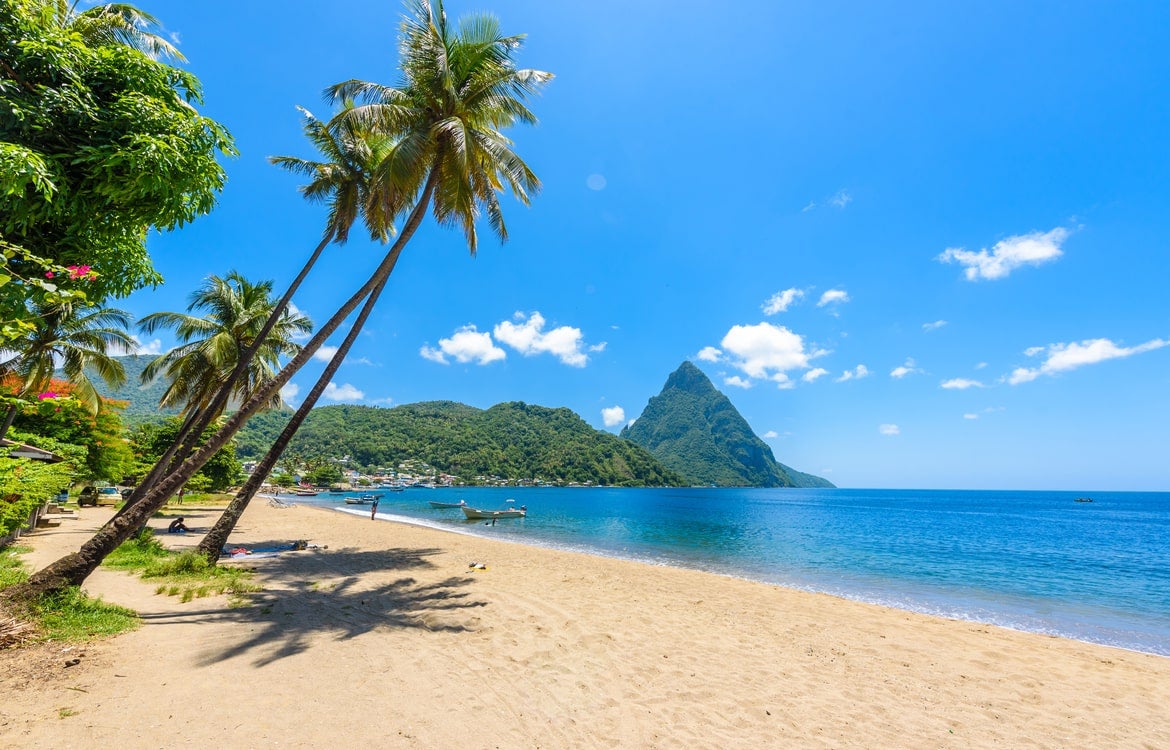
Choiseul
The craft capital of the southwest: pottery, baskets, Balenbouche Estate, quiet beaches and village life.
Read the guideAsk Lucy about Explore
Ask about places to stay, things to do, the weather or getting here.
Keep exploring Saint Lucia
Looking for the industry view? Visit St Lucia on VisitTravelGroup.com covers the destination for travellers and the tourism trade.
More from the Visit Travel Group network: VisitTravelGroup.com, Benidorm.co.uk, Anguilla.co.uk, TheRedSea.co.uk.