Explore Saint Lucia
Laborie: The Quiet South Coast
A fishing village on the south coast with a calm beach, a seaside park and a history that stretches back to the island's first people.
A south coast village with deep roots
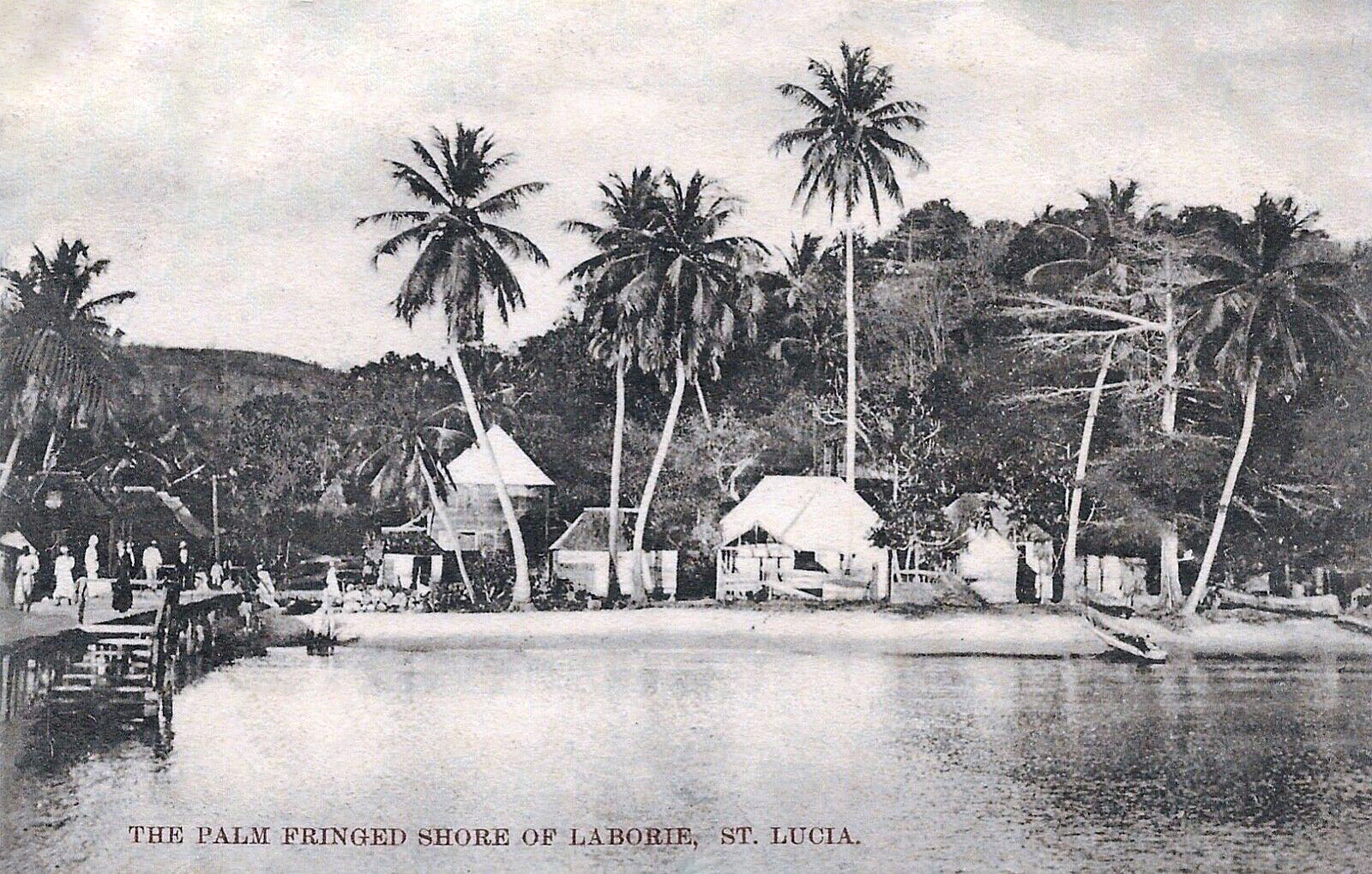
Laborie is a fishing village on the southern coast of Saint Lucia, set well away from the resort areas of the north and the Pitons. It was first known as Rade et Anse de l'Ilet à Caret, meaning Turtle Island Anchorage and Beach, and it took its present name in honour of the Baron de Laborie, who governed Saint Lucia from 1784 to 1789.
People lived here long before the French arrived. Archaeological finds and petroglyphs outside the village show that Amerindian communities settled the area, and the island itself was known to the Arawak as Iouanalao, the land of the iguanas. Later the district became a centre of the sugar industry, with plantations and estates on the surrounding land. Today about eight and a half thousand people live in the district, and farming and fishing remain the main livelihoods.
The beach and the seaside park
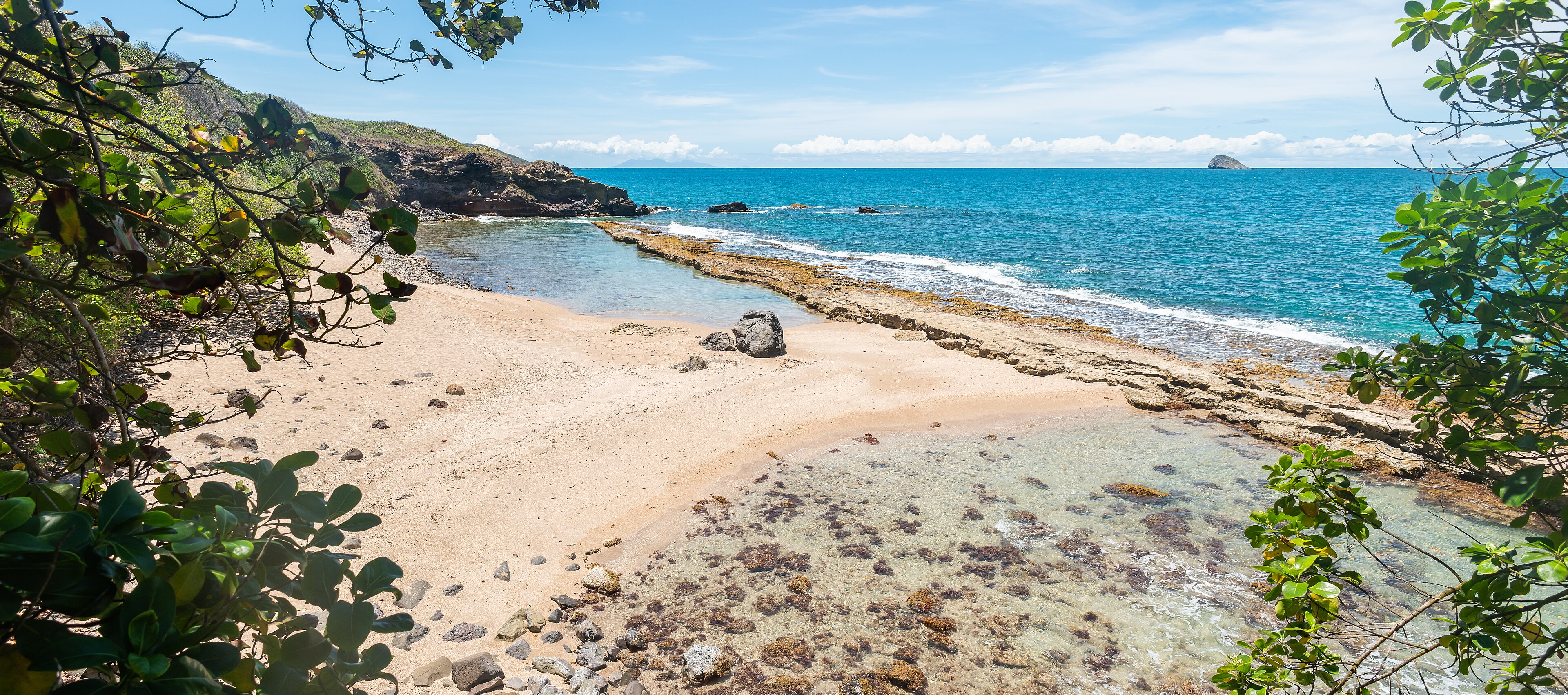
The beach next to the fishing village is calm and swimmable, with dark sand and a quiet outlook over the Caribbean Sea. It is a good place to see how life runs on this side of the island, with the fishing boats close by. A popular seaside park beside it gives open space, easy access to the water and a relaxed local atmosphere.
Shade can be limited on the open stretches, so bring a hat and an umbrella if you plan to stay for hours. There are no large resorts in the village, so facilities are simple. Bring water, sun protection and cash, and expect small shops rather than beach clubs. If you want sunloungers and a bar, the beaches of Rodney Bay and the resort coves on the west coast are better choices, but for peace and a real sense of place, Laborie is hard to beat.
Wild beaches along the coast
Along the south coast, a string of wilder beaches lies within a short drive. Balenbouche is known for its dark volcanic sand, with cliffs and thick vegetation behind it. Further east, near the southern tip, Anse L'Ivrogne is a remote volcanic beach with dramatic scenery and strong Atlantic views. Swimming at these beaches needs care because of currents and surf, so ask locally before you go in.
A hilltop viewpoint above the coast gives a panorama across the south shore and out to sea, and is one of the best places for photographs in this part of the island. The long open beach at Vieux Fort, with its steady winds, is the place to watch kitesurfers, and our guide to Vieux Fort explains the area around the main airport.
Getting to Laborie
Laborie is much closer to Hewanorra International Airport than to the resort areas of the north. Distances in the south run from about ten to forty-five minutes by road depending on where you start, so it works well as a first or last night after a long flight. Our getting here guide explains transfers, and the drive from Laborie to Soufrière takes you through banana plantations and rainforest.
Public minibuses link the village with Vieux Fort and Castries, but most visitors use a hotel transfer, a taxi or a hire car. Roads in the south are generally quieter than in the north, though potholes and sharp bends are common. Drive on the left, avoid driving after dark if you can, and keep an eye on fuel before you leave the main towns.
Staying nearby
Accommodation in and around Laborie is mostly small, with guesthouses, villas and a few boutique stays. Many travellers instead base themselves on the west coast and make a day trip to the south, combining the village with the Pitons and the beaches near Vieux Fort. If you want a resort with a view of the Pitons, our where to stay guide shows the options in the southwest, from Ladera on its ridge to Sugar Beach in the valley below.
If you plan to stay in the south, book a car or driver in advance, because spontaneous taxis are fewer here than in the north. The best time to visit guide explains when the sea is calmest on this coast.
A night in Laborie suits travellers who want to be far from the crowds and are happy with simple rooms, home cooking and an early start. Ask your host about fresh fish, which is usually landed in the morning, and book ahead during festival weeks, when rooms in the south are scarce.
A south coast day from the Pitons
Laborie works well as the middle of a day that begins in the southwest. Start early with a hike or a boat trip near the Pitons, described in our Pitons guide, then take the coast road south through Choiseul and on to Laborie in time for lunch. After a swim and a walk, continue to Vieux Fort for the long beach and the kitesurfers, and drive back or continue to the airport if your flight is that evening.
The south also has a place in the island's festival calendar. Part of the jazz festival, known as Jazz in the South, has used venues in Vieux Fort and at the Balenbouche Estate, which brings music to this quiet coast for a few evenings each year. Our festivals and events page explains the programme.
Making the most of a visit
A relaxed day might start with coffee and bread at a village bakery, then a swim and a walk along the shore, followed by lunch of grilled fish and rice at a simple roadside restaurant. In the afternoon, drive up to the viewpoint, and finish at one of the wild beaches for the light. Our food and rum guide lists the Creole dishes to look for.
If you would like help linking Laborie with the rest of an itinerary, send a note through the trip planning page.
What is a day in Laborie really like?
A day in Laborie, on Saint Lucia's south coast, means a swim at the calm village beach, a walk past the fishing boats, a simple lunch of grilled fish and a drive to wilder beaches, with few other visitors. Mornings begin early in the village. Bakeries open, fishermen bring in the catch and the seaside park fills with children and walkers. Join the rhythm with a coffee and a stroll along the shore, and let the day take its shape from the people and the weather. There is no timetable here, and that is exactly its charm. Bring a swimsuit, towel and cash, as there are few places to buy supplies once you leave the village centre.
The beach beside the village has dark sand, calm water and a quiet outlook over the Caribbean Sea. There are no large resorts, so facilities are simple, and the pleasure is in the lack of fuss. Bring a hat, water and cash, and sit under a tree. A beach bar on the shoreline serves drinks and local food with ocean views, as the beach bars and sunsets guide explains. The setting is as honest as it gets, with fishing boats close by, children paddling and neighbours chatting at the water's edge. Remember to protect yourself from the sun, since shade is limited, and ask a local about swimming conditions, which can vary with the season and the wind.
In the afternoon, drive along the coast to see how the scenery shifts. Cliffs, scrub and wild beaches appear, and the road passes farms and small settlements. Ask locally before swimming at wilder spots, since currents can be strong. Our black sand beaches guide describes the shores of the south, and the south Saint Lucia guide places Laborie in the region. Stop at a viewpoint for photographs, and take your time, because the light in the late afternoon is lovely and the roads are quiet. Check that your phone has signal for maps before you leave the village, and carry a printed note of your hotel details, in case plans change.
Why does Laborie have such an interesting history?
Laborie has an interesting history because people lived on this coast long before the French, because it was once a sugar district and because its name honours a French governor, the Baron de Laborie, who served from 1784 to 1789. The earlier name meant Turtle Island Anchorage and Beach, which hints at the sea turtles that once nested along the shore. Archaeological finds and petroglyphs outside the village show Amerindian settlement, and the island itself was known to the Arawak as the land of the iguanas. These layers of names and stories give the village a depth that few visitors realise. The mixture of Amerindian, French, African and British influences makes the district a good place to reflect on how the island came to be as it is today.
Later, sugar plantations spread across the district, and the story of that industry, and of the enslaved people who worked it, runs through the local landscape. Our guide to slavery and emancipation explains the history, and the first peoples and European contact guide tells the earlier story. Old estate buildings and mill ruins survive in places along the coast, and a local guide can show you the ones that are safe to visit, and explain what each one was used for. Please treat any ruins and memorials with respect, do not climb on old walls, and take your rubbish with you when you leave. Local guides can explain what each ruin was used for.
Farming and fishing remain the main livelihoods today, and the village keeps an unhurried, close-knit character. Visiting with respect, buying from local shops and asking before photographing people all help. The community tourism guide suggests ways to meet local people and spend your money where it helps. A little reading before you arrive, and a few questions to the people you meet, will turn a pleasant stop into something far more memorable, and the villagers are generally proud to talk about their home. Local shops sell fruit, bread and simple snacks, and buying a little each day is a kind and practical way to support the village economy. Greet people as you pass, and you will be greeted back.
Is Laborie a good base for a quiet stay in the south?
Laborie is a good base for a quiet stay if you want simple guesthouses, home cooking and few crowds, but it is a poor choice if you need nightlife, large resorts or easy taxis. The accommodation is small, usually guesthouses, villas and a few boutique stays, and spontaneous taxis are fewer than in the north, so book a car or driver in advance. Hewanorra International Airport is close, which makes the village useful at the start or end of a trip, and avoids a long transfer on the day of a flight in either direction. Pack insect repellent, a torch and a small first aid kit, since pharmacies are far from the village, and bring books or cards for the quiet evenings.
A two night stay lets you explore the south slowly. Add a visit to Vieux Fort for the kitesurfing beach, a day trip to the Pitons and a morning at a craft centre in Choiseul. Evenings are quiet, with dinners of fresh fish and the sound of the sea, and early nights are the rule. Bring a book, a torch and a sense of patience, and let the pace of the village set the rhythm of your days. The slow tempo is what many guests come for, and what they remember afterwards. Ask your host to recommend a fisherman or a cook, and consider paying for a home meal, which is often the highlight of a stay in the south.
Travellers who want a mix of quiet and comfort may prefer to stay on the west coast and visit Laborie for the day. The where to stay guide compares the resorts. Whichever you choose, the south rewards slow travel, and a morning spent over coffee watching the fishermen is often the part that visitors remember most. Check opening hours before you set out, because shops and restaurants keep their own timetables, and plan to buy supplies in a larger town if you need anything specific. If you do stay, book a car and driver for each day, and keep the evenings free, since the village is at its best when it is quiet.
A closer look at Laborie's heritage
Laborie is a good place to think about how ordinary communities fit into the island's larger history. Read about slavery and emancipation and French and British rule to see how the south was settled and worked.
The pages on agriculture, religion in Saint Lucia and people and demographics then show how those foundations still shape village life.
Where to stay and how to plan
Most visitors fit this into St Lucia holidays, so choose your base first. Compare hotels in St Lucia by area and style, and read our guides to luxury hotels in St Lucia and all inclusive resorts in St Lucia if you are choosing between a boutique stay and an all in package.
Then set your dates with the best time to visit St Lucia, book flights to St Lucia and pick days out from our St Lucia itineraries. Couples can also read about a honeymoon in St Lucia or weddings in St Lucia.
Questions travellers ask
Where is Laborie in Saint Lucia?
Laborie is a fishing village on the south coast, a short drive from Hewanorra International Airport and well away from the northern resort areas.
What is Laborie known for?
It is known for its calm beach beside a traditional fishing village, its seaside park, its sugar estate history and nearby Amerindian archaeology.
Can you swim at Laborie beach?
Yes. The beach beside the village is calm and swimmable. Wilder beaches along the coast have stronger currents, so take local advice before swimming.
How far is Laborie from Hewanorra airport?
The south coast is the closest part of the island to the airport, with most journeys taking between ten and forty-five minutes depending on the destination.
Where does the name Laborie come from?
It honours the Baron de Laborie, who governed Saint Lucia from 1784 to 1789. The earlier name meant Turtle Island Anchorage and Beach.
Are there hotels in Laborie?
There are small guesthouses and villas, but no large resorts. Most visitors stay on the west coast or in Vieux Fort and visit Laborie for the day.
Is Laborie good for a day trip?
Yes, particularly if you combine it with Vieux Fort, the Pitons and the wild south coast beaches. Arrange a driver or hire car in advance.
Do I need a car to visit the south?
A car or driver makes it much easier, because taxis are less frequent than in the north. Drive on the left and avoid driving at night.
Is Laborie worth visiting in Saint Lucia?
Yes, for a quiet beach, a real fishing village and a glimpse of everyday life. It works well as a half day from Vieux Fort or the Pitons.
Where can I eat in Laborie?
Simple restaurants and a beach bar serve grilled fish, rice and Creole dishes. Ask for the catch of the day, and bring cash. Cash is useful.
How long does it take to get to Laborie from the airport?
Laborie is on the south coast near Hewanorra International Airport, with most journeys taking between ten and forty-five minutes depending on the route. Check the road conditions.
Laborie on the map
Laborie is around 13.7520 degrees north, 60.9990 degrees west. Map data from OpenStreetMap contributors.
Ask Lucy about Laborie
Ask about places to stay, things to do, the weather or getting here.
Keep exploring Saint Lucia
Looking for the industry view? Visit St Lucia on VisitTravelGroup.com covers the destination for travellers and the tourism trade.
More from the Visit Travel Group network: VisitTravelGroup.com, Benidorm.co.uk, Anguilla.co.uk, TheRedSea.co.uk.