Experiences
Why Saint Lucia
Plenty of islands have a beach. Saint Lucia has a volcanic skyline, a living Creole culture and a landscape that changes every few miles.
A landscape with drama
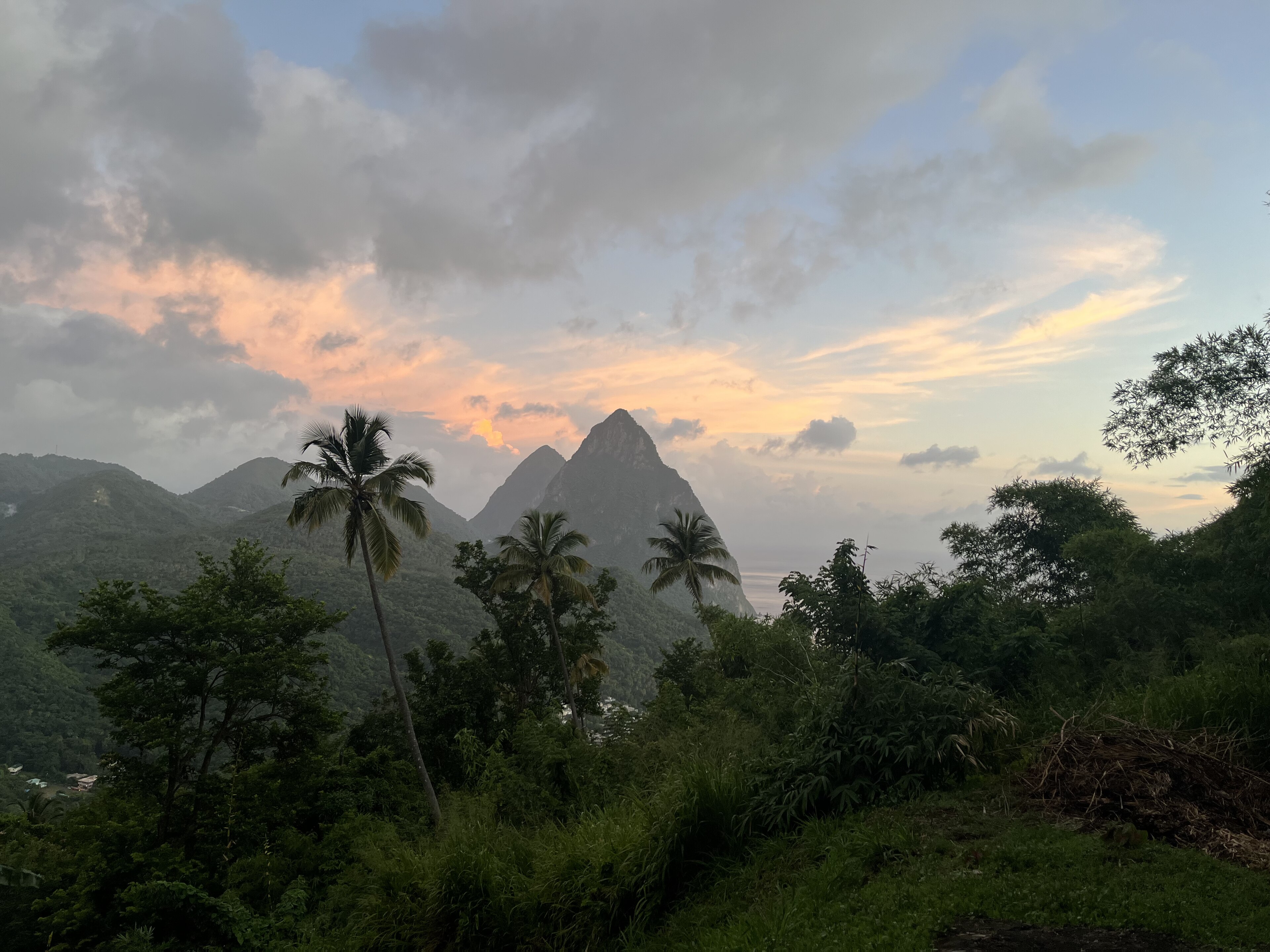
The first thing people notice is the shape of the land. The Pitons rise straight out of the sea, rainforest covers the central hills and volcanic springs steam in an ancient crater. Beaches range from busy golden sweeps in the north to quiet black-sand and rocky coves in the south and east. No two parts of the island feel the same.
Our Pitons guide explains the best-known landmark, and the explore section describes each region. Few islands of this size pack so much variety into a short drive.
Variety shows up in small ways too. One morning you might be in cool forest listening to parrots, and by afternoon you are floating in warm sea. The weather changes quickly, with passing showers that leave the hills steaming, and the light after rain is some of the best of the day.
Four parts, four moods
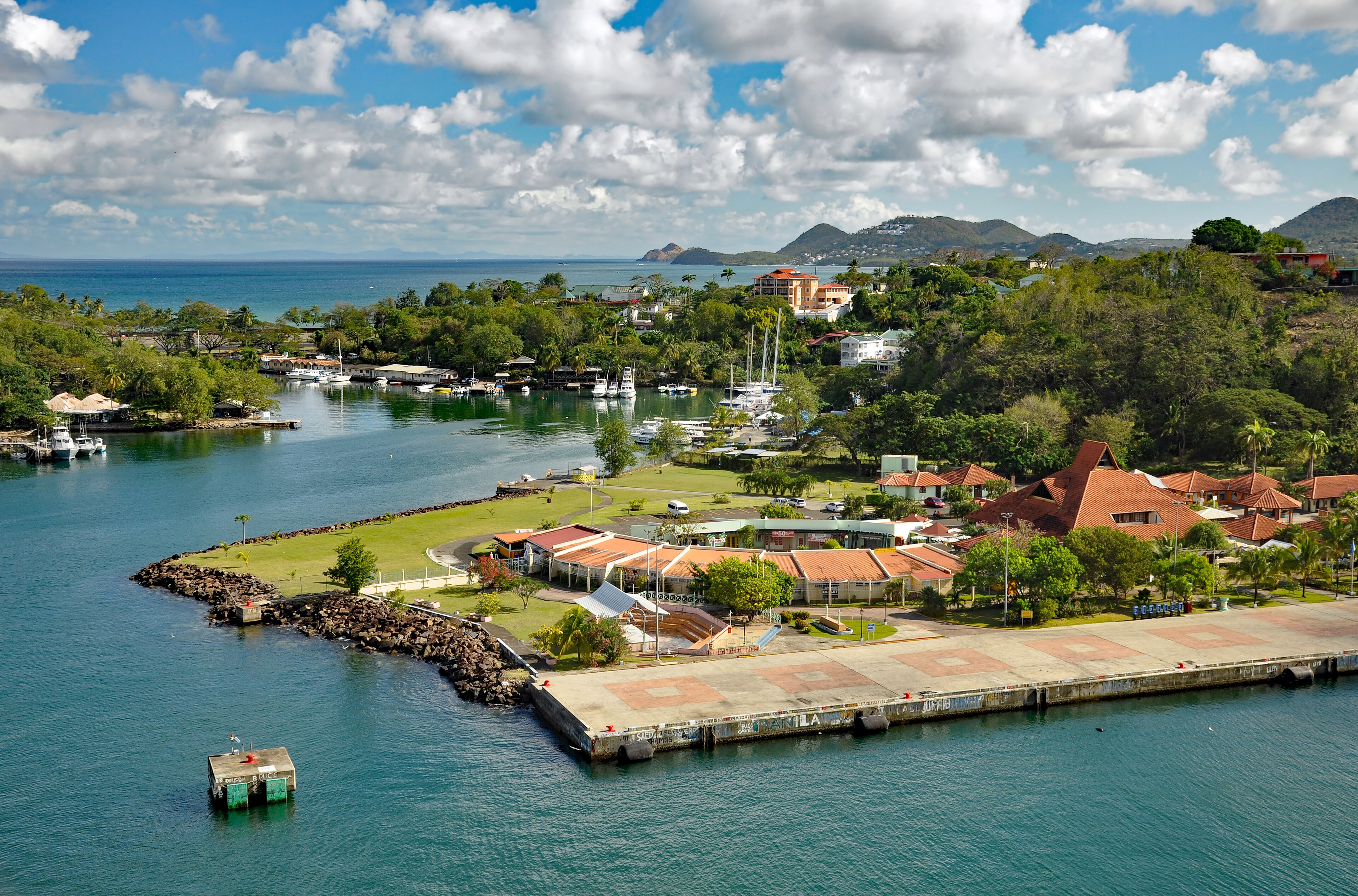
The north is lively, with marinas, restaurants, nightlife and easy beaches around Rodney Bay. The centre is green, full of protected parks, hills and hidden waterfalls. The south is wild and deeply authentic, with volcanic landscapes, trails and coastal cliffs around Soufrière. The west, where mountains meet the sea, holds quiet coves and the island's most iconic views.
Because the island is compact, you can sample several in a week. See our guide to how many days to plan time.
Culture you can feel
Saint Lucia's history is a mix of Indigenous, African, French and British influences, and its people hold a strong sense of identity. Kwéyòl, the Creole language, is widely spoken alongside English, which is the main language. The island has a pirate past, colonial forts and a calendar of festivals, which our guides to history and culture and festivals and events explain.
Music, dance and cricket are part of daily life, and a Friday night in Gros Islet or a fish fry at Anse La Raye puts you among locals rather than tourists.
The island is small enough for people to know one another, and visitors are usually met with warmth. Learn a few words of greeting, ask before photographing people and take time to chat. The best conversations often happen at a market stall, in a taxi or on a guided walk.
Food worth travelling for
The cooking draws on the sea and the farm. Expect fresh fish and langouste, pepperpots, bouyon and produce grown in volcanic soil, along with cocoa that becomes chocolate on estates near Soufrière. Dining ranges from street food to clifftop tables above the Pitons.
Start with our food and rum guide, then add a Creole cooking class or a street food evening to taste the island properly.
Rum has a place in the story too. Distilleries and bars across the island let you taste local spirits, and our guide to rum and local distilleries explains where to start. Pair a tasting with a meal and you have an afternoon that says more about the island than any brochure.
Wellness and romance
Volcanic mud, warm springs, open-air yoga and Creole spa rituals make the island a natural place to slow down. Read about spa rituals and mud baths and yoga and mindfulness if rest is on your list.
The island is also known as one of the Caribbean's most romantic destinations, with sunset sails, secluded beaches and clifftop resorts. Our honeymoon inspiration page collects the best ideas, and the weddings and honeymoons page covers ceremonies.
Getting started
If this is your first visit, begin with the essentials: how long to stay, when to travel and where to base yourself. Our is Saint Lucia worth it guide answers the big questions honestly, and getting here explains flights and airports. Most visitors find that a week gives a good taste, and ten days lets you see both north and south without rushing.
From there, pick a few things that matter most: perhaps the Pitons and the Sulphur Springs, a sunset sail, a cooking class and a quiet beach. Fill the gaps with free time. The island rewards unhurried days, and the people who enjoy it most tend to leave space for surprises. Whatever you choose, you will come home with a clear sense of why so many visitors return.
The sea, and who it suits
The Caribbean side is sheltered, so sailing, snorkelling and diving are easy, while the Atlantic coast brings wind for kitesurfing. See diving and snorkelling and sailing and boat trips. The island suits couples, families, active travellers and anyone who wants to combine beach time with nature and culture.
Practicalities are straightforward. English is the main language, the island has two airports and the sights are close enough for day trips from almost any base. Our safety guide gives honest advice about taking care, and the visa and entry guide covers paperwork. It may not suit everyone. If you want a long flat stretch of beach with nothing else around, or a nightlife scene that runs until dawn, other islands may fit better. The roads are winding and the terrain is steep, which can be tiring for some, and the climate brings passing showers. For most travellers those are small prices for a place that feels so alive.
What stays with people is rarely one single thing. It is the feel of warm mud, the smell of cocoa, the sound of the sea below a terrace and the friendliness of the person who served breakfast. Read the worth it guide if you want an honest view, and use the experiences hub to find ideas that match your own taste.
- Couples: sunsets, spas and secluded coves.
- Families: calm beaches and short adventures.
- Active travellers: Pitons, ziplines, reefs and trails.
Is Saint Lucia worth visiting for a UK holiday?
Yes, Saint Lucia is worth visiting from the UK for travellers who want dramatic scenery, beaches, rainforest, Creole culture and good food on one compact Caribbean island, with direct flights and English as the main language making it straightforward. It suits couples, families and active travellers, and it rewards those who explore beyond the resort. It is not the best choice for someone who wants a single flat beach with nothing else, or who dislikes winding roads and passing showers. Honest expectations lead to the happiest holidays in Saint Lucia.
Think about what you want from the trip. If you love scenery, the Pitons, the rainforest and the coast offer more variety than many bigger islands. If you want culture, markets, festivals and local people are easy to meet. If you want romance, resorts and sunset sails are among the Caribbean's best. Our is Saint Lucia worth it guide gives a frank assessment, and the iconic Saint Lucia itinerary shows how the highlights fit together in a short stay.
Practicalities support the case. Flights from the UK reach the island, the sights are close enough for day trips from most bases, and the island has a range of accommodation from boutique hotels to large resorts. Our getting here guide explains flights and airports, and the visa and entry guide covers paperwork. Costs vary, so compare options and ask for current prices. For many travellers, the combination of scenery, warmth and welcome makes the long flight worthwhile, and many return to the island again.
What is the difference between north and south Saint Lucia?
North Saint Lucia is livelier, with Rodney Bay, Gros Islet, a marina, restaurants, calm beaches and easier transport, while the south is wilder and quieter, with the Pitons, Soufrière, rainforest, cocoa estates and dramatic hillside resorts. Choose the north for convenience, nightlife and family-friendly beaches, and the south for scenery, romance and nature. The distance between them is not large on a map, but winding roads make the journey longer than expected. Most visitors enjoy both, either splitting their stay or taking day trips.
The north suits travellers who like to walk out of their hotel to a restaurant, a beach or a bar. It is also the base for boat trips, sunset cruises and Pigeon Island. Our Gros Islet guide and north Saint Lucia guide explain what to expect. The south suits those who want to wake to a view, hike a trail or visit a waterfall before breakfast. Our south Saint Lucia guide describes the region, and the Pitons guide covers the landmark that defines it.
Between them lies the centre and the west coast, where Castries, the Roseau Valley and Marigot Bay offer a mix of culture, farmland and sheltered coves. Our Marigot Bay guide describes a favourite of sailors, and the explore section introduces every region. Think about how you want to spend your days, rather than where the map looks best. A split stay with a few nights in each region gives the richest view of the island, and a driver or organised transfer makes the journey part of the holiday.
What is the best time to visit Saint Lucia?
The best time to visit Saint Lucia is the dry season from December to May, when days are sunniest and seas calmest, though November and early December offer a good balance of weather and fewer crowds, and the wetter months bring lower prices and greener scenery. Showers are usually brief and warm, and many visitors enjoy the quieter atmosphere. The Atlantic hurricane season runs through the wetter months, so choose flexible bookings and good insurance. Your priorities, whether weather, price, festivals or quiet, decide the best time for you.
Events shape the calendar. Carnival, the Jazz and Arts Festival and Jounen Kwéyòl bring music, colour and crowds, and visitors who time a trip for them see the island at its liveliest. Our festivals and events guide explains when they happen and what to expect. Book accommodation and flights early for these periods. If you prefer quiet beaches and relaxed restaurants, aim for shoulder weeks outside the main events, and you will find room to breathe and time to talk to the people you meet.
Plan with the seasons in mind. Pack for sun and showers, book outdoor activities early in the day and keep a few indoor options for wet afternoons. Our best time to visit guide explains the pattern month by month, and the climate and hurricanes guide gives a careful explanation of risks. Whatever the month, the island's warmth, hospitality and scenery remain constant, and travellers who adapt their plans to the weather usually have a better time than those who fight it.
Going deeper into what makes the island distinct
If this page has persuaded you, the About section adds depth. The history of Saint Lucia and geography explain how the island came to look and feel as it does.
For the people behind its reputation, see notable Saint Lucians and literature and Nobel laureates, and for everyday life, culture and traditions.
Turning this into a St Lucia holiday
Most visitors fit this into St Lucia holidays, so choose your base first. Compare hotels in St Lucia by area and style, and read our guides to luxury hotels in St Lucia and all inclusive resorts in St Lucia if you are choosing between a boutique stay and an all in package.
Then set your dates with the best time to visit St Lucia, book flights to St Lucia and pick days out from our St Lucia itineraries. Couples can also read about a honeymoon in St Lucia or weddings in St Lucia.
Questions travellers ask
What makes Saint Lucia different from other Caribbean islands?
Its volcanic Pitons, rainforest, geothermal springs and strong Creole culture sit within a small, easily explored island.
What language do people speak?
English is the main language, and Kwéyòl, a French-based Creole, is widely spoken too.
Is it good for couples?
Yes. Saint Lucia is known as one of the Caribbean's most romantic islands, with sunset sails, secluded beaches and clifftop resorts.
Is it suitable for families?
Yes. Calm west coast beaches, short nature outings and family resorts make it easy with children.
What food should I try?
Try fresh fish, langouste, pepperpot, bouyon and local chocolate, plus street food at the weekly fish fries.
How many parts does the island have?
Think of four: a lively north, a green centre, a wild south and a scenic west coast.
What can I do for wellness?
Try yoga, mud baths at Sulphur Springs, Creole spa rituals and wellness retreats set in rainforest.
Where should I start planning?
Begin with the plan your trip section, then choose a region and a few experiences that fit your interests.
How long is the flight from the UK to Saint Lucia?
Direct flights from the UK are a long-haul journey, usually landing at Hewanorra International Airport in the south. Check current schedules with airlines, as routes and timings change by season.
Is Saint Lucia expensive compared with other Caribbean islands?
Costs vary by resort and season. Luxury resorts are pricey, but guesthouses, local restaurants and street food offer lower-cost options, so compare current rates for your dates.
Do I need a visa to visit Saint Lucia from the UK?
Entry rules change, so check current requirements and your passport validity before you travel. Our visa and entry guide explains what UK visitors should confirm before booking.
Saint Lucia on the map
Saint Lucia lies in the Windward Islands of the eastern Caribbean, around 13.8830 degrees north, 60.9670 degrees west. Map data from OpenStreetMap contributors.
Ask Lucy about Why Saint Lucia
Ask about places to stay, things to do, the weather or getting here.
Keep exploring Saint Lucia
Looking for the industry view? Visit St Lucia on VisitTravelGroup.com covers the destination for travellers and the tourism trade.
More from the Visit Travel Group network: VisitTravelGroup.com, Benidorm.co.uk, Anguilla.co.uk, TheRedSea.co.uk.