Things to do
Climbing Gros Piton: The Complete Guide
The climb of Gros Piton is the island's best-known hike: four kilometres, a lot of effort and a view over the whole coastline.
The climb in numbers
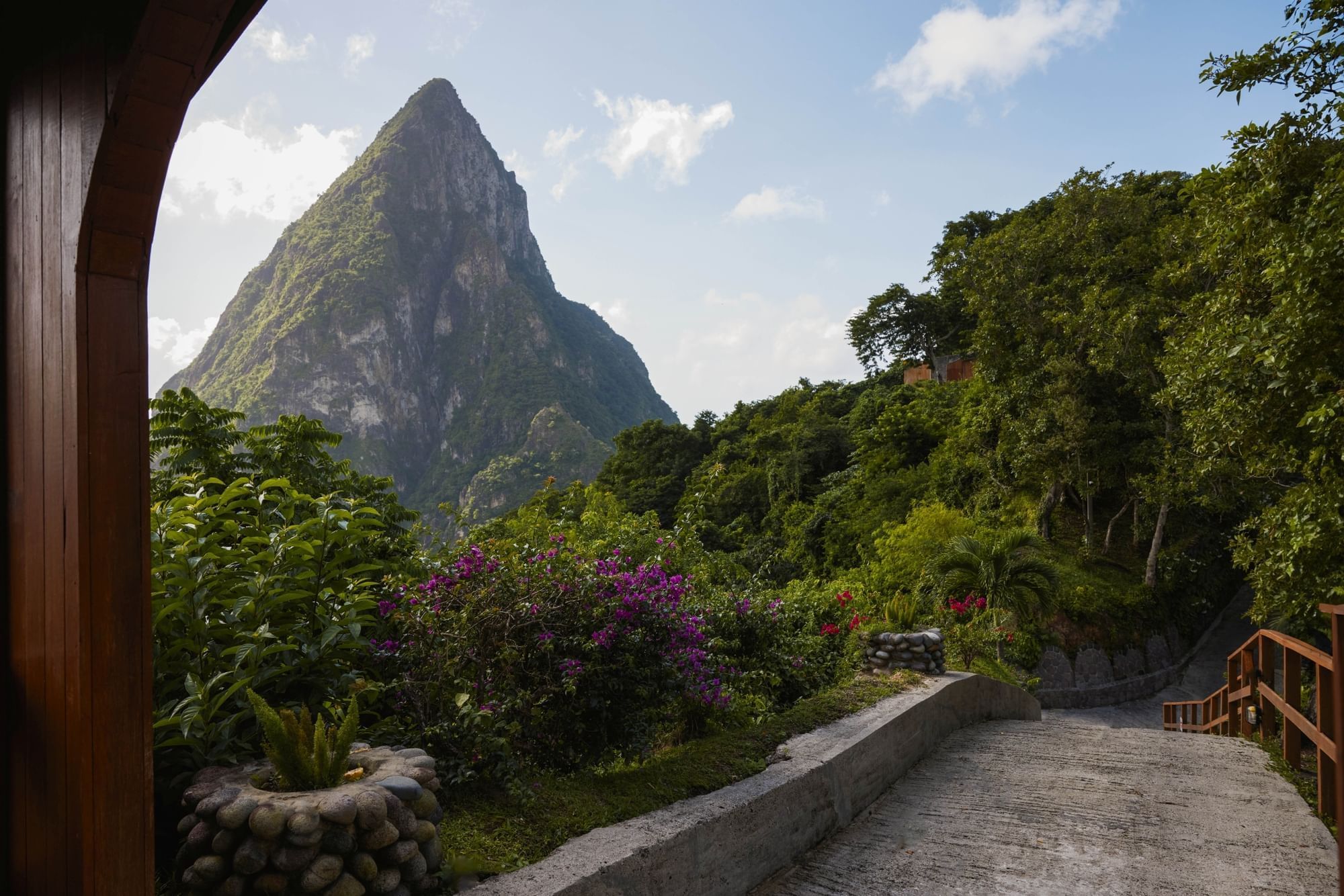
Gros Piton is 798 metres, or 2,619 feet, tall, and the trail covers about four kilometres there and back through forest and volcanic terrain. Most people take between four and six hours at a steady pace with rests, and the effort is rated moderate to challenging. It is the more accessible of the two peaks, but accessible does not mean easy: expect steep, rocky sections and humid air.
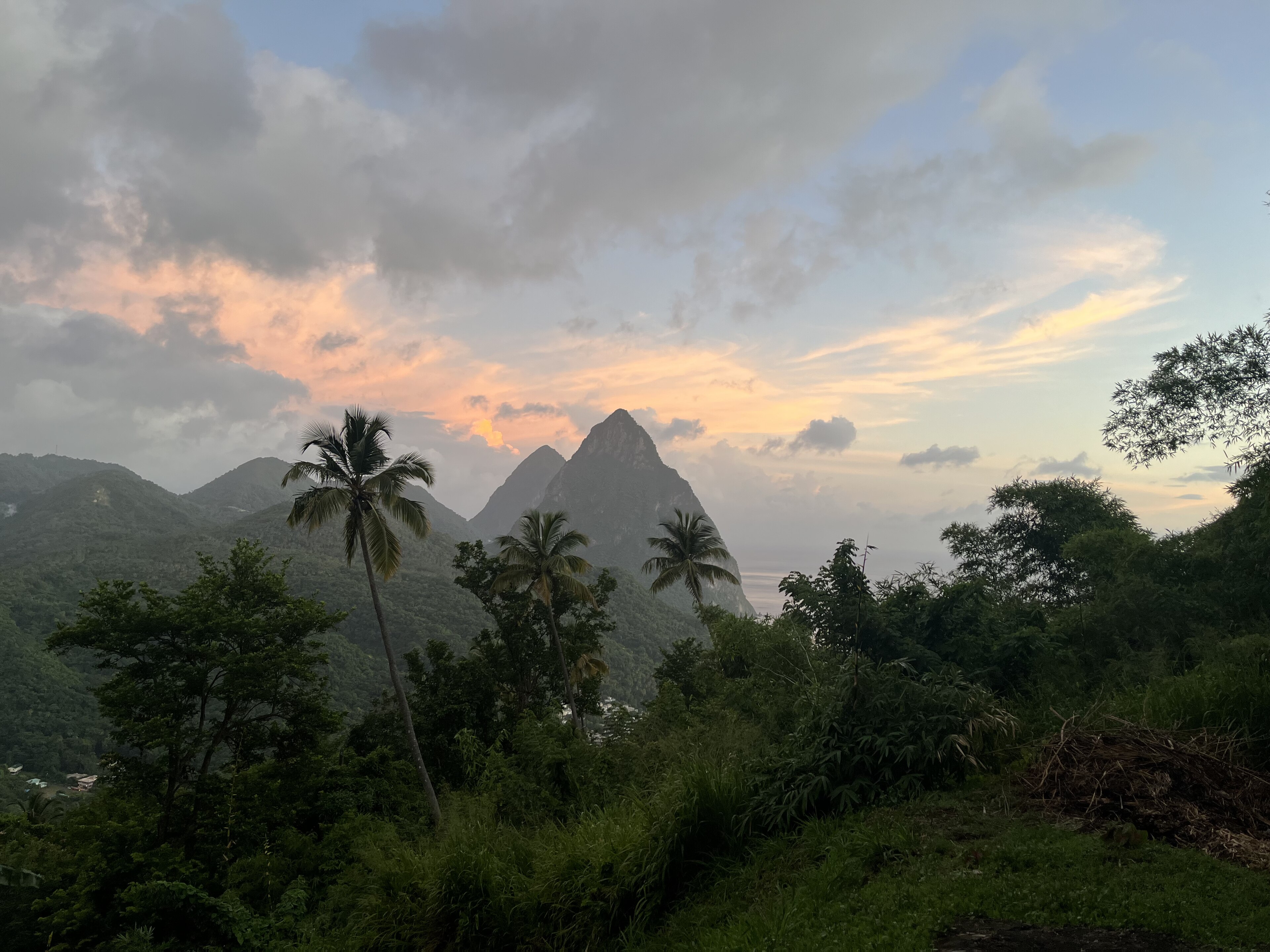
The setting is part of a protected landscape. The Pitons Management Area is recognised by UNESCO, and our general guide to the Pitons explains why. This page focuses on the climb itself.
Guides are required
A certified local guide is required on the Gros Piton trail. They make the steep and rocky sections safer, read the weather, set a sustainable pace and tell you about the forest. Booking is through the local site arrangements near Soufrière, and the fees support local people and trail upkeep. Do not attempt to go alone or skip the guide.
What the ascent feels like
You follow a path shaped by centuries of volcanic activity. The forest is dense and cool at first, then it thins into open ridgelines, and with each stretch of height the island opens out below. By the summit there is an uninterrupted panorama of sea, sky and coastline. It rewards patience more than speed, and guides will happily stop for a breather or a photograph.
Cloud can cover the top, so treat the view as a bonus rather than a guarantee. The descent is where legs tire and feet slip, so keep concentration all the way down.
What to carry
The climb is strenuous and the ground is rocky and sometimes wet. Pack for a long morning on the mountain.
- Hiking boots with strong grip.
- Lightweight, breathable clothing and a rain jacket.
- At least two litres of water per person, plus energy snacks.
- Insect repellent, sun cream and a small rucksack.
- A walking stick, helpful on muddy sections.
How Petit Piton compares
Petit Piton stands at 743 metres, or 2,438 feet, and is lower but much steeper. The round trip is about 3.2 kilometres and takes three to five hours. It involves a rigorous scramble up near-vertical rock using fixed ropes, with exposed sections and a mandatory professional guide. It is not for beginners and rewards those who love intensity, with a dramatic drop-down view of the coast.
If you want to experience both, plus the island's highest summit, see the Three Peaks Challenge and the Mount Gimie guide.
Planning your day
Start early, ideally at first light, when the air is cooler and the views clearer. If you hope to watch the sunset over the peaks afterwards, finish the climb with plenty of time; the sunset is better enjoyed after the descent than during it. Good viewpoints include the Tet Paul Nature Trail, Sugar Beach and the terrace at Ladera. You can also see the peaks from the sea with a catamaran cruise.
Afterwards, soothe your legs at the Sulphur Springs or with a swim, and see the waterfalls and gardens for a gentler outing. For the right season, check the best time to visit guide.
What is the Gros Piton trail like step by step?
The Gros Piton trail starts at Fond Gens Libre at the base of the mountain, about halfway between Soufrière and Choiseul, and climbs steadily from a gentle beginning through four forest zones to a steep final section over loose rock and a summit with sea views. Most people need three to six hours in total, with guides setting a pace that you can sustain. Footwear is the single most important choice you make. Boots or trail shoes with a firm sole and good grip will protect your feet from loose stones, and gloves can help on rough rock. Trekking poles are useful on the descent, when tired legs are most likely to slip.
The forest changes as you rise. You begin in dry coastal woodland and move through thicker, damper forest into stunted, cloud-covered woodland near the top. Views of Petit Piton open out around the halfway point, which makes a good moment to rest and drink water. The ground is loose rock in places, so grippy boots and a steady rhythm matter more than speed, and the descent tests knees and concentration. Pace yourself from the start. A guide will encourage a steady rhythm, with short stops for water, and most people find that this approach is far more comfortable than rushing early on. The cloud forest near the top is cooler and damp, so carry a light layer even on a hot day.
A guide keeps you safe and also brings the trail to life, pointing out plants and birds and reading the weather. The middle zone of the forest is where birdwatchers look for the Saint Lucia wren, so a good guide may pause for a sighting. If birds interest you, our birdwatching guide describes the island's endemic species. Take twice as much water as you think you need, and tell your hotel when you expect to return. Allow time at the summit to rest, eat and take in the view, but do not linger so long that your muscles stiffen. The descent can take almost as long as the ascent, and wet rock requires care. Plan to finish well before dark.
Is the Gros Piton hike suitable for beginners and families?
The Gros Piton hike is suitable for reasonably fit adults and teenagers who are comfortable with a long, steep, humid climb, but it is not an easy walk, and it is not recommended for young children or anyone with limited mobility. Treat it as a serious half-day outing and prepare accordingly, with sturdy footwear, snacks and sun protection. Honesty about fitness is important. If you do regular exercise and walk uphill comfortably, you will probably manage the climb well. If you rarely walk far, consider building up with shorter hikes first. A guide can adjust the pace, but they cannot carry you, so prepare sensibly.
If you are unsure, try a gentler walk first, such as a garden trail or the Tet Paul Nature Trail, which gives views of the Pitons with far less effort. Our botanical gardens and nature parks guide lists easier green outings, and the hiking and rainforest guide compares trails by difficulty. Experienced climbers who want more can look at the Three Peaks Challenge. Teenagers who are fit and keen often love the challenge, and it can be a rewarding family achievement. Younger children, however, may struggle with the length and steepness, and carrying a child on rough ground is risky. Ask the guides for their advice and respect their judgement.
Start early. The cool of first light makes the climb pleasanter, and clearer skies reward you at the top, though cloud can cover the summit at any time. Avoid the hike straight after heavy rain, when the trail is slippery, and check the weather with your guide. Our best time to visit guide explains the drier months, which are generally easier on the legs and the nerves. The Tet Paul Nature Trail is a good rehearsal for those who want to test the water. It is a guided walk with views of the Pitons and the Caribbean, and introduces local plants and traditional farming along the way. It is easier on the legs and gives a taste of what the larger hike will offer.
What should you do after climbing Gros Piton?
After climbing Gros Piton, rest, rehydrate and soothe your legs, with a soak at the Sulphur Springs, a swim in the sea or a long lunch in Soufrière all making satisfying rewards. Plan a gentle afternoon, because tired legs and winding roads do not mix well with a packed schedule, and avoid booking a demanding activity the same day. The weather is the great variable. Rain makes the rock slick and the clouds can hide the view, so a flexible schedule helps. If you have several days in the area, plan the hike for the one with the best forecast, and keep an easier activity ready as an alternative.
The Sulphur Springs are only a short drive away, and the warm, mineral-rich water suits aching muscles, as described in our Sulphur Springs guide. A swim at a nearby beach is another good option. Staying at Sugar Beach or Ladera puts the mountain in view from your terrace, which is a satisfying way to look back on the climb. Staying nearby simplifies the logistics. From a resort in the Soufrière area you can leave early, return for lunch and spend the afternoon resting or swimming. If you are staying further north, allow time for the drive and consider a night in the south to avoid a very early start.
For a different view of the peaks, book a boat trip, or read about the twin summits in our Pitons guide. Photographers will enjoy the evening light on the cliffs, and hikers often return the next day for a lazy morning. A hike like this makes a fine centrepiece for holidays in Saint Lucia built around nature. As you plan, think of the climb as one part of a rich few days. Nature, culture, food and the sea all sit within a short distance of each other in this corner of the island, and the combination is what makes it so memorable. Our things to do guide has more ideas.
The mountain you are climbing
Gros Piton is a volcanic remnant, and the geology and volcanoes guide explains how it formed. The rainforest and plant life page describes the forest on the slopes.
The wider area is protected, as conservation and protected areas explains, and wildlife and ecology introduces what lives there. The Pitons also appear in national symbols and holidays.
Where to stay and how to plan
Most visitors fit this into holidays to St Lucia, so choose your base first. Compare St Lucia hotels by area and style, and read our guides to luxury hotels in St Lucia and all inclusive resorts in St Lucia if you are choosing between a boutique stay and an all in package.
Then set your dates with the best time to visit St Lucia, book flights to St Lucia and pick days out from our St Lucia itineraries. Couples can also read about a honeymoon in St Lucia or weddings in St Lucia.
Questions travellers ask
How tall is Gros Piton?
It stands 798 metres, or 2,619 feet, above the sea, making it the taller of the two Pitons.
How long does the climb take?
Most people need four to six hours for the four kilometre round trip, including breaks.
Do I need a guide?
Yes. A certified local guide is required for the Gros Piton trail, for safety and to support local people.
How hard is it?
It is moderate to challenging, with steep, rocky and humid sections. Reasonable fitness and good footwear are essential.
Can beginners climb Petit Piton?
No. Petit Piton is a steep scramble with ropes and exposed sections, and is for experienced climbers with a professional guide.
What should I bring?
Boots with grip, a rain jacket, two litres of water, snacks, repellent, sun cream and a small rucksack.
When should I start?
Early morning is best, for cooler air and clearer views. Allow time to finish well before dark.
Can I see the Pitons without climbing?
Yes. The Tet Paul Nature Trail, beaches near Soufrière and boat trips all give excellent views of both peaks.
How long does it take to hike Gros Piton?
Most people need three to six hours depending on fitness and conditions. The trail starts at Fond Gens Libre and climbs through four forest zones, so allow time for rests and the descent.
Is the Gros Piton hike dangerous?
It is demanding rather than dangerous with a guide. The ground is loose rock and can be slippery after rain, so wear boots with grip, carry water and follow your guide's instructions.
Where does the Gros Piton trail start?
It starts at Fond Gens Libre at the base of the mountain, on the west coast roughly halfway between Soufrière and Choiseul. Arrange your guide in advance and arrive early.
Gros Piton on the map
Gros Piton is at 13.8101 degrees north, 61.0657 degrees west. Map data from OpenStreetMap contributors.
Ask Lucy about Gros Piton hike
Ask about places to stay, things to do, the weather or getting here.
Keep exploring Saint Lucia
Looking for the industry view? Visit St Lucia on VisitTravelGroup.com covers the destination for travellers and the tourism trade.
More from the Visit Travel Group network: VisitTravelGroup.com, Benidorm.co.uk, Anguilla.co.uk, TheRedSea.co.uk.