About Saint Lucia
Rainforest and Plant Life in Saint Lucia: Forest Zones, Trees, Flowers and Gardens
Few Caribbean islands pack as much botanical variety into so small a space, from dry cactus scrub on the coast to mossy elfin woodland on the highest ridges.
How rainfall shapes the forest
Saint Lucia's plants follow the rain. Moist air from the Atlantic hits the central mountains and rises, cooling and dropping rain, and so the high interior gets far more than the coast. The coastal north and parts of the leeward shore can be quite dry, while the mountains are wet through much of the year. This gradient is the key to understanding the vegetation, and it can be experienced in a single day's journey.
Soils matter too. The island's volcanic origins mean rich, free-draining ground that supports vigorous growth, and the heat and humidity encourage rapid decay of fallen leaves, so nutrients are recycled quickly. Steep slopes and heavy storms also cause landslips, which open gaps where new plants colonise. The island's climate and hurricanes page explains seasons and storm risk, both of which strongly affect the forest.
The forest zones
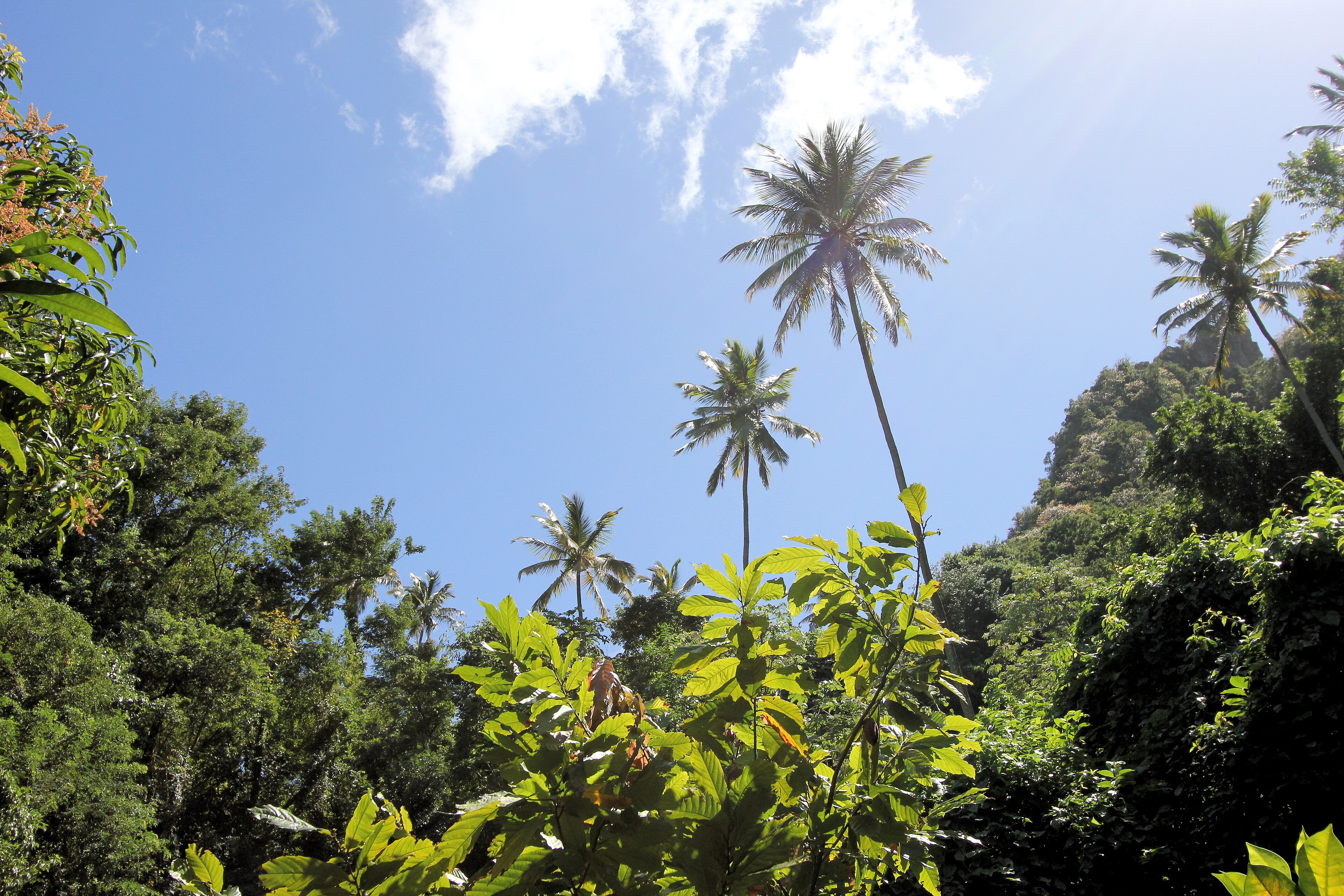
Most botanists describe three main zones. Dry forest and scrub cover the coast and low hills, where cactus, acacia and drought-tolerant trees shed leaves in the dry season. Above them lies moist, seasonal forest, and higher still the true rainforest, where trees reach thirty metres or more and are loaded with epiphytes, vines and ferns. The very highest ridges, battered by wind and cloud, carry stunted elfin woodland, with twisted, moss-draped trees that stay short because of constant wind and wet.
Each zone has its own birds, insects and plants. The rainforest holds the island's parrots and most of its endemic species, the dry forest is home to the Saint Lucia wren and many reptiles, and the cloud-forest ridges hold unusual mosses and orchids. Walking from the coast up into the hills shows the transitions clearly.
You can sample all three on the island's rainforest hiking trails and the nature and rainforest itinerary, and our overview of wildlife and ecology explains how the animals use each zone.
- Dry forest and scrub: coast, low hills, drought-adapted trees and cacti.
- Moist seasonal forest: the middle slopes.
- Rainforest: high rainfall, tall trees, ferns and epiphytes.
- Elfin woodland: windswept, cloud-covered ridges with stunted, mossy trees.
Edmund Forest Reserve and Mount Gimie
The Edmund Forest Reserve lies in the mountainous west and is managed by the Forestry Department. It protects a large stretch of rainforest that is rich in tree ferns, bromeliads, orchids and birdlife, and it is one of the places where the Saint Lucia parrot still lives. Access is controlled, and visitors are expected to go with a ranger or guide. Forest tracks here can be steep, muddy and slippery, so proper footwear is vital.
Mount Gimie is the highest point on the island, at about 950 metres. It rises from rainforest and carries cloud forest near the summit, and the climb is demanding enough that most people go with an experienced guide. The reward is a sense of true wilderness and a good chance of hearing forest birds. Our Mount Gimie hikes guide and the Three Peaks Challenge guide explain the routes.
These areas are not casual strolls. Heavy rain can turn a trail into a stream within minutes, and cloud can reduce visibility quickly. Go early, carry water, tell someone your plans, and follow your guide's instructions.
Bromeliads, heliconias, orchids and ferns
The forest is full of plants that grow on other plants. Bromeliads cling to branches and trap rainwater in their central cups, creating tiny pools used by frogs and insects. Orchids and ferns festoon trunks and branches, and mosses cover almost everything at higher altitudes. Tree ferns, which look like miniature palm trees, line many forest trails and give the woodland a prehistoric feel.
Heliconias, often called lobster claws, are among the most striking flowers. Their bold red, orange and yellow bracts rise on tall stems from damp ground and attract hummingbirds. Alongside them grow gingers, including the red torch ginger, as well as anthuriums and wild bananas. You will also see these plants in hotel gardens and roadside verges, where they have been planted for colour.
Many of these species are endemic to the Caribbean, and some to the Lesser Antilles. Their roots, blooms and fruit support hummingbirds, bats, butterflies and insects, which in turn pollinate and spread seed. Our guide to botanical gardens and nature parks shows where to see them up close without a long walk.
Native trees: gommier, mahogany and more
The gommier is the great tree of Saint Lucia's rainforest. A tall, straight tree with a resinous bark, it gave early islanders a source of incense and torches, and its trunks were hollowed out to make dugout canoes. The parrot feeds in its canopy, which is one reason forest managers prize old gommiers. Other forest trees include chataignier and a range of palms.
Mahogany, by contrast, is mostly a planted tree here. It was introduced for timber and forest restoration, and stands of mahogany now cover parts of the hills. Planted forests of this kind are less rich in wildlife than natural forest, but they have helped to cover bare slopes and reduce erosion.
Trees also tell the story of land use. Old plantations left behind mango, breadfruit and coconut trees, and forest edges may hide the remains of estates. Ask a guide to point out the difference, which is a lesson in how the island's history still shapes the landscape.
Fruit trees, banana and coconut landscapes
Much of the lowland landscape is farmed. Banana plantations, once the backbone of the economy, still cover many valleys, and rows of glossy green leaves line the roads of the Cul de Sac and Roseau valleys. Coconut palms fringe the coast, and mango, breadfruit, soursop, avocado, papaya, golden apple and citrus trees grow in backyards and farms across the island.
Cocoa is another crop with deep roots, and a few estates still grow, process and sell it. Our cocoa and chocolate guide shows how beans become bars. The history of farming is discussed in agriculture and bananas, and you can taste the harvest at farm to table tastings.
These agricultural landscapes are not natural, but they are valuable. Hedgerows, shade trees and mixed gardens give shelter to birds and insects, and farmers who avoid heavy chemicals help wildlife. When you buy fruit from a roadside stall you are supporting this working landscape.
Medicinal plants and traditional uses
Saint Lucians have long used plants as medicine, flavouring and household tools. Bush teas are brewed from leaves such as lemongrass, soursop and vervain, and many families keep a small herb garden. Aloe soothes sunburn, ginger settles a stomach, and turmeric, bay leaf and herbs from the garden flavour cooking. Knowledge of which plant treats which ailment is passed down through families and elders.
These traditions deserve respect and some caution. Plant remedies are not tested like modern medicines, they can interact with prescribed drugs, and some are poisonous in the wrong dose. If you are curious, meet a healer or guide on a walk and treat what you hear as culture, not medical advice. Our guide to local plants and traditional uses explains more.
Gardens, flowers and where to see them
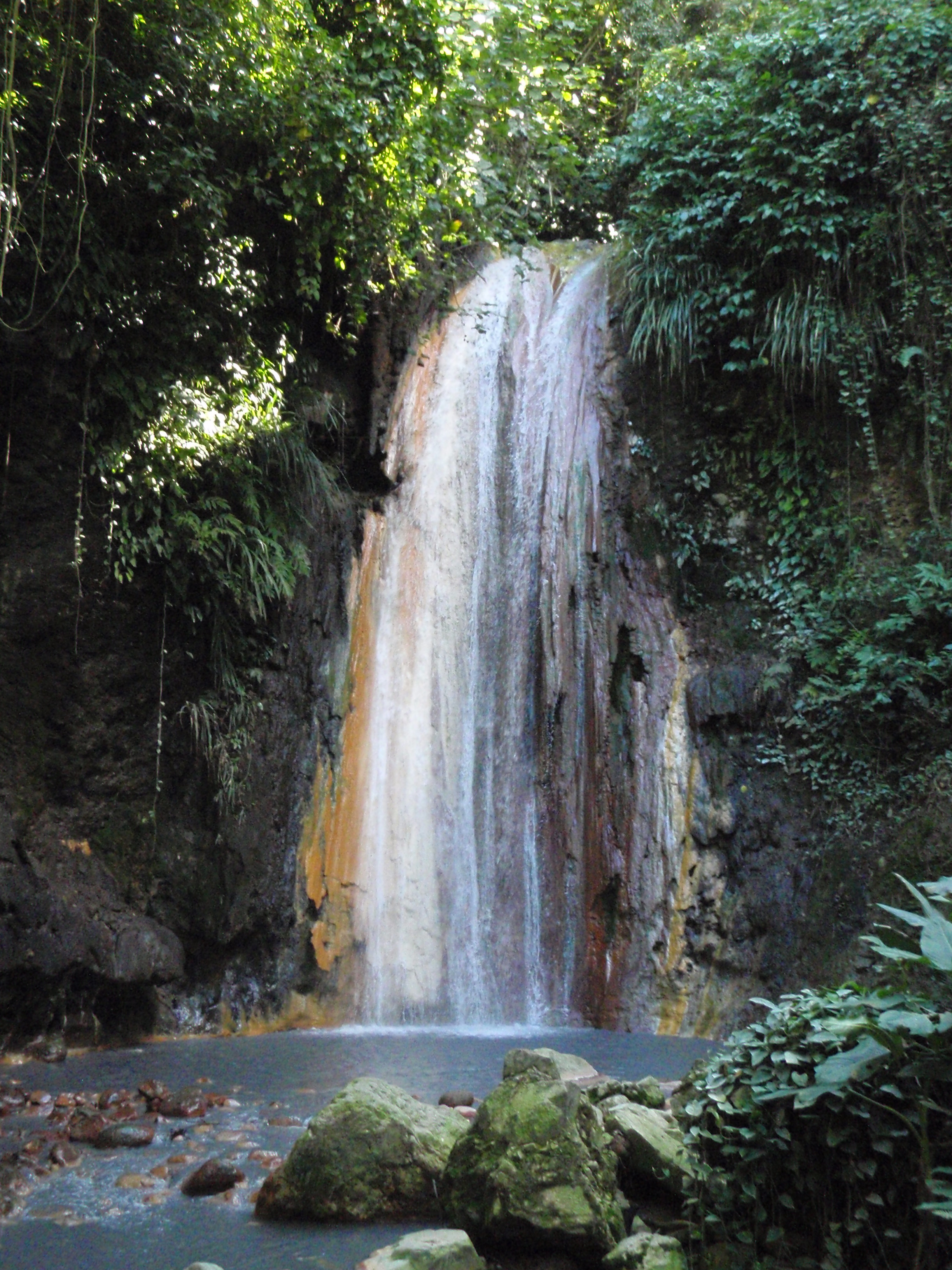
If you prefer your plants in tended beds, the island offers botanical gardens, plantation gardens and nature parks with labelled trees, orchids and flowering shrubs. The Soufrière area is especially rich, with gardens fed by mineral springs and waterfalls. Our guide to waterfalls and gardens describes the best known, and the Soufrière guide explains how to combine them with the Pitons and the volcano.
Hibiscus, bougainvillea, frangipani, bird of paradise, ixora and flamboyant trees add colour all year, with the flamboyant blooming brightly in the warmer months. Many hotels show off their gardens as a feature, and some offer guided garden walks. Respect cultivated plants by taking photographs rather than cuttings.
Questions travellers ask
What is the highest point in Saint Lucia?
Mount Gimie is the highest point, at about 950 metres. It is covered in rainforest and cloud forest and is best climbed with an experienced local guide.
Does Saint Lucia have a real rainforest?
Yes. The wet interior hills support tall tropical rainforest with tree ferns, bromeliads and orchids, and the higher ridges carry cloud forest. The Edmund Forest Reserve protects a large area.
What is the gommier tree?
The gommier is a large rainforest tree with resinous bark, traditionally used to make dugout canoes and incense. Parrots feed in its canopy, which makes old trees valuable for wildlife.
Is mahogany native to Saint Lucia?
Mostly no. Mahogany was introduced for timber and to cover bare hillsides, so most stands you see are planted, not part of the original natural forest.
Can I hike in the rainforest without a guide?
Some trails are easy to follow, but the Edmund Forest Reserve, Mount Gimie and other remote routes are best done with a guide, since paths are steep and conditions change quickly.
What flowers can I see in Saint Lucia?
Heliconias, torch ginger, anthuriums, orchids, hibiscus, bougainvillea and bird of paradise are common. Hotel gardens and botanical gardens are the easiest places to see them.
Which fruit grows on the island?
Bananas, coconuts, mangoes, breadfruit, soursop, papaya, avocado, golden apple and citrus all grow. Roadside stalls and local markets sell fresh fruit through the year.
Are traditional bush remedies safe?
They are part of local culture, but they are not tested like modern medicines and can interact with other treatments. Take advice from a qualified professional before trying them.
What should I wear on a rainforest hike?
Wear sturdy shoes with good grip, quick-drying clothes and a light rain jacket, and carry water and insect repellent. Our packing guide has a fuller kit list.
Mount Gimie on the map
Mount Gimie is at 13.8635 degrees north, 61.0111 degrees west. Map data from OpenStreetMap contributors.
Ask Lucy about Rainforest and plant life
Ask about places to stay, things to do, the weather or getting here.
Keep exploring Saint Lucia
Looking for the industry view? Visit St Lucia on VisitTravelGroup.com covers the destination for travellers and the tourism trade.
More from the Visit Travel Group network: VisitTravelGroup.com, Benidorm.co.uk, Anguilla.co.uk, TheRedSea.co.uk.