Things to do
Waterfalls, Gardens and Rainforest Estates
Rainforest waterfalls, botanical gardens and old estates, most of them within a short drive of Soufrière.
Waterfalls near Soufrière
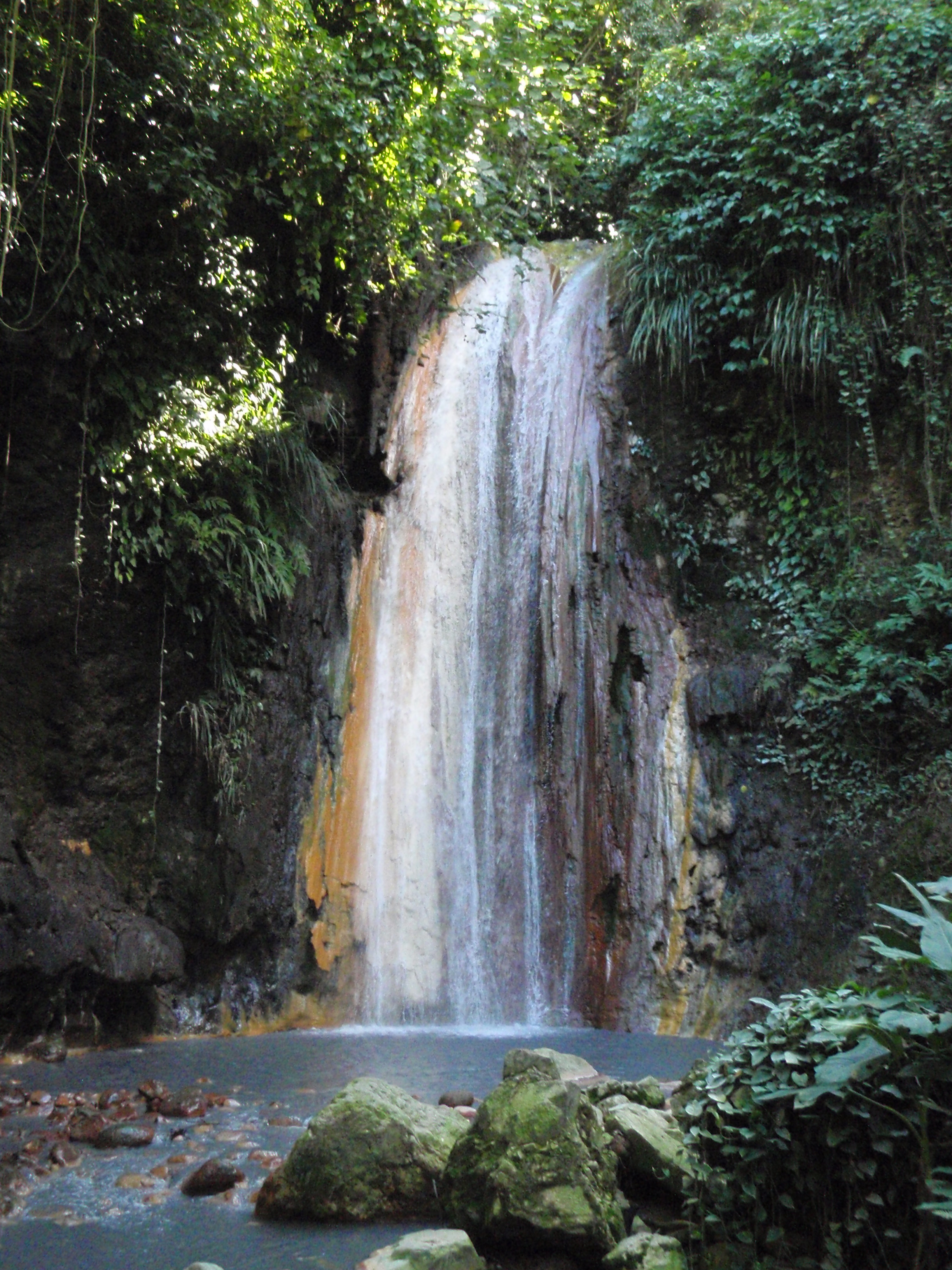
The rainforest behind Soufrière is threaded with streams and falls. Diamond Falls, in the Diamond Botanical Gardens, is one of the most visited. Its water is coloured by minerals from the volcanic hills, so the rocks show bands of yellow, black and green. Toraille Waterfall is another favourite, where a stream drops straight into a pool and visitors can stand beneath the spray.
Access is usually easy and the walks are short. Wear shoes with grip, as rocks are wet, and bring a towel if you plan to swim.
Gardens and estates
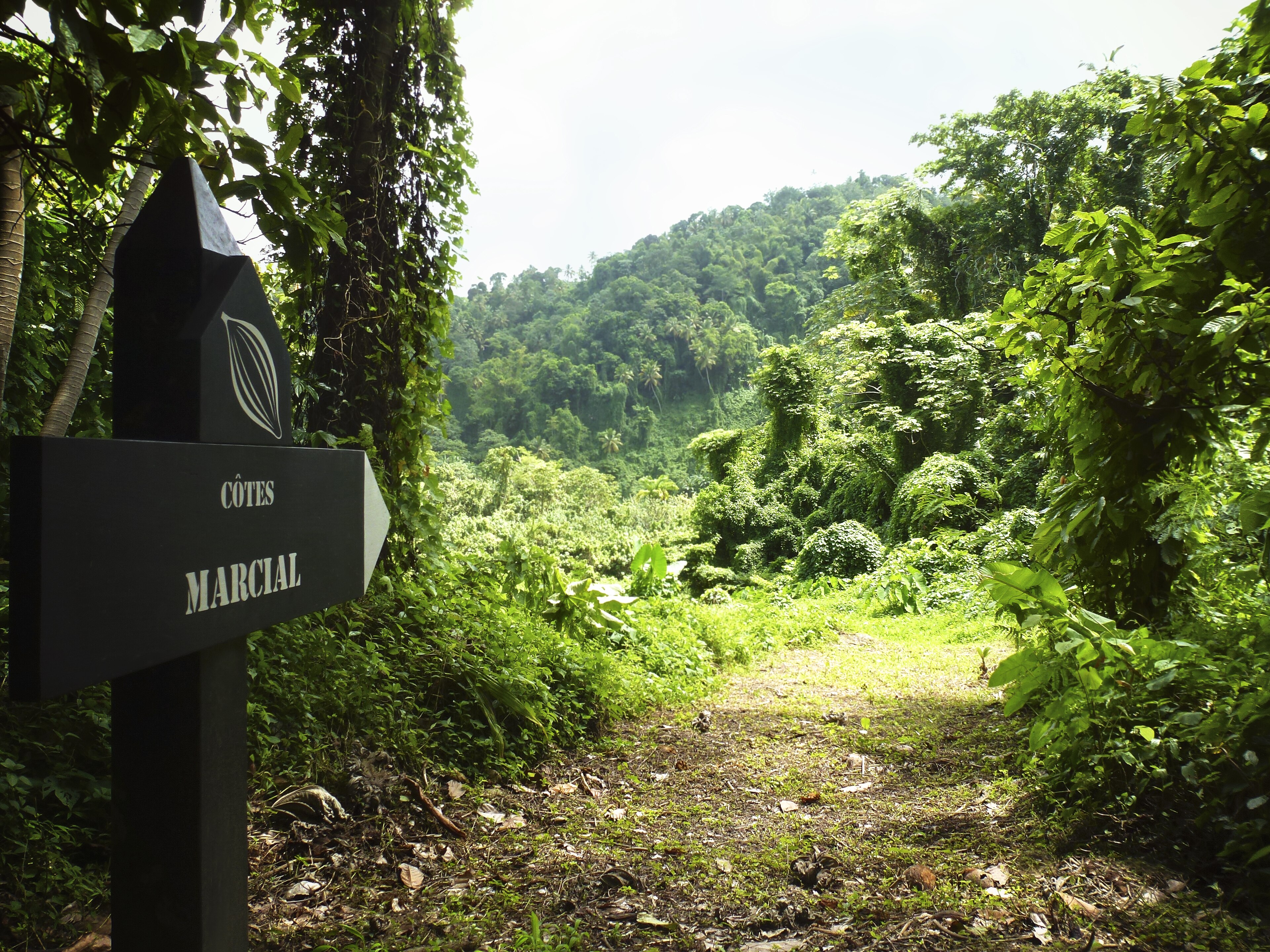
The botanical gardens near Soufrière show the island's tropical plants, and the surrounding estates grow cocoa, bananas, coconuts and spices. Some offer tours and tastings, which our cocoa and chocolate guide describes. The gardens make an easy stop on the way to the Sulphur Springs.
- Go early or late to avoid the middle of the day heat.
- Bring insect repellent and a light rain jacket.
- Combine with a hike, as described in our hiking and rainforest guide.
Planning the day
A typical southwest day covers the gardens, the springs and a view of the Pitons, with lunch in Soufrière or at your resort. Check the best time to visit for the drier months, when paths are easiest, and see the full list of things to do for more ideas.
What each stop offers
Diamond Falls is a short walk from the entrance of the botanical gardens, and the colour of the rocks beneath the falling water is the draw. The gardens themselves are a tidy collection of tropical plants, with paths that are easy for most visitors. There are also warm mineral baths in the grounds, fed by the same volcanic system as the nearby springs.
Toraille Waterfall is a few minutes' drive away. A small stream drops over a rock face into a shallow pool, and visitors stand beneath the spray to cool off. It is a simple stop, and popular with families. The road to it passes through farmland, and you may see bananas, cocoa and breadfruit growing along the way.
A simple day plan
Start with the gardens in the morning, when it is cooler and quieter. Move on to the falls at Toraille, then take lunch at a restaurant or estate in the hills. In the afternoon, visit the Sulphur Springs, which are not far away, and finish with a swim at a beach or a drink in Soufrière.
If you are travelling with children, take spare clothes and check that the paths are suitable for pushchairs. Rain makes the rocks slippery, and the falls can run strongly after heavy showers. Our best time to visit guide says when the drier months fall.
- Bring a towel, swimwear and water shoes.
- Keep cameras and phones in waterproof bags near the falls.
- Check entry charges and opening times locally.
Which are the best waterfalls and gardens near Soufrière?
The best waterfalls and gardens near Soufrière are Diamond Falls Botanical Gardens and Mineral Baths, Toraille Waterfall, Maranatha Gardens, Mamiku Gardens and Piton Falls, with LaTille Falls and Garden further along the coast near Micoud. Each has its own mood. Diamond is the historic garden in Soufrière, known for tropical plants and its multicoloured falls. Toraille is a waterfall of around fifty feet, where visitors can walk beneath the cascade surrounded by rainforest. Piton Falls lies between the peaks, where warm mineral waters flow into small pools.
Maranatha Gardens are a peaceful botanical garden in the hills above Soufrière, with tropical plants, rainforest trails and panoramic views of the Pitons and the coastline, which makes them a good choice for those who like a garden with a view. Mamiku Gardens are among the island's oldest, with walking paths through tropical plants and the ruins of a plantation, and they add a historical flavour to the walk. LaTille is a quiet garden and waterfall surrounded by tropical plants and forest, with landscaped paths and a natural cascade to sit beside.
Distances are short. The island's tourism authority notes that most waterfalls lie within ten to twenty minutes by car of Soufrière, so you can fit two or three into a morning. Walking difficulty ranges from easy to moderate depending on the site, and morning is the best time to visit, when gardens are cool and quiet. Our guide to the Soufrière area and the page on the south of Saint Lucia show how the sites fit together, and a driver or guide makes the day easier.
Should I swim at a waterfall or visit a garden in Saint Lucia?
Choose a waterfall if you want a swim and a cool-down, such as Toraille or Piton Falls, and choose a garden if you want shade, flowers, history and an easy walk, such as Diamond or Maranatha; most visitors enjoy both in a single day. Waterfalls are lively and wet, with spray, cold pools and slippery rocks, and they reward those who are ready to get wet. Gardens are calmer, with benches, trails and the chance to learn the names of plants, and they suit older visitors, young children and anyone who prefers to stay dry.
The combination works well. Start with a garden in the cool of the morning, when the flowers are fresh and the paths are quiet, then head to a waterfall for a swim as the day warms up. A mineral bath, such as those at Diamond, offers a gentler soak, and the contrast between cold waterfall pools and warm mineral water makes the day feel varied. If you want to link the visit with a taste of local produce, our guide to cocoa and chocolate suggests estates where lunch and a tasting follow naturally.
Plants are a draw in their own right. Gardens and estates grow flowering shrubs, palms, fruit trees and spices, and the labels and guides explain how many of them are used in cooking and traditional practice. Our guide to local plants and traditional uses describes the most common ones, and the background article on rainforest and plant life explains the habitats they come from. Take your time, ask questions and enjoy the scent, because gardens here engage the nose as much as the eye.
What should I wear and bring to Saint Lucia's waterfalls?
Wear swimwear under quick-drying clothes, shoes with grip or water shoes, and bring a towel, insect repellent, a dry bag and a little cash, ideally visiting in the morning when paths are cooler and quieter. The rocks around waterfalls are wet and slippery, so flip-flops are a poor choice, and a small rucksack keeps your hands free. Pack a light rain jacket for showers, a hat for the walk, and a bag for wet things afterwards. Keep phones and cameras in waterproof pouches near the falls.
Conditions change with the weather. After heavy rain, the falls run strongly and the paths turn muddy, and sometimes pools are not safe for swimming. Follow local advice, and if the water looks fast or cloudy, enjoy the view and stay out. Families should take spare clothes for children, and check that paths are suitable for pushchairs. Our rainy day ideas page suggests what to do if the weather turns, and a garden visit under a light shower can be lovely.
Think about how the day fits together. Combine the falls with the springs and the Pitons for a classic southwest circuit, and use our what to pack guide to fill your day bag. If you like walking, add a short trail from the hiking and rainforest guide. Entrance charges and hours vary and change, so check locally on the day. A relaxed approach is best, since the point of a waterfall day is to slow down and let the sound of water do its work.
Why the island has so many falls
Waterfalls depend on rain, rock and height. The climate and hurricanes guide explains the rainfall, and the geology and volcanoes page explains the steep volcanic terrain.
The lush gardens that surround them draw on rainforest and plant life, and agriculture and bananas shows how people have farmed this fertile land. Take it at your own pace and enjoy the discovery.
Where to stay and how to plan
Most visitors fit this into holidays to St Lucia, so choose your base first. Compare St Lucia hotels by area and style, and read our guides to luxury hotels in St Lucia and all inclusive resorts in St Lucia if you are choosing between a boutique stay and an all in package.
Then set your dates with the best time to visit St Lucia, book flights to St Lucia and pick days out from our St Lucia itineraries. Couples can also read about a honeymoon in St Lucia or weddings in St Lucia.
Questions travellers ask
Can you swim at the waterfalls?
At some, yes. Toraille has a pool beneath the falls. Conditions vary with rainfall, so follow local advice.
Why is Diamond Falls multicoloured?
Mineral-rich water from the volcanic hills stains the rocks in bands of colour.
Are the waterfalls near Soufrière?
Yes, most of the best known are a short drive from the town.
Can you swim at Toraille Waterfall in Saint Lucia?
Yes, visitors can walk beneath the cascade and cool off in the pool, though conditions depend on rainfall. Wear shoes with grip, since the rocks are slippery, and follow local advice.
How long do you need for the waterfalls and gardens near Soufrière?
A morning is enough for two or three stops, since most waterfalls are within ten to twenty minutes of the town. Allow a full day if you add lunch, the springs and a swim.
Are the gardens in Saint Lucia suitable for older visitors?
Many are, with easy to moderate paths and benches, though some have steps and slopes. Maranatha and Diamond are popular choices, and morning visits avoid the heat.
What is the best waterfall in Saint Lucia?
Diamond Falls and Toraille are the most visited, with easy access and colourful scenery. Choose by crowd level, how easy the path is and what else is nearby. See Soufrière to combine stops.
What should I wear to visit the waterfalls in Saint Lucia?
Wear swimwear under light clothes, with sandals or water shoes that grip wet rocks. Bring a towel, a dry bag and a change of clothes for afterwards. See what to pack for more advice.
Are the botanical gardens worth visiting?
Yes, the gardens are a calm, colourful stop with tropical plants and good photo opportunities. They combine well with a waterfall visit. See botanical gardens and nature parks for choices.
Can children visit the waterfalls and gardens?
Yes, children generally enjoy them, but wet rocks and steps need care and supervision. Check access for pushchairs, as paths can be steep or uneven. See family trip planning for more tips.
Diamond Botanical Gardens on the map
Diamond Botanical Gardens is at 13.8528 degrees north, 61.0492 degrees west. Map data from OpenStreetMap contributors.
Ask Lucy about Waterfalls and gardens
Ask about places to stay, things to do, the weather or getting here.
Keep exploring Saint Lucia
Looking for the industry view? Visit St Lucia on VisitTravelGroup.com covers the destination for travellers and the tourism trade.
More from the Visit Travel Group network: VisitTravelGroup.com, Benidorm.co.uk, Anguilla.co.uk, TheRedSea.co.uk.