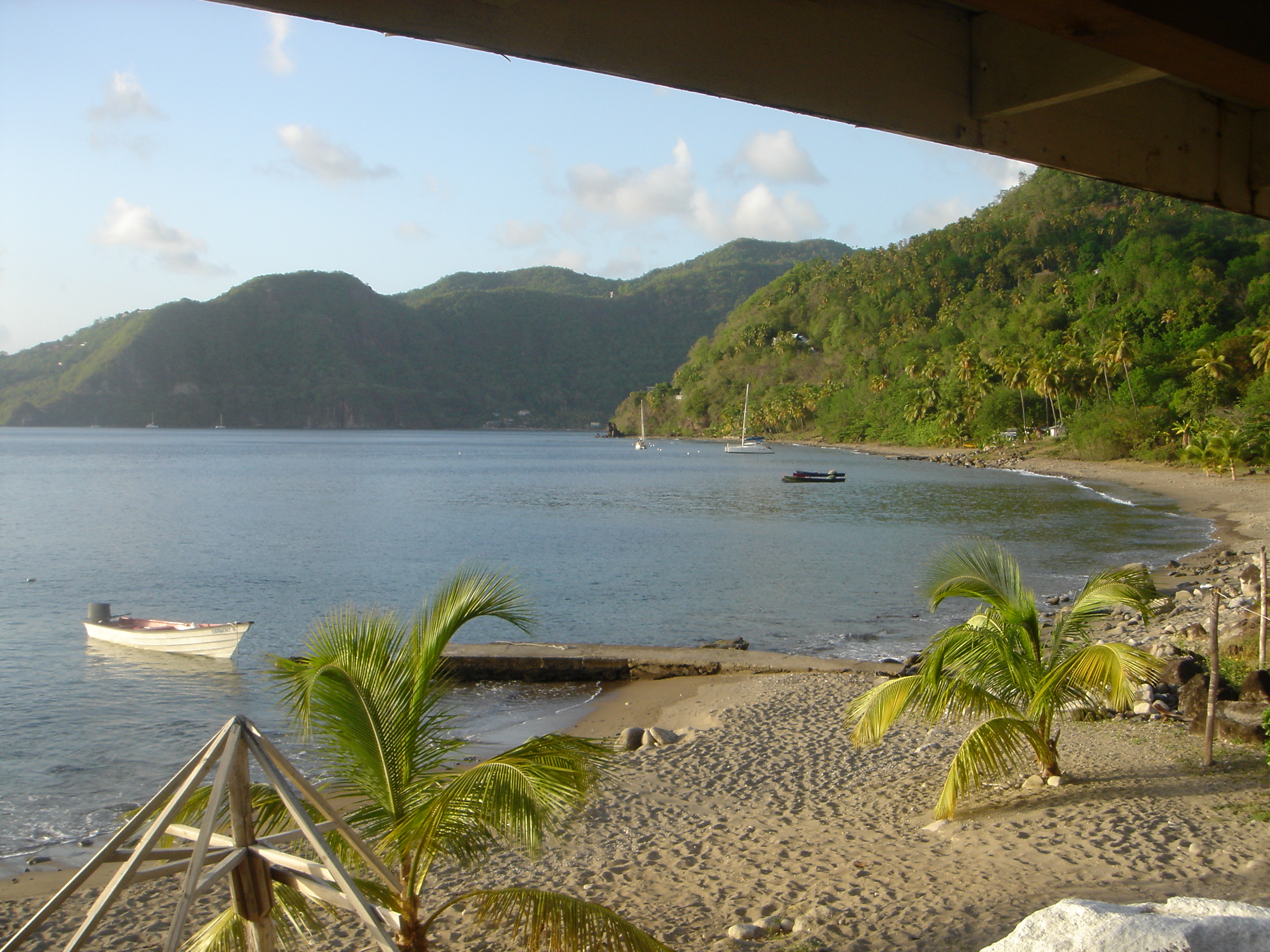
Plan your trip
What to Pack for Saint Lucia: A First-Timer's Checklist
The climate keeps the wardrobe simple, but the island's mix of beaches, boats and rainforest rewards a little planning.
Start with the weather
Saint Lucia is warm all year, with daytime temperatures typically in the high twenties to low thirties Celsius, and cooling trade winds that take the edge off the heat. Showers are usually short and followed by sunshine, and the wetter months bring more rain to the rainforest than to the coast. Our best time to visit guide sets out the seasons in detail, and your choice of month changes what you need only a little: a stronger rain layer in the wet season, and an extra layer for the evening breeze in the dry months.
Pack for the island in layers of light fabric. You will spend most days in swimwear or shorts, some in walking gear and the evenings in smart casual clothes. Planning around those three kinds of day keeps the case light.
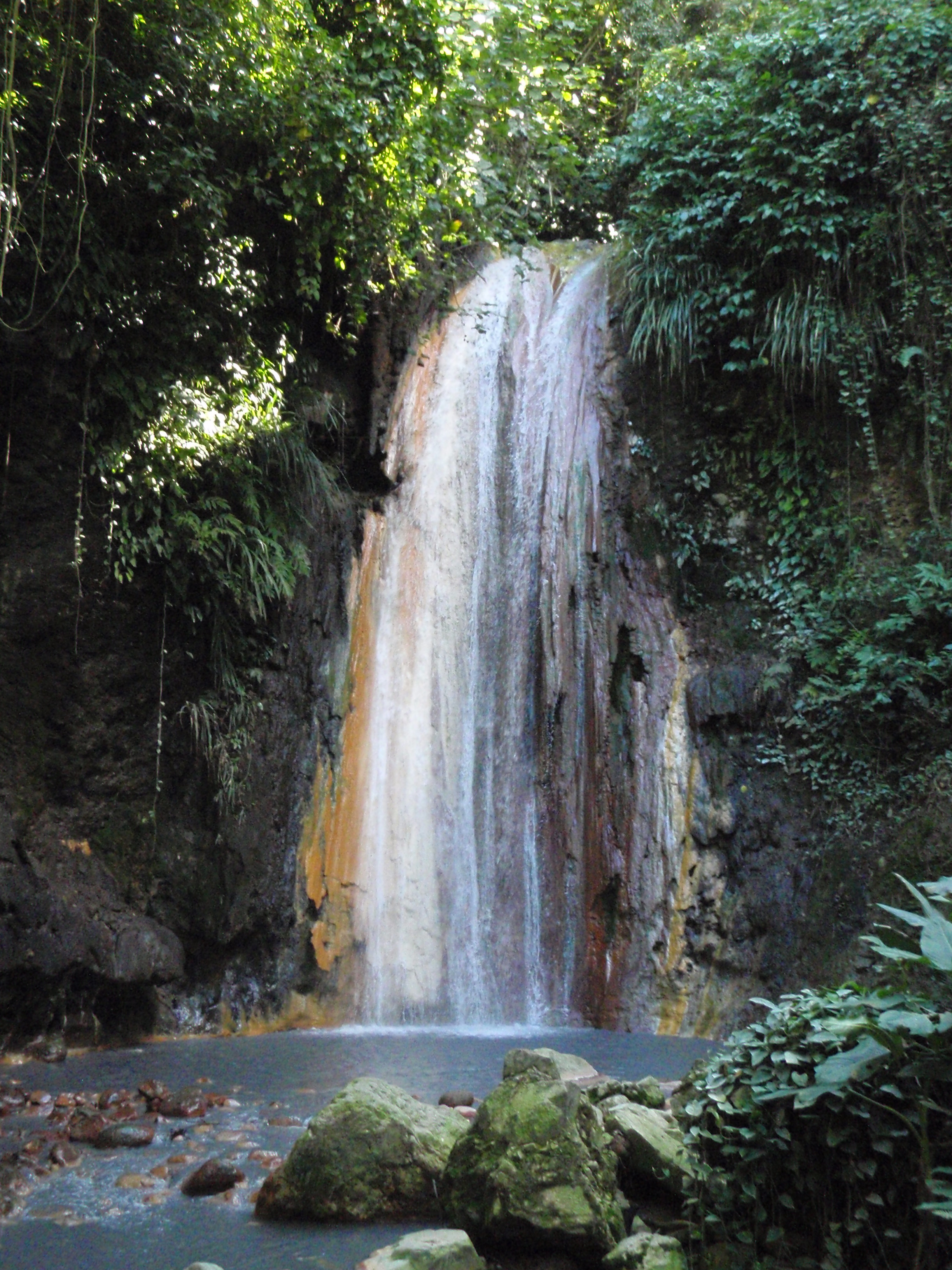
Clothing for island days
Breathable fabrics such as cotton and linen are the most comfortable in the humidity. Choose shirts, T-shirts, shorts and light dresses that move easily from breakfast to an afternoon out, and take two swimsuits so that one can dry while you wear the other. A beach cover-up is useful for the walk from the sand to lunch, and a thin layer helps in air-conditioned restaurants and on breezy boat decks.
Evenings at the better resorts are relaxed, but many people like to dress up a little. Smart casual is enough almost everywhere, and few places ask for jackets. Away from the beach, modest clothing is appreciated in towns, villages and churches, so pack a few pieces that cover the shoulders and knees. Remember that camouflage clothing is illegal, as explained in our visa and entry guide.
- Light shirts, shorts and dresses in cotton or linen.
- Two swimsuits and a cover-up.
- Smart casual outfits for dinner.
Beach and boat essentials
A high factor sunscreen, sunglasses, a hat that stays on in the breeze and comfortable sandals are the heart of the beach kit. A reusable water bottle, a waterproof phone pouch and a small dry bag make boat trips and waterfall visits easier, and a spare change of clothes means you do not have to go back to the hotel after a swim. If you are snorkelling, choose a reef-safe sunscreen, and see our diving and snorkelling guide for the best places to go.
Check what your resort or tour operator provides before you pack snorkelling gear. Many include masks and fins, but bringing your own mask can be worthwhile if fit and comfort matter to you.
For the rainforest and hikes
The green interior calls for practical footwear. For waterfalls, nature trails and the guided climb of Gros Piton, take supportive walking shoes or trail sandals with grip, quick-dry clothing, a light waterproof jacket and a small daypack for water, sun protection and a spare layer. Our hiking and rainforest guide and Pitons guide explain what each walk involves.
Insect repellent is essential for trails and for evenings outside, and long lightweight sleeves help with mosquitoes at dusk. Two pairs of shoes suit most trips: comfortable walking shoes and sandals. Add water shoes if you plan to explore rocky coves or rivers.
Personal items and technology
Bring any regular medicines in their original packaging, with a copy of the prescription, and add the basics for minor ailments. Shops and pharmacies in the main resort areas sell everyday toiletries, but a specific product may not be available, so pack anything you cannot do without. Our health, insurance and safety guide has more on preparation.
The island generally uses the same Type G plugs as the United Kingdom, at around 240 volts, so British visitors can use their own chargers and appliances. Visitors from elsewhere should check the voltage label on each device. Dual-voltage items such as phone chargers need only a plug adapter, while a device that does not support 240 volts needs a converter as well. Take a power bank for long days out, and a case that protects your phone from sand and water.
What to keep in your hand luggage
Keep your passport, travel documents, medication, valuables, chargers, swimwear and one change of light clothing in your hand luggage. If your case arrives late, you will still have what you need for the first day, and if you land at Hewanorra in the afternoon, you can head straight to the beach. Print or screenshot your immigration form confirmation and hotel details, so you can show them without a signal.
On the way home, allow wet swimwear and shoes to dry first, and carry a reusable waterproof bag to separate damp items from clean clothes. If you plan to bring back rum or chocolate, wrap bottles well and check the allowances for your destination.
What should I pack for a week in Saint Lucia?
For a week in Saint Lucia, pack light cotton or linen clothes, swimwear, a sun hat, sandals, sturdy shoes for trails, a light rain jacket, reef-safe sun cream, insect repellent and a small day bag, because the weather is warm and the days are casual. Evenings are relaxed, so one smart-casual outfit per person is plenty for restaurants. Clothes dry quickly in the heat, which means you can pack fewer items and rewash them in the hotel basin. Our best time to visit page shows how the seasons affect what to bring, and it is worth a look before you finalise your case, particularly if you are travelling in the wetter months when a waterproof layer matters more.
Think layers rather than bulk. Air-conditioned restaurants and breezy boats can feel cool after a day in the sun, so a light cardigan or wrap is useful. A sarong doubles as a beach cover, a scarf and a picnic blanket. For men, lightweight shorts and shirts do most jobs. Include a swimming costume for every day, since damp ones stay damp in humid air. Pack a spare set of clothes in your hand luggage in case your suitcase is delayed, together with swimwear, so that you can head straight for the sea on arrival if your bags are late and the transfer has been long and tiring.
Practical items save money and hassle. Bring a plug adapter, a power bank, a refillable bottle, a dry bag for boat trips and a small first-aid kit. Our health, insurance and safety guide suggests what to include. Leave expensive jewellery at home, and carry copies of your documents. Pack a little less than you think you need, because you will want space for rum, chocolate and crafts on the way back, and a half-empty case is a joy at the end of a holiday when every souvenir needs a safe place to travel, wrapped in a beach towel or a spare shirt.
What do I need for hiking and boat trips in Saint Lucia?
For hiking and boat trips in Saint Lucia, take grippy trainers or walking shoes, quick-dry clothes, a hat, water, a light waterproof, a dry bag, sun cream, insect repellent and a towel, because trails are steamy and slippery and boats are sunny and splashy. A guided walk up Gros Piton demands proper footwear, a small rucksack and a good water supply. Our Gros Piton guide describes the climb. Do not wear brand new shoes, as blisters will spoil the day, and break in any boots or trainers at home before you fly, walking them around the park for a few evenings so that you know they are comfortable.
On boats, pack for sun and spray. Wear a hat that stays on, polarised sunglasses with a strap and a long-sleeved top for the strongest hours. Take seasickness tablets if you are prone, and eat lightly beforehand. A dry bag keeps phones, wallets and cameras safe, and a waterproof phone pouch is a cheap extra. Our catamaran sunset cruises page explains what a typical trip involves, and you can pack accordingly, adding a light layer for the return when the sun drops and the breeze freshens over the water, and a small towel for sitting on damp benches and wiping salt from your face.
For snorkelling and swimming, bring a rash vest if you burn easily, reef-safe sunscreen and a mask if you like your own. Water shoes help on rocky entries and on black sand, which can be hot at midday. Our snorkelling beaches guide suggests where to go. After a day out, rinse your gear and let it dry, and take a change of clothes for the journey back. A little foresight makes outings smoother and lets you focus on the scenery, the fish and the company rather than on what you left behind at the hotel, and it keeps your bag lighter, which your shoulders will thank you for.
What can I leave at home or buy in Saint Lucia?
You can leave heavy towels, large amounts of toiletries, formal clothing and bulky guidebooks at home when travelling to Saint Lucia, since hotels supply towels, shops sell basics and most information is online. You can buy sun cream, repellent, toiletries and beachwear in the main towns and resorts, though prices may be higher than at home, and specific brands may not be available. If you rely on a particular product, bring it. Our Rodney Bay guide describes the shops and services in the north, where most visitors find pharmacies, supermarkets and beachwear within a short drive of their hotel, so a forgotten item is rarely a disaster.
Pack for your own needs, not for imagined emergencies. A few spare items are sensible, but a suitcase full of what-ifs makes transfers harder and weighs down your holiday. Think about baggage limits for your flights, and leave room for purchases. If you plan to bring back rum, remember liquid rules for hand luggage and check allowances. Our food and rum guide suggests what to buy. Wrap bottles well and use clothes as padding, or ask the shop whether it can pack them for travel in a protective sleeve that will survive the baggage hold and the journey home.
Finally, pack your attitude. Bring patience for slow queues, curiosity for new tastes and flexibility for changed plans. Island time is real, and you will enjoy yourself more if you relax into it. Leave work emails behind where you can, and let the sea do its work. Our trip planning guide hub gathers all the practical advice, and with that and a light suitcase you are ready to go. The best holidays leave a little space in the bag and a lot of space in the diary for the things you did not expect, such as a spontaneous swim or an invitation to a village party.
Packing for the island you will find
A good packing list follows the weather and the terrain. Climate and hurricanes explains the seasons, and rainforest and plant life helps you picture what a walk in the interior involves.
For the broader layout of the island, geography is worth a look, and culture and traditions gives a sense of local customs to respect when choosing what to wear.
From planning to booking
Most visitors fit this into a holiday in St Lucia, so choose your base first. Compare places to stay in St Lucia by area and style, and read our guides to luxury hotels in St Lucia and all inclusive resorts in St Lucia if you are choosing between a boutique stay and an all in package.
Then set your dates with the best time to visit St Lucia, book flights to St Lucia and pick days out from our St Lucia itineraries. Couples can also read about a honeymoon in St Lucia or weddings in St Lucia.
Questions travellers ask
What clothes should I pack for Saint Lucia?
Light, breathable clothing, two swimsuits, a cover-up, smart casual outfits for evenings and a light layer for air conditioning and boat decks.
Do I need a rain jacket?
A light waterproof layer is worth packing, especially in the wetter months or if you plan to visit the rainforest. Showers are usually short.
What shoes should I take?
Two pairs suit most trips: comfortable walking shoes with grip for trails and waterfalls, and sandals for the beach.
Do I need a plug adapter?
The island generally uses Type G plugs at about 240 volts, as in the United Kingdom. Visitors from other countries should check their devices.
Should I bring my own snorkelling gear?
Check what your resort or operator provides first. Bringing your own mask can be worthwhile if fit and comfort matter to you.
Is a dry bag worth packing?
It is useful for boat trips and waterfalls, where it protects phones and dry clothes, but it is not essential for every itinerary.
Can I buy things I have forgotten?
Yes. Shops and pharmacies in the main resort areas sell everyday essentials, although a particular brand may be hard to find.
What should go in my hand luggage?
Documents, medication, valuables, chargers, swimwear and one change of clothes, so you are covered if your case is delayed.
Do I need smart clothes for dinner in Saint Lucia?
Smart casual is enough for nearly every restaurant, though some upmarket resorts ask for long trousers or collared shirts in the evening. Check your hotel's dress code, and pack one dressier outfit.
Should I pack walking boots for Saint Lucia?
Sturdy trainers or lightweight walking shoes with good grip are enough for most trails, including guided walks. Heavy boots are rarely needed and are hot in the humidity.
Can I buy sun cream in Saint Lucia?
Yes, in pharmacies, supermarkets and resort shops, though prices are usually higher than in the UK. Bring a reef-safe brand you trust, and reapply often.
Saint Lucia on the map
Saint Lucia lies in the Windward Islands of the eastern Caribbean, around 13.8830 degrees north, 60.9670 degrees west. Map data from OpenStreetMap contributors.
Ask Lucy about What to pack
Ask about places to stay, things to do, the weather or getting here.
Keep exploring Saint Lucia
Looking for the industry view? Visit St Lucia on VisitTravelGroup.com covers the destination for travellers and the tourism trade.
More from the Visit Travel Group network: VisitTravelGroup.com, Benidorm.co.uk, Anguilla.co.uk, TheRedSea.co.uk.