Things to do
Hiking and Rainforest Trails
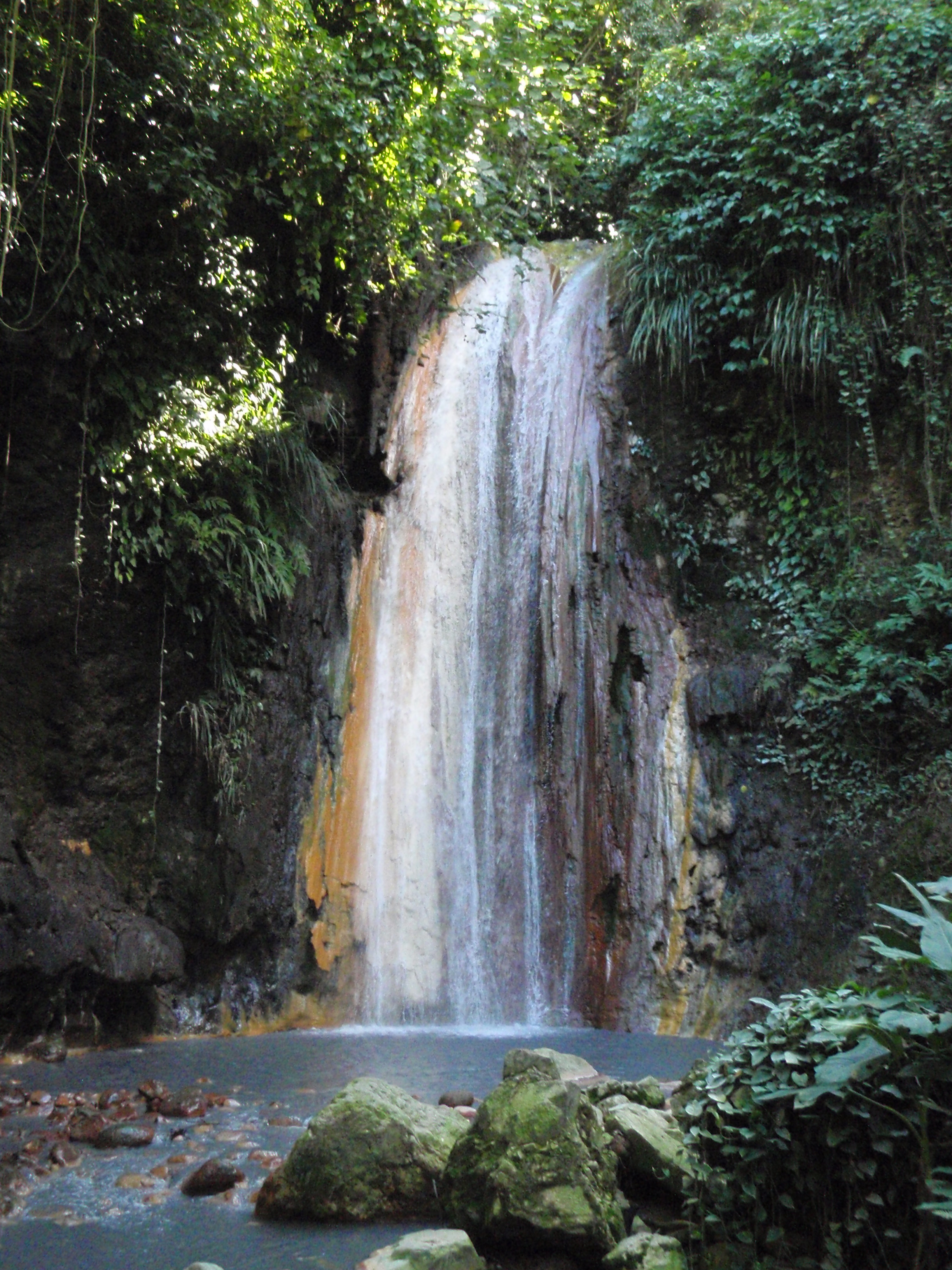
Rainforest trails, mountain viewpoints and coastal paths, from short garden walks to guided climbs.
A green island
The interior of Saint Lucia is steep, forested and wet, and it supports a surprising range of plants and birds. The island is home to the Saint Lucia parrot, its national bird, which lives in the rainforest reserves. Walks range from short, easy paths in botanical gardens to long, demanding trails.
Trails to consider
Near Soufrière you will find nature trails through estates and gardens, and the guided climb of Gros Piton, described in our Pitons guide. In the north, the trails at Pigeon Island are short and give wide views, and elsewhere there are coastal walks and forest reserves.
Guides add a great deal. They know the plants, the birds and the history, and they can tell you what the weather is likely to do. Most of the main trails require a guide, and the fees support local communities.
- Start early and carry plenty of water.
- Wear footwear with a good grip and clothes that dry quickly.
- Check the forecast, as trails can be slippery after rain.
Combining walks with other things
A short walk fits easily around a day of waterfalls and sights. The waterfalls and gardens near Soufrière are ideal. For hotter days, finish with a swim or a sail, as described in our sailing and boat trips guide. The drier months are generally best for hiking, as covered in the best time to visit guide.
Wildlife and plants you might meet
The island's forests shelter a wide range of birds, from hummingbirds and tanagers to the rare Saint Lucia parrot, a vivid green bird with blue and red markings that lives in the higher forest. Lizards, tree frogs and butterflies are common, and the trees themselves are a draw, with giant ferns, wild orchids and enormous buttress roots.
Guides will often point out medicinal and edible plants, and explain how the forest has been used by local people over generations. It is a different way of seeing the island, and a good way to learn about its culture as well as its nature.
Safety and respect
Trails can be steep and slippery, and the weather changes quickly. Tell someone where you are going, go with a guide on the main routes and turn back if conditions worsen. Carry water, wear sturdy shoes and use insect repellent.
Stay on marked paths, take your litter home and do not pick plants or disturb wildlife. If you are staying near the Pitons, ask your hotel about guides, as resorts such as Ladera can often arrange them. For an easy introduction, try the trails around the gardens and waterfalls near Soufrière.
- Start early to avoid the heat.
- Carry a phone in a waterproof bag.
- Check the forecast before you set out.
Which are the best hiking trails in Saint Lucia?
The best trails in Saint Lucia for most visitors are the short Tet Paul Nature Trail near Soufrière, the guided Edmund Forest Trail through the central reserve and the gentle Millet Bird Sanctuary walk. The simplest introduction to walking on the island is the Tet Paul Nature Trail, a short loop in the hills above the southwest coast, a few minutes by road from Soufrière. A local guide takes you through a working community landscape of fruit trees, vegetables and medicinal plants, and the path climbs to a viewing platform where both Pitons are laid out in front of you with the beach and resort at Sugar Beach far below. The effort is modest, so it suits children, older walkers and anyone who wants a view without a sweat. The guide fee goes largely towards maintaining the trail, and a tip is always appreciated.
A step up in challenge is the Edmund Forest Trail, which runs through the reserve in the central mountains. This is a protected area managed by the Forestry Department, so you need permission and an entrance fee at the ranger station, and a ranger or naturalist guide is mandatory because of how dense the vegetation is. The path is relatively level, with footbridges over streams, and it passes through tree ferns and mossy trunks before ending with a view towards Mount Gimie. It is a walk of several hours, and it feels more like moving through a living cathedral than climbing a mountain.
For something shorter and aimed at birds, the Millet Bird Sanctuary trail is a gentle walk of around an hour that gives a view over a reservoir and a good chance of seeing endemic species. The Des Cartiers trail in the Quilesse area is another mostly flat option, and is part of the route used on wildlife safaris. Between them, these walks show how varied the hiking is, and why it is worth choosing by mood rather than by fitness alone. Our guide to Mount Gimie covers the island's most demanding rainforest climb for those who want a real challenge.
What is it like to walk in the Saint Lucia rainforest?
Walking in the Saint Lucia rainforest means cool, damp air, spongy ground, tree ferns, orchids and bromeliads, and birdsong that can include the endemic Saint Lucia parrot, warbler and oriole. Walking in the reserve is as much about the senses as the views. The forest floor is soft and spongy underfoot, and the air is cooler and damper than on the coast, with a smell of leaf mould and wet bark. Tree ferns arch over the path, bromeliads cling to branches, and orchids, wild ginger and mushrooms add flashes of colour in the shade. After rain, water drips continuously from the canopy, and the noise of streams carries through the trees. It is a place that rewards slowing down, and guides will often stop to point out a plant, a track or a sound that you would otherwise walk past.
The wildlife is subtle rather than showy. More than thirty species of bird have been recorded in the Edmund reserve, including the Saint Lucia parrot, the Saint Lucia warbler, the Saint Lucia oriole and the white-footed finch, and each of them has a call that a good guide will teach you to recognise. Among the creatures on the ground are the Saint Lucia river crab and the island's own boa, which is shy and seldom seen. Our guide to birdwatching in Saint Lucia explains how to look and listen for them, and the background article on rainforest and plant life is a good companion.
Plants are woven into everyday life here, and guides on the gentler trails often explain how leaves, roots and fruits are used in cooking, teas and household traditions. This is a good moment to ask questions about local names and customs, which many guides will share with enthusiasm. Our guide to local plants and traditional uses describes what you might meet. Treat what you hear as cultural knowledge rather than medical advice, and never pick plants in a reserve or garden, as the forest depends on every leaf staying where it grew.
How should I plan a week of hiking in Saint Lucia?
Plan a week of hiking in Saint Lucia by starting with a gentle trail, saving one big climb for a rested day, walking early in the drier months from December to April and staying near Soufrière. A sensible walking week mixes effort and ease. Start with something gentle such as the Tet Paul trail to loosen your legs and understand the humidity, then move on to a longer forest walk once you are used to the heat. Save the big climb, whether that is Gros Piton or something harder, for a day when you feel rested, and follow it with a slow morning, a swim and a long lunch. Walkers who try to stack hard days end up tired, which in steep terrain is how mistakes happen, and the island is better enjoyed at a pace that leaves room for conversation.
Timing matters. The drier months from December to April are generally kinder to paths, with firmer ground and clearer views, while the wetter season turns steep sections slick and makes mud a constant companion. Starting at first light is a good habit in every season, because the cool air makes the effort easier and leaves the afternoon free. Our what to pack guide covers sensible footwear, and it is worth bringing a light waterproof and a dry change of socks even on days that look clear, because showers arrive quickly in the hills.
Base yourself where the trails are close. Staying near Soufrière puts the Pitons, the gardens and the springs within easy reach, and resorts there can often arrange guides and early breakfasts. If you are based in the north, a day trip to the forests is possible but involves a long drive, so choose your trails carefully and combine them with other sights. Whatever you decide, tell your hotel where you are going and when you expect to return, carry more water than seems necessary, and remember that the best walks on the island are the ones you finish with energy to spare.
Reading the forest as you walk
A rainforest walk is richer with some knowledge. The rainforest and plant life guide introduces the vegetation, wildlife and ecology the animals, and reptiles and mammals the creatures you may be lucky enough to see.
The conservation and protected areas page explains how the forest is looked after, and climate and hurricanes helps with seasonal planning.
Where to stay and how to plan
Most visitors fit this into a holiday in St Lucia, so choose your base first. Compare places to stay in St Lucia by area and style, and read our guides to luxury hotels in St Lucia and all inclusive resorts in St Lucia if you are choosing between a boutique stay and an all in package.
Then set your dates with the best time to visit St Lucia, book flights to St Lucia and pick days out from our St Lucia itineraries. Couples can also read about a honeymoon in St Lucia or weddings in St Lucia.
Questions travellers ask
Do I need a guide to hike in Saint Lucia?
On most of the main trails, including Gros Piton, a guide is required or strongly advised.
What is the national bird?
The Saint Lucia parrot, which lives in the island's rainforest reserves.
What should I wear?
Light, quick-drying clothing, sturdy shoes with grip, a hat and insect repellent.
Is there an easy hike in Saint Lucia with a good view?
Yes, the Tet Paul Nature Trail near Soufrière. It is a short guided loop that climbs gently to a viewing platform with both Pitons in sight, and it suits families and older walkers.
Do you need a guide to hike in Saint Lucia's forest reserves?
Yes, in the main reserves a ranger or naturalist guide is required, along with permission and an entrance fee from the Forestry Department. Your hotel or a tour operator can arrange it.
What wildlife can you see on a rainforest walk in Saint Lucia?
Birds are the most likely sight, including hummingbirds, the Saint Lucia warbler and, with luck, the parrot. Lizards, frogs and butterflies are common, while the island's boa is rarely seen.
What are the best hikes in Saint Lucia?
The best hikes include the Pitons, Mount Gimie and forest trails with waterfalls and viewpoints. Choose one that matches your fitness and the weather. See the Gros Piton hike for the best-known climb.
How hard are the hikes in Saint Lucia?
Difficulty ranges from gentle forest walks to steep, strenuous climbs, and heat and humidity add to the effort. Start early and carry water. Our Mount Gimie hikes guide covers a tougher option.
What is the best time of year to hike in Saint Lucia?
The drier months usually give firmer, safer trails, while the wetter season can make paths muddy and slippery. Mornings are cooler year round. See best time to visit for seasons.
Is hiking in Saint Lucia suitable for beginners?
Yes, there are shorter, easier walks suited to beginners, often with a guide. Pick well-maintained trails, wear grippy shoes and start early to avoid the heat. See botanical gardens and nature parks for gentle options.
Mount Gimie on the map
Mount Gimie is at 13.8635 degrees north, 61.0111 degrees west. Map data from OpenStreetMap contributors.
Ask Lucy about Hiking and rainforest
Ask about places to stay, things to do, the weather or getting here.
Keep exploring Saint Lucia
Looking for the industry view? Visit St Lucia on VisitTravelGroup.com covers the destination for travellers and the tourism trade.
More from the Visit Travel Group network: VisitTravelGroup.com, Benidorm.co.uk, Anguilla.co.uk, TheRedSea.co.uk.