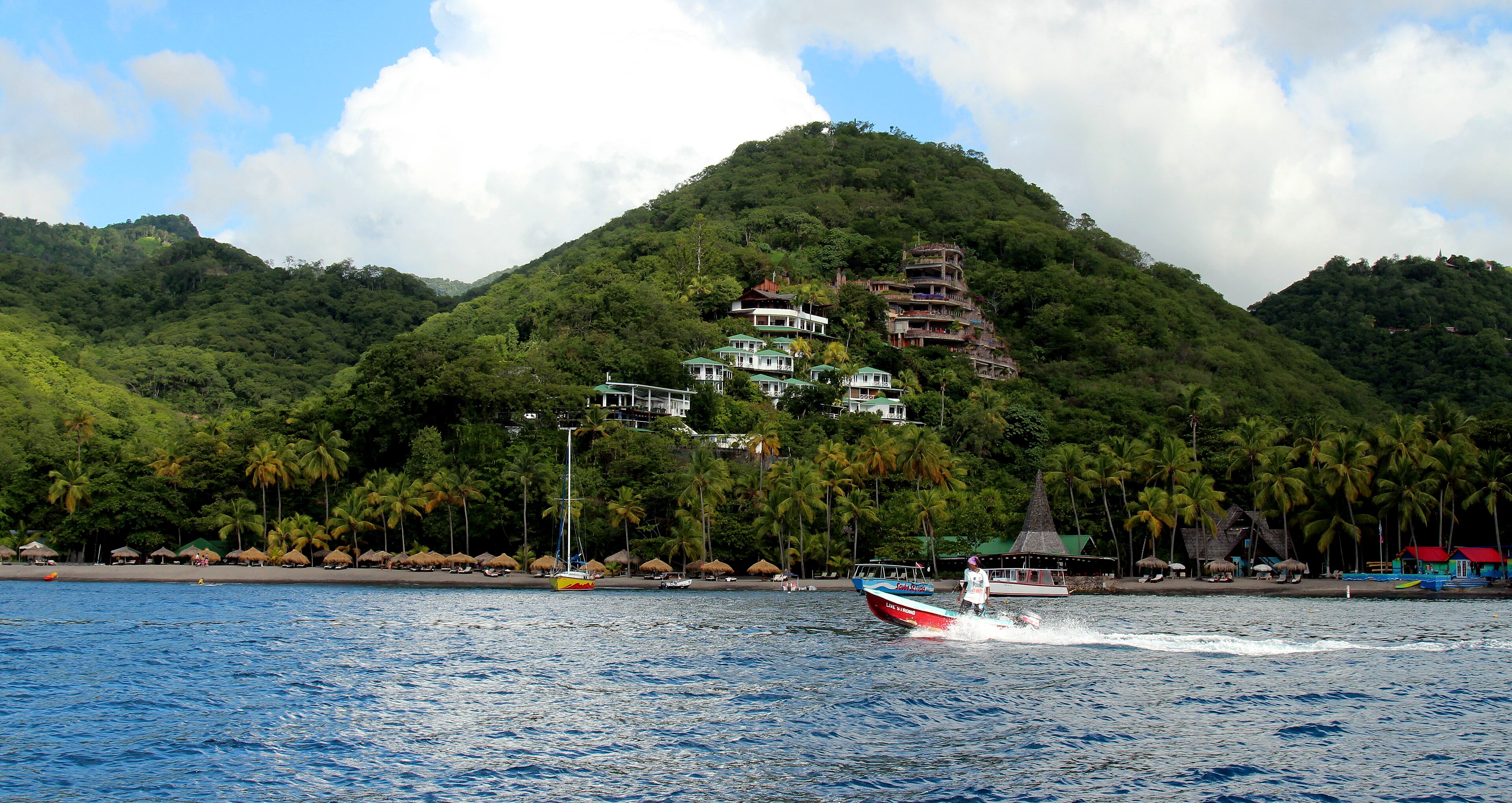
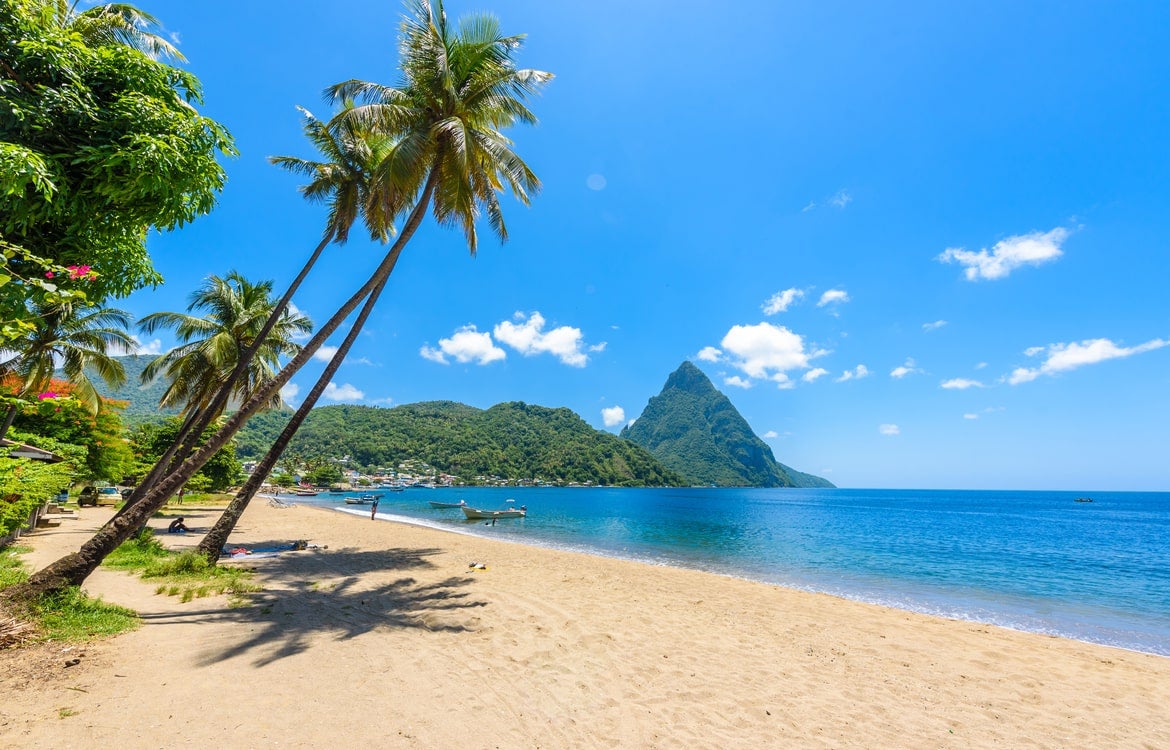
Sugar Beach
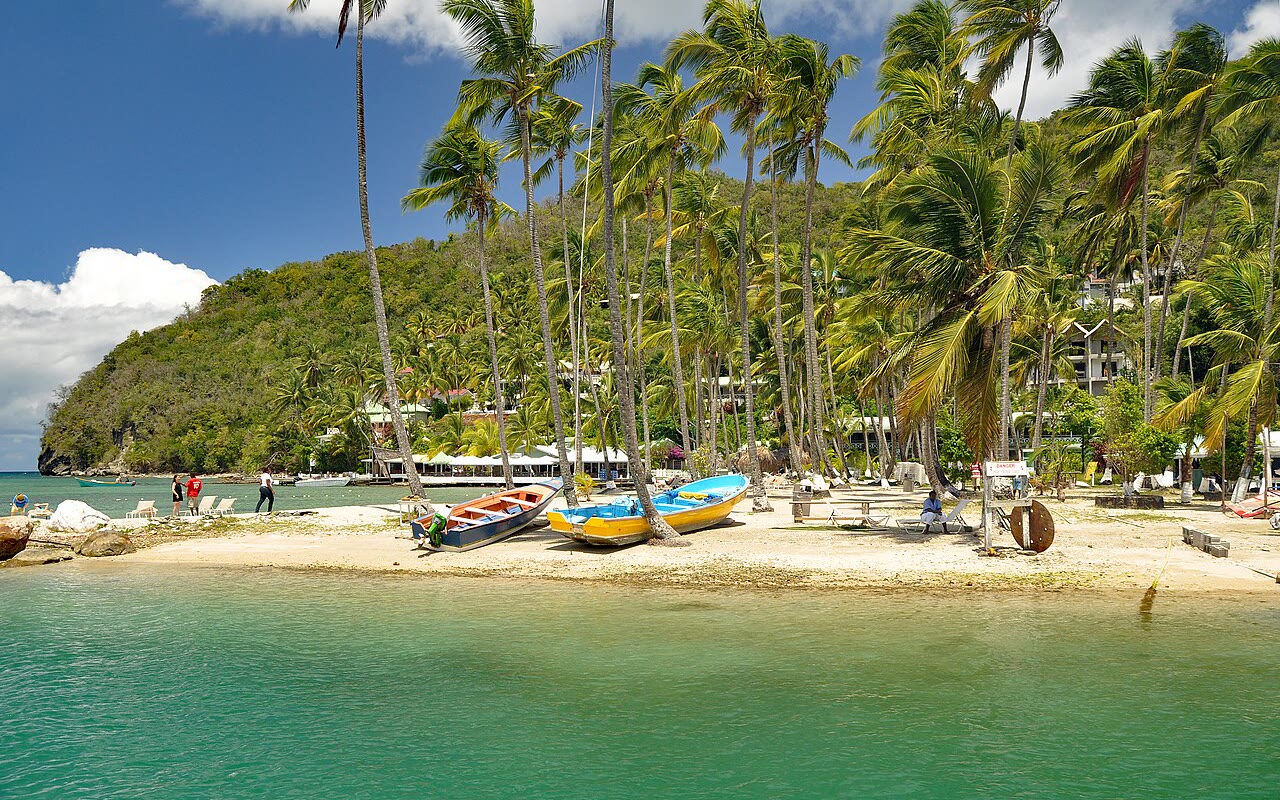
A beach and rainforest resort set in the Val des Pitons, with the two Pitons rising directly behind it.
Read the guideWhere the sea meets the Pitons: where to stay, what to do, how to get here and what to taste on the volcanic island of Saint Lucia.
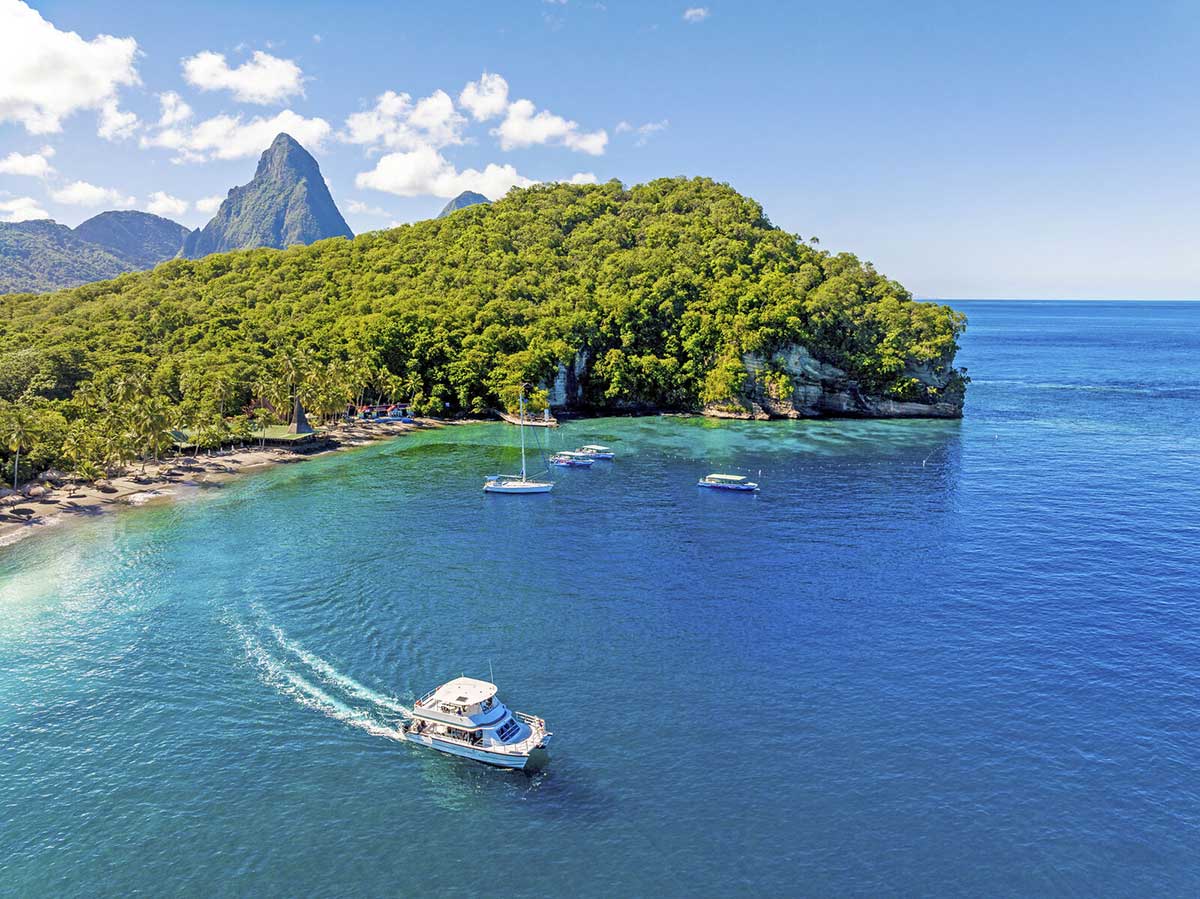
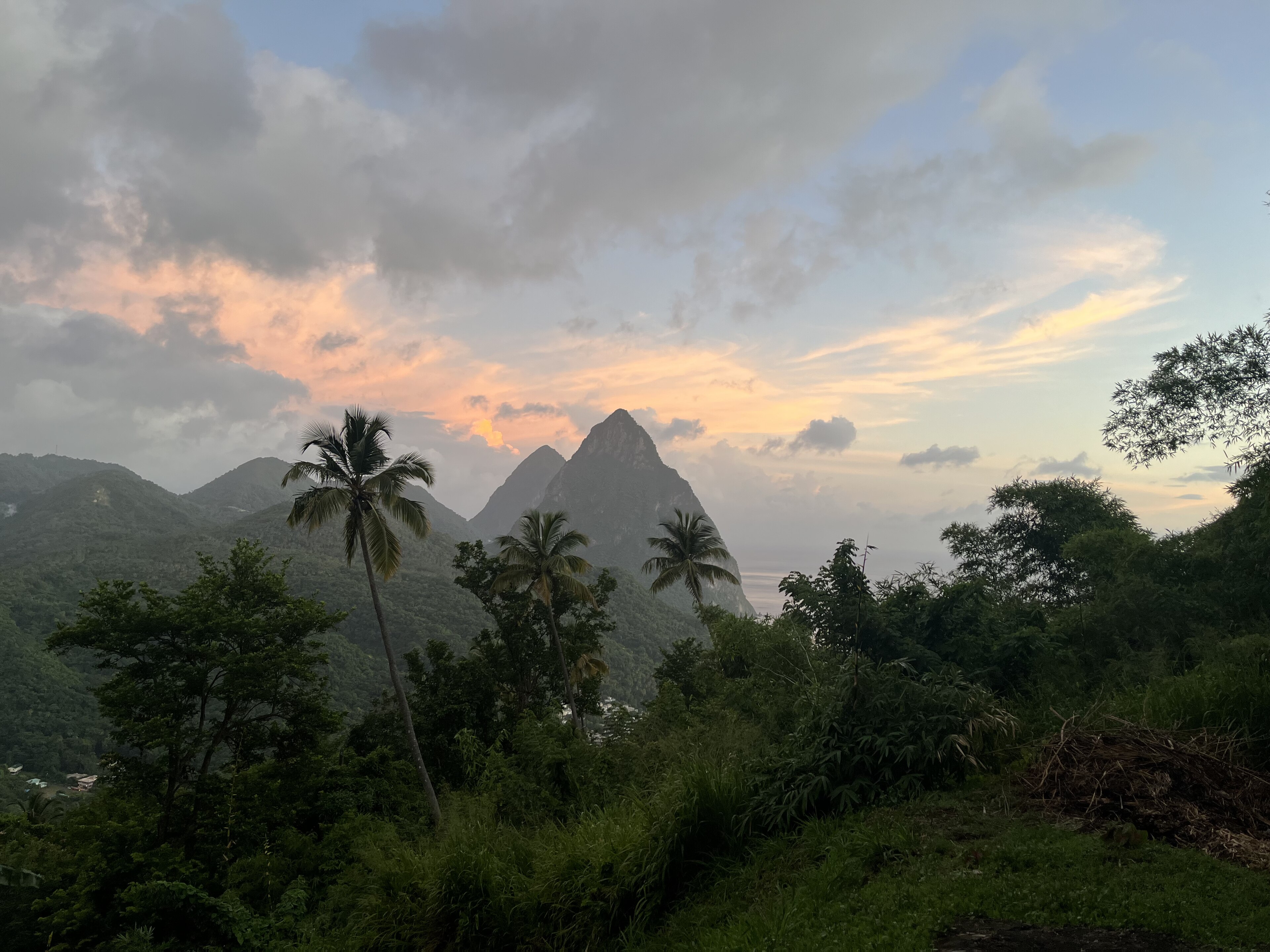
Saint Lucia is a volcanic island in the eastern Caribbean, and its signature is the Pitons: two green spires that rise straight from the sea on the southwest coast. Around them are reefs, rainforest, waterfalls and a hot spring in an ancient crater. In the north there are long beaches, a busy marina and a lively evening scene.
This guide is built to help you decide where to base yourself and what to do. Start with where to stay, then read about the Pitons and the Sulphur Springs. If you are still choosing a season, the best time to visit guide sets out the weather month by month, and the getting here guide explains the airports and transfers.
A few favourites from every part of the island. Browse every resort, hotel and villa on the where to stay page.
A beach and rainforest resort set in the Val des Pitons, with the two Pitons rising directly behind it.
Read the guideA hillside resort of open-sided sanctuaries, each with a private pool and a view across to the Pitons.
Read the guideA beachfront resort with a reef at the water's edge, a dive centre, and hillside rooms among the trees.
Read the guideA ridge-top resort between the two Pitons, with open-sided rooms and a view framed by both peaks.
Read the guideA clifftop hotel in the north of the island, with its own sandy beach and easy access to Rodney Bay.
Read the guideAn adults-only all-inclusive resort in the north of the island, formerly Sandals Grande St. Lucian, beside Rodney Bay and Pigeon Island.
Read the guideEight experiences that define a trip. The full list is on our things to do page.
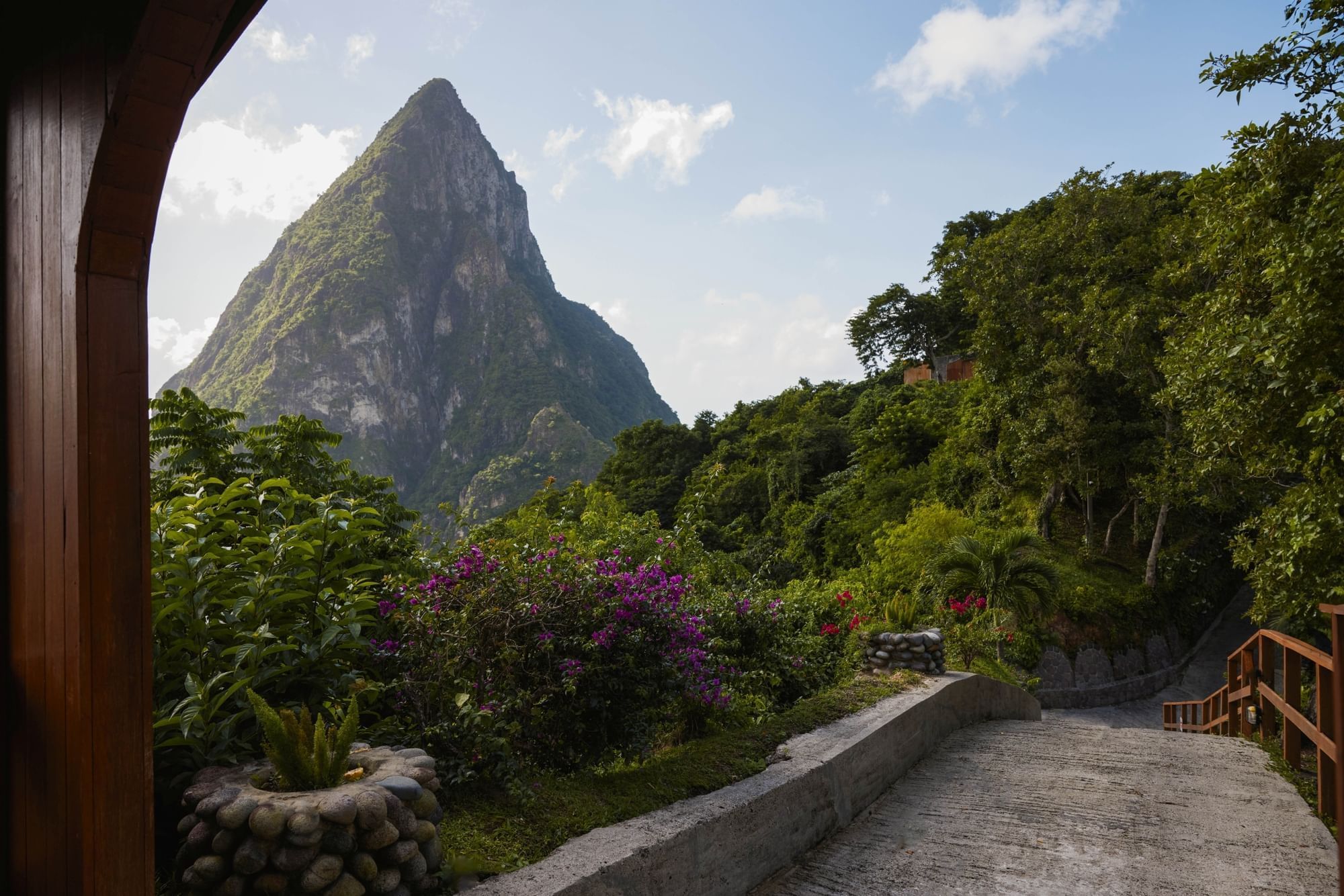
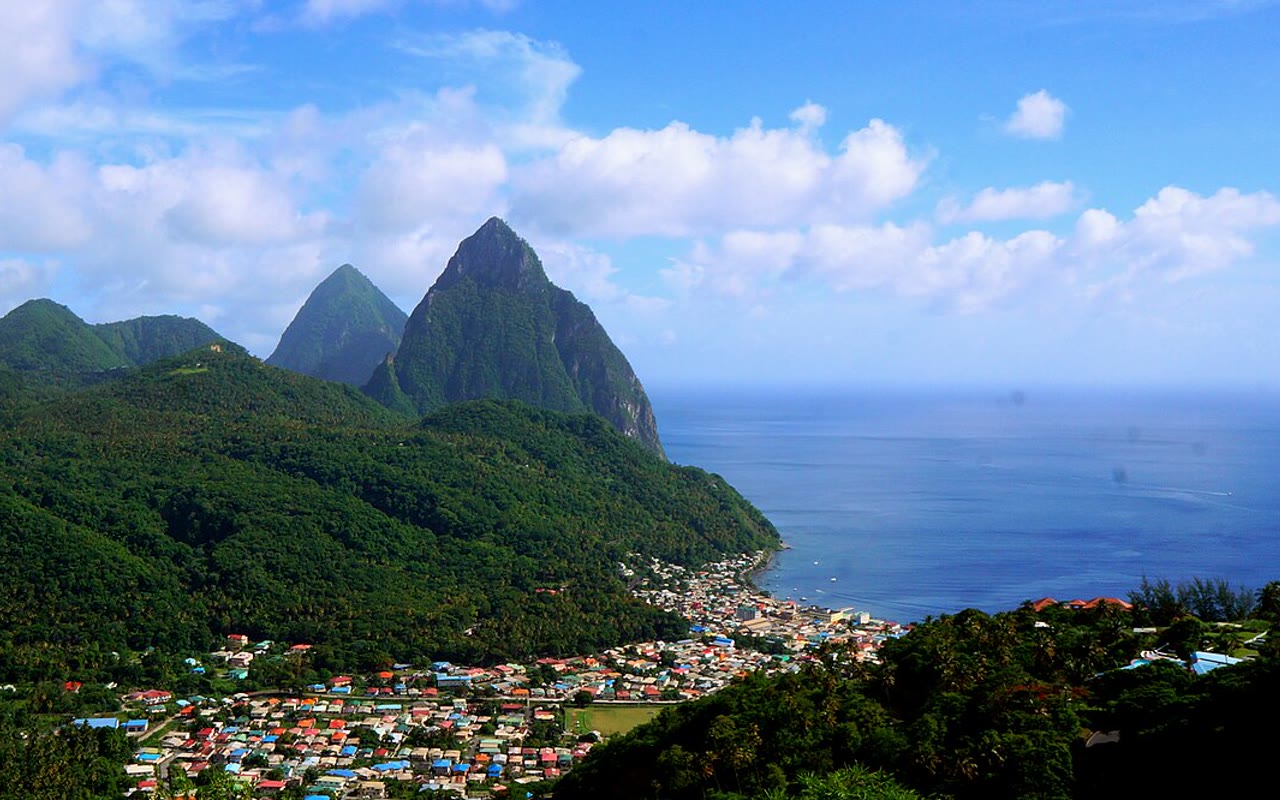
Two volcanic spires on the southwest coast, recognised as a UNESCO World Heritage Site.
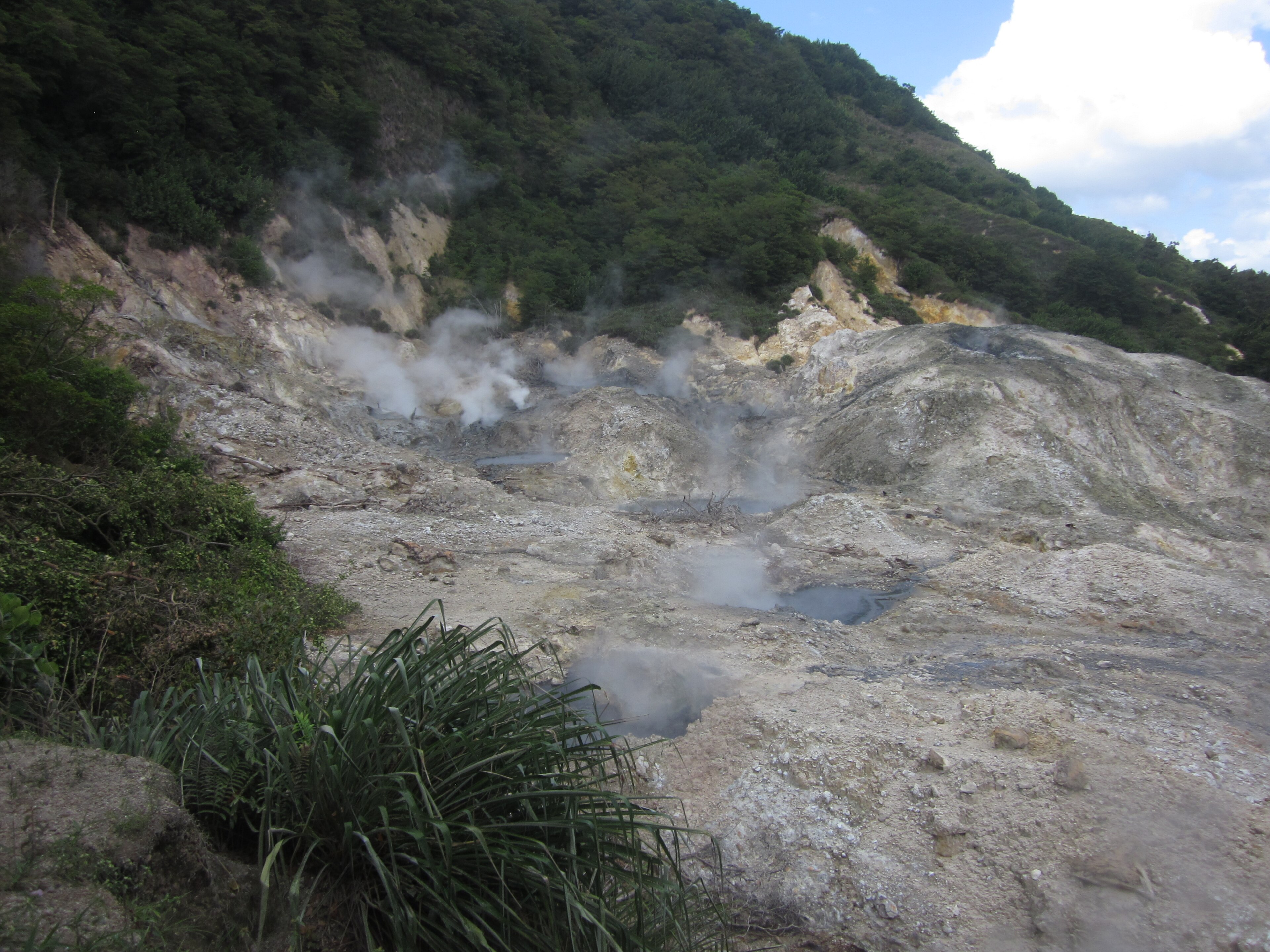
Read the guideA geothermal area in a volcanic crater near Soufrière, often called the drive-in volcano.
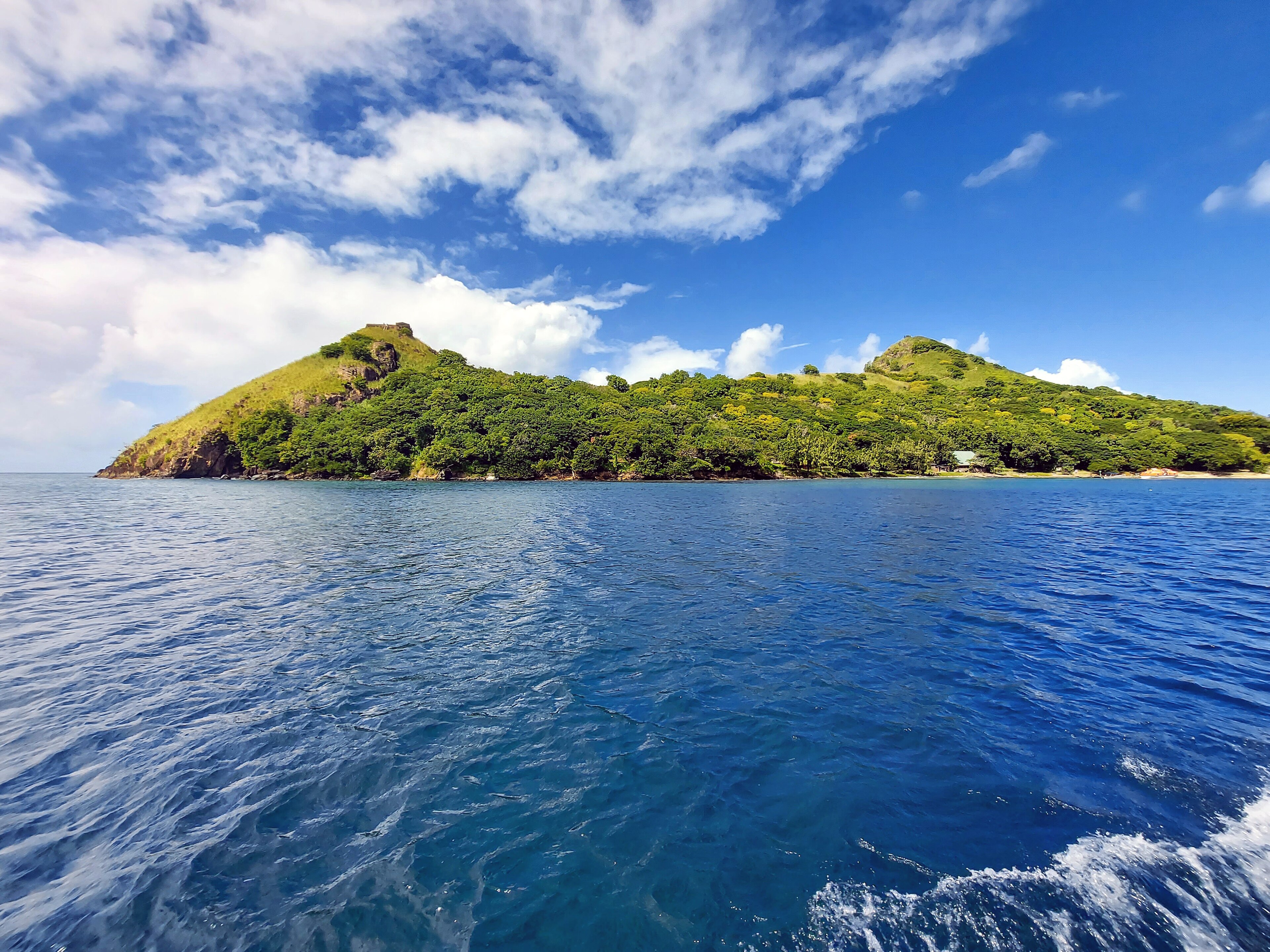
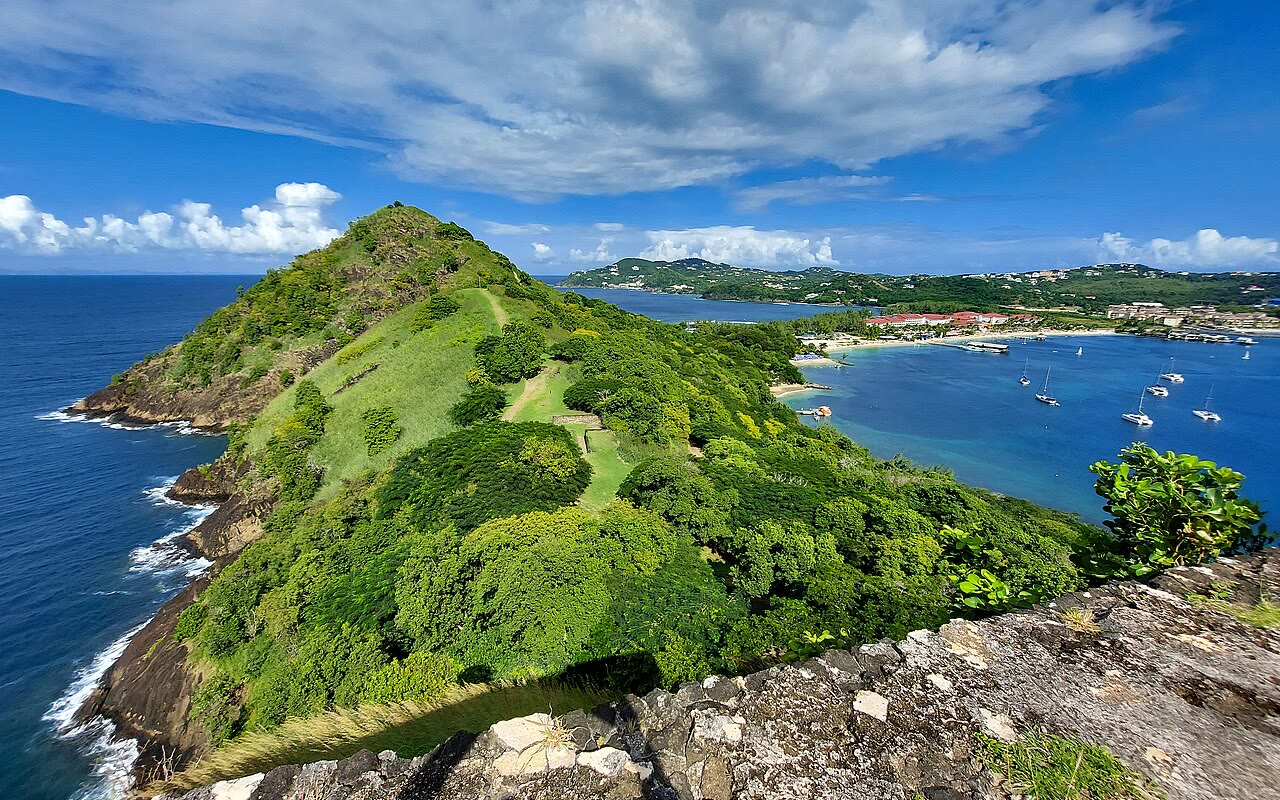
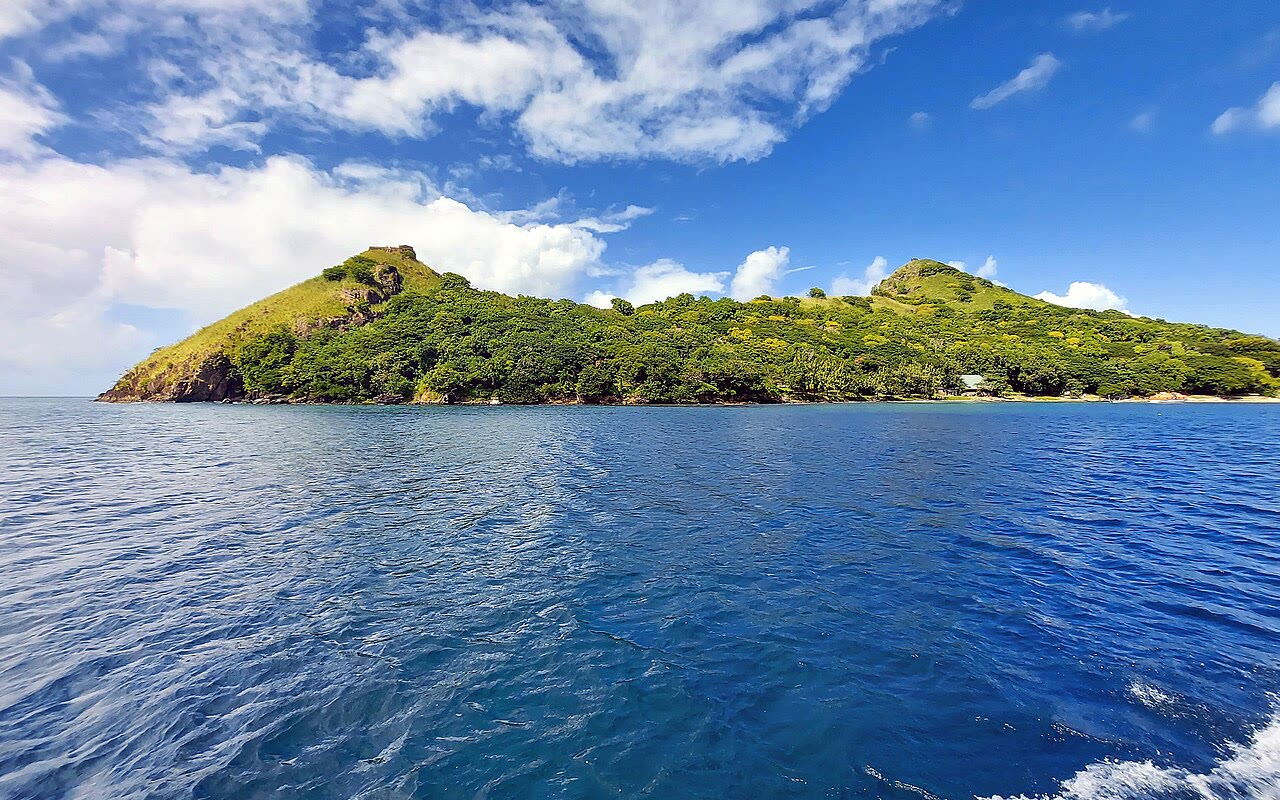
Read the guideA national landmark with a fort, trails and views, linked to the mainland by a causeway.
Read the guideProtected reefs, walls and wrecks, with the best sites along the Soufrière coast.
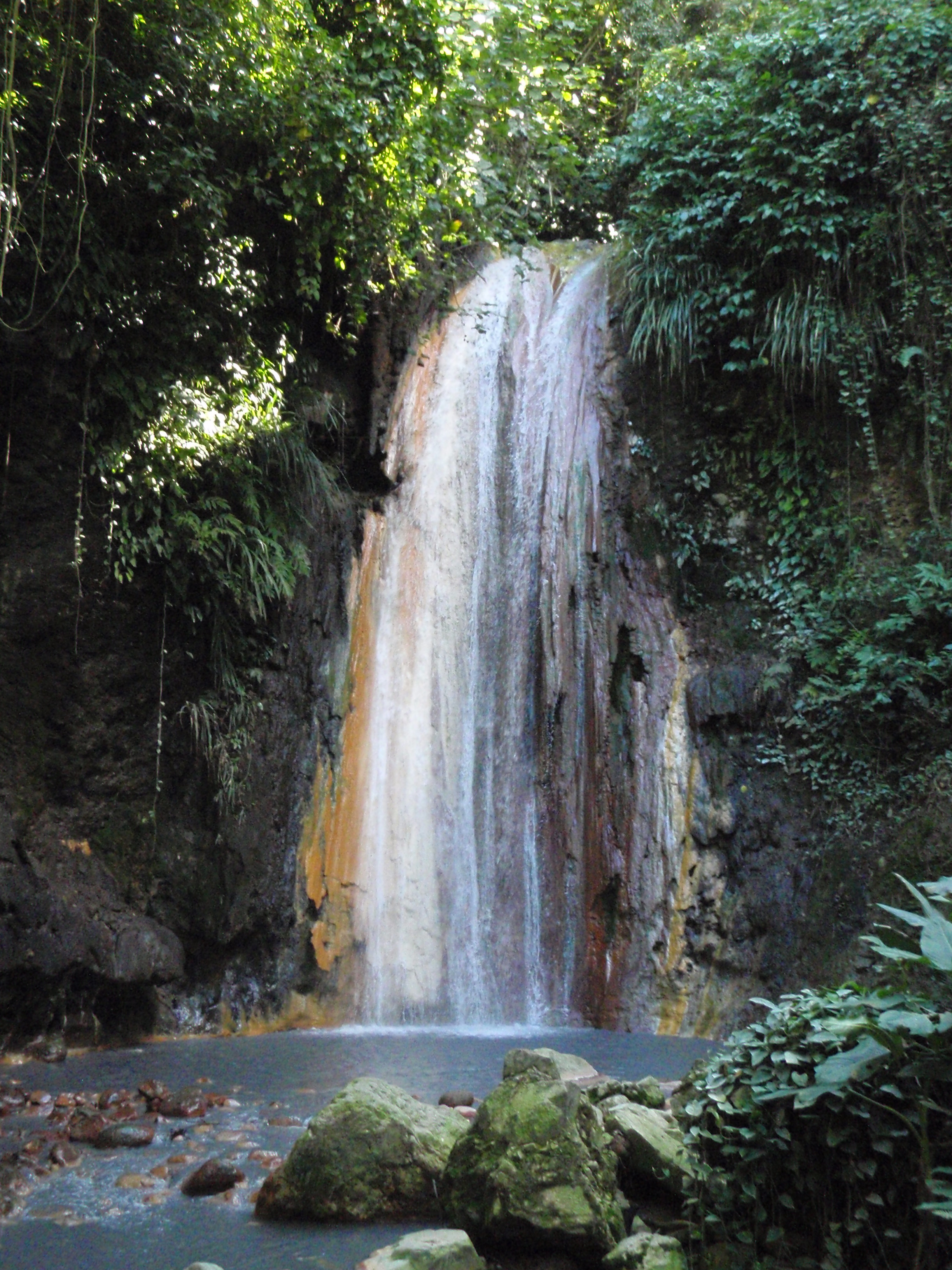
Read the guideRainforest waterfalls, botanical gardens and estates around Soufrière.
Read the guideCatamaran cruises, private charters and coastal trips along the west coast.
Read the guide
The video shows why people come. For the practical side, our area guides cover Soufrière, Rodney Bay, Castries, Marigot Bay and Vieux Fort, so you can match a base to the trip you want.
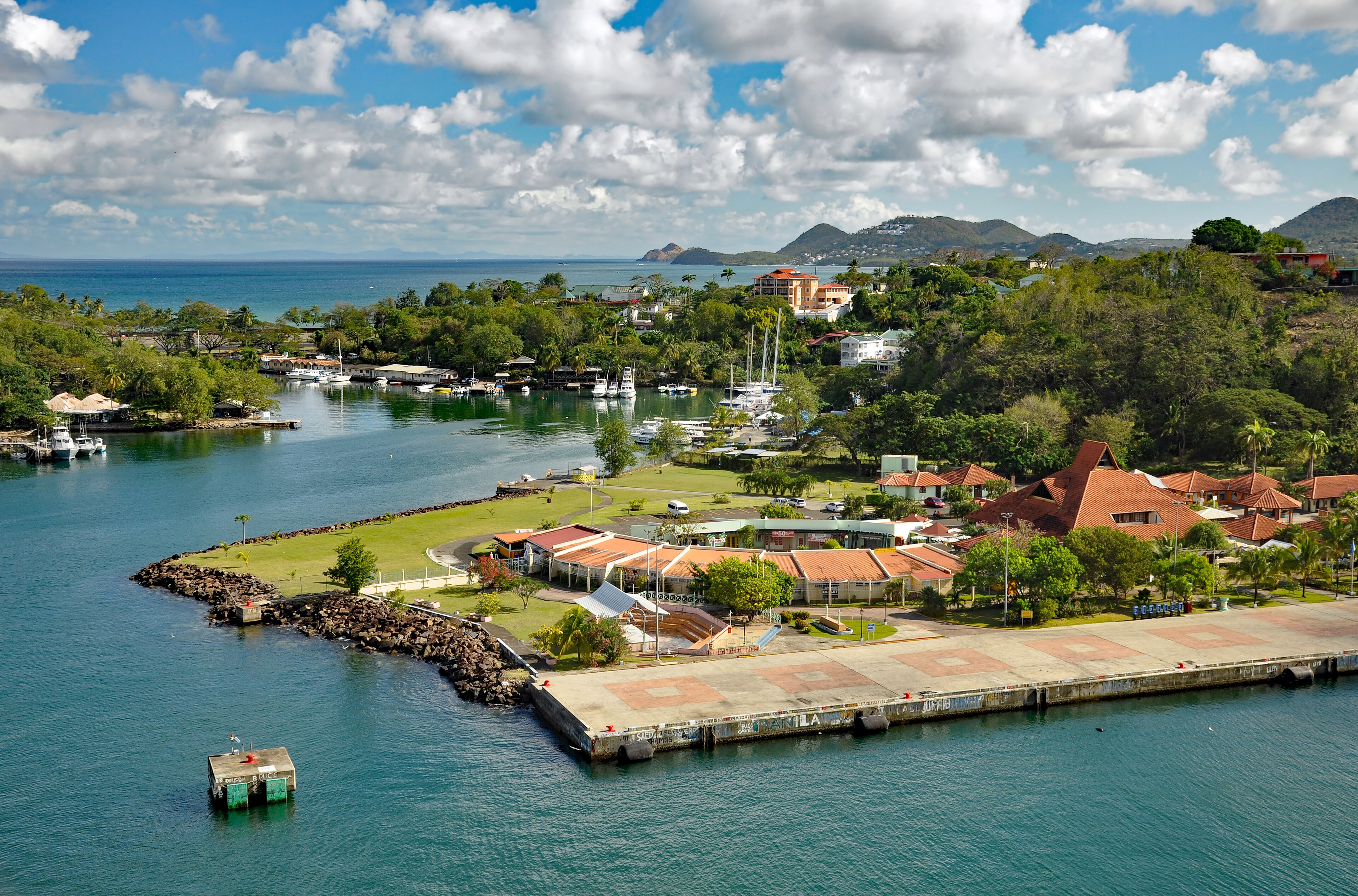
The capital: a working harbour city with a market, a cathedral and views from Morne Fortune.
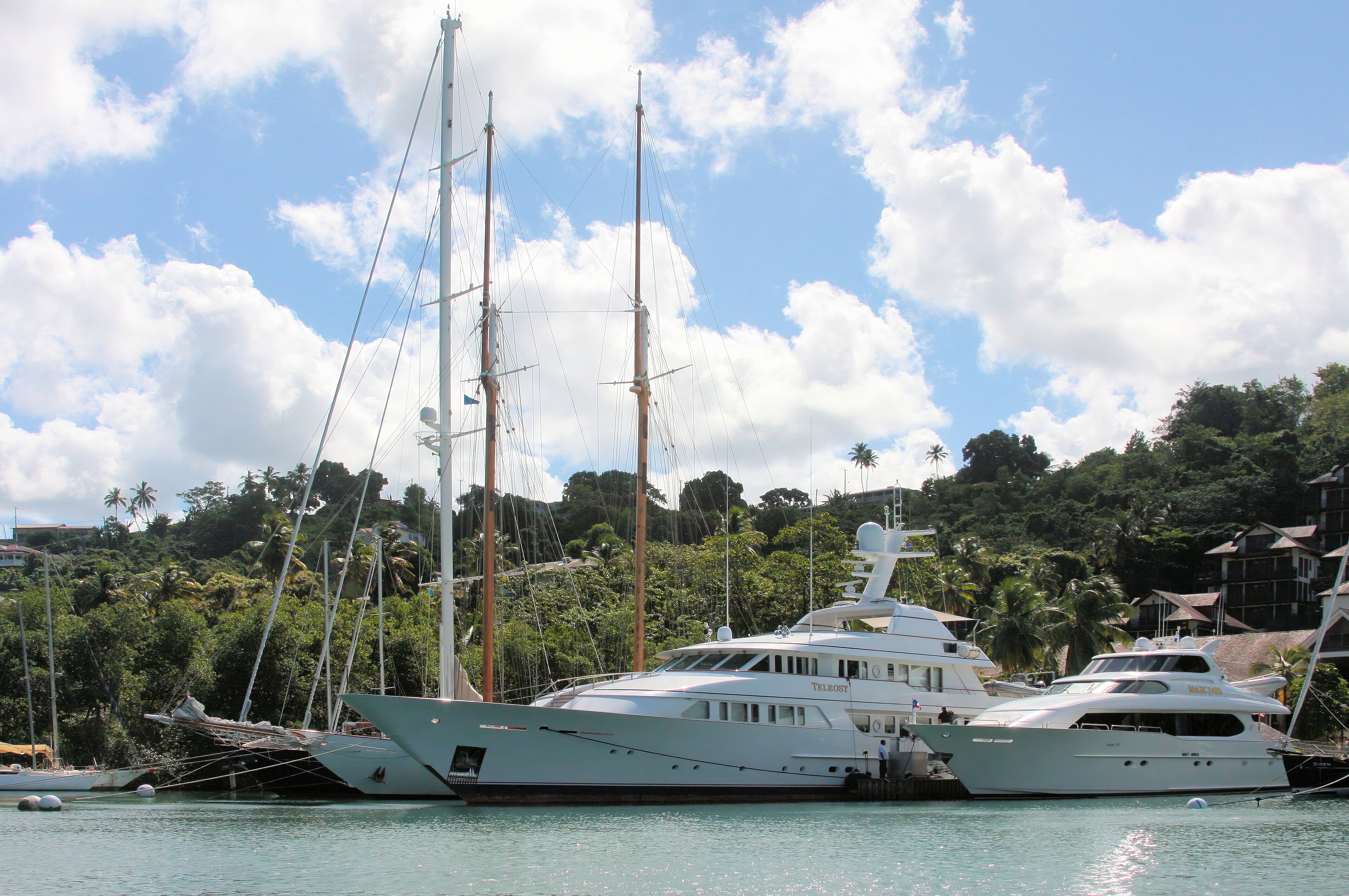
Read the guideOne of the most sheltered harbours in the Caribbean, with a marina and a village atmosphere.
Read the guideThe southern town beside Hewanorra International Airport, with windswept beaches and nature reserves.
Read the guideA fishing village at the northern tip, home to the Friday night street party and the gate to Pigeon Island.
Read the guideA west coast fishing village with a Friday fish fry and colonial streets above the bay.
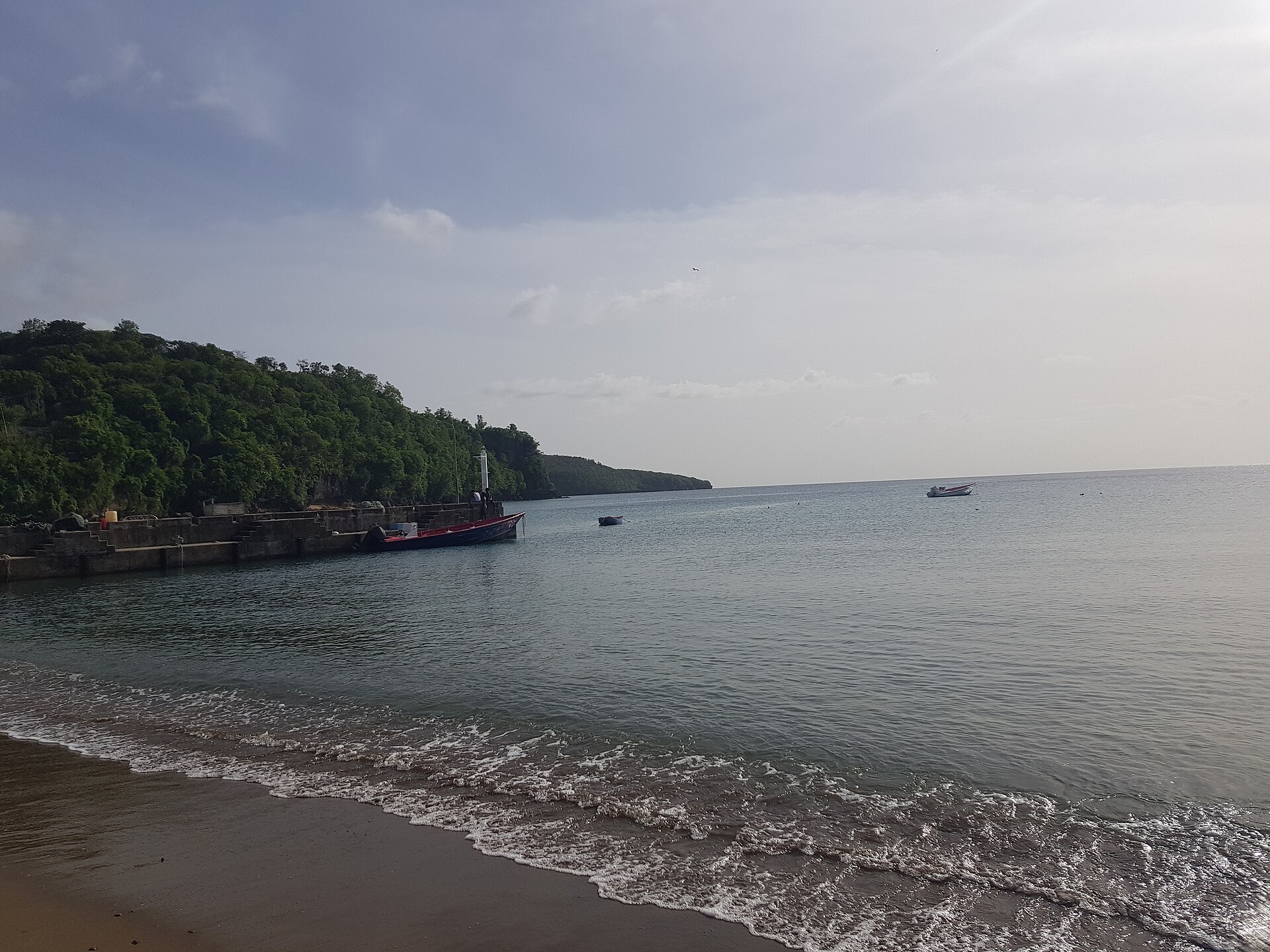
Read the guideA quiet south coast fishing village with a calm beach, a seaside park and Amerindian history.
Read the guideAn Atlantic coast fishing village with a Saturday fish fiesta and the wildest scenery on the island.
Read the guideCastries, Rodney Bay, Pigeon Island and the Friday night street party: the island's liveliest corner.
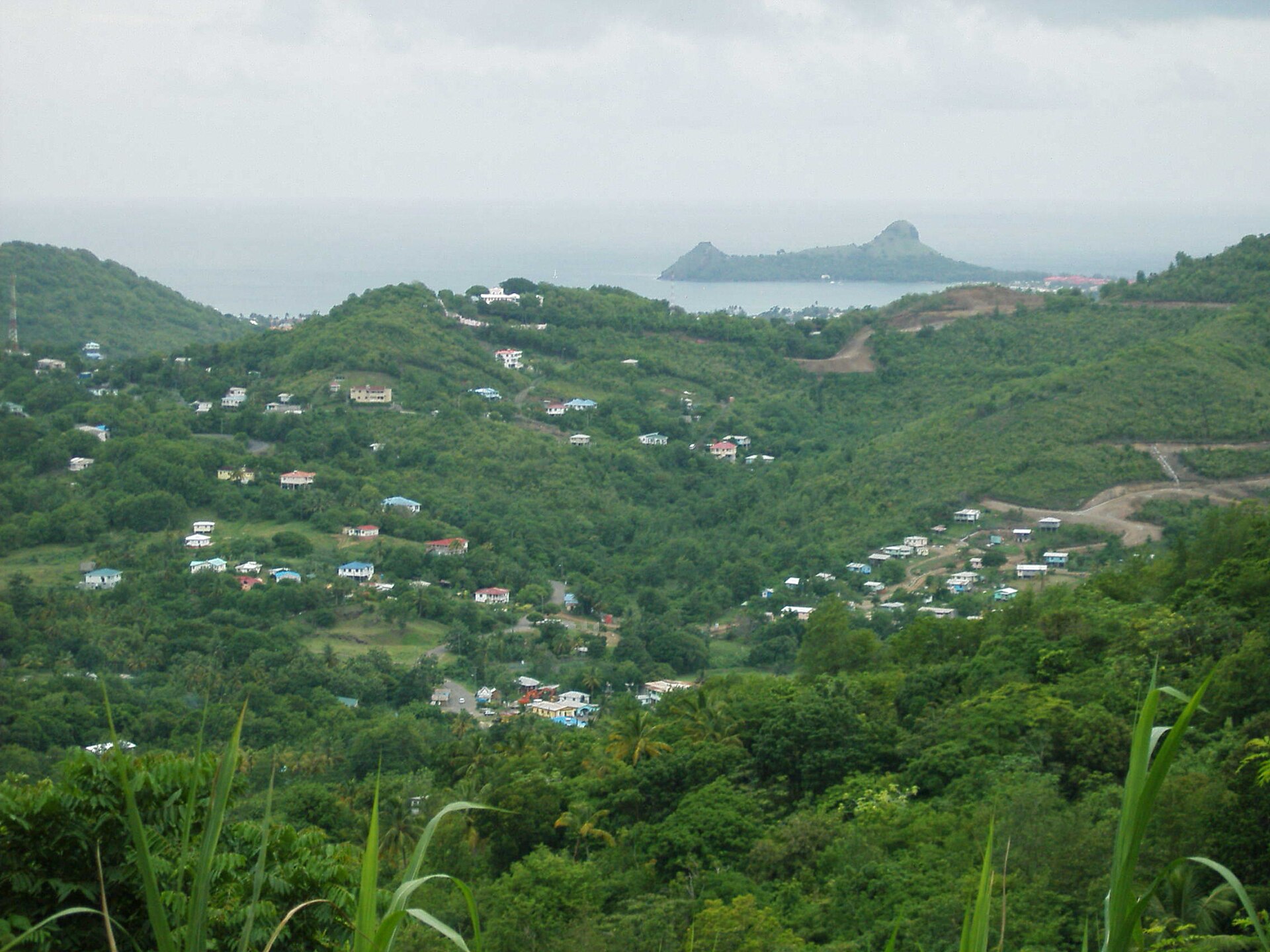
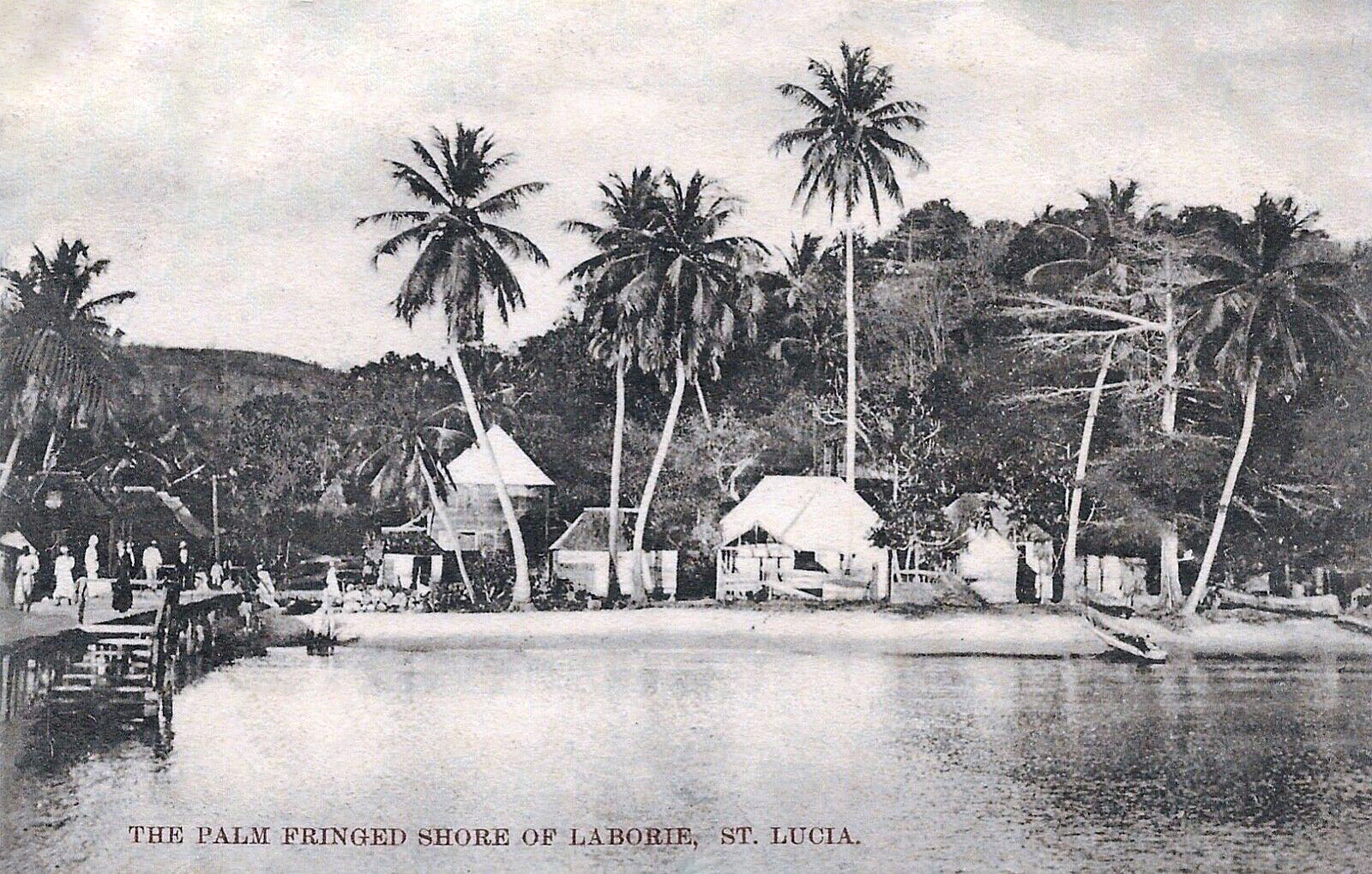
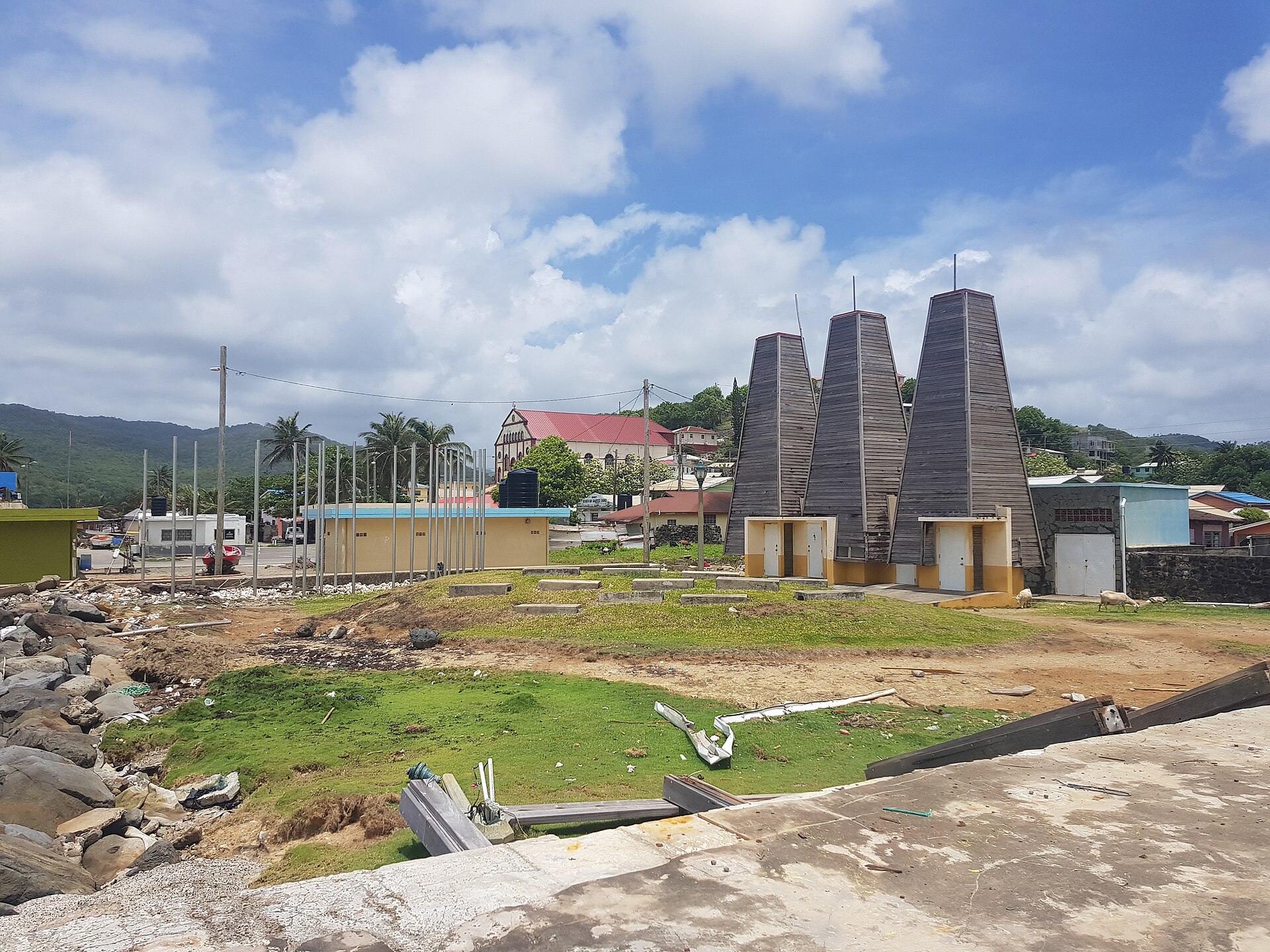
Read the guideVieux Fort, Anse des Sables, Moule a Chique and Laborie: open landscapes and a slower island rhythm.
Read the guideDennery, Fond d'Or, Mamiku Gardens and Praslin Bay: wild Atlantic scenery and village life.
Read the guideSoufriere to Canaries: the Pitons, volcanic springs, waterfalls, black sand coves and fishing villages.
Read the guideMaria Islands, the Frigate Islands and Pigeon Island: wildlife reserves and history just off the coast.
Read the guideThe craft capital of the southwest: pottery, baskets, Balenbouche Estate, quiet beaches and village life.
Read the guideAsk a question in your own words. The guide answers from the pages of this site and points you to the right one.
Ask about places to stay, things to do, the weather or getting here.
Saint Lucian food is Creole, fresh and bold, and the island makes its own rum and chocolate. Read our food and rum guide, then look at the cocoa estates. If you are planning a celebration, the weddings and honeymoons guide explains the options.
When you are ready, use the trip planning page to ask the guide a question or send an enquiry. For the wider destination picture, Visit St Lucia on VisitTravelGroup.com covers Saint Lucia for travellers and the tourism trade, and tourism boards can read about this platform on our page for destinations.
Saint Lucia is a volcanic island in the Windward Islands of the eastern Caribbean, between Martinique to the north and Saint Vincent to the south.
The twin Pitons, a UNESCO World Heritage Site, along with reefs, rainforest, hot springs, beaches, rum and cocoa.
The drier months, roughly December to May, are the most popular. The wetter months are quieter and greener.
Most international flights arrive at Hewanorra International Airport in the south. George F. L. Charles Airport in Castries mainly serves regional flights.
It depends on the trip. The south west around Soufrière and the Pitons suits couples, divers and anyone after dramatic scenery, while the north around Rodney Bay and Gros Islet suits families and those who want beaches, restaurants and nightlife close by. Compare resorts, boutique hotels and villas on the where to stay page.
Yes. Several resorts hold weddings and offer honeymoon packages, with settings that range from clifftop terraces to beach pavilions. The weddings and honeymoons guide sets out the venues, the legal steps and what UK couples usually need to arrange.
British passport holders can normally enter Saint Lucia without a visa for a holiday stay, but rules change, so check the visa and entry page and confirm your passport requirements before you travel.
Direct flights from London to Hewanorra International Airport take roughly nine hours, and most visitors then transfer by road or boat to their resort. The getting here guide explains transfer times to each part of the island.
Highlights include hiking or viewing the Pitons, soaking at Sulphur Springs, snorkelling the reefs, visiting a cocoa estate, sailing along the west coast and exploring Pigeon Island. The things to do guide covers each in detail.
Most visits are trouble free. Sensible precautions apply, as anywhere: keep valuables out of sight, use licensed taxis and follow local advice on swimming and hiking. The safety guide gives practical detail for UK travellers.