Explore Saint Lucia
Saint Lucia's West Coast: Soufriere to Canaries and the Pitons
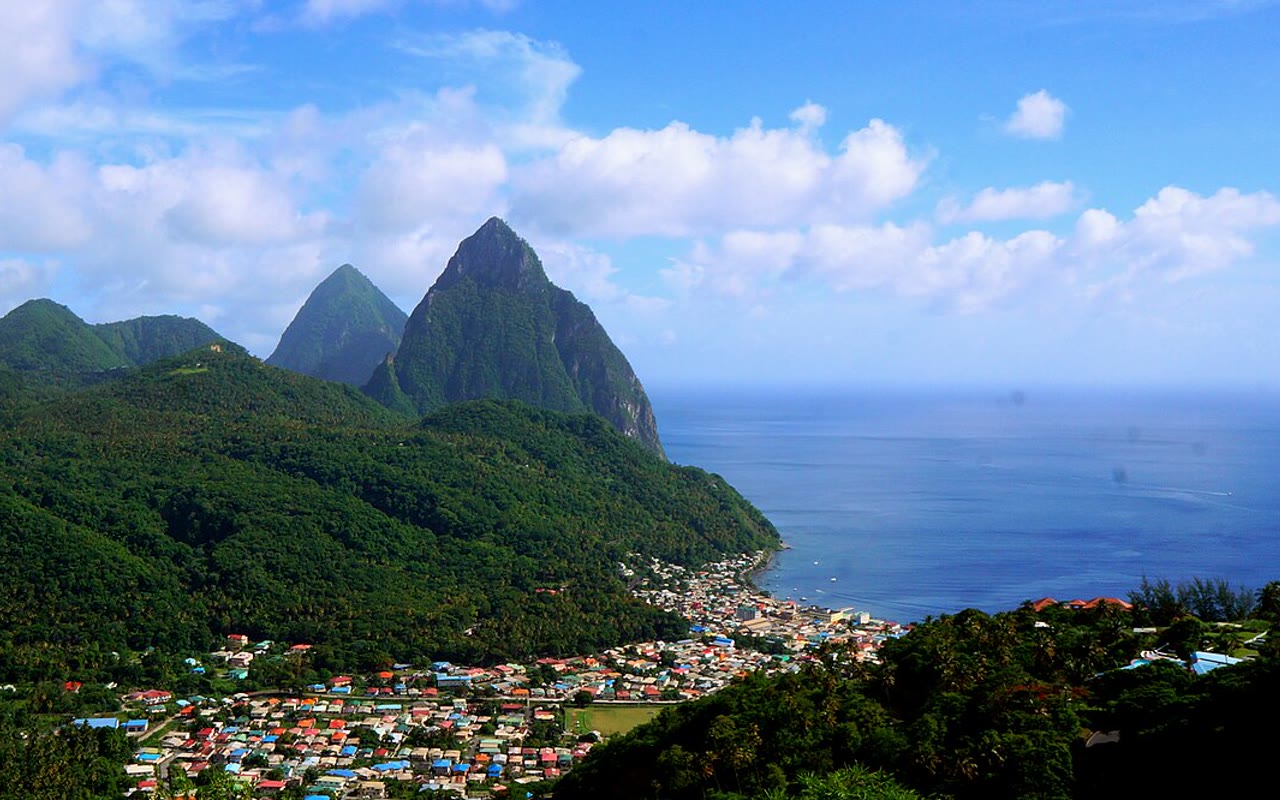
This is the postcard coast: two volcanic spires rising out of the Caribbean, steaming vents, warm bays and fishing villages tucked between the hills.
The island's wild western edge
The west coast is where Saint Lucia's most dramatic landscapes unfold. The Pitons, a World Heritage Site and one of the great sights of the Caribbean, tower over the sea. Around them sit volcanic mud baths, waterfalls, rainforest, secluded beaches and fishing villages where life still follows the tide. Everything is steep, green and close to the water, and the coast is sheltered from the Atlantic, so the sea is mostly warm and calm.
The region stretches from Soufriere in the south, past Anse La Raye and Canaries, to Marigot Bay near Castries. The part from Soufriere to Canaries is the heart of it, and it is the area most people mean when they say they are going to see the Pitons. Our Pitons guide explains the two peaks in more detail.
Signature sights
Petit Piton and Gros Piton are the stars. Gros Piton can be climbed with a guide on a demanding walk described in our Gros Piton hike guide, while the gentler Tet Paul Nature Trail leads through farmland to a viewpoint that frames both peaks. Sulphur Springs, near Soufriere, is known as the Caribbean's only drive-in volcano, where the earth breathes through steaming vents and bubbling pools and where mineral mud baths offer a very local way to relax. See our Sulphur Springs guide and the page on spa rituals and mud baths.
Around Soufriere you can also find Diamond Botanical Gardens and its mineral-coloured waterfall, Toraille Waterfall, and historic cocoa estates such as Fond Doux and Rabot. Our guides to waterfalls and gardens and cocoa and chocolate describe these in detail. The town of Soufriere itself, set beneath the Pitons, is where much of the island's identity takes shape, with streets that lead straight down to the sea.
- The Pitons, from a boat, a viewpoint or the Gros Piton trail.
- Sulphur Springs and the mineral mud baths.
- Diamond Falls, Toraille Waterfall and the botanical gardens.
- Cocoa estates around Soufriere.
Beaches, reefs and bays
Anse Chastanet and Anse Mamin are two neighbouring bays known for clear water and a quiet setting. Surrounded by dense greenery, they offer direct access to coral reefs and are among the most scenic points on the coast. Anse Chastanet has dark volcanic sand and a protected marine area that makes it one of the best snorkelling spots on the island. Anse Mamin, just along the coast, feels more secluded. Anse Cochon is a small bay with clear water and marine life, often reached by boat. Read more on our black sand beaches page and the snorkelling beaches guide.
Sugar Beach, set between the two Pitons, has white sand and calm, swimmable water, and it is among the most photographed spots on the island. Boat trips along the coast let you swim from the boat and see the Pitons from the sea, as described in our diving and snorkelling guide and sea tours page.
Villages, food and culture
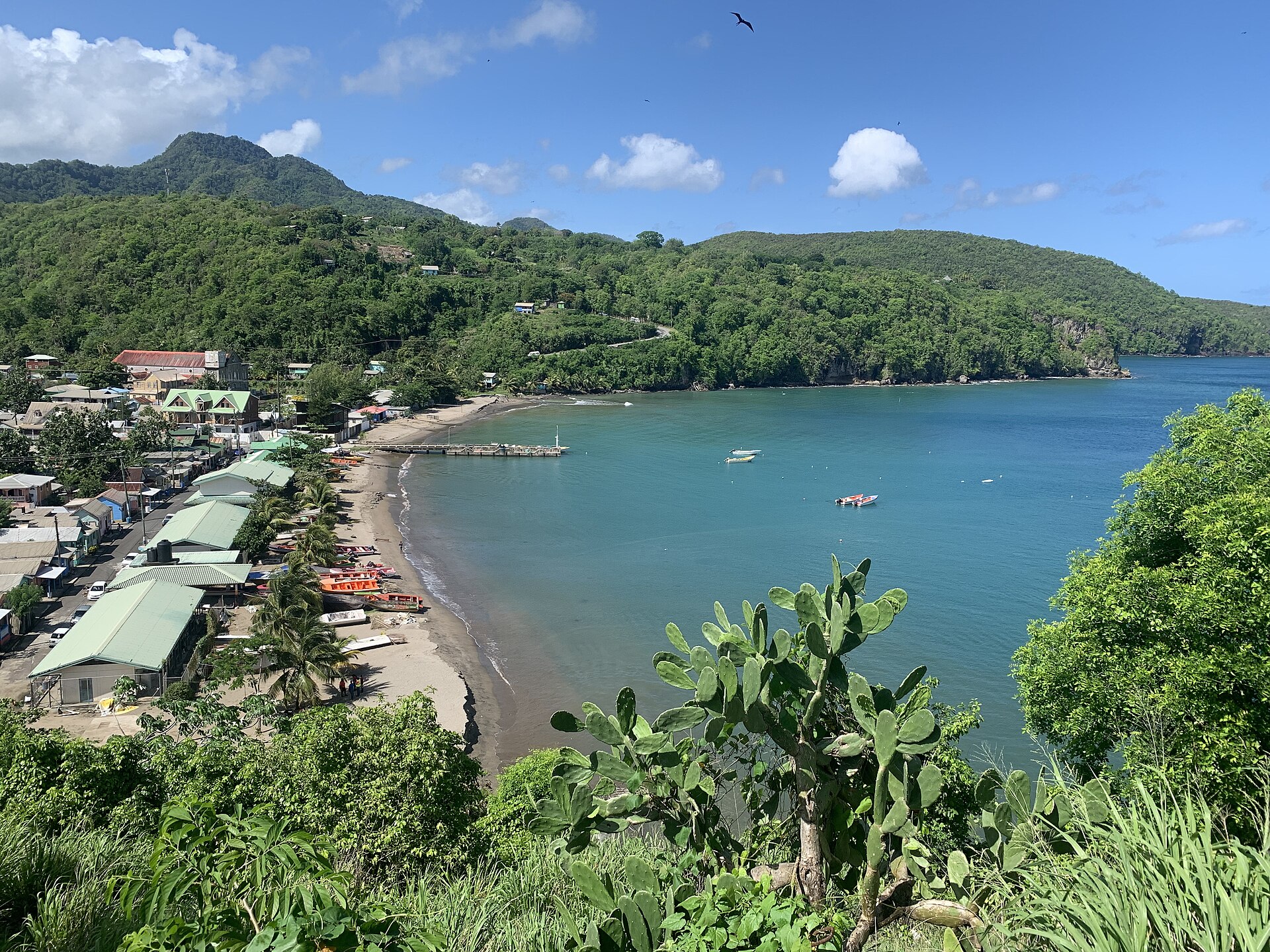
North of Soufriere the coast opens into fishing communities. Anse La Raye is known for its Friday evening fish fry, where stalls grill fish and lobster in the street and the whole village turns out. Canaries is a quiet village that was the last to be linked to the island's road network in the 1950s. Its people have a strong reputation for resilience and self-help, and the community is proud of its steel band, its sports and its cassava bread. Visitors can find a cassava bread workshop at Anse La Verdure, a chocolate factory at Belvedere, and river bathing spots in the surrounding hills.
Marigot Bay, just south of Castries, is a deep sheltered harbour that sailors call a hurricane hole. French and British fleets once hid there during their wars, and it appeared in films including the 1967 Doctor Dolittle and Pirates of the Caribbean. For food, look to our where to eat guide and the notes on the farm to table tastings around Soufriere.
Where to stay
The west coast holds the island's most famous hotels. Jade Mountain and Anse Chastanet sit above and beside their bay, Sugar Beach occupies the sand between the Pitons, and Ladera is built on a ridge with the peaks framed in its open rooms. Smaller guesthouses and villas sit around Soufriere and Canaries for those who want to spend less, and the mountain-top wedding venues here are popular with couples.
Our where to stay overview compares every property, and the weddings and honeymoons guide explains why this stretch is so popular with couples. Expect steep driveways and spectacular views. Many properties are far from shops, so check meal arrangements before you book.
Getting there and around
From Hewanorra International Airport, Soufriere is around 45 minutes by road and Canaries about an hour, while from the north it is more like an hour and a half or two. The road is scenic but narrow, with sharp turns and big changes in elevation, so it can feel longer, and travel sickness is not unknown. If the road does not appeal, a water taxi links the airport with resorts on the coast, and helicopter transfers shorten the journey further. See the getting here guide for options.
Once you arrive, a driver or a taxi is easier than a hire car, because parking is limited and bends are tight. Our getting around guide explains fares and licensed vehicles, and organised tours on our land tours page let you leave the driving to someone else. Boats are an excellent way to move between bays.
A day on the west coast
Start early at Tet Paul or the Gros Piton trail while the air is cool. Visit Sulphur Springs and Toraille Waterfall before lunch, then eat in Soufriere with a view of the peaks. In the afternoon, swim and snorkel at Anse Chastanet or relax on Sugar Beach, and finish with a drive north, stopping at the viewpoints along the road and at Marigot Bay for a drink on the water. On a Friday, Anse La Raye is a lively place to eat.
That plan is the core of our iconic Saint Lucia itinerary, and our nature and rainforest itinerary adds more trails and gardens. It works as a long day trip from the north, but staying nearby makes the day far less tiring.
Safety and practical notes
Wear shoes with grip on trails, and carry water, repellent and a light waterproof layer, because showers are common in the rainforest. Book guides for the Piton hikes, take the mud and mineral baths seriously if you have sensitive skin, and swim only where it is clearly safe. Check current times for the main sights before you go, since opening days vary.
Take care on the road at night and in heavy rain, when slips and floods can occur. Use licensed taxis and keep valuables out of sight. For more guidance, read the health, insurance and safety guide and the is Saint Lucia safe guide.
What is the best way to see the west coast of Saint Lucia in a day?
The best way to see the west coast of Saint Lucia in a day is to leave early with a driver, stop at Marigot Bay and Anse La Raye, visit the Sulphur Springs and gardens at Soufrière, and swim near the Pitons. The coast road is the island's main scenic route, with bays on one side and forest on the other, and the journey is as much a part of the day as any stop. Allow more time than the map suggests, because the road climbs and drops constantly, and the best viewpoints are worth a pause. Pack a swimsuit, a hat and a light towel, and wear shoes that cope with wet rocks and steep steps.
A good order of stops begins with the sheltered harbour at Marigot Bay for coffee and views, then continues to Anse La Raye for a look at the fishing boats and colonial streets. From there the road climbs towards Canaries, a quiet village with river bathing and a cassava bread workshop, before descending to Soufrière and the dramatic backdrop of the peaks. Banana farms cling to the steep slopes, and you will often see people carrying produce along the road, a sign of how closely farming and daily life are linked on this coast. Ask your driver to stop at a banana plantation or a cocoa estate if you have time, since it adds a whole new dimension to the day.
In Soufrière, the estates and springs are the main attraction. The town sits inside the rim of an ancient volcanic basin, and geothermal activity is still visible at the Sulphur Springs. Our Sulphur Springs guide describes the experience, and a late swim at one of the southwest bays washes the day away. If you are not staying in the area, make sure your driver knows your return time, and remember that the drive back takes at least as long as the journey out, so leave Soufrière before the light begins to fade. Remember to carry cash for entry fees and small purchases, and bring a change of clothes if you plan to bathe in the springs.
Which villages and viewpoints on the west coast are worth a stop?
On the west coast, stop at Marigot Bay for the harbour, Anse La Raye for fishing village life, Canaries for river and craft detail, and Soufrière for the estates and the views of the Pitons. Each has its own character. Marigot Bay is pretty and polished, a good place for a drink on the water. Anse La Raye is more honest about everyday life, and on a Friday evening its fish fry fills Front Street with grills and music. Canaries is a small village where the river runs close to the road, and the pace of life is slow and friendly. If time is short, choose two of these places and enjoy them properly, rather than racing through all four.
Viewpoints come at unplanned moments. A bend in the road opens on a bay with fishing boats and palms, and a stop of five minutes gives you a photograph that no brochure can match. Ask your driver to pause when the light is right. Late afternoon is the best time for the western views, when the sun lowers and the sea turns copper. Bring a camera with a zoom for the distant peaks, but remember that heat haze can soften the view at midday, so mornings and evenings usually give the clearest results. Ask your driver for the names of the places you pass, and write them down so that you can find them again.
Between the villages, rainforest walks and waterfalls offer a change of pace. Our waterfalls and gardens guide describes the better known falls, and several trails start close to the coast road. Pack a swimsuit and a towel in case you find a pool you cannot resist, and wear shoes that can cope with wet rocks. Check with local guides before bathing in rivers, since water levels can rise quickly after rain upstream, even on a fine day. Insect repellent is a good idea in the shade, and a small first aid kit is worth carrying if you plan to wander off the main road. Wear a hat and carry water at all times, since the shade is patchy on the coast road and the midday sun is fierce.
Where should I stay on the west coast of Saint Lucia?
On the west coast, stay in the Soufrière area for the Pitons and the reefs, at Marigot Bay for a sheltered harbour village feel, or at a hillside hotel for a view that you will not forget. The southwest holds the best known resorts on the island, from Anse Chastanet beside its reef to Ladera on its ridge, and each offers a different approach to the same landscape. The where to stay guide compares them, and it is worth reading before you decide how many nights to give to each part of the coast. Think carefully about how much time you want to spend in your room, since a view that takes your breath away can also be a reason to stay put.
Think about the type of holiday you want. If diving and snorkelling are your priority, a beachside resort with a dive centre makes sense. If views and privacy matter more, a ridge hotel with an open room gives you the peaks at sunrise. If you prefer to have restaurants nearby, Marigot Bay offers a walkable waterfront. Our Jade Mountain guide shows how architecture can shape a stay, with rooms open to the view and the sounds of the forest drifting in at night. Ask about the typical conditions in the season you plan to visit, since heavy showers in the wet months can affect open rooms. Choose a room category with care, since the view and the price differ greatly between floors and buildings.
Whichever you choose, ask about transport for evenings out. The roads are dark and winding, and many hotels arrange drivers to nearby restaurants. Book the busy months from December to April early, and check whether your hotel offers a boat transfer, which can be the most scenic way to arrive on this coast. The getting here guide explains airport transfers, and the journey from Hewanorra to the Soufrière area takes in the order of an hour, depending on traffic and the time of day. Ask too about taxis back from restaurants after dark, and agree the fare in advance. Confirm the route, the time and the price with the driver.
The west coast and the island's past
The calm Caribbean side was the focus of settlement for centuries. The accounts of French and British rule and slavery and emancipation explain how its towns and estates developed, while heritage and historic sites points to what survives.
For the natural side, the pages on geology and volcanoes and marine life explain the dramatic coast and the sea beside it.
Where to stay and how to plan
Most visitors fit this into St Lucia holidays, so choose your base first. Compare hotels in St Lucia by area and style, and read our guides to luxury hotels in St Lucia and all inclusive resorts in St Lucia if you are choosing between a boutique stay and an all in package.
Then set your dates with the best time to visit St Lucia, book flights to St Lucia and pick days out from our St Lucia itineraries. Couples can also read about a honeymoon in St Lucia or weddings in St Lucia.
Questions travellers ask
What is the west coast of Saint Lucia known for?
It is known for the Pitons, Sulphur Springs, rainforest, waterfalls, black sand bays, Marigot Bay and quiet fishing villages such as Canaries.
How long does it take to drive from the airport to Soufriere?
Roughly 45 minutes from Hewanorra Airport. Canaries is about an hour away, and the road is scenic but narrow with sharp turns.
Is it better to stay in Soufriere or the north?
Soufriere puts you beside the main sights and the most dramatic scenery. The north suits those who want restaurants, nightlife and calm beaches close at hand.
Can I swim near the Pitons?
Yes. Sugar Beach and Anse Chastanet have calm, swimmable water, and boat trips usually include swim and snorkel stops with views of the peaks.
What happens at Anse La Raye on Fridays?
A street fish fry sets up in the village, with stalls grilling fish and seafood and music playing. Bring small notes and an appetite.
Is Canaries worth visiting?
Yes, if you like quiet village life. Look for the cassava bread workshop, river bathing spots and views, and enjoy the unhurried pace.
Do I need a guide to climb Gros Piton?
A guide is required for the trail and is a good idea for safety. Start early, wear proper footwear and carry plenty of water.
Is the west coast suitable for a day trip from Rodney Bay?
It is possible, but the drive is long and winding. A tour or driver makes it easier, and staying overnight lets you see more.
How long does it take to drive the west coast of Saint Lucia?
Allow roughly two hours from Castries to Soufrière without stops, and longer with stops, because the road is winding and passes through villages. Start early.
Is the west coast good for swimming?
Yes. The Caribbean side is generally calm, and beaches near Soufrière such as Sugar Beach and Anse Chastanet have swimmable, clear water. Always check the sea state with local staff before entering the water.
What is the best stop between Castries and Soufrière?
Marigot Bay for a harbour view and a drink, and Anse La Raye if you are travelling on a Friday, when the fish fry takes over Front Street.
West coast of Saint Lucia on the map
West coast of Saint Lucia is around 13.9300 degrees north, 61.0400 degrees west. Map data from OpenStreetMap contributors.
Ask Lucy about West coast
Ask about places to stay, things to do, the weather or getting here.
Keep exploring Saint Lucia
Looking for the industry view? Visit St Lucia on VisitTravelGroup.com covers the destination for travellers and the tourism trade.
More from the Visit Travel Group network: VisitTravelGroup.com, Benidorm.co.uk, Anguilla.co.uk, TheRedSea.co.uk.