About Saint Lucia
Heritage and Historic Sites in Saint Lucia: Forts, Estates and World Heritage
For such a small island, Saint Lucia has a deep and layered past, from Amerindian settlements and fought-over forts to plantation estates and a cathedral that dominates the capital.
A layered past
Saint Lucia changed hands between the French and the British many times in the seventeenth and eighteenth centuries, and the island's strategic position made it a prize. That history left forts on its headlands, plantation estates in its valleys and a French-influenced culture that survives in food, place names and the Kwéyòl language. Earlier still, Amerindian peoples settled the coast and left pottery, stone tools and carvings.
The story is told in detail in our history of Saint Lucia and in the guides to French and British rule and slavery and emancipation. This page focuses on the places you can actually visit, and on the organisation that looks after many of them.
The Saint Lucia National Trust
The Saint Lucia National Trust is a non-profit body created by law in 1975 to conserve the island's natural and cultural heritage. It manages Pigeon Island National Landmark, the historic area of Morne Fortune, and several nature reserves, including the Maria Islands. Entry fees and donations at its sites support their upkeep, and a visit helps pay for preservation.
The Trust sits alongside other bodies, such as the Soufrière Foundation and the Soufrière Marine Management Association, which look after the Pitons area and its coast. Our conservation and protected areas guide explains the wider system, and our guide to history and culture offers ways to experience it.
The Pitons Management Area
The best-known heritage site is the Pitons Management Area, inscribed on the UNESCO World Heritage List in 2004 as a natural site. It covers about 2,909 hectares on the southwest coast, including Gros Piton and Petit Piton, the ridge between them, the surrounding forest and coastal waters with reefs. UNESCO recognised it for its outstanding natural beauty and for its geology, as an example of volcanic domes rising from the sea.
It is a place to enjoy rather than only admire. You can hike Gros Piton with a trained local guide, swim and snorkel along the coast, and take boat trips beneath the peaks, with fees helping pay for the management of the area. Our Pitons guide and Gros Piton hike guide have the practical information, and the geology guide explains how the peaks formed.
Pigeon Island National Landmark and Fort Rodney
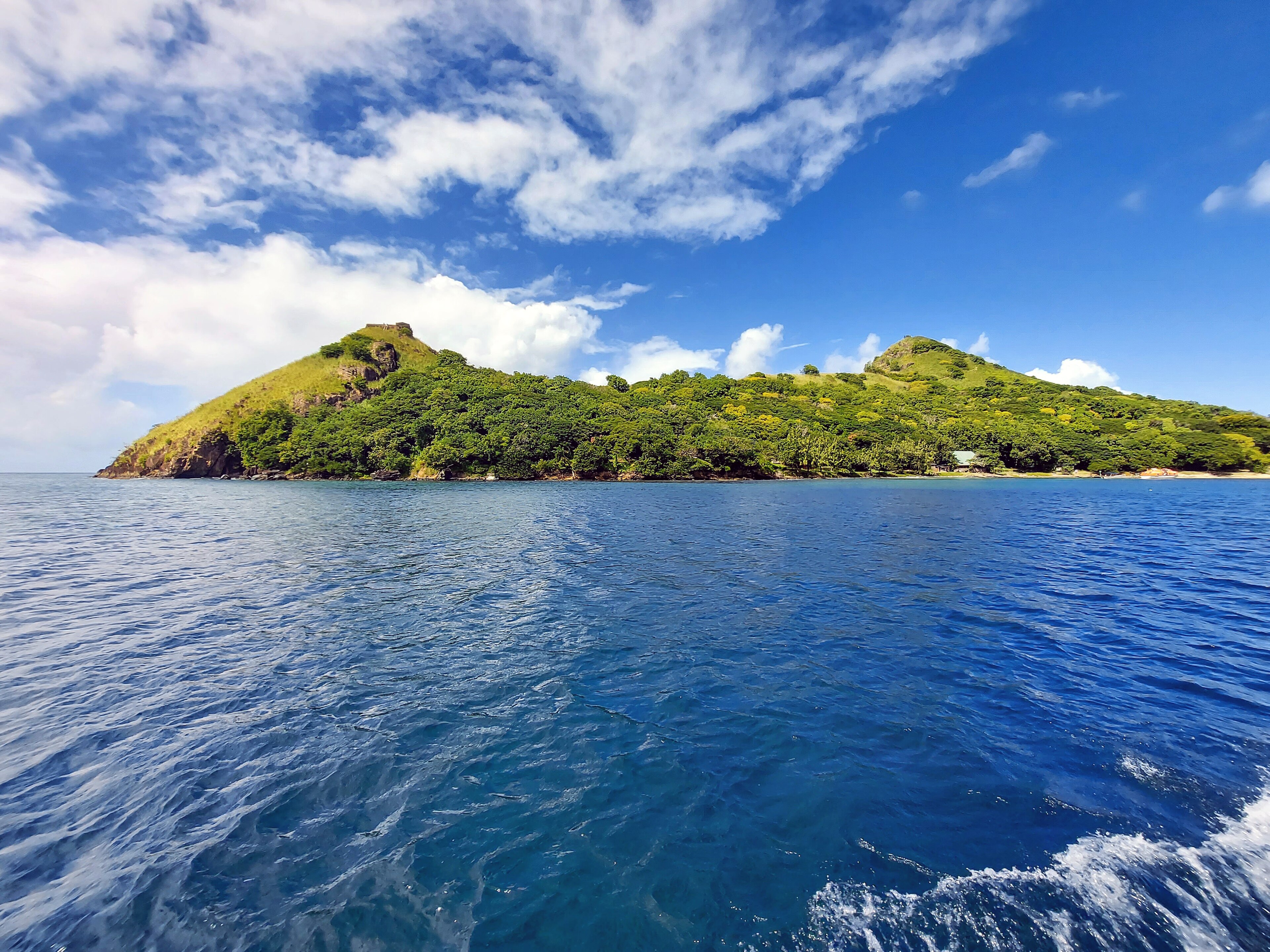
Pigeon Island, in the north, is a 44-acre headland that was once a true island and has been joined to the mainland by a causeway since the early 1970s. It became a national park in 1979 and a national landmark in 1992. Amerindian artefacts found here date back about a thousand years, and in the sixteenth century a French pirate, François Le Clerc, is said to have used it as a base.
Between 1779 and 1782 the British admiral George Rodney fortified the island, and his lookout on the higher peak, Signal Hill, let him watch the French fleet at Martinique. In 1782 he sailed from here to win the Battle of the Saintes. Visitors can walk to the ruins of Fort Rodney, the barracks and the officers' mess built in 1808, and enjoy views over Rodney Bay and towards Martinique. The island also hosts concerts, including events of the Saint Lucia Jazz and Arts Festival. See the Pigeon Island guide, historic forts and ruins and festivals and events.
Morne Fortune and the heart of Castries
Overlooking Castries, Morne Fortune was once the seat of French military power on the island, and the French began a citadel here in the 1760s, completed in the 1780s. The hill passed between French and British hands in the 1790s and was captured by the British in 1796, before becoming a long-term British garrison. Fort Charlotte, named in 1794, stands among the old military buildings, and a memorial remembers soldiers of the Inniskilling regiment. The viewpoint over the capital and harbour is one of the best on the island.
Down in the city, Derek Walcott Square is a green space renamed in 1993 in honour of the Nobel-winning poet, who was born in Castries. Facing it stands the Cathedral Basilica of the Immaculate Conception, completed in 1897 and made a minor basilica in 1999. Its interior includes work by the Saint Lucian artist Dunstan St Omer, and Pope John Paul II visited in 1986. Read about the poet in our literature and Nobel laureates guide and the capital in the Castries guide.
Estates, gardens and plantation houses
Old sugar and cocoa estates are among the island's most rewarding heritage stops. Soufrière Estate and the Diamond Botanical Gardens trace their roots to a French grant of 1713, and its mill dates from 1765 and the mineral baths from 1784. Fond Doux is a working cocoa plantation near Soufrière where you can see drying sheds and sample chocolate. Morne Coubaril, close by, has a restored plantation village that shows how coconuts, cocoa and cassava were processed.
Further south, Balenbouche in Choiseul has the remains of an eighteenth-century sugar factory and a long-lived stone aqueduct, and the Lawaetz family, who have owned it since the 1960s, run it as a guesthouse. On the east coast, Mamiku near Praslin is a former sugar estate now known for its gardens, which include herbs and orchids, with a small display of artefacts. Opening arrangements change, so check before you go. Our guides to cocoa and chocolate and botanical gardens and nature parks help you plan.
Archaeological sites
Saint Lucia's first inhabitants were Amerindian peoples who arrived from South America, and the island has many archaeological sites where pottery fragments, stone tools and carved rocks have been found. Petroglyphs and rock basins have been recorded on the Balenbouche estate, and Fond d'Or on the east coast preserves traces of Amerindian settlements next to remains of three kinds of sugar-making technology. Artefacts from Pigeon Island are about a thousand years old.
Most sites are modest in appearance, and their value lies in context, so go with a guide or visit the interpretation centres on the estates. Never remove pottery or stones, because even small pieces help archaeologists understand how the island was used. Our first peoples and European contact guide explains who lived here and what happened next.
Visiting tips
Many heritage sites are outdoors, on hills, and in the sun, so go early, wear good walking shoes and carry water. Several sites charge a small entry fee, and some require a guide or an appointment, so check opening hours in advance. Cruise passengers can reach Morne Fortune, the cathedral and the market from the port in a morning, while Pigeon Island and the Pitons make full-day trips.
To bring the places to life, combine sites into themed days. Pair Pigeon Island with a sunset sail, or the Pitons with a cocoa estate and a mud bath. Our art and heritage tours and culture and local experiences itinerary offer ready-made ideas, and the land tours guide lists operators who arrange transport and guides.
Questions travellers ask
Is Saint Lucia a World Heritage Site?
Yes. The Pitons Management Area was inscribed on the UNESCO World Heritage List in 2004 as a natural site. It covers about 2,909 hectares on the southwest coast.
Who built Fort Rodney?
The British, under Admiral George Rodney, fortified Pigeon Island between 1779 and 1782 to watch the French fleet at Martinique. The ruins can still be explored today.
Is Pigeon Island really an island?
It was once, but it has been joined to the mainland by a causeway since the early 1970s. It is now a national landmark that you can walk onto easily.
What does the Saint Lucia National Trust do?
It is a non-profit body set up in 1975 that protects natural and cultural sites such as Pigeon Island and Morne Fortune, supported by entry fees and donations.
What can I see at Morne Fortune?
You can see the old French and British military buildings, Fort Charlotte, a regimental memorial and wide views of Castries and its harbour, all on the hill above the capital.
When was the cathedral in Castries built?
The Cathedral Basilica of the Immaculate Conception was completed in 1897 and designated a minor basilica in 1999. It faces Derek Walcott Square in the city centre.
Can I visit a working cocoa plantation?
Yes. Fond Doux near Soufrière is a working plantation with drying sheds and tastings, and other estates nearby offer tours. Check opening times and book ahead.
Are there Amerindian sites to visit?
Yes, though they are modest. Balenbouche has petroglyphs, Fond d'Or has settlement remains, and Pigeon Island has artefacts. A guide helps you understand what you are seeing.
Do I need a guide for heritage sites?
Some, such as the Gros Piton trail, require one. Others are easy to visit alone, but a guide adds stories and context that you would not otherwise get.
Morne Fortune on the map
Morne Fortune is at 13.9997 degrees north, 60.9957 degrees west. Map data from OpenStreetMap contributors.
Ask Lucy about Heritage and historic sites
Ask about places to stay, things to do, the weather or getting here.
Keep exploring Saint Lucia
Looking for the industry view? Visit St Lucia on VisitTravelGroup.com covers the destination for travellers and the tourism trade.
More from the Visit Travel Group network: VisitTravelGroup.com, Benidorm.co.uk, Anguilla.co.uk, TheRedSea.co.uk.