Things to do
Historic Forts and Ruins in Saint Lucia
Cannons, barracks, mill chimneys and sweeping views. The island's military and plantation history is scattered across hilltops and estates.
An island fought over
Saint Lucia sits in a prized position among the Windward Islands, and for generations Britain and France contested it. Control changed hands many times, and the evidence is still there in the names, the languages and the stonework. Forts were built on high ground to watch the sea, and estates grew up in the valleys behind them.
Exploring these places is a gentle way to understand why the island is the way it is. Most of the sites are short visits, and nearly all of them come with a view, so they work well on days when you want something between a beach and a long hike.
Pigeon Island and Fort Rodney
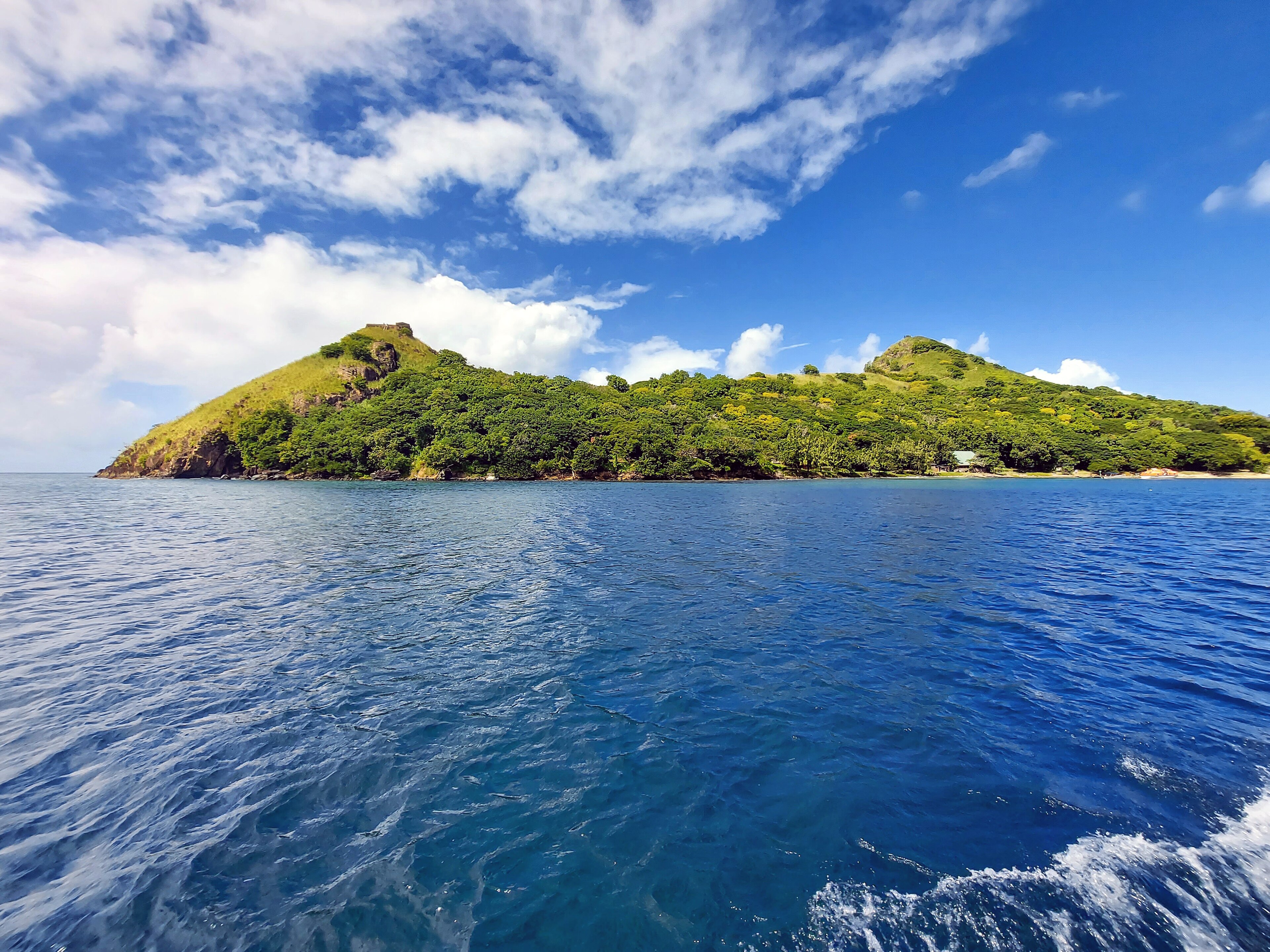
The most complete site is Pigeon Island National Landmark. Fort Rodney and the surrounding ruins include old cannons, barracks and colonial defences linked to the French and British battles of the eighteenth century. From the upper viewpoints you look back over Rodney Bay and out across the water towards Martinique on a clear day.
Guided experiences add useful context, explaining who built what and why the position mattered. Paths include some climbs, so wear shoes with grip, and bring water. Allow two to three hours, and plan a swim afterwards from the beaches beside the causeway. The bay itself is covered in our Rodney Bay guide.
Morne Fortune and Fort Charlotte
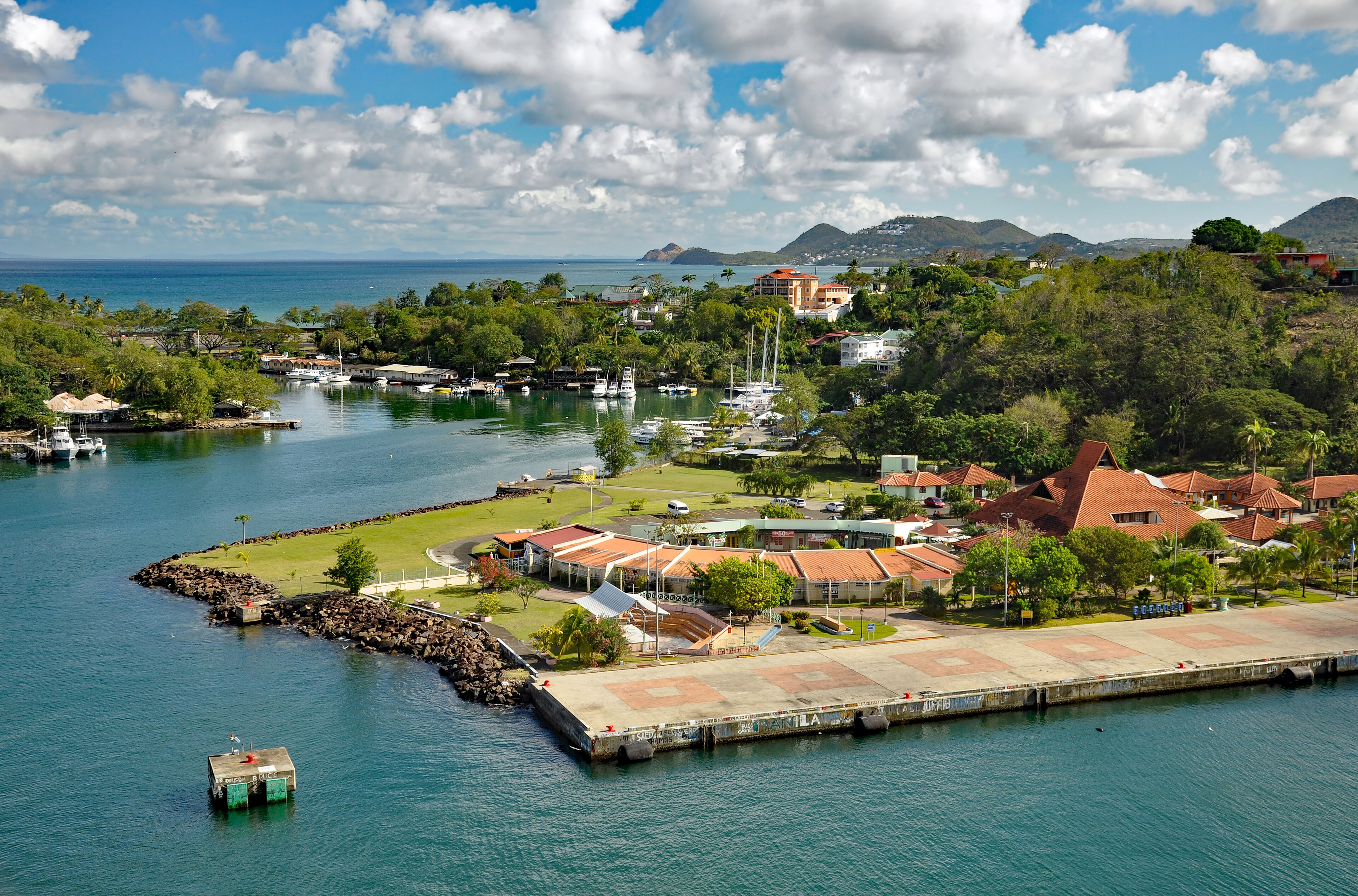
Above Castries, the hill known as Morne Fortune holds the remains of Fort Charlotte, one of the island's major strongholds during the struggle between the French and the British. Pieces of the fort and its military structures are scattered across the hillside, and the view over the harbour explains immediately why the position was worth fighting for.
Heritage tours of the capital often link the hill with Castries Market, Derek Walcott Square and other landmarks, mixing history with everyday town life. Our history and culture guide and art and heritage tours guide describe more of these walks.
Estates, mills and wartime Vieux Fort
Not every ruin is a fort. At Balenbouche Estate on the southern coast, old mill ruins, stone structures and heritage buildings recall the plantation era, and guided visits combine storytelling with the history of local agriculture. Near Soufrière, Fond Doux Estate preserves colonial-era buildings among gardens and cocoa trees, a good stop alongside our cocoa and chocolate guide.
In the south, Vieux Fort has a more recent military story. It began as a base during the Second World War and later became the island's main aviation hub. Traces of that history sit alongside the coast and the viewpoints near Moule a Chique, giving the south a different flavour from the forts of the north.
Making the most of a visit
Guides make a real difference at these sites. Stones become stories, and you learn about the people who lived and worked there, not just the soldiers. Many guides are local, so you also support the community. Wear comfortable footwear for uneven stone and hillside paths, carry water, and go early or late to avoid the heat.
Check current opening times and entry arrangements before you set out, as they change. Take care on steep edges, keep to marked paths and leave ruins as you find them, in line with our responsible travel guide.
- Allow an hour or two for each fort or estate.
- Combine a fort with a nearby beach or lunch stop.
- Bring a hat and a light rain jacket in the wetter months.
Sample day plans
From the north, start at Pigeon Island in the morning, then take lunch in Rodney Bay and drive to Morne Fortune for the late afternoon light. From the southwest, pair Fond Doux with the waterfalls and gardens and a view of the Pitons, perhaps using our culture and local experiences itinerary as a guide.
If you are travelling with children, forts with cannons and open lawns are usually a hit. The land tours guide explains how to join a guided day that links several sites, and the explore section helps you decide where to base yourself.
Which historic forts and ruins are worth visiting in Saint Lucia?
The historic sites most worth visiting in Saint Lucia are Fort Rodney on Pigeon Island, the hilltop remains at Morne Fortune above Castries, the estates of Fond Doux and Balenbouche, and the wartime heritage of Vieux Fort. Of these, Pigeon Island National Landmark has the richest layers. Admiral Rodney used the island between 1779 and 1782 as a lookout over the French naval base across the water on Martinique, and the higher of its two peaks, Signal Peak, gave him a clear line of sight. Barracks and officers' quarters were added in the early nineteenth century and stayed in use for decades, and the stonework you walk among today is a mixture of those periods.
The twentieth century added another chapter. During the Second World War the island served as a communication station, and the nearby shoreline hosted a naval air base whose flying boats patrolled for submarines. Visitors to the park today can see the ruins of the fort and the Two-Gun Battery, walk the short trails up to the viewpoints and look into the small museum run by the Saint Lucia National Trust, which covers military history, archaeology and natural heritage. The park became a national landmark in 1992, and it is cared for as both a heritage site and a place for picnics, swims and outdoor concerts.
It is easy to treat a fort as a view with a few cannons, but a little reading changes the visit. The struggle between France and Britain for these islands is explained in our background guide to French and British rule, and it explains why the names on the map shift between languages. If you can, go with a guide, who will turn piles of stone into barracks, kitchens and gun platforms. Allow time for a swim at the beach beside the causeway afterwards, because the climb to the upper paths is warm work and shade is limited.
What is the story of Morne Fortune and Fort Charlotte?
Morne Fortune, the hill above Castries, became the French military headquarters in 1765 and the setting for Fort Charlotte, whose control passed back and forth between France and Britain before it stayed British until independence in 1979. The French moved their headquarters and administration there from Vigie Height and renamed the hill Morne Fortuné, which later became Morne Fortune. Their citadel was completed in 1784. The British captured it in 1794, lost it to the French the following year, took it again in 1796 and returned it to France under the Treaty of Amiens in 1802. In June 1803 British forces won it back for good.
Standing on the hill, it is easy to see why so many commanders wanted it. The ridge looks down over the harbour of Castries and out to sea, so anyone approaching the capital by water could be seen long before they arrived. A memorial to the 27th Inniskilling Regiment of Foot still stands on the hill and commemorates the fighting. Fragments of the fortifications and other military structures are scattered over the slopes, so the experience is more about wandering and imagining than about visiting a single preserved building, and the views repay the climb even if you have no interest in battles.
The hill suits a late afternoon visit, when the light softens over the harbour and the heat eases. Guides often link it with a walk through the capital, taking in the market and Derek Walcott Square, so that the military story sits alongside everyday life in the town. The island's path to nationhood, from colony to self-government and then independence, is told in our article on independence and modern history, and it makes a good companion if you want to understand what the flag-raising of 1979 meant for a place that had changed hands so often.
How do I plan a day of history in Saint Lucia?
Plan a history day in Saint Lucia by pairing Pigeon Island in the morning with Morne Fortune in the late afternoon if you are based in the north, or Fond Doux with the Soufrière gardens if you are based in the southwest. Fond Doux sits beneath the Pitons and preserves colonial-era buildings among gardens and cocoa trees, so a tour there can include a lesson in cocoa heritage alongside the architecture. Our guide to cocoa and chocolate explains how a visit works, and a tasting makes a natural end to the walk.
On the southern coast, Balenbouche Estate keeps the ruins of an old mill, stone structures and heritage buildings from the plantation era, and guided visits combine storytelling with the history of local farming. Further east, Vieux Fort began as a Second World War base and later became the island's main aviation hub, with traces of that past visible near the lookout at Moule a Chique. Together these places give the south of Saint Lucia a different character from the forts of the north, one shaped by sugar, soldiers and, later, aircraft.
Practical habits help. Wear shoes with grip, because stone steps and hillside paths are uneven, and carry water. Go early or late to avoid the strongest sun, and check opening arrangements locally before you set out, as they change. If you would rather not drive yourself, a guided circuit on one of our land tours can link several sites in a day. Children usually enjoy cannons and open lawns, while history enthusiasts will want to spend longer at each place and read as much as the guides can tell them.
The history that built the forts
Forts and ruins tell a story of rivalry and endurance. The accounts of French and British rule and first peoples and European contact set the scene, and slavery and emancipation covers the human cost.
The heritage and historic sites page lists more places, and the history of Saint Lucia gives the full timeline.
Where to stay and how to plan
Most visitors fit this into St Lucia holidays, so choose your base first. Compare hotels in St Lucia by area and style, and read our guides to luxury hotels in St Lucia and all inclusive resorts in St Lucia if you are choosing between a boutique stay and an all in package.
Then set your dates with the best time to visit St Lucia, book flights to St Lucia and pick days out from our St Lucia itineraries. Couples can also read about a honeymoon in St Lucia or weddings in St Lucia.
Questions travellers ask
What is the best historic site in Saint Lucia?
Pigeon Island National Landmark is the most complete, with Fort Rodney, barracks, cannons and views over Rodney Bay.
Where is Fort Charlotte?
It is on Morne Fortune, the hill above Castries, overlooking the harbour. Remains of the fort are scattered across the hillside.
Why did France and Britain fight over Saint Lucia?
Its position and harbours were valuable in the struggle for the Caribbean, so control changed hands many times over the centuries.
Are there plantation ruins to visit?
Yes. Balenbouche Estate in the south and Fond Doux Estate near Soufrière preserve mills, stonework and colonial-era buildings.
What is the military history of Vieux Fort?
Vieux Fort began as a base during the Second World War and later became the island's main aviation and transport hub.
Do I need a guide?
A guide is not always required, but it adds context about people, dates and events that you will not get from the ruins alone.
What should I wear to visit forts and ruins?
Wear comfortable shoes with grip for uneven stone, a hat, and light clothing. Bring water, as shade can be limited.
How long should I allow at each site?
Allow one to two hours for most estates and hillside forts, and two to three hours for Pigeon Island including a swim.
Which is the best historic site in Saint Lucia?
Pigeon Island National Landmark is the best all-round choice, with the ruins of Fort Rodney, a small museum, viewpoints and a beach. Morne Fortune above Castries is the best second stop for history and views.
Can you visit Fort Charlotte in Saint Lucia?
Yes, the remains of Fort Charlotte and other military structures lie on Morne Fortune above Castries and can be visited for views over the harbour. Heritage tours often combine the hill with the capital's market and squares.
How long do you need for the historic sites in Saint Lucia?
Allow two to three hours for Pigeon Island and an hour or two for each of the other forts or estates. Combining two sites in one day is easy if they are on the same side of the island.
Morne Fortune on the map
Morne Fortune is at 13.9997 degrees north, 60.9957 degrees west. Map data from OpenStreetMap contributors.
Ask Lucy about Historic forts and ruins
Ask about places to stay, things to do, the weather or getting here.
Keep exploring Saint Lucia
Looking for the industry view? Visit St Lucia on VisitTravelGroup.com covers the destination for travellers and the tourism trade.
More from the Visit Travel Group network: VisitTravelGroup.com, Benidorm.co.uk, Anguilla.co.uk, TheRedSea.co.uk.