Experiences
Art and Heritage Tours in Saint Lucia
These tours link the island's story to places you can stand in, from the capital's market to an old estate and a crafts centre on the southwest coast.
What to expect
An art and heritage tour is a guided experience that combines history, architecture, local traditions and viewpoints, often with a chance to meet the people who keep those traditions alive. Guides share stories you will not find on a plaque, and they help with context when a site might otherwise be only ruins or stones.
These tours suit curious travellers, history lovers and creative people. If you want a broader introduction first, read our history and culture guide, which sets out the story from the first peoples to independence.
Historic Castries and Morne Fortune
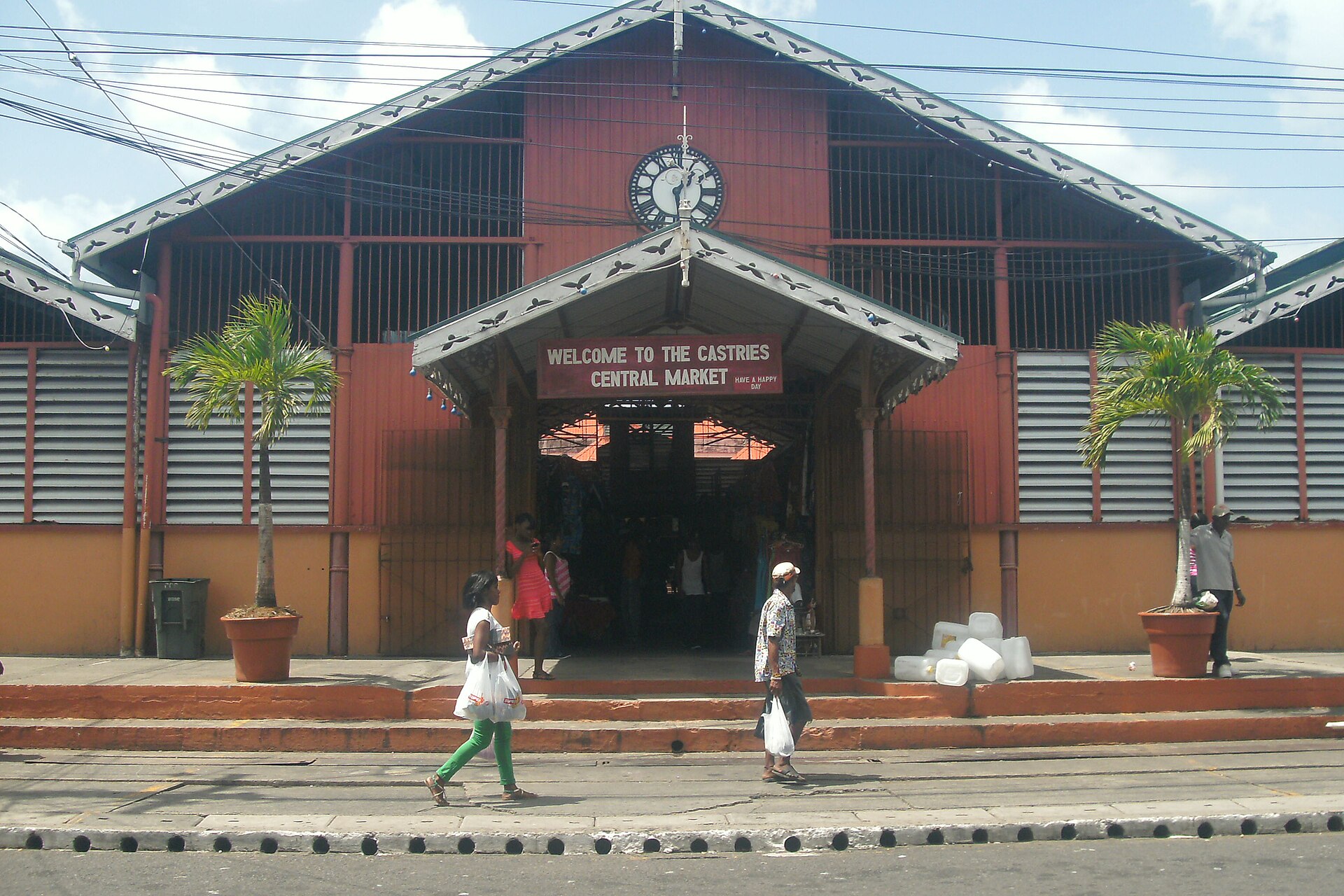
Guided heritage tours of the capital often take in Castries Market, Derek Walcott Square, the cathedral and Morne Fortune, with panoramic views over the harbour. The route connects French and British influence, local life and colonial-era buildings in a few hours. Read the Castries guide for the town itself.
Morne Fortune was once a key stronghold in the battles between the French and British. It is a peaceful lookout today, and the stories fit well with the historic forts and ruins guide.
Pigeon Island and the north
Pigeon Island National Landmark combines military history, nature and coastal scenery. Guided tours walk you around Fort Rodney, the old fortifications and the island's strategic role in Caribbean history. See Pigeon Island for practical details.
North island heritage tours often combine Morne Fortune, Pigeon Island and fishing communities, with stories of how the colonial and cultural past still shapes the landscape. They are an easy day for guests staying around Rodney Bay.
Howelton Estate: history, plants and Creole traditions
Howelton Estate is one of the island's oldest estates, near Castries. The Walk and Learn experience combines guided walks with storytelling about history, medicinal plants, agriculture and Creole traditions that have been passed down through generations. It is a good option if you are interested in how people used plants for food and healing, a theme you can follow further in the local plants and traditional uses guide.
Choiseul Arts and Crafts Centre
In the fishing community of Choiseul on the southwest coast, the Choiseul Arts and Crafts Centre supports local artisans and preserves traditional skills. Pottery, wood carving, basket weaving and textile work all form part of a handmade tradition. It is a rewarding stop on a southern drive, and you can see the area more broadly in our Choiseul guide.
What you buy here directly supports the makers. For more places to shop, read our artisan markets and crafts guide and shop local guide.
Planning your tour
Some tours need advance booking, especially during cruise and festival seasons, so check availability and times before you travel. Wear comfortable walking shoes, since forts and old sites have uneven ground, and carry water, a hat and sun protection. Local tour operators are listed in the land tours guide.
For a ready-made route, the culture and local experiences itinerary gives one-, three- and five-day plans. Remember that Fridays offer the most lively cultural events.
What is included in an art and heritage tour in Saint Lucia?
An art and heritage tour in Saint Lucia usually combines a guided walk through historic sites such as Castries, Morne Fortune or Pigeon Island with stops at markets, estates or craft centres, led by a guide who tells the stories behind them. Tours differ in length and focus. Some concentrate on military history and architecture, others on plants and Creole traditions, and others on makers and their workshops. A good operator will ask what interests you before suggesting a route, so say if you prefer ruins, textiles, food or music, and whether anyone in your group finds walking or steps difficult.
The pace is usually unhurried. Expect to stop often, to listen more than you move and to ask questions as they occur to you. Guides on the island are proud of their heritage, and many have family connections to the places they show you. That personal link turns a list of dates into something human, and visitors often remember a short story told on a hilltop longer than anything printed on a sign. Bring water, a hat and shoes with grip, because forts, estates and village lanes are rarely level, and the sun can be strong even on cloudy days.
Choosing between tours is easier once you know your time. A half day suits a single theme, such as Castries and the lookout above it, while a full day can add a countryside estate and lunch. Our land tours guide lists operators and tour styles, and the botanical gardens and nature parks guide suggests green stops that suit heritage days. If you are staying in the north, the Rodney Bay area is a convenient base for shorter tours, and pickups from hotels are normally part of the arrangement.
Is the Howelton Estate Walk and Learn experience worth it?
Yes, the Howelton Estate experience near Castries is worth it for visitors who enjoy plants, storytelling and Creole traditions, as it combines a guided walk with explanations of medicinal plants, agriculture and heritage in a historic estate setting. It suits people who like to learn by walking and touching rather than reading. You move through the grounds, stop to smell and examine plants, and hear how families used them for food and healing. The setting is calm and green, and it offers a contrast with the busier sights in the capital, which are only a short distance away.
The experience is particularly good for travellers who want something quieter than a fort or a beach. Couples, small groups of friends and older visitors who prefer a steady pace tend to enjoy it, and children often respond to the hands-on parts. Dress for a country walk, with closed shoes and light clothes, and carry repellent and water. Confirm times and booking requirements ahead, as estate visits can depend on staffing and weather. Our guide to local plants and traditional uses gives useful background on the herbs and trees you may encounter, and it is a good page to read in advance.
Pair Howelton with another stop to make a full day. A morning here followed by lunch in Castries and an afternoon at the market or the cathedral makes a balanced cultural itinerary. Alternatively, drive on to the west coast for a swim and a sunset. The Castries guide describes the capital and its surroundings, and the rainforest and plant life guide explains the wider vegetation. Because estates are working properties, treat the plants and paths with care, listen to your guide and leave the landscape as you found it.
Where can you see traditional Saint Lucian crafts being made?
You can see traditional Saint Lucian crafts being made at the Choiseul Arts and Crafts Centre on the southwest coast, where pottery, wood carving, basket weaving and textile work are practised by local artisans, and at markets and small studios elsewhere. Watching a maker at work changes how you value the finished piece. You see the material, the tools and the time involved, and you can ask about the tradition behind each technique. Prices feel fairer when you understand the skill, and many visitors leave with one well-chosen piece rather than a bag of souvenirs.
The drive to Choiseul is part of the appeal. The road passes villages, bays and hillsides that most visitors never see, and the centre sits in a community that has its own rhythm and character. Plan a leisurely day with a stop for lunch in a local restaurant, and consider combining the visit with the Tet Paul trail or a swim further north. Our Choiseul guide describes the area, and the south of the island page explains how the region fits together. Ask your driver about opening times, which can vary.
Buying well is part of the experience. Ask who made an item, what it is made from and whether the price goes directly to the maker. Avoid mass-produced goods brought in for tourists, and carry cash for small purchases. Our artisan markets and crafts guide suggests what to look for, and the responsible travel guide explains how spending can support communities. If you enjoy art more broadly, ask hotels and guides about galleries and studios in your area, as many local painters and craftspeople welcome visitors by appointment.
The people and past behind the art
Heritage tours reward visitors who arrive curious. Heritage and historic sites sets out the places that matter, and the history of Saint Lucia gives the timeline.
Creative life has a strong voice here. See literature and Nobel laureates and notable Saint Lucians for the people, and culture and traditions for the wider setting.
Turning this into a St Lucia holiday
Most visitors fit this into a holiday in St Lucia, so choose your base first. Compare places to stay in St Lucia by area and style, and read our guides to luxury hotels in St Lucia and all inclusive resorts in St Lucia if you are choosing between a boutique stay and an all in package.
Then set your dates with the best time to visit St Lucia, book flights to St Lucia and pick days out from our St Lucia itineraries. Couples can also read about a honeymoon in St Lucia or weddings in St Lucia.
Questions travellers ask
What do heritage tours in Saint Lucia cover?
Typically colonial history, local traditions, architecture, viewpoints and community stories, led by a guide who adds local context.
Which tours start in Castries?
Historic Castries tours often include the market, Derek Walcott Square, the cathedral and the lookout at Morne Fortune.
What can I see at Howelton Estate?
Guided walks that explore medicinal plants, Creole traditions, agriculture and the estate's history, near Castries.
What is the Choiseul Arts and Crafts Centre?
A centre in the southwest fishing community of Choiseul that supports local artisans and preserves pottery, carving, weaving and textiles.
Do I need to book in advance?
Often yes, especially in cruise and festival seasons. Check current times and availability before you go.
What should I wear?
Comfortable walking shoes, light clothing, a hat and sun protection. Forts and old sites can have uneven ground.
Is it suitable for children?
Many tours are, particularly shorter walks. Ask the operator about age suitability and pace before booking.
How long does a tour take?
Most are half a day or less, though times vary by operator, so confirm the length when you book.
How long does an art and heritage tour take in Saint Lucia?
Most guided tours take a half day, around three to four hours, with full-day options that add an estate or crafts centre. Check the exact length with the operator when you book.
Can I do a heritage tour if I use a wheelchair or find walking hard?
Some can be adapted, but many sites have steps and uneven ground. Speak to the operator before booking, explain your needs and ask for a private vehicle tour with shorter walks.
Are heritage tours suitable for children?
Yes for school-age children who enjoy stories and short walks. Choose shorter tours, carry water and snacks, and pair them with a swim or lunch so younger ones stay engaged.
Saint Lucia on the map
Saint Lucia lies in the Windward Islands of the eastern Caribbean, around 13.8830 degrees north, 60.9670 degrees west. Map data from OpenStreetMap contributors.
Ask Lucy about Art and heritage tours
Ask about places to stay, things to do, the weather or getting here.
Keep exploring Saint Lucia
Looking for the industry view? Visit St Lucia on VisitTravelGroup.com covers the destination for travellers and the tourism trade.
More from the Visit Travel Group network: VisitTravelGroup.com, Benidorm.co.uk, Anguilla.co.uk, TheRedSea.co.uk.