Invest in Saint Lucia
Invest in Saint Lucia
A stable, English-speaking Commonwealth island with a pegged currency, no exchange controls and a long list of incentives for overseas investors.
Why investors look at Saint Lucia
Saint Lucia is a parliamentary democracy within the Commonwealth, and English is the language of business and law. Its currency, the Eastern Caribbean dollar, has been fixed at EC$2.70 to US$1 since 1976, and there are no exchange controls, so wholly foreign-owned companies can send capital, dividends, royalties and profits home. In 2023 the island became the sixth CARICOM member to adopt the Caribbean Court of Justice as its final court of appeal.
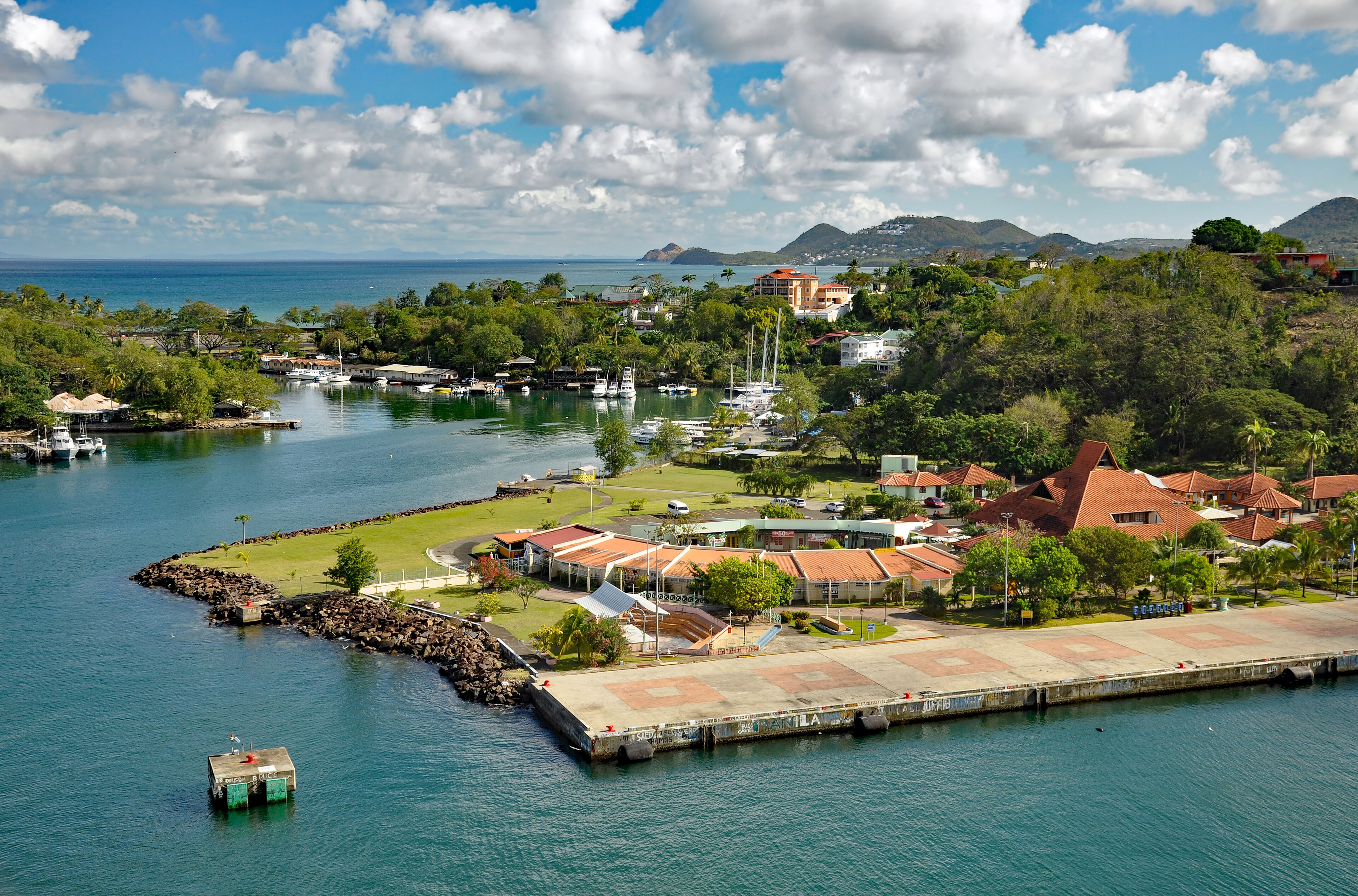
The United Kingdom and Germany both have bilateral investment treaties in force with Saint Lucia, which matters to British investors who want a legal framework they recognise. The capital, Castries, holds the government, the main port and the commercial centre, and the southern town of Vieux Fort has the main international airport.

Where the investment goes
Tourism comes first. The island's twin Pitons, its reefs and its hillside resorts support a hotel sector that ranges from boutique sanctuaries such as Jade Mountain and Ladera to large all-inclusive resorts such as Sandals Grand Bay. Our guide to where to stay shows how varied the market is, and our things to do guide shows why visitors keep returning.
Beyond hotels, the sectors that Invest Saint Lucia promotes include high-end real estate, agro-processing, renewable energy and smart manufacturing. The agency's pitch is that a small island can be a base for projects that sell across the Caribbean and beyond. Cocoa is a good example of how an estate can combine farming, visitors and a product, as our cocoa and chocolate guide explains.
- Tourism and hospitality, including resorts, marinas and attractions.
- Real estate development linked to approved resort projects.
- Infrastructure and manufacturing.
- Agro-processing, renewable energy and smart manufacturing.
The three things most people ask about
The first is where the value is. Saint Lucia's headline corporate tax rate is 30 per cent, so the case rests on sectors, law, access and the freedom to move capital, set out on our why invest page.
The second is citizenship by investment, a government programme that grants Saint Lucian citizenship in return for a contribution or an approved investment. It is covered in full on our citizenship by investment page.
The third is the set of tax and duty incentives for qualifying businesses, which includes tax holidays of up to 15 years, duty waivers on machinery and materials, special development areas and free zones. They are set out on our incentives and tax page.
Start by seeing the island
Most investors begin with a visit. Spend a few days in the southwest around Soufrière, beside the Pitons, and a few in the north around Rodney Bay, where the marina and the shops are. The best time to visit guide and the getting here guide help you plan the trip.
Invest Saint Lucia is the state agency that offers one-stop facilitation and investment promotion. If you would like us to point you to the right people, send a note through the trip planning page and say that you are interested in investment. This page describes how the programmes work. It is not legal, tax or financial advice, so take advice from a qualified professional before you commit money.
What should a UK investor do first when looking at Saint Lucia?
A UK investor looking at Saint Lucia should first decide what kind of investment they want, visit the island, and take independent legal and tax advice before committing money, because the opportunities in property, tourism, agriculture and services each carry different rules and risks. This site is a travel guide, not an investment adviser, so treat it as a way to understand the place rather than as a recommendation. Begin with the facts about the economy in our economy of Saint Lucia guide, which explains the weight of tourism and services and shows why so many projects on the island begin with visitors, hotels and the businesses that serve them.
Next, narrow your focus. A buyer of a holiday home asks different questions from someone planning a business or looking at citizenship. Our property guide covers purchases, the incentives and tax guide covers business concessions and the citizenship by investment guide explains the programme. Reading all three gives a sense of how they interlock, since many projects combine tourism, real estate and residency, and a decision in one area often affects what makes sense in another, so it pays to see the whole picture first and to write down your priorities before you start speaking to agents and advisers.
Then arrange professional help. A local lawyer, an accountant who understands both Saint Lucian and UK rules and, where relevant, a regulated financial adviser are not optional extras. They protect you from avoidable mistakes, such as misunderstanding land rules or tax treatment. Ask for written fee quotes, check credentials and speak to previous clients if possible. Patience is a virtue, because good deals rarely vanish in a week, and a considered start makes everything that follows easier, from negotiating a price to arranging finance and insurance for a project that may run for many years and involve several partners.
How can a holiday help me assess an investment in Saint Lucia?
A holiday helps you assess an investment in Saint Lucia because you can see roads, services, neighbourhoods and hotels first hand, talk to residents and business owners, and judge whether you would enjoy spending time there. Numbers on a brochure cannot tell you how a place feels in the rain, how long the journey to the airport takes or whether the neighbours are friendly. Plan a visit of at least a week and split it between the north and the south. Our Rodney Bay guide and Soufrière guide describe two very different areas, and seeing both will sharpen your sense of what you really want from an investment, whether that is rental income, a family retreat or a longer-term business.
Use the trip as research. Stay in different types of accommodation, from a large resort to a smaller hotel or a villa, and note service, occupancy and atmosphere. Visit markets, hospitals and supermarkets to understand daily life. Talk to estate agents, but also to taxi drivers, shopkeepers and hotel staff, who often know the island better than any report, and who will tell you frankly which areas are busy, which are quiet and which are changing. Keep a notebook of prices, journey times and impressions, because after a week of sunshine and good food, the details are easy to forget, and your notes will help you compare options calmly once you are home.
Return in a different season if you can. The island in the dry months and in the wetter months can feel very different, and hurricane season is a reality for property owners. Our best time to visit page explains the calendar. A second look, perhaps with advisers, helps you separate enthusiasm from evidence, and it is better to take your time than to buy on a whim during a pleasant fortnight. Keep notes and photographs of what you see, because they will help you compare options later and keep your decisions grounded in fact rather than in the glow of a happy holiday.
What risks should I weigh before investing in Saint Lucia?
Before investing in Saint Lucia, weigh the risks of hurricanes and flooding, a small and import-dependent economy, reliance on tourism, currency and legal differences, and the difficulty of managing an asset from overseas. None of these is unusual for a Caribbean island, but each deserves a clear-eyed look. Our climate and hurricanes guide explains the weather risks, and your insurer can tell you what cover is available and at what cost. Ask about flood and wind cover specifically, and what the policy excludes, before you commit to a site, because cover that looks adequate on paper can contain exclusions that matter after a storm.
Think about management too. A property or business needs someone on the ground, whether a manager, an agent or a trusted partner. Ask how problems are handled, what the running costs are and what happens if you want to sell. Your lawyer should explain how local rules apply to you. A reliable local contact who can inspect your asset after a storm, deal with repairs and answer queries from tenants is worth far more than a slightly cheaper purchase price, and good managers are usually found through recommendations from other owners rather than through advertisements, so talk to neighbours before you decide.
Finally, be honest about your time horizon. Island investments often suit people who value lifestyle as well as returns, and who can wait. Do not invest money you cannot afford to lose, and be wary of anyone promising guaranteed returns or rushing you. Our why invest guide sets out the case for the island in balanced terms. A measured approach makes disappointment less likely and enjoyment more probable, and it leaves you free to enjoy the island as a visitor even while your investment is still maturing, with the satisfaction of having decided carefully and with good advice.
Reading the country behind the opportunity
Anyone considering Saint Lucia should start with the country itself. The economy of Saint Lucia gives the broad picture, and government and politics explains how the country is run.
For the international and legal setting, see law and foreign relations. These pages are general background only and are not advice, so take qualified, independent guidance before any decision.
Questions travellers ask
Is Saint Lucia open to foreign investment?
Yes. The government runs an investment promotion agency, Invest Saint Lucia, offers tax and duty incentives to qualifying businesses and allows wholly foreign-owned companies to repatriate profits.
Does Saint Lucia have exchange controls?
No. The Eastern Caribbean dollar is pegged to the US dollar at EC$2.70 and registered companies can repatriate capital, dividends, royalties and profits.
Which sectors are priority areas for investors?
Tourism, real estate development, infrastructure and manufacturing are the main priorities, with agro-processing, renewable energy and smart manufacturing also promoted.
Can a foreigner buy land in Saint Lucia?
Non-CARICOM nationals need an alien landholder's licence before they acquire land. Our incentives and tax page explains the basics.
Does Saint Lucia offer a passport for investment?
Yes, through the Citizenship by Investment Programme, set up under the Citizenship by Investment Act of 2015. Applicants must pass due diligence checks.
Is this website an investment adviser?
No. It is a travel and destination guide that explains how the programmes work. Take legal, tax and financial advice from a qualified professional.
Do I need to visit Saint Lucia before I invest?
Yes, a visit is strongly advisable. It lets you see locations, meet advisers and judge the island in person, which reduces the chance of costly misunderstandings and helps you decide what you really want.
Can a UK investor get advice about investing in Saint Lucia?
Yes, from a local lawyer, an accountant familiar with both countries and, for financial products, a regulated adviser. Agree fees in writing first, and ask for references from previous clients.
Is investing in Saint Lucia property risky?
All property carries risk, and island property adds hurricane exposure, management challenges and market size limits. Insurance, local advice and a long-term view help manage them, and careful due diligence matters.
Is Saint Lucia a good place to invest from the UK?
It can be, particularly in tourism, property and services, but suitability depends on your goals, budget and risk appetite. Do your own research and take independent legal and tax advice before committing. Start with why invest to see the case in outline.
Saint Lucia on the map
Saint Lucia lies in the Windward Islands of the eastern Caribbean, around 13.8830 degrees north, 60.9670 degrees west. Map data from OpenStreetMap contributors.
Ask Lucy about Invest in Saint Lucia
Ask about places to stay, things to do, the weather or getting here.
Keep exploring Saint Lucia
Looking for the industry view? Visit St Lucia on VisitTravelGroup.com covers the destination for travellers and the tourism trade.
More from the Visit Travel Group network: VisitTravelGroup.com, Benidorm.co.uk, Anguilla.co.uk, TheRedSea.co.uk.