Things to do
Cocoa Estates and Chocolate Experiences
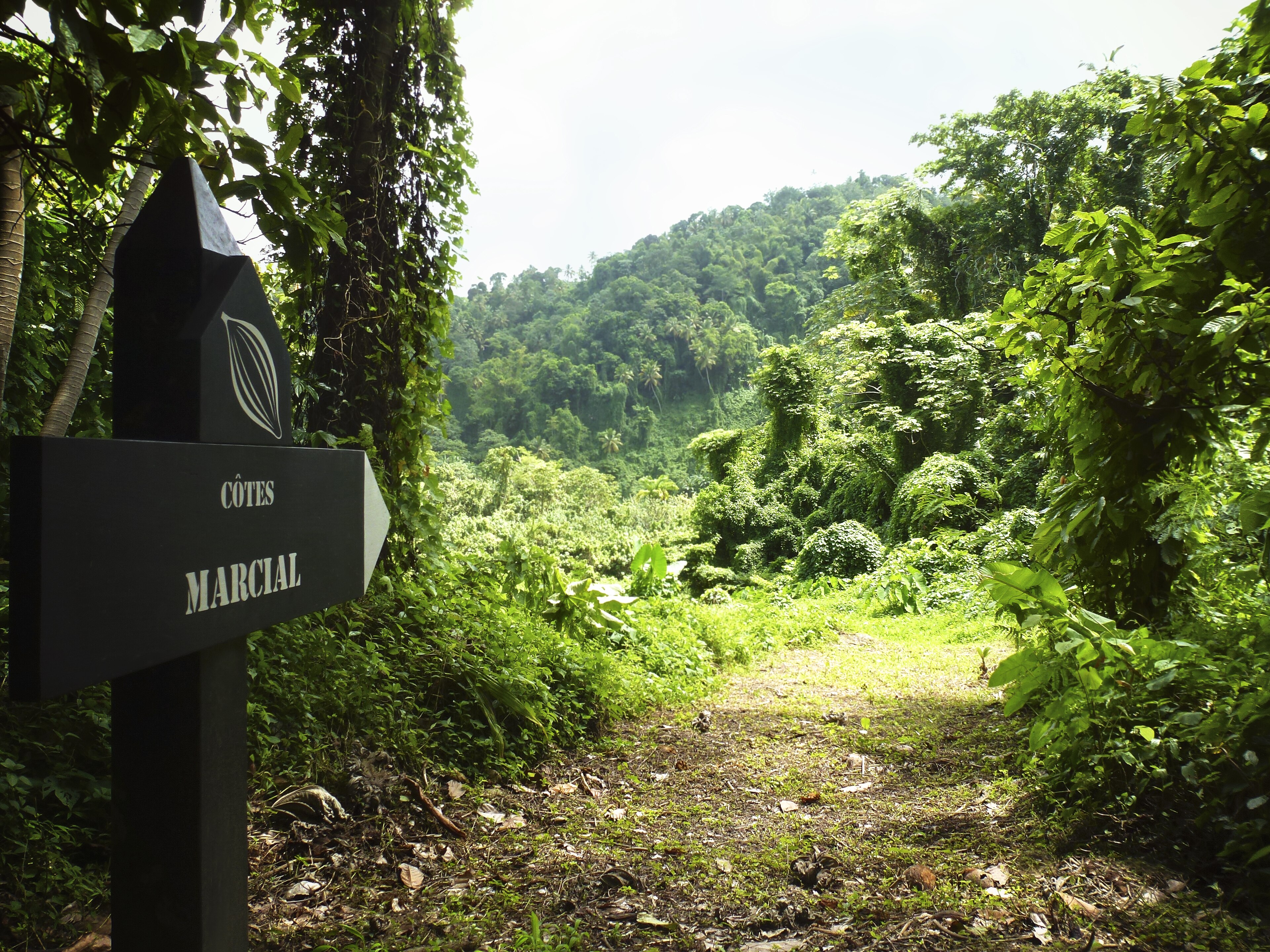
Cocoa grows in the hills above Soufrière, and several estates welcome visitors to see how it becomes chocolate.
From bean to bar
Cocoa has been grown on the island for generations, and the hills above Soufrière are its heartland. Several estates offer tours that follow the process from pod to bar: seeing the trees, learning how the beans are fermented and dried, and tasting the finished chocolate.
Some estates also offer hands-on sessions where you make your own chocolate to take home. These suit couples, families and anyone who likes to learn by doing.
Estates and tastings
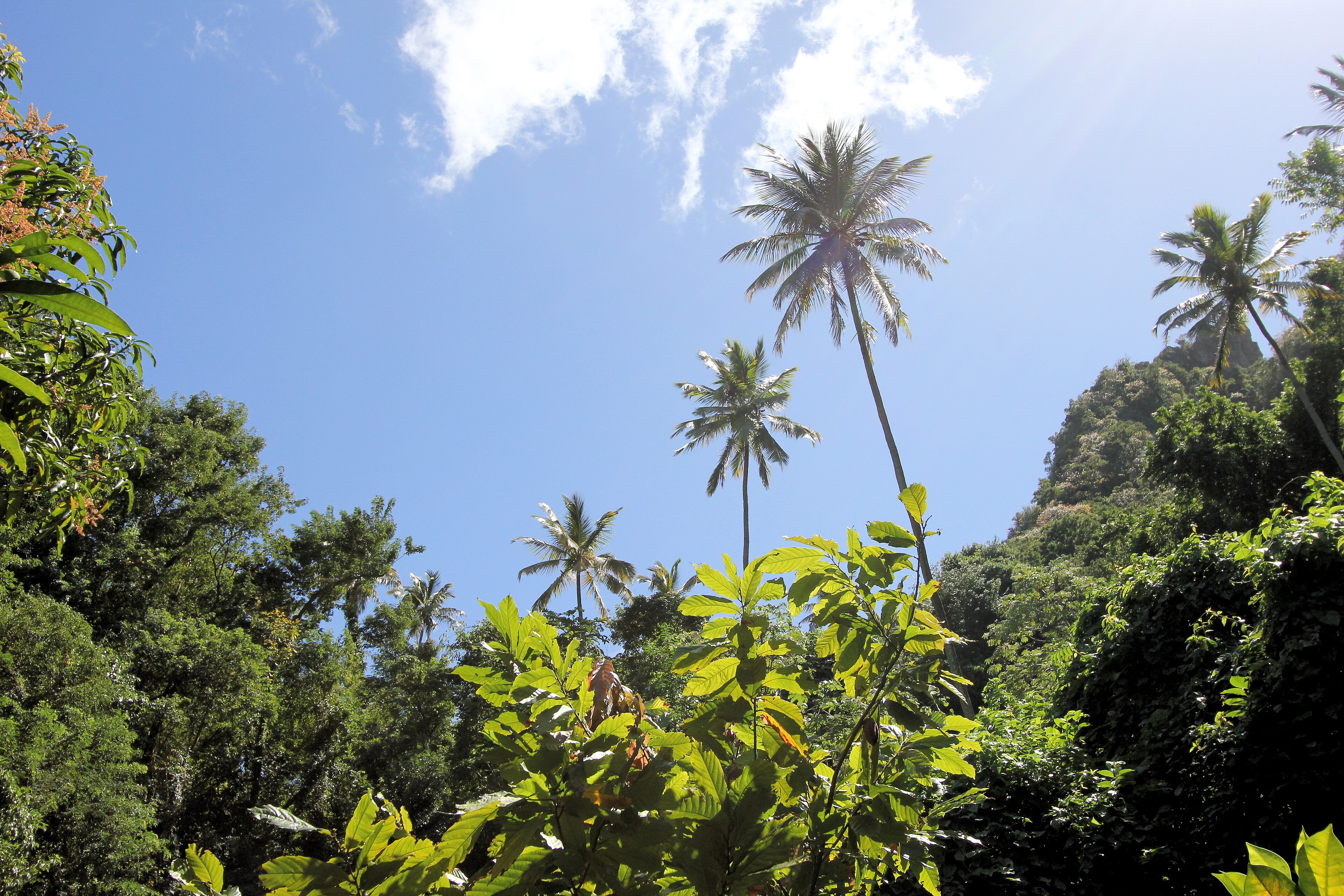
Estates in the Soufrière area combine cocoa with other crops and with tropical gardens. Many serve lunch with the produce of the estate, which is a good way to taste the island's cooking. Our food and rum guide covers dishes and drinks worth trying.
Opening times, prices and tour formats vary, so check before you go and book where needed.
- Combine with the waterfalls and gardens for a full day.
- Staying at Anse Chastanet puts you close to the cocoa country.
- Chocolate makes a good gift, but check what you can take through customs at home.
Fitting it into a trip
The cocoa estates are a natural stop on a day that includes the Sulphur Springs and the Pitons. If you are planning a longer stay, our trip planning page can help you arrange it.
How cocoa becomes chocolate
Cocoa grows as large pods on the trunks and branches of small trees in the shade. The pods are harvested by hand, split open and the pulp-covered beans are scooped out. The beans are then fermented for several days, which develops the flavour, and dried in the sun. Roasting, cracking and grinding follow, and the paste is turned into chocolate with sugar and, if wanted, milk.
Seeing the stages one after another makes it clear why good chocolate takes time and care. Many tours let you taste the fresh pulp, which is sweet and fruity, and then the roasted nibs, which are bitter and rich. It is a surprising range of flavours for one plant.
Making the most of a visit
Book tours in advance where you can, and ask whether they include lunch, tastings or a hands-on session. Estates in the hills above Soufrière often combine the tour with a walk through gardens or forest, and some have views of the Pitons.
Pair the visit with the waterfalls and gardens for a full day, and ask about the local products. Cocoa nibs, cocoa tea and bars of locally made chocolate make good gifts. Our food and rum guide suggests what to taste while you are here.
- Wear closed shoes for estate paths.
- Ask whether tastings are included in the price.
- Check customs rules for taking food products home.
What is a cocoa estate tour like near Soufrière in Saint Lucia?
A cocoa estate tour near Soufrière in Saint Lucia takes you through working cacao groves in the rainforest, explains how beans become chocolate and usually ends with a tasting, often with the Pitons in view. Expect shade, humidity, the smell of fermenting beans and a good deal of walking on uneven paths. Wear closed shoes, bring insect repellent and allow a leisurely half day, because the pleasure lies in lingering rather than ticking off a list. Take your time with the tasting, because chocolate made from beans grown a few metres away tastes different from a bar bought at home. The fruity, floral and earthy notes are easier to spot when you slow down, and the guides are happy to talk about what you are noticing. Bring a bottle of water and a hat.
The tour tends to follow the life of the bean. You meet the trees first, with their pods growing straight from trunks and branches, and your guide shows how the fruit is opened and the sweet white pulp tasted. The beans are then fermented and dried, a stage that has more effect on flavour than most people expect. Seeing the process in the open air, rather than reading about it on a wrapper, changes how you taste chocolate afterwards. Children enjoy the sweet pulp and the sight of pods growing on the trunk, which is surprising when you first see it. Keep young ones close on uneven ground and remind them not to pick pods from the trees. The shade of the groves makes the walk comfortable even on a hot morning.
Many estates mix the tour with a meal or a drink, so you may finish at a table looking across the valley. That slow ending is part of the appeal. It suits people who enjoy food and plants more than adrenaline, and it makes a calm counterpoint to a morning of hiking or a day on a boat. If you are staying in the southwest, the estates are close enough to reach without a long drive. Allow enough time. A rushed visit misses the point, and combining a tour with lunch is the best way to slow the day down. The estates are in the hills above the coast, so the road winds, and the journey itself is part of the scenery. Book a driver if you prefer not to navigate.
Which cocoa estates can you visit in Saint Lucia?
The best-known cocoa experience in Saint Lucia is the Rabot Estate near Soufrière, owned by Hotel Chocolat and described by the company as the oldest working cacao farm on the island, with Fond Doux Estate another popular choice nearby. Hotel Chocolat bought Rabot in 2006, and its Tree to Bar experience takes guests through the cacao groves, shows them how to graft a tree and lets them handcraft their own chocolate bar. Rabot also runs an adults-only hotel, so ask the estate in advance how day visitors can book the tour, the restaurant and the cocoa bar. The view of the Pitons from the bar is a good enough reason to stop on its own.
Rabot is more than a tour. It has a restaurant that cooks with cacao, and a cocoa bar that serves chocolate cocktails with a view of the Pitons, so many visitors come for lunch or a drink even if they skip the full experience. The estate also runs an adults-only boutique hotel in open-air lodges, which suits couples who want to sleep among the trees. Fond Doux is a plantation with old Creole buildings and cocoa trees, and it appeals to people who like history with their chocolate. It gives a different feel, more rooted in plantation history than boutique hospitality. It appeals to travellers interested in how land has been farmed for generations, and it tends to be quieter. Ask whether lunch is served, and whether the tour needs to be booked in advance.
Opening arrangements and booking rules change, so contact the estate before you set out, and ask whether the tour includes a tasting or a meal. Because these estates sit in the hills above the coast, plan transport in advance, using our getting around guide to choose between a taxi, a driver for the day and a hire car. Staying at Ladera puts you within easy reach of the whole area. Opening arrangements matter on a small island where estates keep their own hours. Phone ahead, confirm the meeting point and ask about any dress guidance. Wear comfortable, closed shoes and carry a light waterproof, because showers pass quickly across the hills. A day booked with flexibility is a day that goes well.
Is a chocolate tour worth it for couples, families and food lovers?
A cocoa tour is worth it if you have a free half day in the southwest of Saint Lucia, because it combines gentle walking, hands-on chocolate making and Pitons views, and it suits couples, families with older children and food lovers rather than anyone seeking thrills. It is less suited to visitors with limited mobility, as paths can be steep and damp, and it is best avoided in the heat of midday. Not every visitor will enjoy it equally. Anyone with a dislike of humid forest may prefer the cocoa bar and restaurant over the full tour, and those with allergies should tell the staff before tasting. Honest planning ensures the day suits everyone in your group.
The tour pairs naturally with other things nearby. Our guide to farm to table tastings explains how estates and farms serve local produce, and the Creole cooking classes guide suggests ways to learn the island's cooking. If you enjoy plants, the guide to local plants and traditional uses helps you recognise what grows around you, and the ziplining guide covers canopy tours that cross some of the same estate valleys. As a family outing, the tour offers learning that children remember. They see where chocolate comes from, they touch the pods, and they make something to take home. Ask whether younger children can join the hands-on session, and check minimum ages before you promise it. Some experiences are better suited to teenagers.
For a complete day, add the view of the Pitons and finish in town or at a beach. The culture and local experiences itinerary shows how to link an estate with markets and villages, and a tour makes a thoughtful addition to a holiday in Saint Lucia built around food. Chocolate bought on the estate also makes a gift that is easy to carry home, though check customs rules for your destination. Bars, nibs and cocoa-based treats all travel well in a bag, though heat can melt chocolate, so keep them in the shade. A bar bought at the estate is a gift with a story attached, which is more than most souvenirs can offer.
The farming history behind the chocolate
Cocoa belongs to a long agricultural story. The guide to agriculture and bananas explains how farming developed, and slavery and emancipation and French and British rule describe the estates where crops were grown.
For the setting, read rainforest and plant life and the economy guide, which shows how farm produce still matters.
Where to stay and how to plan
Most visitors fit this into a holiday in St Lucia, so choose your base first. Compare places to stay in St Lucia by area and style, and read our guides to luxury hotels in St Lucia and all inclusive resorts in St Lucia if you are choosing between a boutique stay and an all in package.
Then set your dates with the best time to visit St Lucia, book flights to St Lucia and pick days out from our St Lucia itineraries. Couples can also read about a honeymoon in St Lucia or weddings in St Lucia.
Questions travellers ask
Can you tour a cocoa estate in Saint Lucia?
Yes. Several estates near Soufrière offer tours and tastings. Check opening times and book in advance where needed.
Can I make my own chocolate?
Some estates offer hands-on sessions where you make your own chocolate to take home. Ask the estate about availability when you book.
Where are the cocoa estates?
Mostly in the hills around Soufrière in the southwest of the island, a short drive from the coast.
Can you tour a cocoa farm in Saint Lucia?
Yes, you can tour working cocoa estates near Soufrière, including the Rabot Estate and Fond Doux. Tours cover the groves, fermenting and drying, and often end with a tasting, so book ahead.
Can I make my own chocolate bar in Saint Lucia?
Yes, at Rabot Estate the Tree to Bar experience lets guests handcraft their own bar after walking through the cacao groves. Ask the estate about availability and timings when you book.
Is a cocoa tour suitable for children in Saint Lucia?
Generally yes for older children who can manage uneven forest paths, since the hands-on chocolate making is popular with families. Check age rules with the estate and bring repellent and closed shoes.
How long does a cocoa tour take in Saint Lucia?
Most cocoa tours last a morning or an afternoon, depending on whether you add tastings or a workshop. Confirm timings when you book. Combine it with nearby sights, such as waterfalls and gardens.
What is a bean to bar experience?
It follows cocoa from tree to chocolate, covering harvesting, fermenting, drying, roasting and grinding. Some estates let you taste along the way. See farm to table tastings for similar experiences.
When is the best time to visit a cocoa estate?
Estates are open for much of the year, though harvest periods may offer more to see. Rain can make paths slippery, so wear sturdy shoes. Check our best time to visit guide for seasons.
Can I buy chocolate in Saint Lucia to take home?
Yes, estates and local shops sell chocolate bars and cocoa products that make easy gifts. Check airline and customs rules for what you can carry home. See shop local for more souvenir ideas.
Rabot Estate, near Soufrière on the map
Rabot Estate, near Soufrière is at 13.8334 degrees north, 61.0503 degrees west. Map data from OpenStreetMap contributors.
Ask Lucy about Cocoa and chocolate
Ask about places to stay, things to do, the weather or getting here.
Keep exploring Saint Lucia
Looking for the industry view? Visit St Lucia on VisitTravelGroup.com covers the destination for travellers and the tourism trade.
More from the Visit Travel Group network: VisitTravelGroup.com, Benidorm.co.uk, Anguilla.co.uk, TheRedSea.co.uk.