About Saint Lucia
Slavery and Emancipation in Saint Lucia
Saint Lucia's beauty was built on suffering. For well over a century, enslaved Africans cleared its hillsides and worked its sugar estates, and their descendants carried the struggle for freedom through revolt, war and law. Their legacy shapes the island's language, food, music and people.
The plantation economy
Early French Saint Lucia was a small colony of settlers, but the arrival of large scale sugar changed everything. A census of 1730 counted only a few hundred inhabitants, with around 175 enslaved people among them. By 1745 the island's population was recorded at roughly 3,500, and about 2,500 of those were enslaved. Once the French began to develop sugar estates in earnest after 1763, the numbers climbed quickly. A count in 1779 put the island's population at around 19,000, with some 16,000 enslaved people working on about 44 sugar plantations.
These figures come from colonial records and should be treated as approximate, but they show the pattern. Enslaved Africans, taken from West and Central Africa and forced across the Atlantic, formed the great majority of the population. Their labour cleared forest, planted and cut cane, boiled sugar and built roads and walls. Hurricanes, disease and war made life even harder, and the great hurricane of 1780 is recorded as killing around 800 people. For the wider story of the empires that profited, see our pages on the history of Saint Lucia and French and British rule.
Law, daily life and resistance
In French colonies, the Code Noir, issued by Louis XIV in 1685, set out the legal control of enslaved people. It required baptism and gave owners wide powers of punishment, and it treated human beings as property. Even where laws offered some limits, they were rarely enforced in the planters' disfavour. Life on the estates meant long hours in the cane fields, small provision grounds that enslaved families cultivated on their own time, and an economy in which skills such as cooking, carpentry, sailing and healing were quietly vital.
People resisted in many ways, from working slowly and keeping African traditions alive to escaping. Communities of maroons, people who had fled the plantations, are reported to have lived in the forested interior in the late eighteenth century, with a figure of around a thousand sometimes quoted for the 1780s. The mountains and rainforest that visitors admire today were also a refuge, and you can walk some of that country on the trails in our guide to hiking and the rainforest.
Revolution and the Brigands' War
News of the French Revolution reached Saint Lucia in 1791, when commissioners arrived to spread its ideas. Enslaved people began leaving the estates, and the colonial order wobbled. In 1792 a revolutionary officer named Jean Baptiste Raymond de Lacrosse arrived, and a guillotine was set up to try royalist planters. On 4 February 1794 the National Convention in Paris abolished slavery throughout French territories, and for a short time freedom seemed within reach.
Britain, defending the interests of sugar planters, invaded on 1 April 1794. A resistance movement, the Armée Française dans les Bois, took to the hills, and the conflict became known as the Brigands' War. Brigand was the British name for the fighters, and the island's people tend to remember them as freedom fighters. In February 1795 rebels supported by the French agent Victor Hugues defeated a British battalion, and by June the British had been forced off the island. The following months are remembered as the year of liberty. A larger British force returned in 1796, and the French garrison surrendered at Morne Fortune on 25 May. A second phase of fighting continued, and some fighters surrendered in 1797 after being promised that they would not be returned to slavery. The story is the human core of the island's history, and the sites are described in historic forts and ruins.
Slavery restored, then abolished
Freedom did not last. After the Peace of Amiens returned the island to France in 1802, Napoleon reinstated slavery, and when the British retook Saint Lucia in 1803 they kept it in place. Britain banned the slave trade in 1807, which ended the importing of new captives but not the ownership of those already enslaved. The Slavery Abolition Act of 1833 then ended slavery across most of the British Empire, taking effect on 1 August 1834.
The 1833 law came with a compromise that still stings. Former owners were paid compensation for the loss of their human property, while the people who had been enslaved received nothing. They were also made to work as apprentices, giving their former masters a large share of the working week, at least about three quarters of it, for several more years. Full freedom came in 1838, when apprenticeship ended, and in Saint Lucia the date is remembered each year at Emancipation Day on 1 August. Our guide to national symbols and holidays lists the public holidays.
Indentured workers from India
With freedom, many former slaves left the estates to farm their own land or to work in fishing and trade, and planters looked for a new, cheaper workforce. From 1859, indentured labourers were brought from British India. The first ship, the Palmyra, arrived on 6 May 1859 with 318 workers, and the last, the Volga, arrived in December 1893. In all, about thirteen ships brought nearly 4,500 people. Around 2,000 later returned to India, while the rest stayed or moved on to other parts of the Caribbean. Most had come from rural areas of northern India, and they signed contracts for a fixed number of years in return for a passage and a wage.
Their descendants are a small but visible community, around two per cent of the population at the 2013 survey, with a larger group of mixed African and Indian heritage. Indian Arrival Day is marked each year in early May, and you can taste the legacy in curry dishes, in roti and in the spices used in many Saint Lucian kitchens. To learn about the island's people today, see people and demographics.
Life after freedom
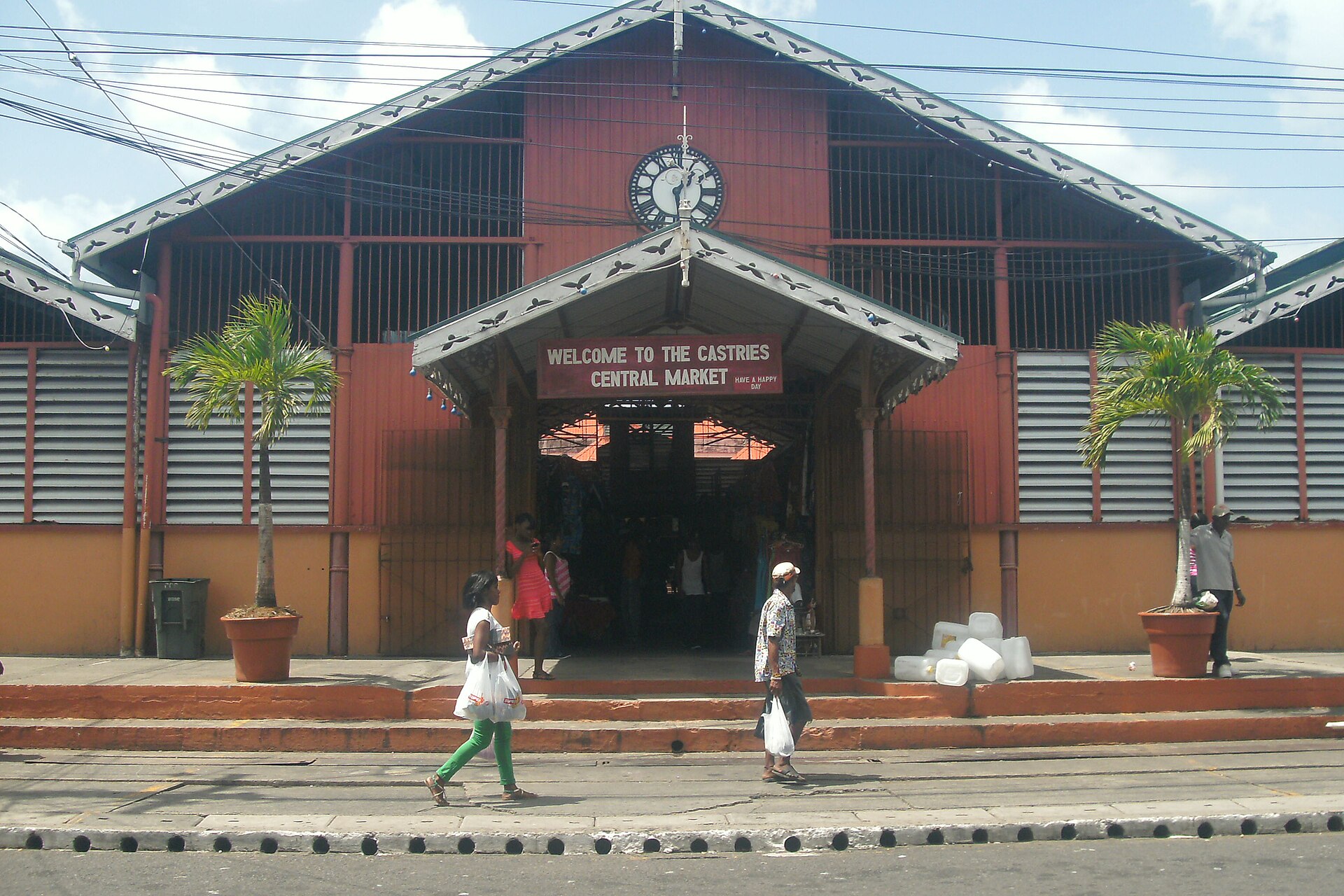
Freedom opened the way to small farms, church communities, friendly societies and village markets. Many families bought or rented plots and grew provisions, banana and cocoa, and the culture of the market woman became central to island life. At Castries, the port grew as a coaling station, and for decades women carried baskets of coal on their heads to load the steamers, an image remembered as a symbol of strength and hard work.
Sugar remained the main crop for another century, dwindling as the banana trade took over in the twentieth century. The effects of slavery nevertheless lingered, in land ownership, class divisions and access to education and politics. Many of the leaders who later pushed for self-government came from families that had been enslaved, and you can follow their path in independence and modern history.
The legacy in culture, food and language
The African inheritance is everywhere. It shapes Kwéyòl, the creole language that grew from the contact between French and African languages, which you can learn about in languages and Kwéyòl. It shapes the drums and dance of festivals, the folk music of the villages, and the food on the table, from green figs and saltfish to bakes and pepper pot. Our guides to food and rum and Creole cooking classes show how to taste that history.
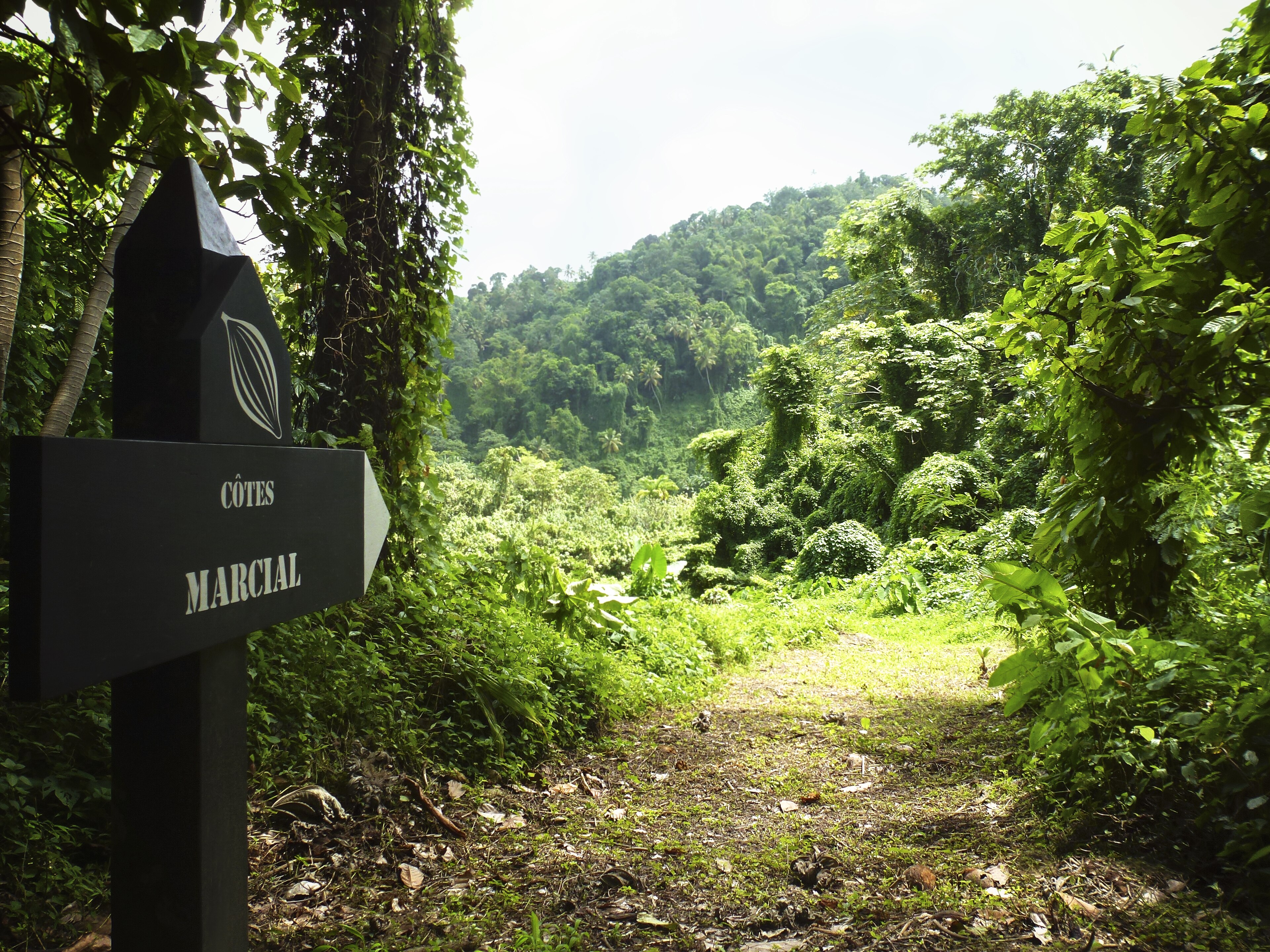
Even the land carries it. Around Soufrière and elsewhere, old estates are now cocoa farms, gardens and small hotels, and you can see how the sugar and coconut economy shaped the valleys on a visit to a cocoa plantation, described in cocoa and chocolate. The botanical gardens and nature parks occupy former estate land too.
Remembering respectfully
When you visit these places, listen as well as look. Local guides often tell family stories that no book contains, and a conversation with a farmer or elder can teach more than a plaque. Our history and culture experiences and community tourism pages suggest ways to meet people who share their heritage in their own words.
Be mindful when you photograph, ask before entering private land and spend money locally where you can. Treat estate ruins, cemeteries and memorials with the respect they deserve. For events that celebrate African heritage and freedom, look at the calendar in festivals and events.
Questions travellers ask
When was slavery abolished in Saint Lucia?
Slavery was abolished across most of the British Empire with effect from 1 August 1834. In Saint Lucia an apprenticeship system then continued until 1838, when full freedom was granted.
What was the apprenticeship system?
After 1834 formerly enslaved people were required to work for their old masters for at least about three quarters of the working week. The system was meant to ease the change to freedom, but it ended in 1838.
What was the Brigands' War?
It was a struggle during the French Revolution era in which freed people and allies fought British forces on Saint Lucia between 1794 and 1796, with a further phase of fighting afterwards. Brigands was the British name for the fighters.
Did the French abolish slavery in Saint Lucia?
The French National Convention abolished slavery on 4 February 1794, and it was proclaimed on the island during the revolutionary period. Napoleon reinstated it after the Peace of Amiens in 1802.
What was the Code Noir?
The Code Noir was a set of laws issued in 1685 by Louis XIV for French colonies. It governed the treatment of enslaved people, requiring baptism but granting owners great power and treating people as property.
When did indentured workers come from India to Saint Lucia?
Indentured workers arrived between 1859 and 1893, starting with the ship Palmyra on 6 May 1859. About thirteen ships carried nearly 4,500 people, and many stayed after their contracts ended.
Who profited when slavery was abolished?
The British Slavery Abolition Act of 1833 paid compensation to former owners. The people who had been enslaved received no payment and were required to serve as apprentices for several more years.
How can I learn about this history while on holiday?
Join a heritage tour, visit a cocoa estate near Soufrière, explore Morne Fortune and Pigeon Island, and talk to local guides. Visit around Emancipation Day on 1 August for community events.
How did slavery shape Saint Lucia's culture?
It shaped the creole language Kwéyòl, the music and dance traditions, the cooking and the island's majority African heritage. These influences are present in daily life, festivals, food and family stories.
Saint Lucia on the map
Saint Lucia lies in the Windward Islands of the eastern Caribbean, around 13.8830 degrees north, 60.9670 degrees west. Map data from OpenStreetMap contributors.
Ask Lucy about Slavery and emancipation
Ask about places to stay, things to do, the weather or getting here.
Keep exploring Saint Lucia
Looking for the industry view? Visit St Lucia on VisitTravelGroup.com covers the destination for travellers and the tourism trade.
More from the Visit Travel Group network: VisitTravelGroup.com, Benidorm.co.uk, Anguilla.co.uk, TheRedSea.co.uk.