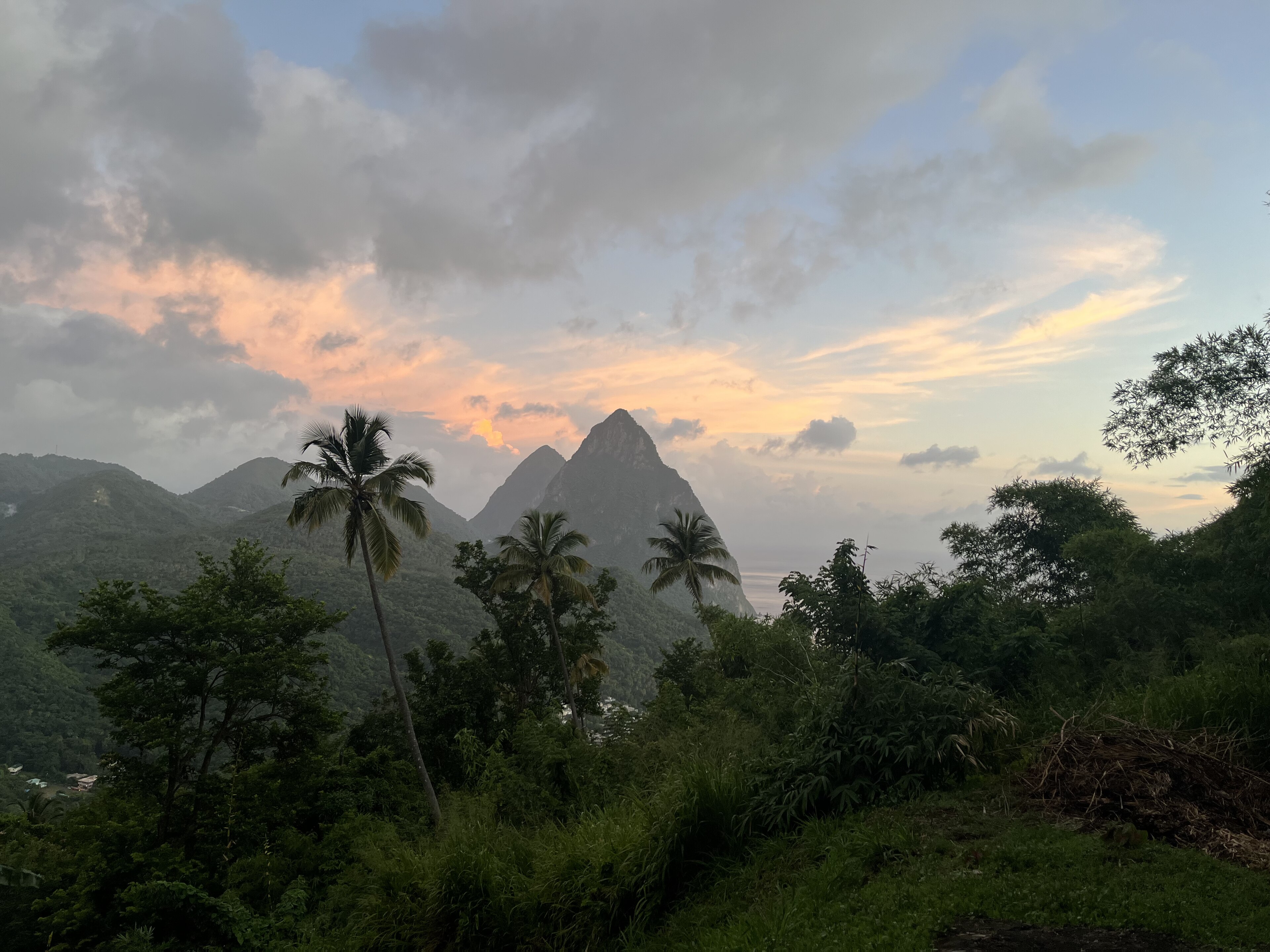
The Pitons
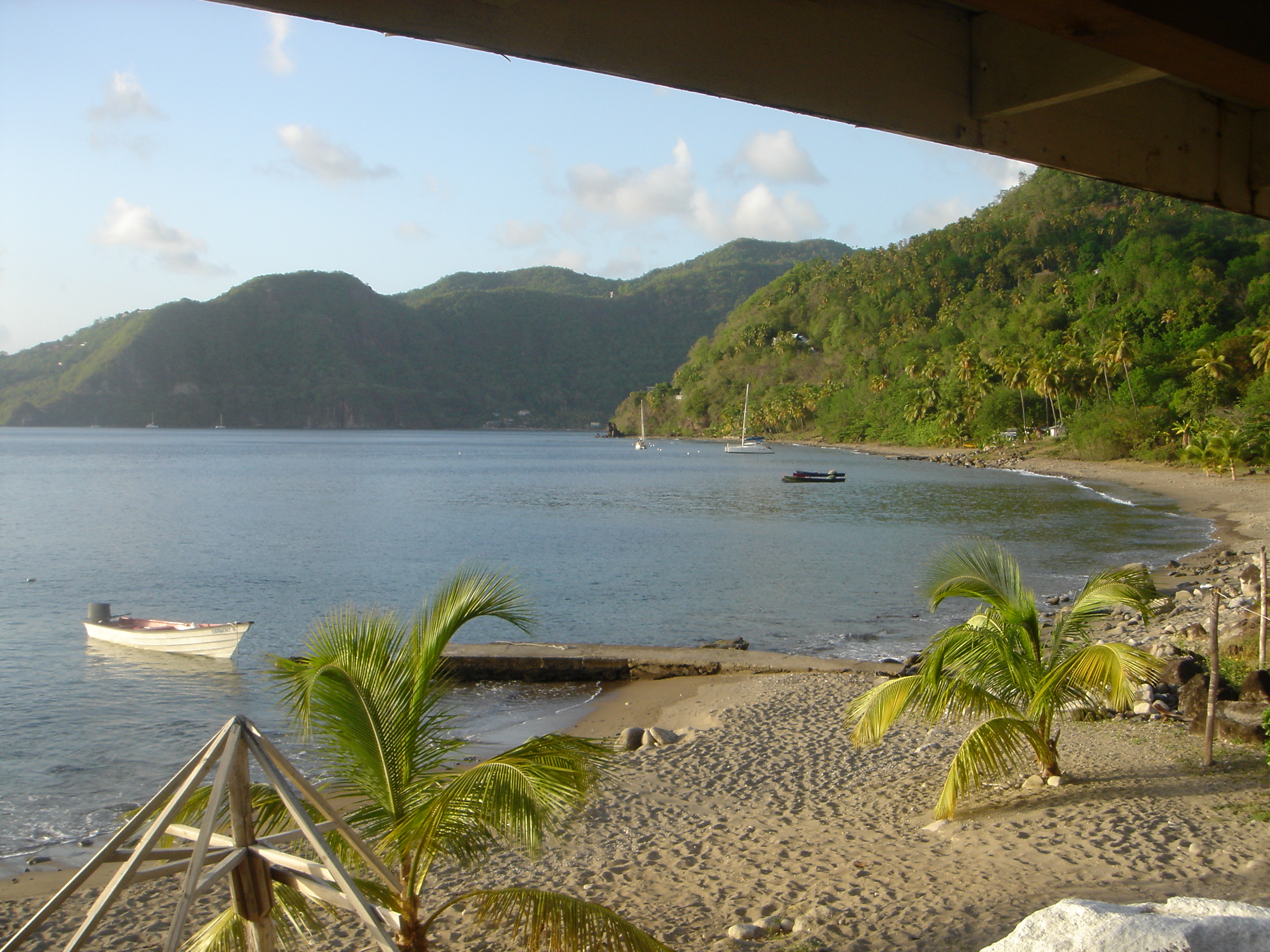
Two volcanic spires on the southwest coast, recognised as a UNESCO World Heritage Site.
Read the guide
Things to do
Volcanic peaks, reefs, rainforest, forts and a sheltered coast made for boats. These are the experiences that define the island.
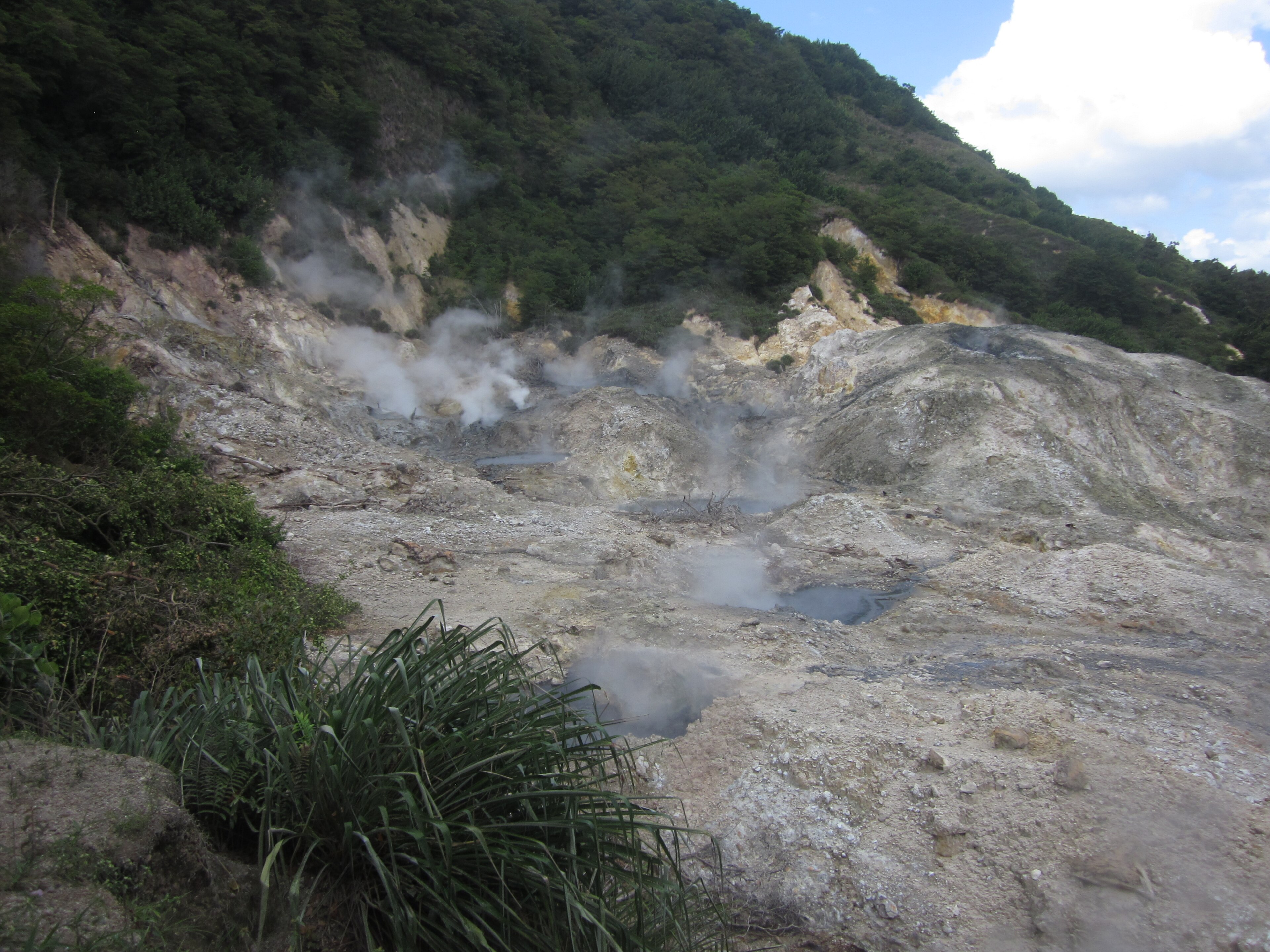
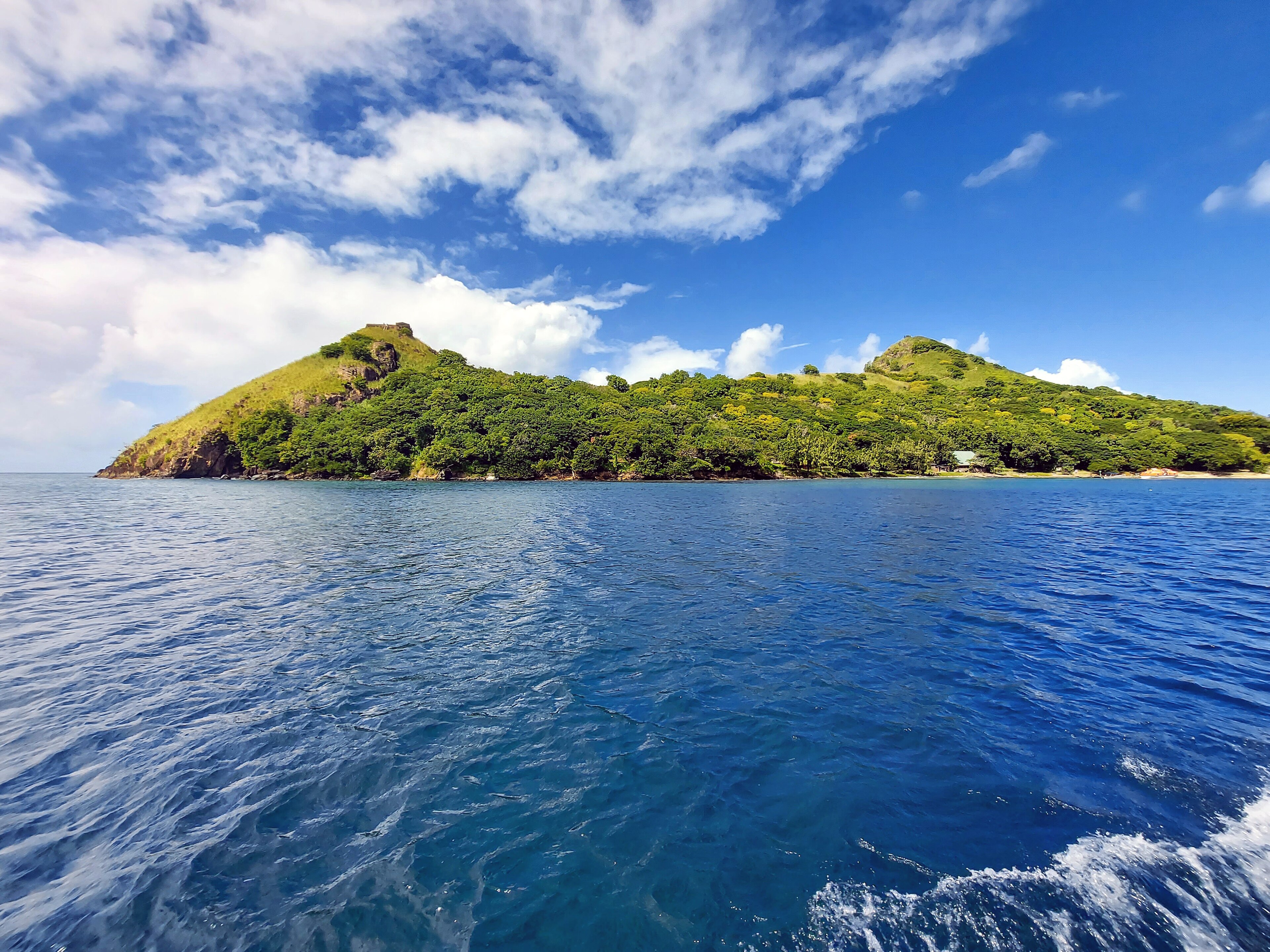
The Pitons and the Sulphur Springs are the sights most visitors plan around. Both are in the southwest, close to Soufrière. In the north, Pigeon Island National Landmark offers history, trails and views.
Active travellers can head for the reefs, described in our diving guide, or the trails in our hiking guide. Gentler days might include the waterfalls and gardens, a visit to a cocoa estate, or a cruise as set out in our sailing guide.
For the right season, read the best time to visit guide.
For a first visit of a week, many travellers spend three nights in the southwest and four in the north. The southwest days cover the Pitons, the Sulphur Springs, the waterfalls and a dive or snorkel. The northern days cover a boat trip, Pigeon Island, the beach and an evening out in Rodney Bay.
For a shorter trip, choose one coast and do it well. A long weekend in the southwest is enough to see the main sights, and a long weekend in the north suits a beach break with a day or two of exploring.
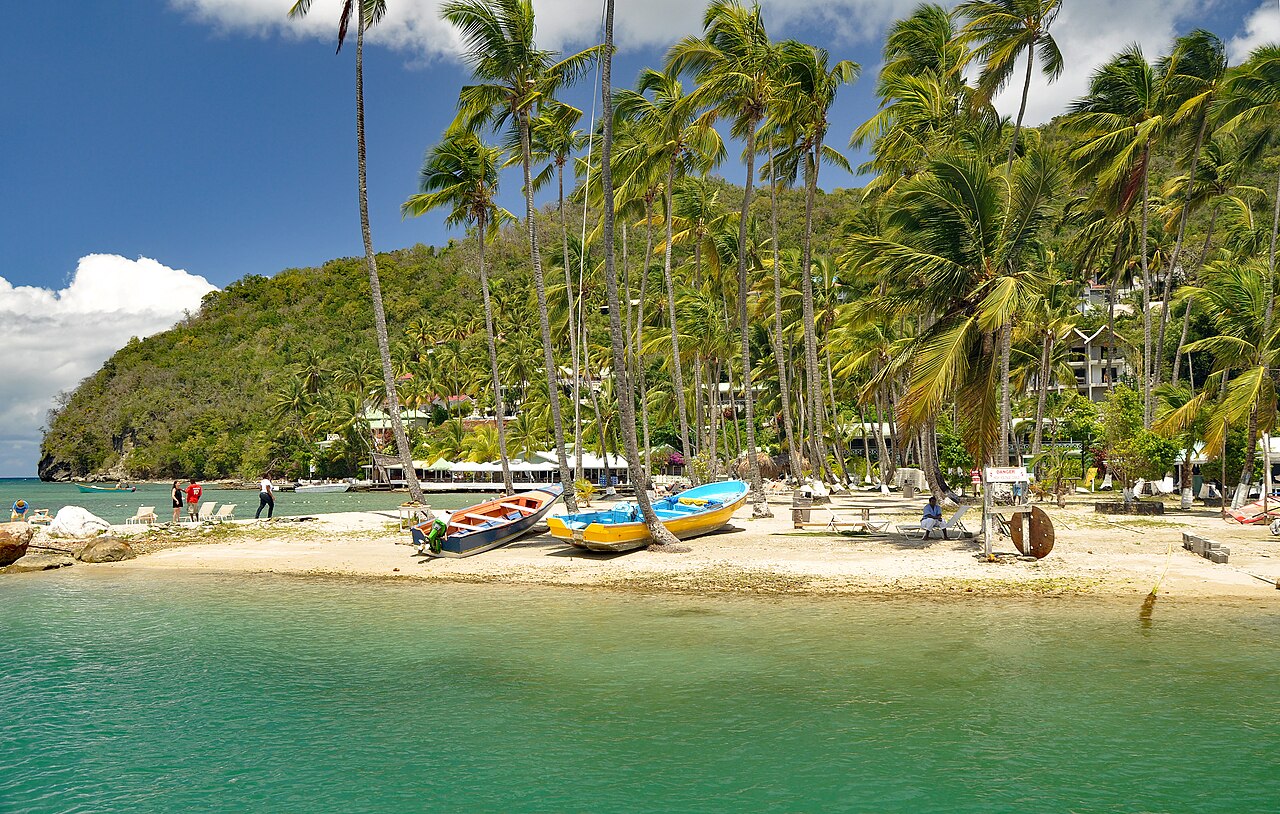
Active visitors will want the hikes and the dives. Couples might favour sunset cruises, spa time and a long lunch at an estate. Families often enjoy the waterfalls, the beaches and the sheltered water at Marigot Bay. Food lovers can follow the trail laid out in our food and rum guide.
Whatever your interests, allow time to do very little. The pace of the island invites it, and some of the best moments are unplanned. Use our trip planning page to ask the guide about options that fit your dates.
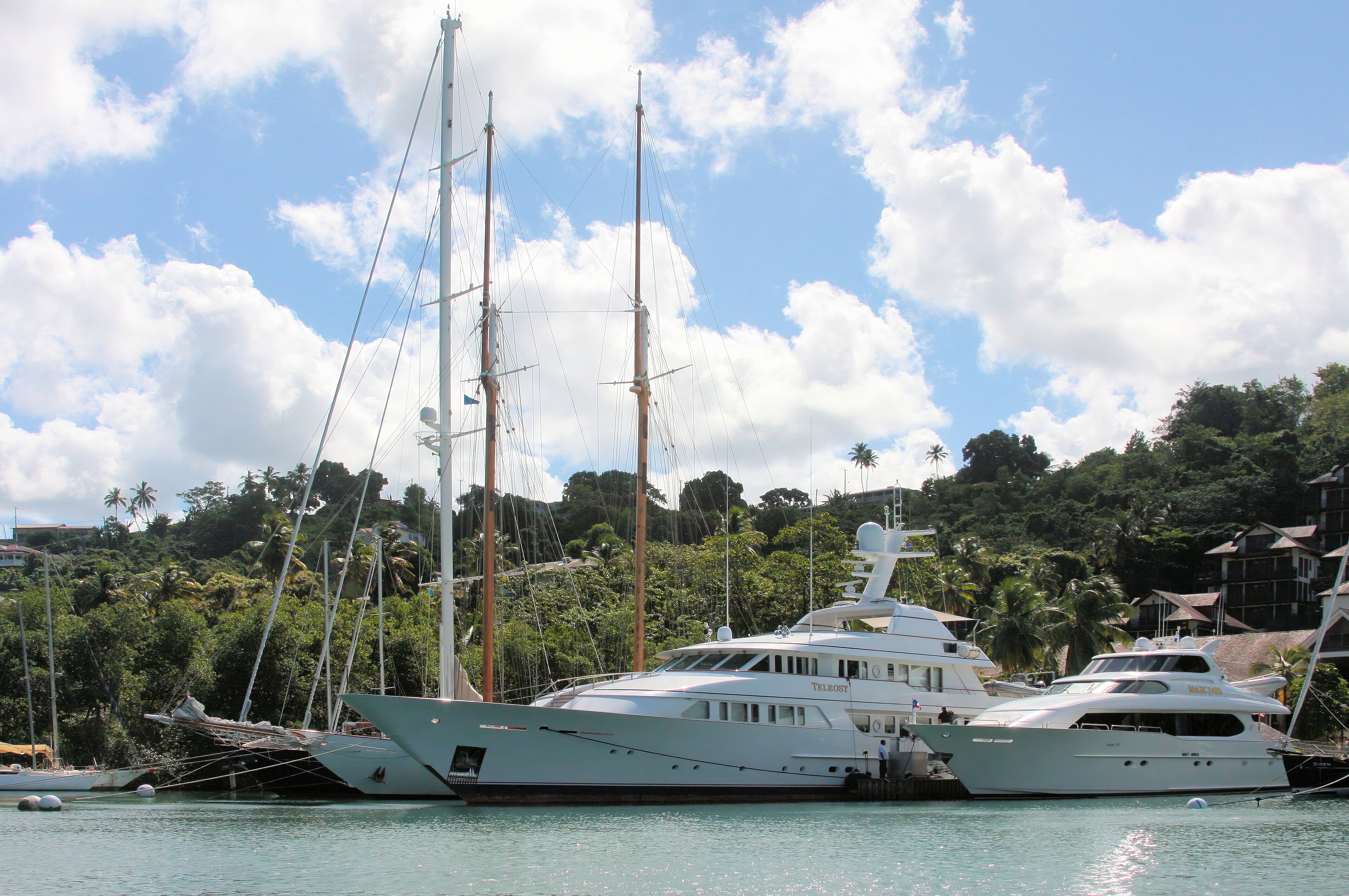
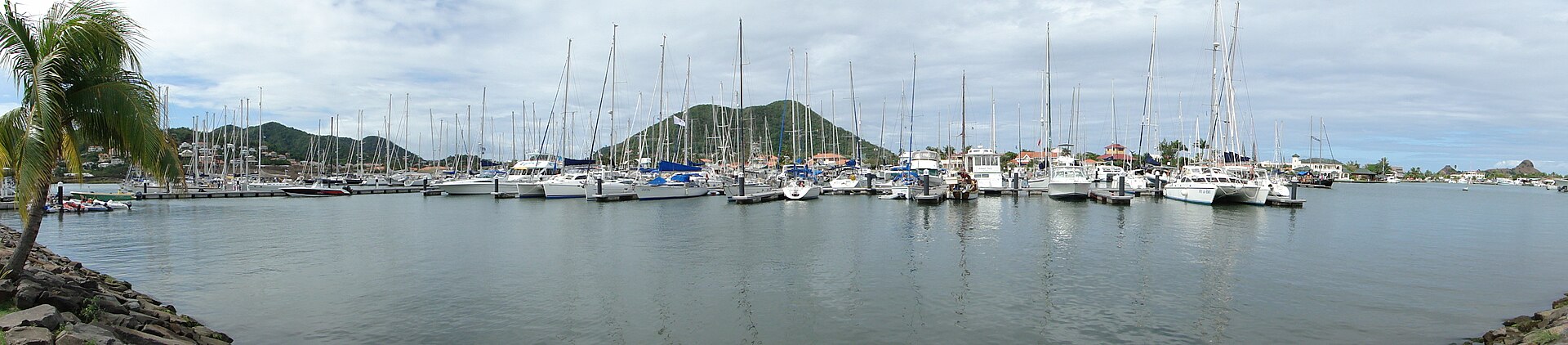
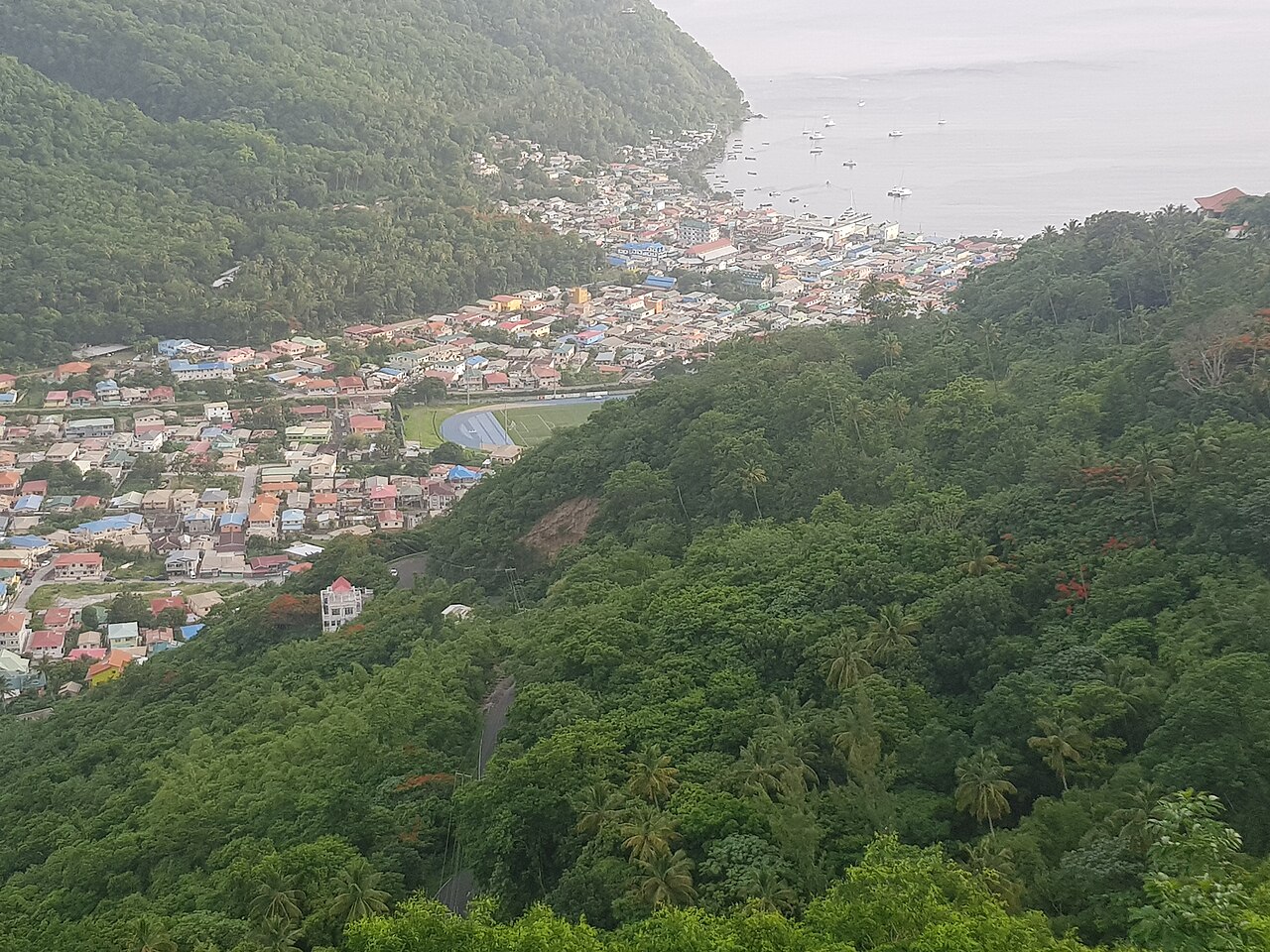
For holidays in Saint Lucia, plan around three zones: the north around Rodney Bay and Gros Islet for beaches and evenings, the central west coast around Castries and Marigot Bay, and the southwest around Soufrière for the Pitons, springs and gardens. Saint Lucia is small on the map but it behaves like a larger island, because the roads climb, twist and double back, and a distance that looks trivial can swallow a good part of the morning. Here is how the zones differ. The north, around Rodney Bay and Gros Islet, is home to the marina, the long beach strip and most of the evening life. The middle of the west coast, around Castries and Marigot Bay, holds the capital, the market and a sheltered harbour. The southwest, centred on Soufrière, is where the Pitons, the springs, the gardens and the old estates cluster together. Choosing which zone you will spend most time in is the most useful planning decision you can make, and our pages on hotels in Saint Lucia show how each resort sits within it.
The Atlantic side is a different world altogether. The sea is wilder, the cliffs are rougher and the villages are far quieter than the resort areas, which makes it a rewarding place for a guided day out if you want to see a working, unpolished part of the island. Our guide to the east coast describes what that looks like. In the far south, Vieux Fort has the main international airport, a windswept beach loved by kitesurfers and a history that begins with a wartime base. Few people stay there, but many pass through it, and a short stop on the way to or from the airport can show you a side of the island that the brochures rarely mention.
Moving between zones takes planning. Road journeys are slow, the bends are tight and the scenery tempts you to stop, so a day that crosses the whole island is better treated as an outing in its own right than as a way of fitting in extra sights. If time is short or the budget allows, a short flight can replace a long drive, and our guide to helicopter tours explains how transfers and scenic flights work. Whichever way you travel, build in slack. The best days on Saint Lucia are rarely the ones that were packed to the minute, and a long lunch with a view of the sea often turns out to be the part you remember.
The best day in Saint Lucia puts effort in the morning, water and shade at midday and sunset on the west coast in the evening, which beats the heat and keeps travel time sensible. Mornings are for effort. The air is coolest soon after dawn, the light is clear, and the places that take work to reach, such as the forest trails, the gardens and the springs near Soufrière, are quieter before the day trips arrive. The island's tourism authority suggests visiting the gardens and the springs in the morning or late afternoon, and anyone who has stood in the sun on an exposed ridge at noon will see why. A guided hike or a garden walk finished by late morning leaves the rest of the day free, and it means you meet the heat already showered and fed rather than halfway up a hill.
Midday belongs to water and shade. This is the time for a swim, a long lunch under an awning, a browse through a market stall or a slow drift on a boat with a breeze across the deck. Many visitors find that the best use of the hottest hours is a catamaran trip or a stop at a beach bar, and our guide to where to eat explains how to find lunch that is worth the wait. Museums, cocoa estates and tasting rooms also work well in the middle of the day because they offer shade, a seat and something to learn while the sun is at its fiercest.
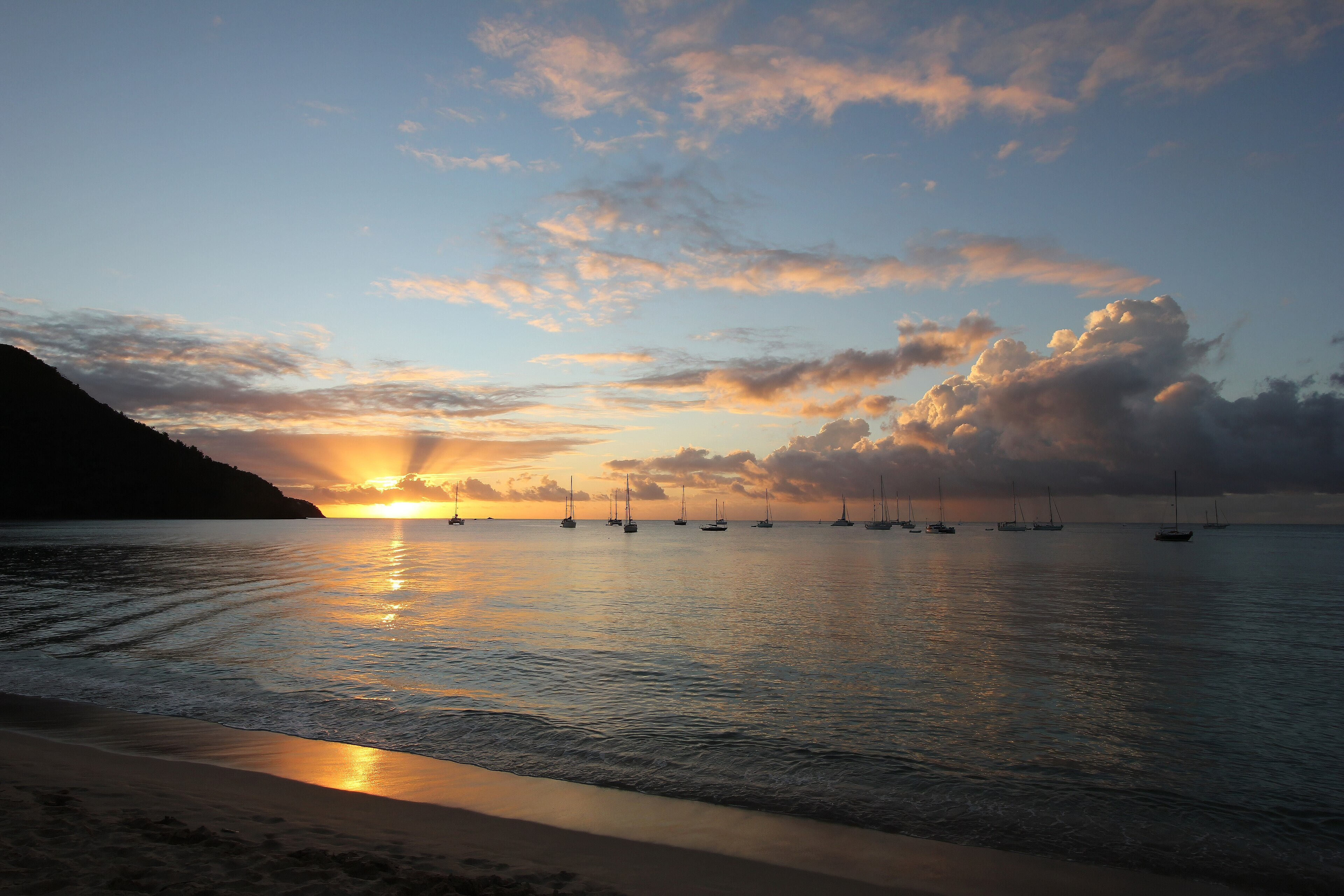
Evenings are for the west coast sunsets and for the island's social life. Boats time their cruises for the last light, and the beaches and bars along the coast fill with people watching the sun drop into the sea. On Fridays the street parties come alive, with a seafood street fry in the village of Anse La Raye, where Front Street is closed to traffic, and a lively jump up in Gros Islet, with barbecue stands, speakers and dancing late into the night. If you prefer a quieter end to the day, the restaurants around Rodney Bay and the terraces of the southern resorts offer calmer tables with views.
Make time for the Saint Lucia parrot, whale and dolphin trips, village cricket and local festivals, because these quieter experiences are what many visitors remember longest from holidays in Saint Lucia. Some of the best experiences on the island do not feature on the usual checklist. The Saint Lucia parrot, a bird of green plumage with a blue forehead and a scarlet breast, lives only here and was declared the national bird in 1979 after a campaign to save it from extinction. You are most likely to hear it before you see it, high in the forest canopy, and a patient morning with a guide is worth more than any amount of rushing. Our birdwatching guide explains where to go and how to behave in the forest so that the birds stay undisturbed.
The sea gives its own surprises. Deep water lies close to the coast, which is why dolphins and pilot whales can be seen on short morning trips, and why humpbacks pass through in the early months of the year. Sightings are never guaranteed, and that is part of the charm, but a calm morning on the water is rarely wasted. Our guide to whale and dolphin watching sets out what to expect, and it pairs naturally with a lazy afternoon on the sand.
Culture runs through everything, from the cricket matches in village grounds to the bush teas in market stalls and the music that spills out of bars on a Friday. A festival can transform a quiet week into an unforgettable one, so check the calendar in our guide to festivals and events before you fix your dates, and read about the best time to visit if you want drier trails and calmer seas. Leave one day entirely unplanned. On an island this size, a wrong turn is usually the beginning of something good.
Almost every activity on this page connects to something larger. The geology and volcanoes guide explains the mountains and springs, rainforest and plant life covers the forest, and marine life and coral reefs the sea.
For culture and sport, read about culture and traditions and sport in Saint Lucia. The About Saint Lucia hub gathers every background guide in one place.
Most visitors fit this into St Lucia holidays, so choose your base first. Compare hotels in St Lucia by area and style, and read our guides to luxury hotels in St Lucia and all inclusive resorts in St Lucia if you are choosing between a boutique stay and an all in package.
Then set your dates with the best time to visit St Lucia, book flights to St Lucia and pick days out from our St Lucia itineraries. Couples can also read about a honeymoon in St Lucia or weddings in St Lucia.
One main activity a day with a lighter plan for the afternoon is realistic. Winding roads and tropical heat slow everything down, so build in rest days alongside the busy ones.
Book guided hikes, sunset cruises, helicopter flights and wildlife trips ahead in the busy winter months. Gardens, beaches and markets can usually be visited without a reservation.
Gardens, waterfalls, cocoa estates, markets, cooking classes and museums all still work well in rain. Showers usually pass quickly, so keep a light waterproof in your bag and plan outdoor effort for the morning.
The highlights are the Pitons, the Sulphur Springs, rainforest walks, snorkelling and diving, boat trips and waterfalls. Mix active days with beach time. Start with the Pitons for the island's signature sight.
Gentle boat trips, beach days, Pigeon Island, waterfalls and cocoa tours all work well with children. Check age limits for tours and activities. See family trip planning for more ideas.
You can hike, snorkel, dive, sail, zipline, kayak, spot birds and ride off-road. Many can be booked locally or through your hotel. Browse hiking and rainforest to begin, and check seasonal conditions first.
Beaches, viewpoints, markets and many coastal walks cost little or nothing, though some sites charge entry or need a guide. Check current details before you go. See beaches for the easiest free days out.
Tours are worth it if you want local knowledge, easier logistics and no long drives, especially around the Pitons and the rainforest. Independent travellers can still manage many sights alone. See land tours for options.
Adventure options include ziplining, jeep tours, rainforest hikes, climbing the Pitons and diving. Fitness and weather affect what is suitable. See jungle ziplining for a popular choice, and always check age, weight and health limits with the operator.
Yes, most activities can be booked with transfers included, and taxis cover short trips. Pickup points and timings vary, so confirm when booking. See getting around for transport choices, and ask your hotel about prices.
Saint Lucia lies in the Windward Islands of the eastern Caribbean, around 13.8830 degrees north, 60.9670 degrees west. Map data from OpenStreetMap contributors.
Two volcanic spires on the southwest coast, recognised as a UNESCO World Heritage Site.
Read the guideA geothermal area in a volcanic crater near Soufrière, often called the drive-in volcano.
Read the guideA national landmark with a fort, trails and views, linked to the mainland by a causeway.
Read the guideProtected reefs, walls and wrecks, with the best sites along the Soufrière coast.
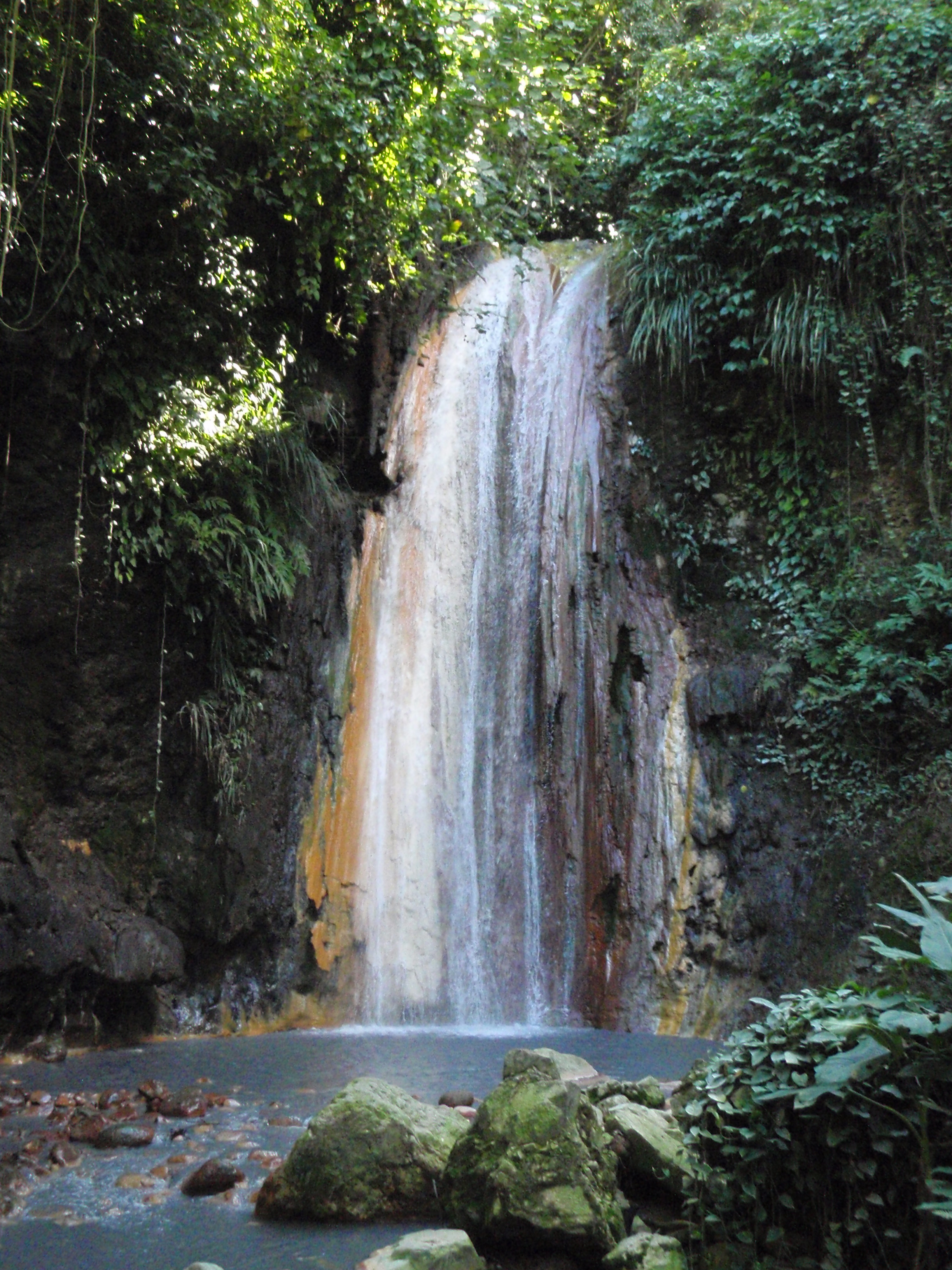
Read the guideRainforest waterfalls, botanical gardens and estates around Soufrière.
Read the guideCatamaran cruises, private charters and coastal trips along the west coast.
Read the guideRainforest trails, nature reserves and viewpoints, from short walks to full-day hikes.
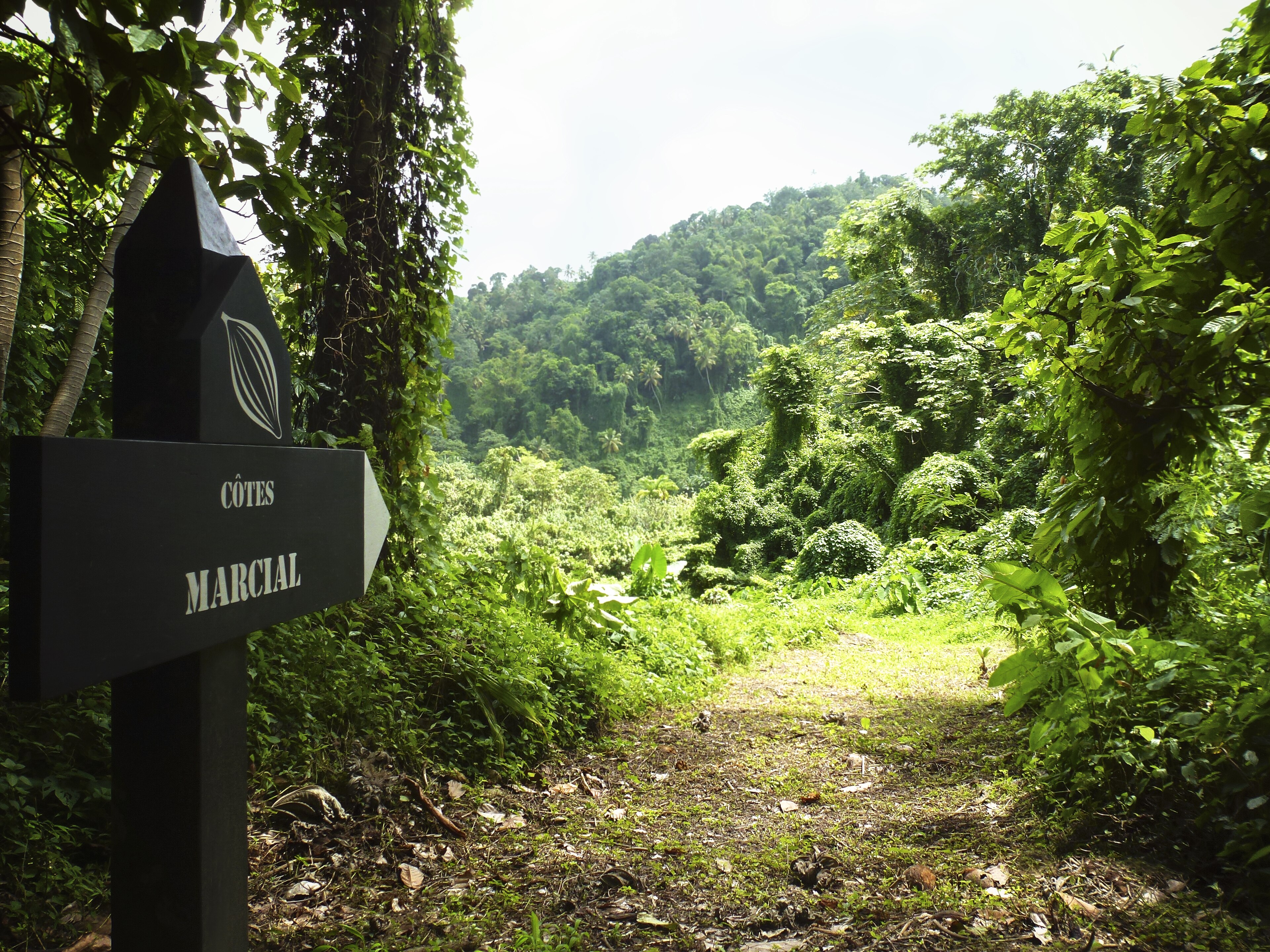
Read the guideCocoa estates and chocolate-making experiences in the hills above Soufrière.
Read the guideJazz in May, Carnival in July, the flower festivals and Creole Day: a year of music and tradition.
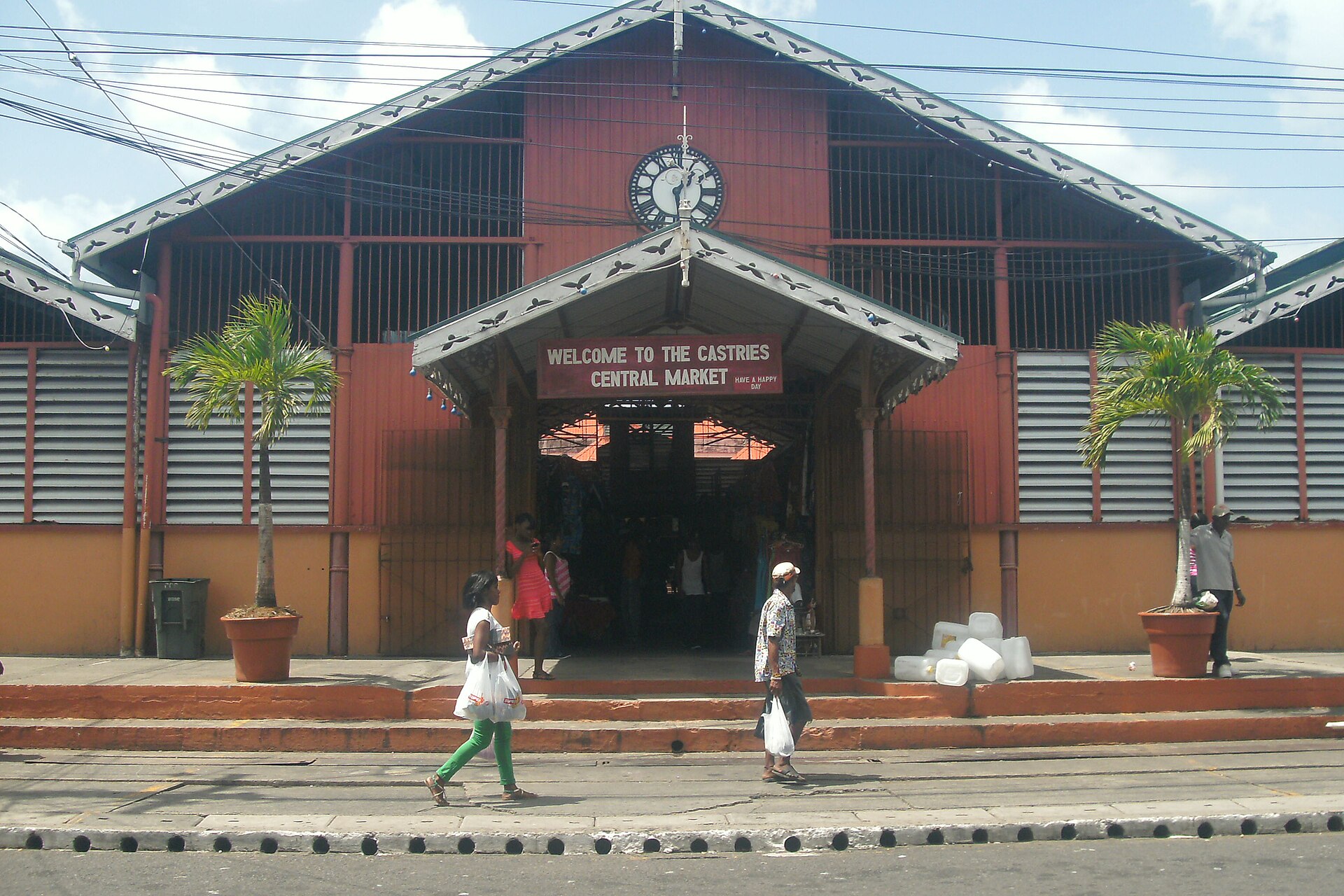
Read the guideMarkets, fish fries and the best resort dining rooms, with the habits that make eating out easy.
Read the guideDay catamaran sails, sunset cruises and private charters along the sheltered west coast.
Read the guideOffshore sport fishing for marlin, tuna, mahi-mahi and sailfish with local captains.
Read the guideMorning boat trips along the west coast to meet dolphins, pilot whales, sperm whales and passing humpbacks.
Read the guideZip lines through the rainforest canopy and over valleys and cocoa estates, suitable for most ages.
Read the guideGuided jeep and ATV trips, plus the Small Six Safari for endemic wildlife, off the beaten track.
Read the guideA demanding rainforest climb to the highest point on the island, at 950 metres.
Read the guideGros Piton, Petit Piton and Mount Gimie in one guided challenge, in a single day or spread over several.
Read the guideA guided climb to the 798 metre summit of Gros Piton, with a note on how Petit Piton compares.
Read the guideGuided days out by road through villages, rainforest, waterfalls, estates and viewpoints.
Read the guideCruises by catamaran, yacht and local boat, plus the regattas and fishing events on the water calendar.
Read the guideChampionship golf in the north, a members peninsula course, and tennis courts at resorts and a national centre.
Read the guideShort flights over the Pitons, rainforest and northern bays, plus fast transfers between the airports.
Read the guideMatch days at the Daren Sammy Cricket Ground, Caribbean Premier League fixtures and the game in everyday island life.
Read the guideFort Rodney, Fort Charlotte, plantation mills and wartime Vieux Fort: the island's contested past on foot.
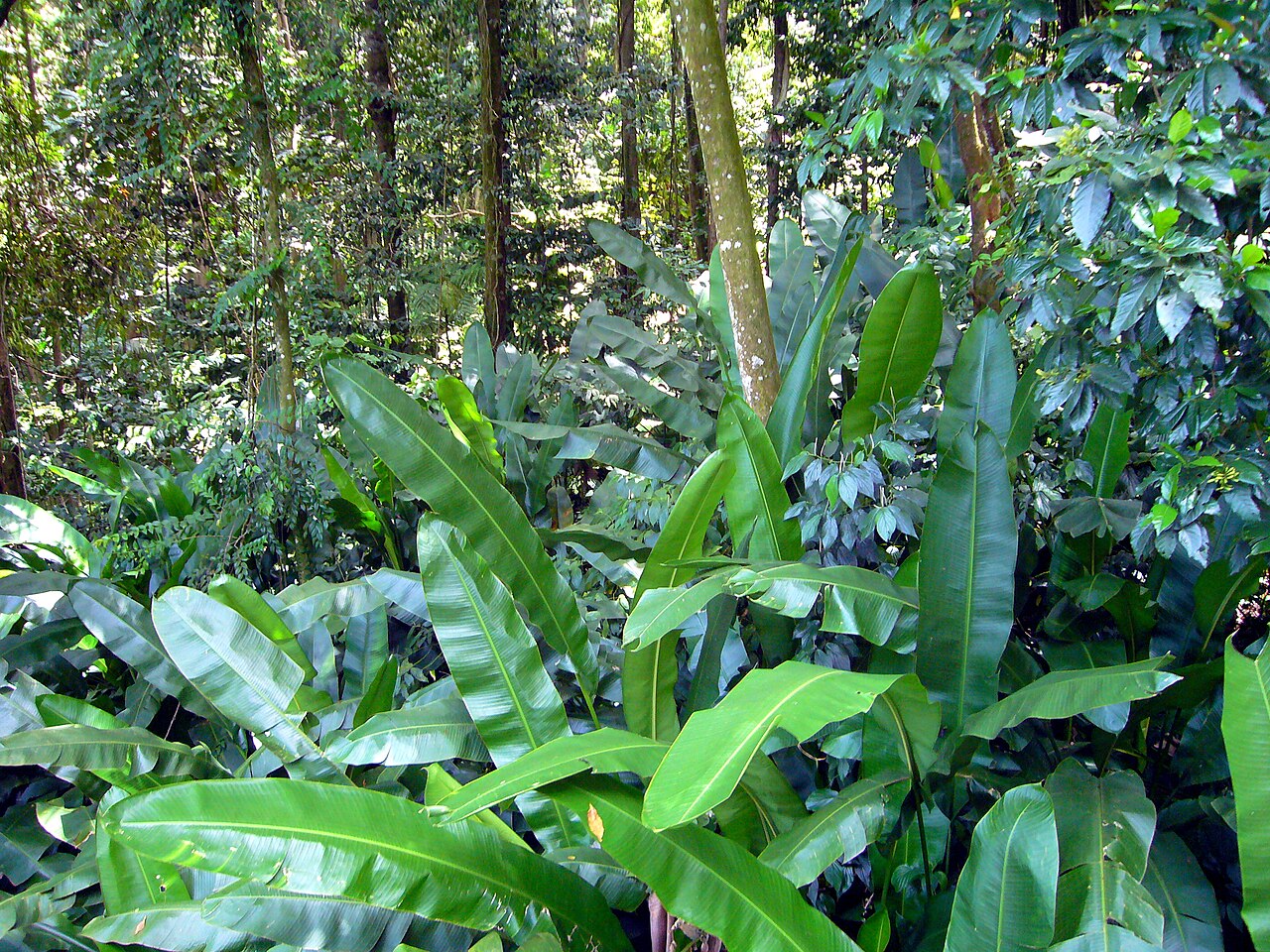
Read the guideTropical gardens, forest reserves, eco-parks and waterfalls from Soufrière to the east coast.
Read the guideEndemic parrots, orioles and warblers, plus hummingbirds, herons and seabirds across forest, coast and wetland.
Read the guideBay leaf, lemongrass, moringa and other plants that feature in island cooking, teas and heritage.
Read the guideStadiums, pools, pitches and courts, plus swimming, kitesurfing and training options across the island.
Read the guideKayaking, paddleboarding, snorkelling, helmet diving, a floating water park and the island's water events calendar.
Read the guideA short guided walk above Soufrière with medicinal plants, a traditional house and wide views of the Pitons and the Caribbean.
Read the guideA gondola ride through and above the forest canopy at the Rainforest Adventures park near Chassin, with guided trails and ziplines.
Read the guideFour Saint Lucia restaurants chosen for their setting as much as their cooking: a cocoa estate, a ridge between the Pitons, a mangrove deck and a clifftop.
Read the guideThe island's spring music festival: dates, venues from Pigeon Island to Rodney Bay, line-up types and how to plan.
Read the guideThe two flower societies and their grande fêtes on 30 August and 17 October: séances, processions, dances and how to watch.
Read the guideAsk about places to stay, things to do, the weather or getting here.
Looking for the industry view? Visit St Lucia on VisitTravelGroup.com covers the destination for travellers and the tourism trade.
More from the Visit Travel Group network: VisitTravelGroup.com, Benidorm.co.uk, Anguilla.co.uk, TheRedSea.co.uk.