Things to do
Botanical Gardens and Nature Parks in Saint Lucia
The island is a living garden. Here are the places where you can walk among it, from landscaped grounds to protected rainforest.
Gardens, parks and reserves
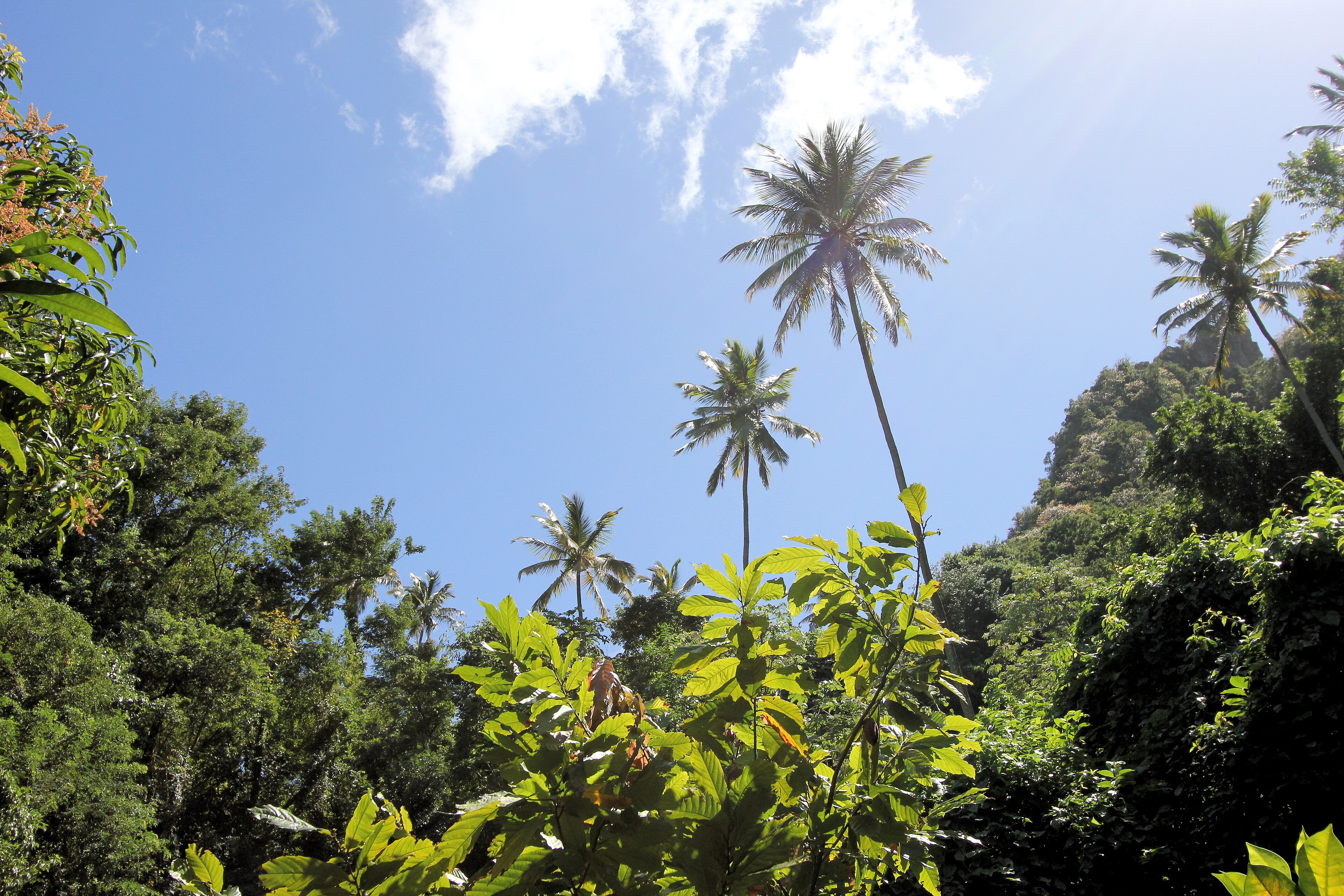
Saint Lucia's volcanic soil and heavy rainfall make it one of the greenest places in the Caribbean. Some of that green is curated, in gardens laid out by estate owners and families over generations. Some is wild, in protected forest reserves where trails lead through trees that were growing long before any road was built.
This guide covers both. If you only want waterfalls, our shorter waterfalls and gardens guide is the quick read. Here we go wider, across the whole island, and include the parks and reserves that suit active visitors and families.
Gardens around Soufrière
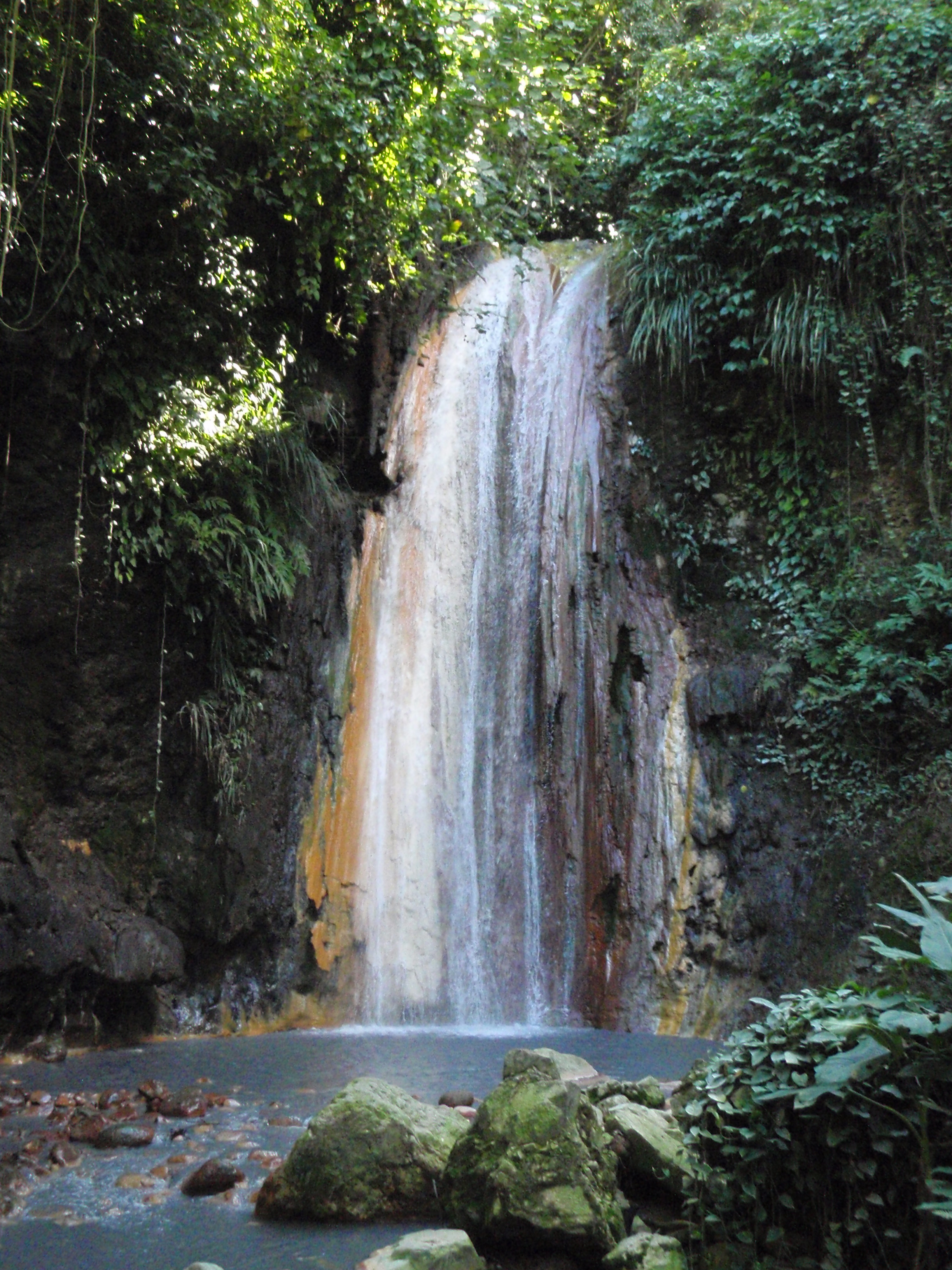
Diamond Falls Botanical Gardens and Mineral Baths is a historic garden in Soufrière, known for its tropical planting and the multicoloured waterfall at the back. Maranatha Gardens sits in the hills above the town, with rainforest trails and panoramic views of the Pitons and the coast. Both are easy to include in a day that also takes in the Sulphur Springs.
Piton Falls lies between the two peaks, where warm mineral water runs into small pools. Fond Doux Estate, set among old Creole buildings and working cocoa trees, is described in our cocoa and chocolate guide. Most of these places are ten to twenty minutes by car from the town.
East coast and south
Mamiku Gardens, on the east side, is one of the oldest botanical gardens on the island. Paths wind between tropical plants and the ruins of a former plantation, and the hillside setting makes it a favourite with birdwatchers. LaTille Falls and Garden, near Micoud, offers landscaped paths and a calm waterfall in a forest setting.
Both fit neatly into a day on the Atlantic side. The east coast guide and the Dennery guide show what else is nearby, and the two gardens give you a calmer, less visited counterpart to the busier southwest.
Forest reserves and nature parks
Tet Paul Nature Trail is a guided walk with views of the Pitons and the Caribbean, and it introduces local plants and traditional farming along the way. Millet Bird Sanctuary is a rainforest sanctuary that suits birdwatchers, and Edmund Forest Reserve protects rainforest near Mount Gimie, the island's highest point. Our birdwatching guide and Mount Gimie hikes guide cover these in detail.
In the north, Rainforest Adventures is an eco-adventure park set high in the forest, and our ziplining guide explains the canopy options. Off the south coast, the Maria Islands Nature Reserve protects rare wildlife and seabirds. Visits are by guided tour only, and access can be restricted from May to July to protect nesting birds.
- Book guided trails in advance where possible.
- Respect closures at nesting reserves.
- Take everything you carry back out with you.
Pigeon Island and coastal green space
In the northwest, Pigeon Island National Landmark blends coastal woodland, beaches and ruins in a single compact park. It is the easiest place to combine a gentle walk with history, and it works well for families with younger children.
For longer walks inland, the hiking and rainforest guide sets out the trail options. If you plan to climb, remember that guides are normally required on the main routes.
Practical advice
Mornings are best, when the gardens are quiet and the temperature is gentler. Difficulty ranges from easy garden strolls to moderate forest walks. Wear comfortable shoes with grip, carry water, bring a camera and use insect repellent, particularly in shaded areas. Prices are normally quoted in Eastern Caribbean dollars, and US dollars are widely accepted.
Check opening times before you go, because they can vary through the year. The drier months from December to May suit walking, and our best time to visit guide explains the seasons. For a ready-made day out, see the nature and rainforest itinerary.
What is there to see in the botanical gardens near Soufrière?
The botanical gardens near Soufrière in Saint Lucia offer easy, shaded walks among tropical flowers, palms and orchids, usually with a waterfall or a view of the Pitons, and a visit takes one to two hours. You step from the road into a cool, damp green world where large leaves overlap above the path, water can be heard somewhere out of sight, and the air carries the scent of flowers and wet earth. The volcanic soil and generous rain mean that plants grow with an energy that surprises visitors from cooler climates, and even a short walk reveals bright heliconias, gingers, palms and orchids in a single stretch of path.
Gardens around Soufrière suit a slow morning. Arrive soon after opening, when the temperature is gentle and the light is soft, and take your time. Stop at the waterfall, read the plant labels, and sit for a few minutes on a bench to watch hummingbirds working the flowers. That leaves the rest of the day free for a lunch in the hills and an afternoon swim or visit to the nearby Sulphur Springs. Take time over the details. Look under leaves for tiny frogs, watch for hummingbirds hovering at red and orange flowers, and notice how the air cools beside the water. Taking a notebook or a sketchbook is a nice idea, and there is usually somewhere shaded to sit and use it.
At the larger gardens you can often arrange a guide, which is worth the small extra cost. They explain which plants were used for food, medicine or dye, which trees arrived with the plantations and which are native. A plain-looking leaf can turn out to be the base of a bush tea or a flavouring that you have already tasted at dinner. If you enjoy learning as you walk, ask about the stories behind the plants as well as their names. If you are visiting with children, make the stroll into a game by challenging them to find a particular flower or a lizard. Paths are generally short, and small legs rarely tire before the waterfall is reached. Keep phones and cameras dry near the spray, and carry a towel for muddy shoes.
Are the rainforest reserves in Saint Lucia worth visiting?
The rainforest reserves of Saint Lucia are worth visiting if you enjoy quiet, steep walks under tall trees and the chance of seeing endemic birds, and a guide makes them safer and far more rewarding. The forest reserves of the interior protect the rainforest that once covered much of the island, and walking in them feels quieter and more serious than a garden stroll. Trees climb high above you, ferns and vines cover trunks, and the light turns green and dim. Paths can be steep and wet, so shoes with a good grip and a little fitness are sensible, and a guide makes the experience richer as well as safer.
These reserves are home to the birds and animals that make Saint Lucia distinctive. If wildlife is your interest, read our birdwatching guide before you choose where to walk, because the best bird-watching places and the best forest walks are often the same. The forest also shelters lizards, frogs and butterflies, and the quiet visitor sees more than the one who rushes along the trail. Paths in the reserves can be narrow, root-tangled and slippery, so slow down and use your hands where you need to. Guides often carry a machete for clearing growth, but you should never cut or pick anything yourself. The forest has been protected for good reasons, and every visitor shares the job of keeping it intact.
For the more adventurous, the same forested hills offer longer hikes, including the climb described in our Mount Gimie guide. Whatever length of walk you choose, remember that the interior is a protected environment. Keep to marked paths, take away every scrap of rubbish and leave plants and stones where you find them. The reward is a sense of the island as it was before roads and plantations, which no beach can offer. Wildlife sightings are never guaranteed, but the quiet hours reward those who wait. Birds call from high in the canopy, lizards bask on trunks, and butterflies drift along sunny gaps in the trees. Dress in muted colours, speak in low voices and let the forest settle around you before you move on.
Which garden or nature park should you choose in Saint Lucia?
Choose a tranquil garden near Soufrière for couples, a waterfall garden for families, and a forest reserve with a guide for keen walkers and birdwatchers, visiting early in the morning in any case. Couples often prefer a tranquil garden with a view and a good lunch nearby. Families tend to enjoy places with a waterfall or a pool and paths that are easy for small legs. Keen walkers and nature lovers should look at the forest reserves and trails, while photographers will find gardens at their best in the soft light of early morning or late afternoon, especially after a short shower has made the colours deeper.
Gardens and reserves also work well as wet-weather options. The leaves are at their glossiest after rain, and many gardens have covered corners where you can wait out a shower. Our rainy day ideas suggest more ways to use a showery afternoon, and the best time to visit guide explains how the seasons shape what you will see in bloom. Photographers should note that gardens look their best on a bright but slightly overcast morning, when colours are rich and shadows soft. Midday sun flattens the scene and makes harsh patches under trees. Carry a lens cloth, as humidity can mist glass quickly when you step from an air-conditioned car.
To build a whole day, combine a garden with a cocoa estate and a swim, or add a waterfall for a cool break. If you would like a ready-made plan, the nature and rainforest itinerary links several of these places in a sensible order, and our guide to local plants and traditional uses helps you recognise what you are looking at. A little preparation makes a short garden visit feel far fuller. Add a meal to the day. Many gardens and estates serve lunch or have a café nearby, and a plate of local food after a morning outdoors is a fine reward. Check the seasons too, so you can pick the months when the gardens are at their greenest and the paths at their driest.
Gardens and the island's plant life
Cultivated gardens are best enjoyed alongside an understanding of the wild vegetation. The rainforest and plant life guide introduces the native forest, and geology and volcanoes explains the rich soils.
For the history of cultivation, read about agriculture and bananas and French and British rule. Conservation and protected areas completes the picture.
Where to stay and how to plan
Most visitors fit this into a holiday in St Lucia, so choose your base first. Compare places to stay in St Lucia by area and style, and read our guides to luxury hotels in St Lucia and all inclusive resorts in St Lucia if you are choosing between a boutique stay and an all in package.
Then set your dates with the best time to visit St Lucia, book flights to St Lucia and pick days out from our St Lucia itineraries. Couples can also read about a honeymoon in St Lucia or weddings in St Lucia.
Questions travellers ask
Which is the best botanical garden in Saint Lucia?
Diamond Falls Botanical Gardens near Soufrière is the best known, while Mamiku and Maranatha are quieter alternatives with distinct character.
Are the gardens suitable for children?
Yes. Most gardens have gentle paths and water features, though trails can be slippery after rain, so supervise young children.
How far are the waterfalls from Soufrière?
Most of the waterfalls and gardens are within ten to twenty minutes by car from the town centre.
Can I visit the Maria Islands without a guide?
No. Visits are possible only on guided tours run through the Saint Lucia National Trust, and access may be limited from May to July.
What should I bring?
Bring comfortable shoes, water, insect repellent, a camera and a light rain jacket. Swimwear is useful where there are pools.
Is there anything for birdwatchers?
Yes. Millet Bird Sanctuary, Mamiku Gardens and the forest reserves are all good places to look for endemic birds.
What currency do gardens and parks use?
Prices are normally in Eastern Caribbean dollars, and US dollars are widely accepted, but carry small notes for entry fees.
When is the best time of day to visit?
Morning is best, when gardens are quieter, the air is cooler and birds are most active along the trails.
How long should I allow for a visit to a botanical garden?
Most visitors spend between one and two hours in a garden, with extra time if you want to swim at a waterfall, take a guided tour or stop for refreshments at the entrance.
Are the gardens still worth visiting when it rains?
Yes. Rain brings out the colours and the scent of the plants, and showers usually pass quickly. Bring a light waterproof, wear shoes with grip and take care on wet stones.
Is it better to join a guided tour or walk alone?
In gardens either works well, though a guide adds stories and plant knowledge. In forest reserves a guide is strongly advised, as paths are steep and the wildlife is easy to miss.
Mamiku Gardens on the map
Mamiku Gardens is at 13.8687 degrees north, 60.9019 degrees west. Map data from OpenStreetMap contributors.
Ask Lucy about Botanical gardens and nature parks
Ask about places to stay, things to do, the weather or getting here.
Keep exploring Saint Lucia
Looking for the industry view? Visit St Lucia on VisitTravelGroup.com covers the destination for travellers and the tourism trade.
More from the Visit Travel Group network: VisitTravelGroup.com, Benidorm.co.uk, Anguilla.co.uk, TheRedSea.co.uk.