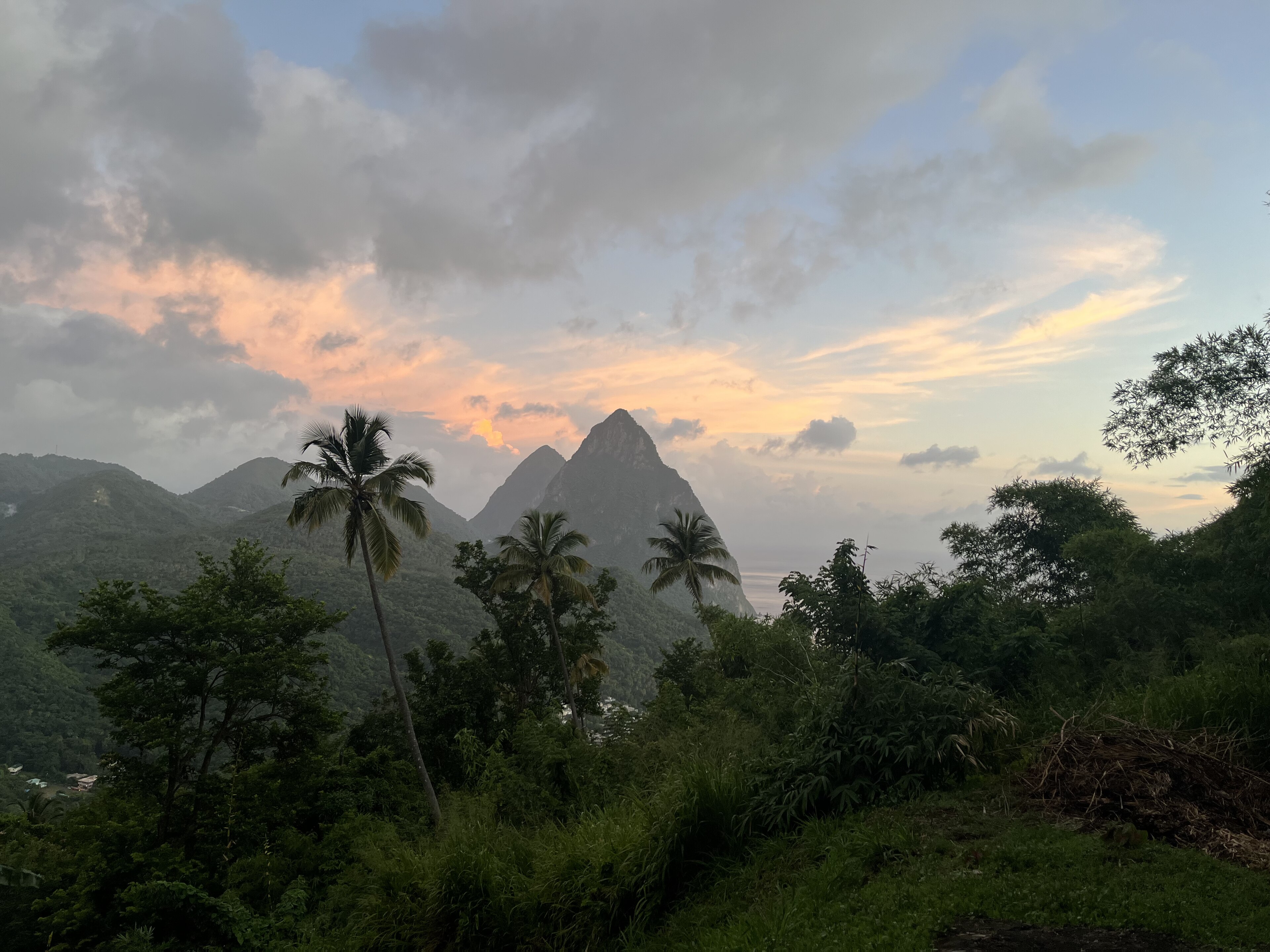
Plan your trip
How Many Days Do You Need in Saint Lucia?
Seven days is a good first visit, but the right length depends on whether you want to see the island or sink into it.
The honest answer
Most first-time visitors are happiest with five to seven nights. That is long enough to see the Pitons, spend a day in the rainforest, take a boat along the coast and still have a few afternoons with nothing planned. Shorter trips work well if Saint Lucia is part of a wider Caribbean journey, and longer ones suit people who want to explore the quieter corners of the island or simply stay put and enjoy a resort.
The island is only about 27 miles long, but the roads wind through hills, so time disappears faster than the map suggests. Crossing from the north to the Pitons can take well over an hour and a half each way. The most important decision is therefore not the number of days but the number of bases, and our getting around guide explains why fewer is usually better.
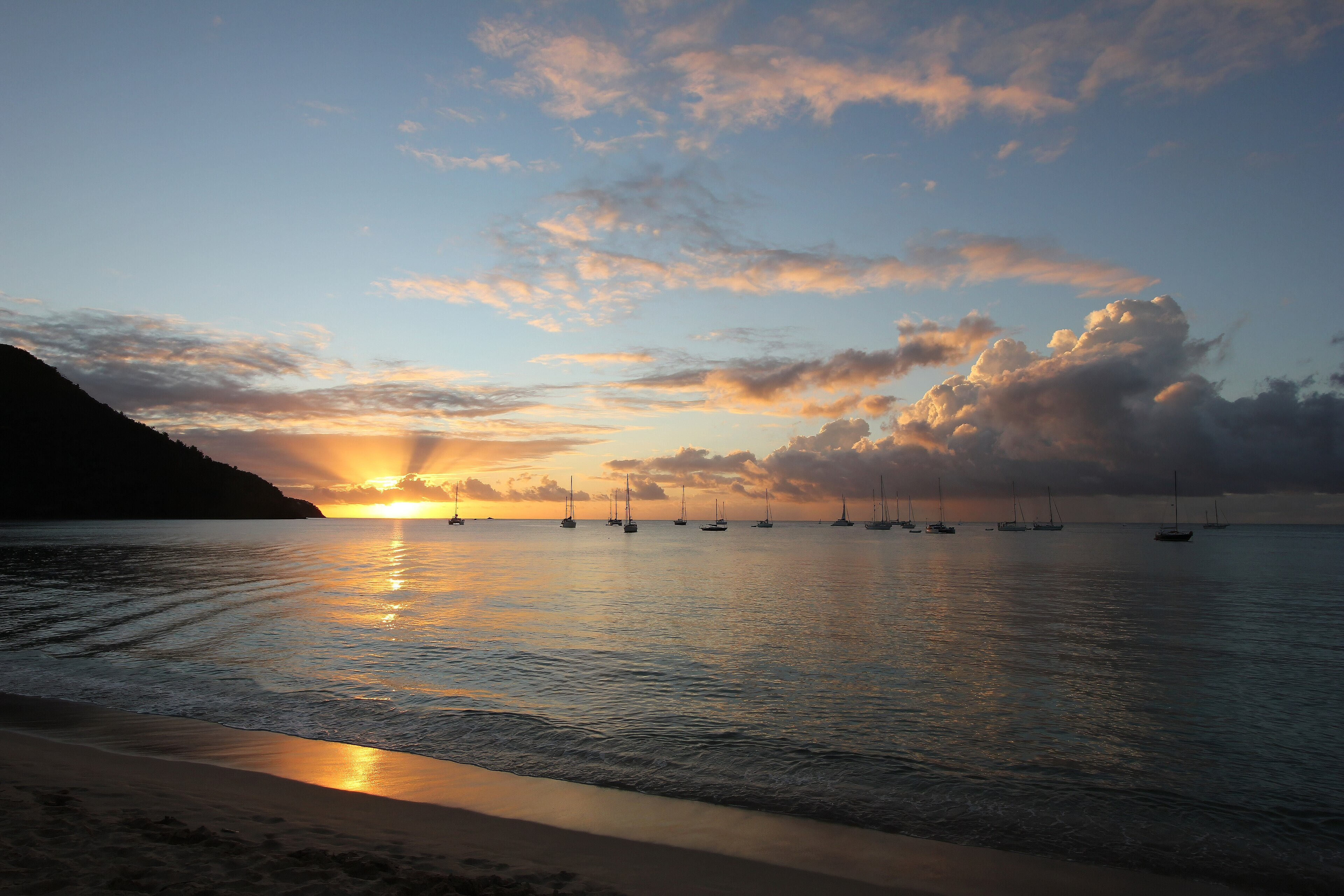
A long weekend: three or four days
A short stay can work well if you keep it simple. Choose one area as your base and build the days around it, rather than trying to cross the island every morning. Around Soufrière you can see the Pitons, visit the Sulphur Springs, swim at a bay beach and eat well without a long drive. In the north, Rodney Bay and Gros Islet combine beaches, restaurants and lively evenings, with Pigeon Island close by.
Plan one signature experience a day, such as a boat trip, a waterfall walk or a cocoa tour, and leave the rest for the beach. If you are flying into Hewanorra, remember that the transfer to the north takes around two hours each way, which is a large share of a short trip. Our getting here guide sets out the airports and the water taxi option.
- Pick one base and stay there for the whole trip.
- Plan one main activity a day.
- Check transfer times before choosing between north and south.
A week: five to seven days
A week is the comfortable middle. It is long enough to climb Gros Piton with a guide, explore the rainforest, sail along the west coast and spend a day doing very little at all. It also leaves room for Saint Lucian life, such as a morning at Castries Market, a Friday night fish fry in Anse La Raye or a Sunday lunch of local dishes, which our where to eat guide describes.
Many people split a week between two places, perhaps four nights near the Pitons and three on the north coast, or the other way round. That gives both a dramatic landscape and a long beach, at the cost of one extra transfer. If you prefer one base, choose one with plenty on its doorstep, such as Anse Chastanet in the south or Cap Maison in the north.
Eight to ten days or more
With more than a week you can go beyond the famous sights. Spend time in smaller communities such as Laborie and Dennery, look for waterfalls and nature trails away from the main routes, add a day on the Atlantic coast, or take a longer charter. Active days and beach days stop competing with each other, and you can follow the festival calendar, as described in our festivals and events guide.
A longer trip also makes it easier to combine a holiday with another purpose. Weddings and honeymoons often spread over ten days, with the ceremony in the middle, and our weddings and honeymoons guide explains how to plan one. Property buyers often add days for viewings, and our property guide sets out the process.
Choosing between north and south
The south and west offer the landscape: the Pitons, the rainforest, the reefs and the cocoa estates. The north offers the long beaches, the marina and the evenings out. Neither is better, and many visitors choose by what they want from their days. If your priority is scenery and quiet, base yourself near Soufrière. If you want a sociable beach, restaurants within walking distance and easy access to the capital, choose Rodney Bay.
Our area guides set out what each place is like, and our where to stay guide compares the resorts. If you cannot decide, split your trip, and use the water taxi or a driver to move between the two.
Do not fill every hour
The island repays slowness. Some of the best moments are unplanned: a conversation at a roadside stall, a swim in a bay that was not on the list, a long lunch that turns into an afternoon. Whatever the length of your stay, resist the urge to schedule every hour, and leave a few afternoons open for the beach or the pool.
If rain interrupts a day, our rainy day guide offers plenty of things to do indoors. For a view of the year as a whole, the best time to visit guide helps you choose the month.
What is the best length of stay for holidays in Saint Lucia?
The best length for holidays in Saint Lucia is usually seven to ten nights, which gives you a beach base, a day or two around Soufrière and a spare day for weather, without constant packing or driving. The island rewards unhurried travel. A short trip can feel like a series of transfers, because the roads are winding and the best places are spread between the north and the south. With a little more time, the same island opens out into a rhythm of morning outings, long lunches and quiet evenings. Our Rodney Bay guide and Soufrière guide show how different the two ends of the island feel, and reading both helps you see why a week gives so much more than a long weekend, even when the flight is the same.
Seven nights suits first-time visitors who want a taste of everything. You can spend the first half in a northern resort, with a day at Pigeon Island and an evening at the Friday night street party, then travel south for the Pitons, the sulphur springs and a boat trip. Ten nights allows you to slow down and perhaps add a second base, a diving course or a few days of doing nothing at all. Anything beyond that is a holiday of a different sort, closer to living on the island than touring it, and works best for people who like to settle in, learn the local lunch spots and greet the same friendly faces each morning at the market.
Do not judge the length only by the number of sights. Ask how you like to spend a holiday. If you recharge by lying still, five nights may feel perfectly full. If you like to be out on trails and boats most days, a week will pass quickly. Compare the plans in our itineraries with your own habits, and remember that flights from the UK take a good part of a day each way, so a very short stay gives you a poor return on the journey. For many people, an extra night or two is the cheapest upgrade available, and it is far easier to add nights when you book than to extend once you are already there and the hotel is full.
How should I split a week between the beach and the Pitons?
A sensible split of a week in Saint Lucia is four nights by a northern beach and three nights near Soufrière and the Pitons, travelling south on a morning with nothing else planned. Starting in the north lets you recover from the flight beside calm water, and ending in the south means your last days are among the most dramatic scenery on the island. If you prefer the reverse, the logic holds too, as long as you remember that Hewanorra International Airport at Vieux Fort is much closer to the south than to the north, so a final night near the Pitons makes the journey home shorter and calmer. Our getting here guide explains the airports, and it is worth checking your flight times before you fix the order of the two halves.
In the north, resist overplanning. A morning on the sand, an afternoon walk to Pigeon Island and a dinner out is a full day. Add a catamaran trip along the coast and you have two. In the south, give yourself an early start for a walk up Gros Piton, keep the afternoon free for a swim or a soak in warm springs, and leave a day for a boat trip or a dive. Resorts there are often set among forested slopes, and the quiet is part of the appeal, so build in time simply to sit and watch the light change on the peaks from a terrace or a beach, with a cold drink and nowhere else you need to be.
If you can only manage one base, choose depending on your priorities and treat the other half of the island as a long day trip. Beach lovers should stay north and make a single early journey south. Walkers, divers and people who want drama over convenience should stay south and make a single journey north for the beaches. Either way, our best beaches guide and diving and snorkelling pages help you decide how much of the coast you need to see to feel you have done the island justice, and which pleasures are worth a longer drive. A single, well chosen excursion is always better than three rushed ones, and it leaves you with a clearer memory of the day.
Is a longer stay in Saint Lucia worth it for a slower holiday?
A longer stay in Saint Lucia is worth it if you want to relax, learn something or celebrate an occasion, because the island's pleasures are slow ones: swimming, walking, cooking, sailing and talking over dinner. Two weeks lets you divide your time between a beach resort and a hillside retreat without feeling rushed, and gives weather a chance to be a minor inconvenience rather than a threat to the schedule. Longer stays also suit travellers who want to try a yoga programme, a diving course or a cooking class without sacrificing the rest of the holiday. Our yoga and mindfulness guide shows what is possible for guests who want the days to have a gentle structure, with time for practice in the morning and the beach in the afternoon.
Couples celebrating a wedding or honeymoon often choose a longer stay because the occasion deserves it. A few days for the ceremony and its preparations, a few days of rest afterwards and a handful of excursions makes for a more generous trip than a rushed week. See our weddings and honeymoons pages for ideas on how to structure the time. Families with school-age children are usually tied to holiday dates, but a stay of ten nights or so often keeps everyone happier than a hectic seven, since there is time for a quiet day after every big outing and nobody feels they must squeeze in one more activity before the end of the week.
If you are unsure, build a plan with slack. Book the first few nights and the last few, then leave the middle open for a Marigot Bay lunch, a day on a boat or a lazy afternoon when the weather turns. You may find that you want to extend, which is easier when your return flight is flexible. Be realistic about the cost of changing flights and rooms, and about how busy the island is during the winter season, when last-minute availability can be thin. The surest way to enjoy more time is to decide early and book properly, then let the days unfold without a rigid timetable, following your own curiosity from one morning to the next.
Matching your time to the island's scale
The right length of stay depends on how much of the island you want to see. Geography gives a sense of scale and distance, and districts and towns helps you group places sensibly.
If time is tight, decide what matters most. Wildlife and ecology suits nature lovers, while heritage and historic sites suits those who prefer history. Either can guide how many days you give each area.
From planning to booking
Most visitors fit this into holidays to St Lucia, so choose your base first. Compare St Lucia hotels by area and style, and read our guides to luxury hotels in St Lucia and all inclusive resorts in St Lucia if you are choosing between a boutique stay and an all in package.
Then set your dates with the best time to visit St Lucia, book flights to St Lucia and pick days out from our St Lucia itineraries. Couples can also read about a honeymoon in St Lucia or weddings in St Lucia.
Questions travellers ask
Is five days enough in Saint Lucia?
Yes. Five days can combine several signature experiences with time on the beach, particularly if you plan activities by location and keep to one base.
Is seven days enough for a first visit?
Seven days is a good length for a first visit, giving time for beaches, nature, culture and several of the island's best known experiences.
Can I visit for a long weekend?
Yes, but stay in one area and choose a few nearby experiences rather than trying to see the whole island.
Is ten days too long?
No. A longer stay lets you explore at a slower pace and see more of the island beyond the most famous landmarks.
Should I stay in one place or two?
One base is simpler and saves transfer time. Two bases, one in the south and one in the north, give you both the scenery and the long beaches.
How long is the transfer from the airport?
From Hewanorra in the south to the north of the island takes around two hours by road, so factor it into a short trip.
How many days do I need to climb Gros Piton?
The guided climb takes several hours, so a morning is enough. Allow a further day for recovery and nearby sights.
How long should I allow for a honeymoon?
Many couples choose seven to ten days, which allows for a wedding or celebration, a few excursions and plenty of unhurried time together.
How many nights should I book for a first trip to Saint Lucia?
Seven to ten nights suits most first trips to Saint Lucia. That is enough for a beach base in the north, a few days around Soufrière and the Pitons, and a spare day for weather without constant packing.
Is it worth flying from the UK to Saint Lucia for under a week?
It can be, but a stay of under a week gives a poor return on the flight time. If you can only manage four or five nights, stay in one area and keep excursions to one or two.
Can I do Saint Lucia and another Caribbean island in one trip?
Yes, flights and a ferry link Saint Lucia with neighbouring islands, including a ferry to Martinique. Allow at least five nights on each island, and check each country's entry rules separately before booking.
Saint Lucia on the map
Saint Lucia lies in the Windward Islands of the eastern Caribbean, around 13.8830 degrees north, 60.9670 degrees west. Map data from OpenStreetMap contributors.
Ask Lucy about How many days do you need?
Ask about places to stay, things to do, the weather or getting here.
Keep exploring Saint Lucia
Looking for the industry view? Visit St Lucia on VisitTravelGroup.com covers the destination for travellers and the tourism trade.
More from the Visit Travel Group network: VisitTravelGroup.com, Benidorm.co.uk, Anguilla.co.uk, TheRedSea.co.uk.