Plan your trip
Arriving by Yacht: Clearance, Marinas and Moorings in Saint Lucia
Saint Lucia is one of the easiest and friendliest landfalls in the Windward Islands, provided you know where to clear in and what paperwork to have ready.
Why sail to Saint Lucia
Warm trade winds, calm water along the sheltered west coast and short distances between anchorages make Saint Lucia a favourite for experienced sailors and beginners alike. The island sits between Martinique to the north and Saint Vincent to the south, so it is a natural base for cruising the Windward Islands. The coast is dotted with coves and beaches, and the Pitons rise above the water in a way that no chart can quite prepare you for.
The island has a dedicated yachting desk and streamlined customs and immigration, along with marinas that offer slips, repairs, duty-free fuel, chandlery, provisioning and concierge services. If you would rather charter than bring your own boat, our guide to sailing and boat trips describes day sails and crewed charters, and the west coast guide shows what you will see from the water.
Ports of entry and where to clear in
Vessels must clear customs and immigration at a designated port of entry, and nobody should leave the yacht until clearance has been granted. The main yacht entry points are Rodney Bay Marina in the north, where customs and immigration share an office, and Marigot Bay, where customs and immigration sit at the yacht reception facility in the marina village and the office also collects port authority fees. In the south, Soufriere has customs in the marine management office on the bayfront and immigration at the police station.
Castries harbour mainly serves cruise liners and cargo vessels rather than visiting yachts, so most sailors head for Rodney Bay or Marigot Bay. Vieux Fort is a commercial port in the south, and it is wise to ask the authorities before using it. Customs clearance should be obtained within 24 hours of arrival, and overtime charges apply outside working hours, including weekends and public holidays. Check current office hours and contact details with the Air and Sea Ports Authority before you arrive, because they change.
- Rodney Bay Marina: the main port of entry in the north.
- Marigot Bay: customs and immigration at the yacht reception facility.
- Soufriere: customs and immigration on the bayfront.
- Castries: mainly cruise liners and cargo vessels.
Paperwork and how long you can stay
Have the ship's papers showing ownership and business activity, clearance documents from your last port of call, and passports for all crew and passengers, with any required visas. Our visa and entry guide explains the rules for different nationalities. The authorities may ask for a crew list, so keep it up to date.
Vessels arriving in Saint Lucia can remain for up to three months. Any extension must be requested in person at the main Immigration Office in Castries, and a fee applies for each extension period. There are fees for pratique, clearance and navigational aids, and a mooring permit is required if you wish to moor at a location that is not a port of entry. Commercial yachts need a licence. Rates are revised from time to time, so check the current schedule rather than relying on an old pontoon note. Departure by sea carries a small departure tax, payable at the time of departure, as noted in our getting here guide.
Marinas and moorings
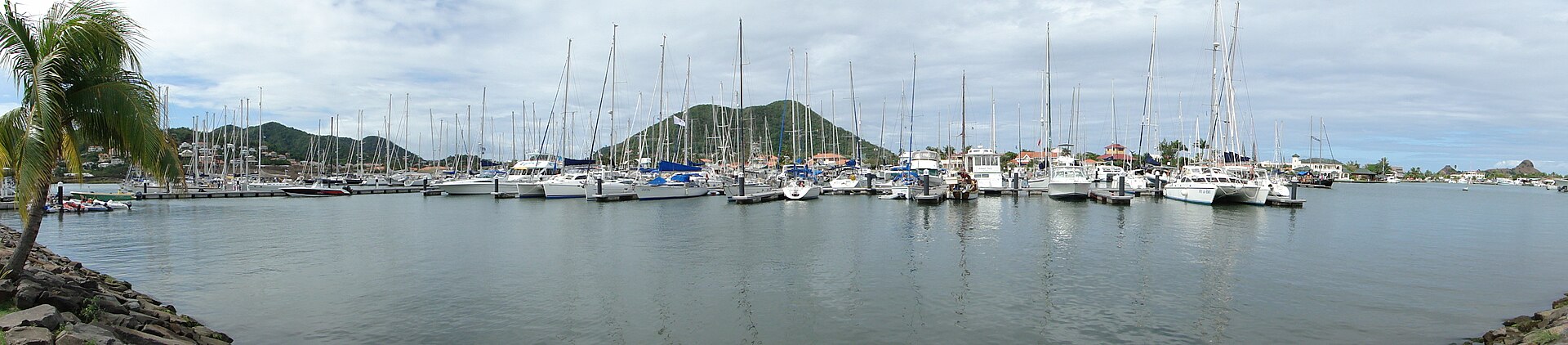
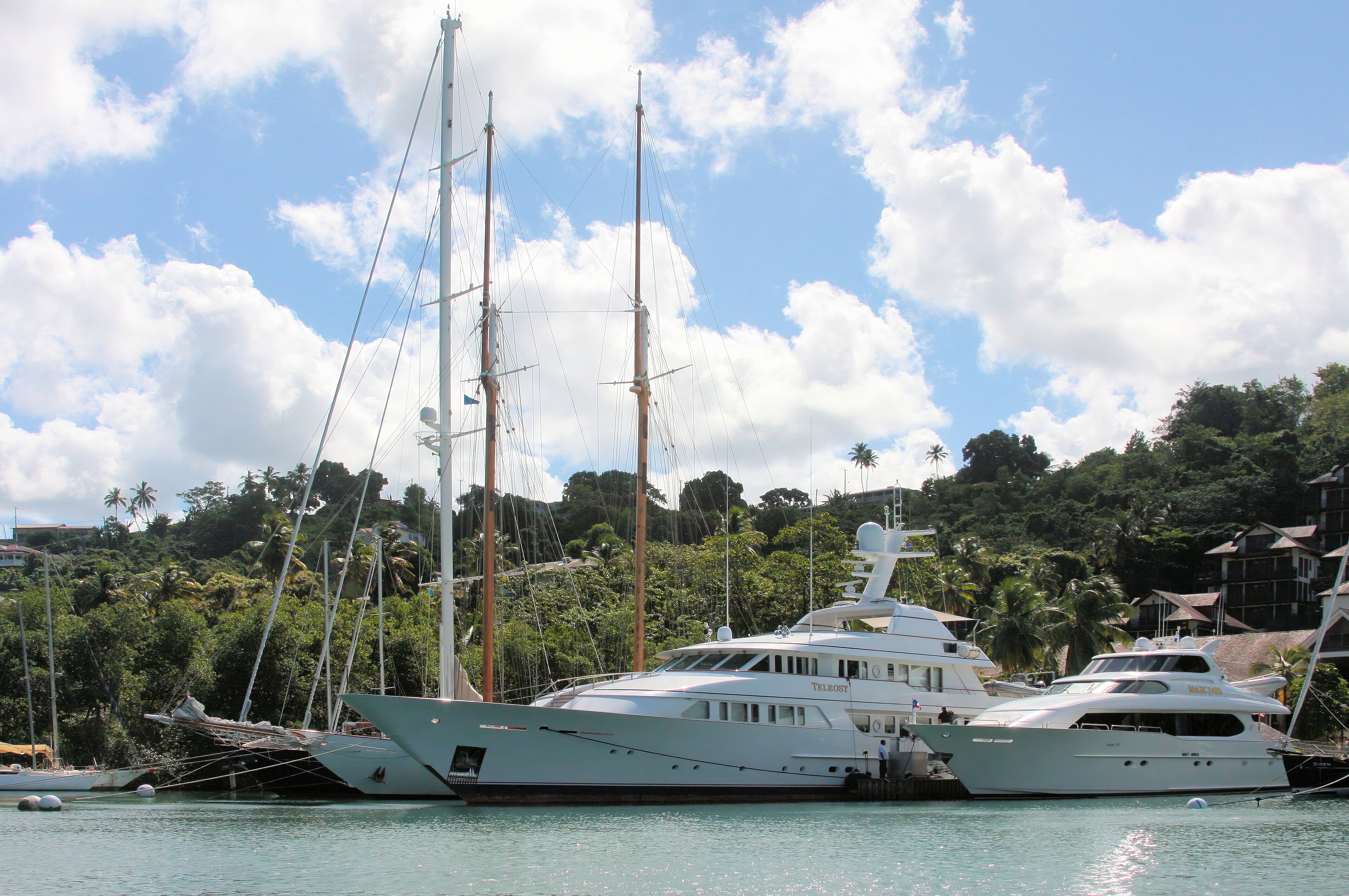
Rodney Bay Marina is the island's largest, with 253 slips and a full-service boatyard. It offers customs and immigration, duty-free fuel, chandlery, provisioning and repairs, and it is the arrival point for the Atlantic Rally for Cruisers. Restaurants, bars and shops are on the doorstep, and our Rodney Bay guide describes the area. Capella Marina at Marigot Bay is a smaller marina with around 40 berths and full services, set in a sheltered bay that sailors know as a hurricane hole. See the Marigot Bay guide for the setting.
Further south, Jalousie Beach between Gros Piton and Petit Piton has one of the most scenic moorings in the Caribbean, and it is an easy hop to Soufriere for shops, gardens and trails. The Soufriere Marine Management Association looks after the marine park there, including moorings, anchor zones, and snorkelling and diving permits. Fees are set by vessel length and change over time, so ask for the current rates. Pigeon Island, at the top of Rodney Bay, is another sheltered stop. Read the Soufriere guide and the Pigeon Island guide before you anchor.
Sailing season, the ARC and events
The best sailing runs through the dry season from December to May, when trade winds are steady and the west coast is settled. Hurricane season runs from June to November, and many cruisers move south or haul out. Our best time to visit guide explains the seasons in more detail. Always follow weather forecasts closely, particularly at the edges of the season.
Each year the Atlantic Rally for Cruisers finishes in Rodney Bay, and the arrival of dozens of yachts that have crossed the ocean turns the marina into a celebration. The island also hosts regattas and other water events that draw crews from around the world. For dates and spectator ideas, see the festivals and events guide.
Provisioning, repairs and fuel
Rodney Bay is the best place to stock up. There are supermarkets, fresh produce markets, chandlers, sailmakers, engineers and boatyard services, and marina staff can often arrange deliveries to the dock. In Marigot Bay, the marina village has shops and provisioning, and in Soufriere you can buy fresh fruit and vegetables from the town market. Duty-free fuel is available at the marinas.
Plan major repairs for the northern marinas, where specialists and the boatyard are concentrated. For fresh local food, visit Castries Market or a fishing village, and read our where to eat guide for restaurants ashore. Remember to check opening hours, since shops close early on Sundays and public holidays.
Safety on the water and ashore
Monitor the marine radio, and keep a lookout for fishing boats, pots and floats near the coast. The Pitons can create strong gusts and shifting winds close to shore, so approach their moorings with care. Respect marine reserves, never anchor on coral, and use the moorings provided where there are any. Follow any rules on snorkelling and diving permits, and see our diving and snorkelling guide.
Ashore, lock the boat when you leave, use a licensed taxi after dark, and keep valuables out of sight. Carry insurance that covers your vessel and your crew, and read the health, insurance and safety guide and the is Saint Lucia safe guide. A little caution goes a long way.
Ashore: what to do while the boat rests
Sailors who arrive tired will find plenty to do. Rodney Bay has beaches, restaurants and the Friday street party in nearby Gros Islet, and Marigot Bay has a relaxed waterfront. A taxi or tour can take you to Sulphur Springs, the rainforest and the waterfalls. Our land tours page and sea and beach itinerary suggest plans.
If crew are joining or leaving, remember that Hewanorra and George F. L. Charles airports are both within reach, and transfers by road or water taxi are available. See getting around for details. Allow plenty of time, because the drive between the south and the north can take up to two hours.
How should I plan a first landfall in Saint Lucia by yacht?
To plan a first landfall in Saint Lucia by yacht, aim to arrive in daylight, fly your Q flag, head for a recognised port of entry such as Rodney Bay and clear in with customs and immigration before anyone goes ashore. Daylight arrival matters because the approaches are easier to read and the harbour is easier to judge. Check weather, swell and the state of the tide on your passage plan. Our Rodney Bay guide describes the area where many arriving yachts head, including the marina, with its restaurants, chandlers and easy access to the airport for crew changes, which is why so many skippers choose it for their first night on land.
Rodney Bay is also the finish for the Atlantic Rally for Cruisers, so in the weeks after the rally there is a festive feel, with crews swapping stories and enjoying their first showers in weeks. If you arrive at that time, book a berth early and expect busy docks. Outside rally periods, the pace is calmer. Decide in advance whether you want a marina, a mooring or an anchorage, and what you will need on arrival, such as water, fuel and provisions, so that the first day ashore is spent relaxing rather than hunting for supplies.
On arrival, be organised. Have crew passports, the vessel's registration and insurance documents, and your crew list ready, and be prepared to wait while officials process other boats. Be courteous and patient, and answer questions simply. Once cleared, you can raise the courtesy flag and explore. Our visa and entry guide explains general entry rules, and your first landfall can be a joyful moment if the paperwork has been sorted calmly. Keep your documents in a waterproof folder, with copies in a second place aboard, and keep a note of the officials' names and the times you cleared in.
What should visiting crews know about anchorages and moorings in Saint Lucia?
Visiting crews in Saint Lucia should use moorings or marinas where provided, anchor only in permitted areas away from coral and marine parks, keep a watch at night and check local guidance before leaving the boat, because protected waters and steep seabeds limit where you can anchor safely. Around the Pitons and in marine reserves, rules are strict and enforced. Our conservation and protected areas guide explains why. Ask harbour staff or the marina about local rules, and carry a chart that shows the marine management areas so that you do not drop anchor on a reef by mistake and damage the very thing you came to enjoy.
Marigot Bay is among the most photogenic anchorages, with a sheltered harbour ringed by palms and hills, and Soufrière offers dramatic scenery under the peaks. Our Marigot Bay guide and Soufrière guide describe what is ashore. Whenever you stay, lock the boat when you leave, secure the dinghy and keep valuables out of sight. Boat boys are common in some anchorages and can be helpful, but agree prices first, and thank them politely if you decline, since relations in an anchorage are built on small courtesies and a reputation for fairness travels quickly among local vendors.
Weather deserves respect. Squalls can arrive suddenly, and afternoon winds can funnel along the coast. Monitor forecasts, check your ground tackle and leave enough scope. During the hurricane season, which runs from June to November, plan your whereabouts with care. Our best time to visit page explains the seasons. A calm approach, good seamanship and local knowledge are the best protection, and fellow sailors in the bar are usually generous with advice about the best holding ground, the swell and the quirks of each bay, so ask before you decide where to spend the night.
Can charter guests and visiting friends join a yacht in Saint Lucia?
Charter guests and visiting friends can join a yacht in Saint Lucia by arriving at the airport, taking a transfer to the marina or anchorage and meeting the crew, as long as the skipper has arranged the details and everyone carries a valid passport. Most crew changes happen at Rodney Bay or Marigot Bay, which are accessible from the airports by road. Our getting here guide explains the airports and transfers. Agree meeting points and times well in advance, share phone numbers, and allow for the long drive if your flight lands at the southern airport, since the road to the north is winding and slower than the map suggests.
Joining a yacht is a lovely way to see the coast. A day or week under sail brings you to bays that roads barely reach, with swimming, snorkelling and lunch on deck. Our sailing and boat trips guide describes day options for those without a yacht. Guests should bring soft bags rather than hard cases, light clothes and sun protection. Tell the skipper about any medical conditions, seasickness or dietary needs, so that the crew can plan meals and routes that keep everyone comfortable and well, and so that the cabin allocation suits the lightest sleepers.
If your yacht is only a base for part of the holiday, consider combining it with a few nights ashore. A resort stay before or after a sailing week gives you a chance to rest and dry out. Our hotels in Saint Lucia pages offer ideas. Whether you arrive by sea or by air, the island is an easy place to be a guest, and the more you take time to enjoy the shore, the more you will understand why so many sailors come back, season after season, long after the crossing is a memory and the logbook is on a shelf at home.
The sea and the law around your landfall
Arriving by yacht connects you to the island's waters first. Marine life and coral reefs describes what lies beneath your keel, and geography shows the coastline you are approaching.
Clearance procedures belong to the authorities, so confirm them directly. For the wider framework, see law and foreign relations and transport and infrastructure, which covers the island's ports.
From planning to booking
Most visitors fit this into St Lucia holidays, so choose your base first. Compare hotels in St Lucia by area and style, and read our guides to luxury hotels in St Lucia and all inclusive resorts in St Lucia if you are choosing between a boutique stay and an all in package.
Then set your dates with the best time to visit St Lucia, book flights to St Lucia and pick days out from our St Lucia itineraries. Couples can also read about a honeymoon in St Lucia or weddings in St Lucia.
Questions travellers ask
Where can I clear in by yacht in Saint Lucia?
Clear in at a designated port of entry such as Rodney Bay Marina, Marigot Bay or Soufriere. Nobody should go ashore until clearance has been granted.
How long can a yacht stay in Saint Lucia?
Vessels may remain for up to three months. Extensions must be requested in person at the main Immigration Office in Castries.
What documents do I need to present?
Present ship's papers showing ownership, clearance from your last port of call and passports for all crew and passengers, with any required visas.
How soon after arrival must I clear customs?
Customs clearance should be obtained within 24 hours of arrival, and overtime charges apply outside normal working hours and on public holidays.
Where do the Atlantic Rally for Cruisers boats arrive?
The rally finishes at Rodney Bay Marina, which is the island's largest marina and a port of entry.
Can I moor between the Pitons?
Yes. Jalousie Beach has a scenic mooring, and the Soufriere Marine Management Association looks after moorings and anchor zones in that area.
When is the best time to sail in Saint Lucia?
December to May has the steadiest trade winds and driest weather. Hurricane season runs from June to November, so watch forecasts closely.
Is provisioning easy?
Yes. Rodney Bay has supermarkets, chandlers and boatyard services, and Marigot Bay and Soufriere offer fresh produce and basic supplies.
Is Rodney Bay the main place for yachts to arrive in Saint Lucia?
Rodney Bay is a popular landfall and a finishing point for the Atlantic Rally for Cruisers, with marina facilities and services. Other ports of entry exist, so confirm your options before you sail.
Do I need a courtesy flag in Saint Lucia?
Yes, it is customary to fly the Saint Lucian courtesy flag once you have cleared in. Until then, fly the yellow Q flag as a signal that you have not yet cleared.
Is it safe to leave a yacht in Saint Lucia during hurricane season?
Many owners choose to move south or haul out during the season from June to November. Check your insurance terms, follow forecasts and ask the marina about its hurricane plan.
Rodney Bay on the map
Rodney Bay is around 14.0748 degrees north, 60.9527 degrees west. Map data from OpenStreetMap contributors.
Ask Lucy about Yacht arrival and clearance
Ask about places to stay, things to do, the weather or getting here.
Keep exploring Saint Lucia
Looking for the industry view? Visit St Lucia on VisitTravelGroup.com covers the destination for travellers and the tourism trade.
More from the Visit Travel Group network: VisitTravelGroup.com, Benidorm.co.uk, Anguilla.co.uk, TheRedSea.co.uk.