Itineraries
Sea and Beach: A Five Day Coastal Itinerary for Saint Lucia
The west coast is Saint Lucia's swimming coast, and this plan strings together its best bays, from easy sand in the north to coral and black sand in the south.
How this plan works
The Caribbean side of Saint Lucia has the calmest swimming conditions on the island, and the coast changes character as you travel south: wide golden sand in the north, sheltered coves in the middle and dark volcanic sand beneath the Pitons. This plan moves along it, starting with easy beach days and finishing with a full day on the water. It is built around swimming, snorkelling, paddling and doing very little.
Spend the first two nights in the north near Rodney Bay, then move south to the Soufriere area for the Pitons days, and finish at a quiet spot such as Marigot Bay.
Travel between the north and Soufriere takes around an hour and a half to two hours, so a change of base is kinder than a daily commute. Our best beaches guide covers all the options.
Day 1: North coast ease
Begin with a morning swim at Reduit Beach, where the water is gentle and the facilities are easy. Rent a kayak or a paddleboard for the middle of the day, and stay close to shore for a relaxed experience or venture slightly further for scenic views. Lunch is on the beach, where fresh seafood, local dishes and ocean views are the highlight.
In the afternoon, visit Pigeon Island for a short walk and a swim at one of its small beaches, then watch sunset by the marina. Rest option: stay on the sand all day. Rain fallback: a spa treatment or a long lunch. Our Pigeon Island guide and beach bars and sunsets page help you plan the evening.
Day 2: An active beach day in the north
Today is for beach hopping and water sports. Try paddleboarding, kayaking or a gentle sail, and walk north or south along the coast to find quieter stretches. Vigie Beach near Castries is relaxed, and the bays near Pigeon Island are calm. Pack a cool box with water and snacks, and keep an eye on the sun.
If you want something different, book a horse ride on the north Atlantic shore, or try deep sea fishing, as described in our guides to water adventures and deep sea fishing. Rest option: a slow morning followed by sunset on the water. Rain fallback: a market visit in Castries or a long lunch.
Day 3: The Soufriere coastline
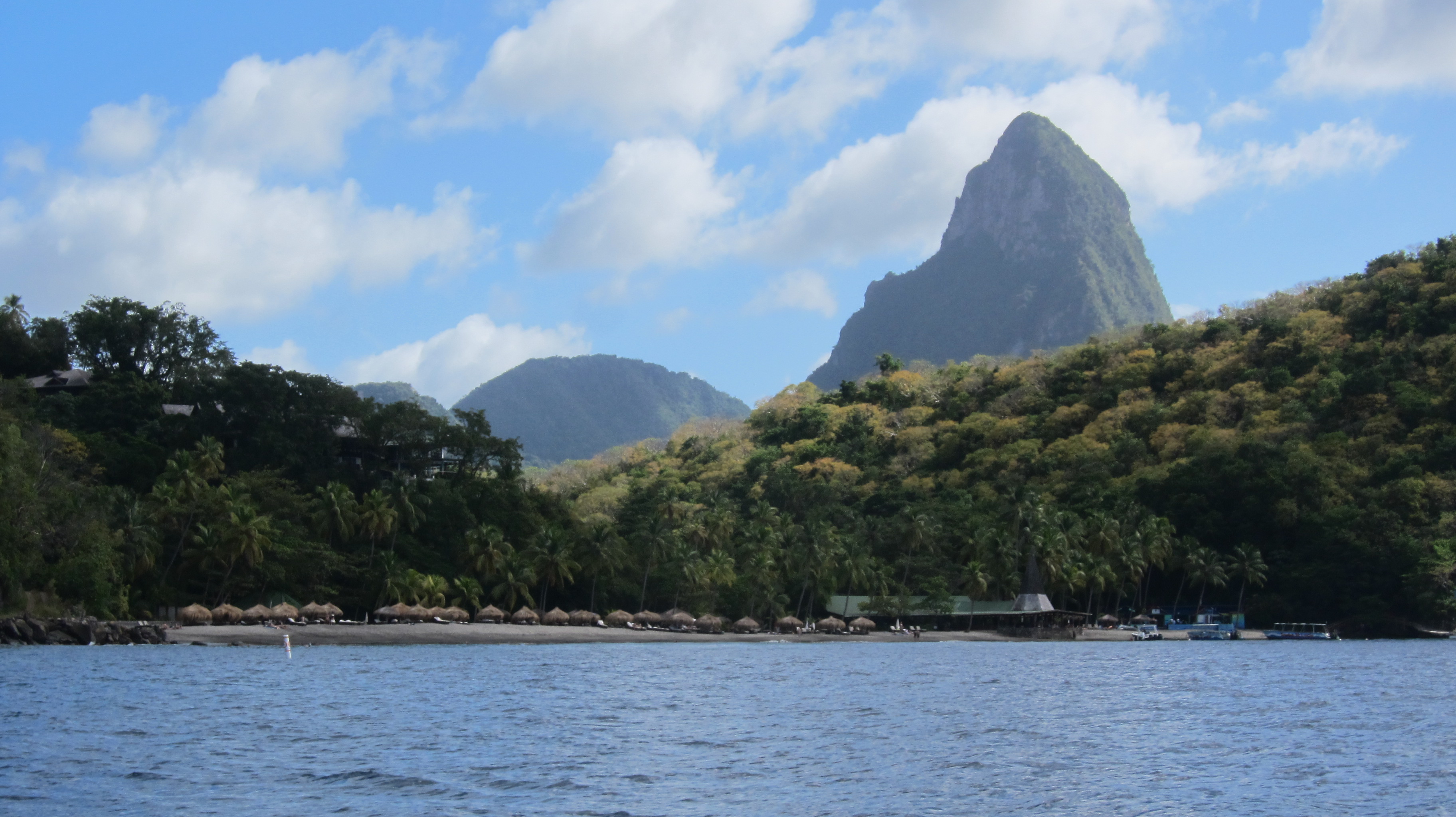
Travel to the Soufriere area in the morning, either by road or with a guided tour. The journey takes around an hour and a half to two hours from the north, and the road is winding, so leave early. Swim and snorkel at Anse Chastanet, where the dark sand meets calm water and a vibrant reef. The beach is one of the best places on the island for beginners, with fish close to shore. See our snorkelling beaches guide for tips.
After lunch in the village or on the beach, relax at Sugar Beach in its setting between the two Pitons, where the water is clear and swimmable. Read our black sand beaches guide for the story of the volcanic sand. Rest option: a long afternoon at the hotel pool. Rain fallback: a mud bath at Sulphur Springs, which is pleasant in a shower.
Day 4: A full day on the water
Make this the highlight. Take a catamaran or private boat along the west coast, with multiple swim stops, snorkelling, hidden coves and views of the Pitons. A good trip includes drinks, lunch and a relaxed pace, and it is one of the most memorable experiences on the island. Book ahead, and choose an operator with a good safety record.
Our guides to sailing and boat trips and sea tours explain the options, and diving and snorkelling suggests where to go if you want to go deeper. Bring snorkel gear or rent locally, plus a hat and a cover-up. Rest option: choose a half day trip and rest after lunch. Rain fallback: boats often run in light rain, but check conditions.
Day 5: Relax and reset
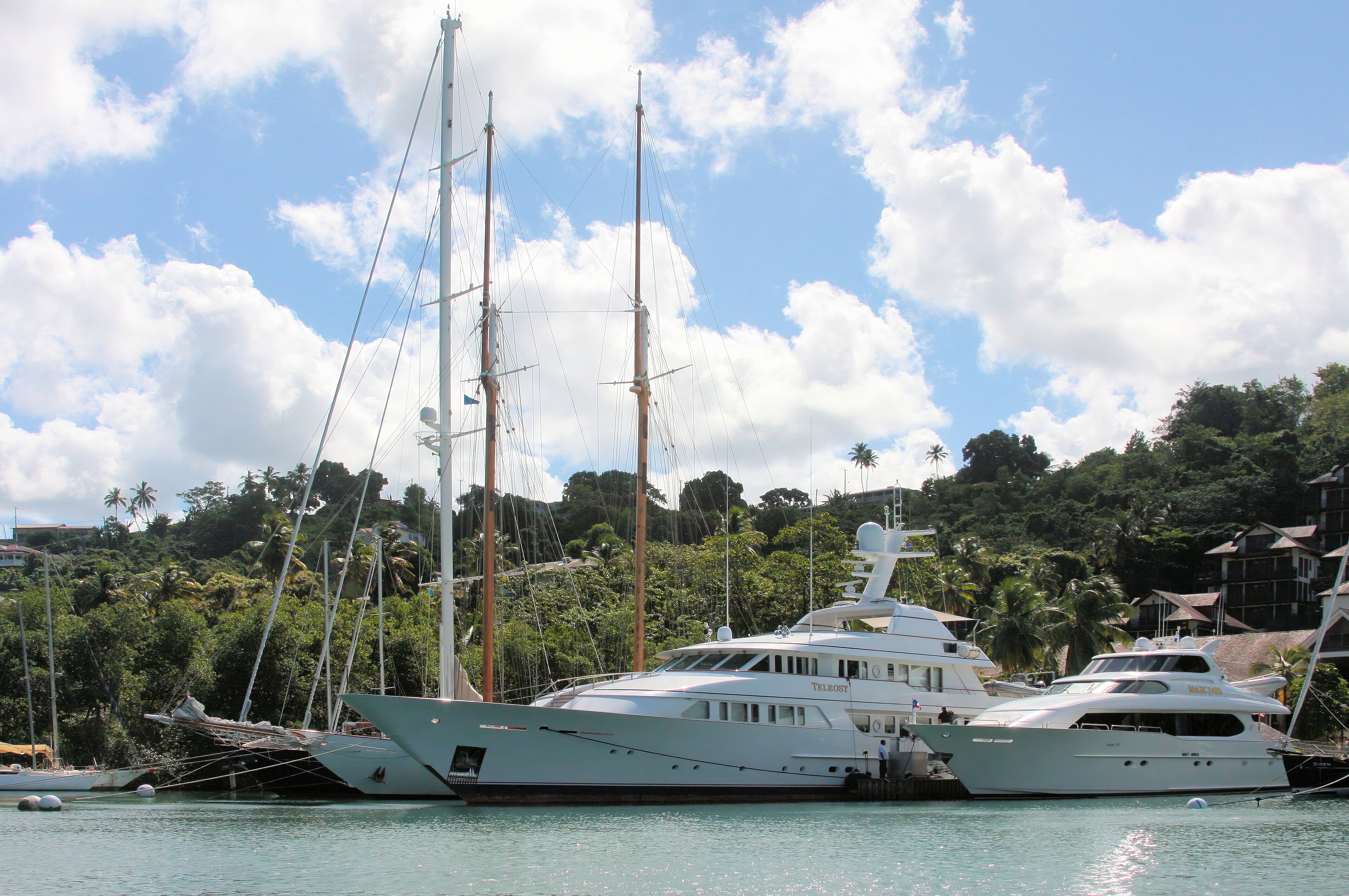
Finish quietly. Drive north to a calm beach at Marigot Bay or Rodney Bay, swim lightly, and book a spa or wellness treatment if you wish. Marigot Bay is a sheltered harbour about an hour from Soufriere, where a small ferry crosses the water and a quiet beach is mostly reached by boat. It is a lovely last stop before heading to the airport or the north.
End with sunset on the water, a walk along the sand and a dinner you can linger over. Our yoga and mindfulness guide offers ways to wind down, and the beach safety page has final reminders. Rain fallback: a spa session or a long lunch with a view.
Rain, rest and flexibility
Showers are often brief, and the sea stays warm, so many beach days continue happily in light rain. Be cautious in heavy rain or thunder, when currents and visibility change, and check flags where they are flown. Our rainy day ideas has other plans, and the best time to visit guide explains which months are driest.
If you need a break from the sun, keep the middle of the day for shade and a long lunch. Swap days freely, but keep the full boat day for good weather. For more variety, add the iconic Saint Lucia itinerary or a family day from the family fun itinerary.
Practical tips for this itinerary
West coast beaches offer the calmest swimming conditions, and water activities are widely available and easy to arrange on site. Sun protection and hydration are essential. Use reef-safe sunscreen, wear a rash vest for snorkelling, and drink plenty of water. Book boat tours in advance and check current times for operators.
Bring your own snorkel gear if you prefer, or rent locally. Do not touch coral or feed fish, and take rubbish with you, as set out in our responsible travel guide. Keep valuables in the hotel safe, and use licensed taxis between beaches. The health, insurance and safety guide covers insurance for water activities.
How do I plan a week of sea and beach holidays in Saint Lucia?
Plan a week of sea and beach holidays in Saint Lucia by basing yourself on a calm Caribbean-side beach, mixing swimming days with a boat trip, a snorkel and a dive, and leaving at least one day for pure rest. Alternate active and lazy days so that skin and energy recover. Our best beaches guide describes the strongest candidates, from long northern sands to small coves beneath the Pitons, and helps you match a beach to the kind of day you have in mind, whether that is swimming, reading or watching the sunset with a cold drink and friends beside you.
Start with the north, where long sheltered beaches suit swimming and beginners. Our Rodney Bay guide explains the area. Add a catamaran trip and a day in the south for black sand and snorkelling. A week split this way gives you the gentle comfort of a northern resort and a taste of the south's drama, without the tiring commitment of moving your luggage more than once, and leaves a spare afternoon in case the weather has other ideas. Pack a mask and snorkel for every outing, because even a short swim can reveal fish close to the rocks.
Check conditions daily, as the sea changes. Ask your hotel about currents and tide, and follow flags and lifeguards. Our beach safety guide has tips. Protect your skin, drink water and enjoy the warmth. Take a mask and snorkel to every beach, and pack a light cover-up for the middle of the day, when the sun is strongest and a spell under a palm tree or an umbrella is the most sensible way to enjoy the shore. Reapply sun cream often, especially after swimming, because the sea breeze can hide how quickly the skin is burning.
What is the difference between Caribbean and Atlantic beaches in Saint Lucia?
Caribbean-side beaches on Saint Lucia's west coast are generally calmer and better for swimming, while Atlantic-facing beaches on the east coast are wilder, windier and suited to walking, kitesurfing and watching the waves. The sheltered side has gentle bays, clear water and snorkelling. The windward side feels untamed, with rolling surf, steady breezes and few buildings. Our east coast guide describes that rugged shore, and explains why it rewards walkers and photographers more than swimmers, who should keep to the calmer water on the other side of the island where lifeguards and gentle bays make swimming a pleasure.
Sand varies too, from pale gold to dark volcanic grey. Black sand heats quickly, so wear water shoes at midday. Our snorkelling beaches page suggests spots with reef life close to shore. Colour changes the feel of a beach as much as the sea does: pale sand reflects the light and feels airy, while dark sand looks dramatic against green hills and turquoise water. Many visitors enjoy visiting one of each in the same week so that they can compare them, and a snorkel gives a different perspective again, revealing colourful fish and coral gardens.
Choose depending on mood. For safe family swimming, stay on the calm side. For drama and solitude, visit the Atlantic coast with care, taking local advice about currents and never swimming alone. Our beach bars and sunsets page adds an evening perspective, with places to watch the sun go down with a cold drink in your hand. A day that begins with a walk on a windswept beach and ends with a sunset on a sheltered one captures the island's variety perfectly, and it is the kind of contrast that makes a week in Saint Lucia feel much longer.
How do I combine diving, sailing and snorkelling without overdoing it?
Combine diving, sailing and snorkelling in Saint Lucia by spacing them across the week, leaving a day between dives and avoiding flying soon after diving, since sun, salt and effort accumulate. Divers should follow their operator's advice on flying after diving. Our diving and snorkelling guide explains options for all levels, from introductory dives in sheltered water to deeper sites for experienced divers, and helps you decide how many days on the water suit your energy and your budget, as well as how to choose an operator you trust.
Sailing days are easy on the body but strong on the sun. Our sailing and boat trips page describes day trips. Use shade, hydrate and wear a hat. Add a rest day after a full day on the water. The combination of sun, sea air and gentle motion is more tiring than it feels, and visitors who plan a lazy morning after a boat day usually enjoy the following activity far more than those who push on regardless without a pause, which can leave them tired, sunburnt and short of patience.
Finish with something gentle. A sunset cruise, as in our catamaran sunset cruises guide, is a lovely way to end the week. The sea gives its best to those who pace themselves. Leave the last day free of anything strenuous, so that you can pack calmly, swim one more time and take a final walk along your favourite beach, saying goodbye to the water that has been the heart of your holiday and the setting for the best moments of the trip, and perhaps promising yourself a return before long.
The shoreline and what lies beneath it
Sea days feel different when you know the coast. Marine life and coral reefs introduces the underwater world, and geology and volcanoes explains why sand colours vary around the island.
Weather affects the water too, so read climate and hurricanes, and see conservation and protected areas to learn how to enjoy the sea gently.
Choosing a hotel for this itinerary
Most visitors fit this into St Lucia holidays, so choose your base first. Compare hotels in St Lucia by area and style, and read our guides to luxury hotels in St Lucia and all inclusive resorts in St Lucia if you are choosing between a boutique stay and an all in package.
Then set your dates with the best time to visit St Lucia, book flights to St Lucia and pick days out from our St Lucia itineraries. Couples can also read about a honeymoon in St Lucia or weddings in St Lucia.
Questions travellers ask
Which coast has the calmest swimming?
The west coast, which faces the Caribbean, has the calmest conditions. Atlantic beaches on the east and south can have heavy surf and strong currents.
How long is the journey from Rodney Bay to Soufriere?
Around an hour and a half to two hours by road. A change of base or a guided tour is easier than a daily drive.
Where is the best snorkelling?
Anse Chastanet is a favourite, with coral and fish close to shore and calm water. Boat trips also stop at reefs along the coast.
Do I need to book boat tours in advance?
Yes, particularly in the busy winter months. Book a day or two ahead, and ask about swim stops, snorkel gear and refreshments.
Can I do this itinerary in three days?
Yes. Combine a north beach day, the Soufriere coastline and a boat day, and leave out the active and relax days.
Is it safe to snorkel as a beginner?
Yes, in sheltered bays such as Anse Chastanet. Use a vest if unsure, stay near shore and do not snorkel alone.
What should I do if it rains?
Light rain is fine for swimming. In heavy rain or thunder, head for a spa, a market, a mud bath or a long lunch.
Is sunscreen restricted in the water?
Reef-safe sunscreen is advised to protect the coral. Apply it well before getting in the water and reapply after swimming.
Which beaches are best for swimming in Saint Lucia?
Calm Caribbean-side beaches in the north and west are best for swimming. Ask your hotel about conditions on the day, and follow any flags or lifeguard advice before you enter the water.
Can beginners learn to dive in Saint Lucia?
Yes, several operators offer introductory dives with instructors in sheltered water. Book ahead in busy weeks, and tell the operator about any medical conditions or concerns before you start.
How long should I wait to fly after diving?
Follow your dive operator's advice, which is usually a surface interval of many hours before flying. Plan your last dive well before your flight home, and never dive on the morning of departure.
Saint Lucia on the map
Saint Lucia lies in the Windward Islands of the eastern Caribbean, around 13.8830 degrees north, 60.9670 degrees west. Map data from OpenStreetMap contributors.
Ask Lucy about Sea and beach
Ask about places to stay, things to do, the weather or getting here.
Keep exploring Saint Lucia
Looking for the industry view? Visit St Lucia on VisitTravelGroup.com covers the destination for travellers and the tourism trade.
More from the Visit Travel Group network: VisitTravelGroup.com, Benidorm.co.uk, Anguilla.co.uk, TheRedSea.co.uk.