Things to do
Water Adventures in Saint Lucia
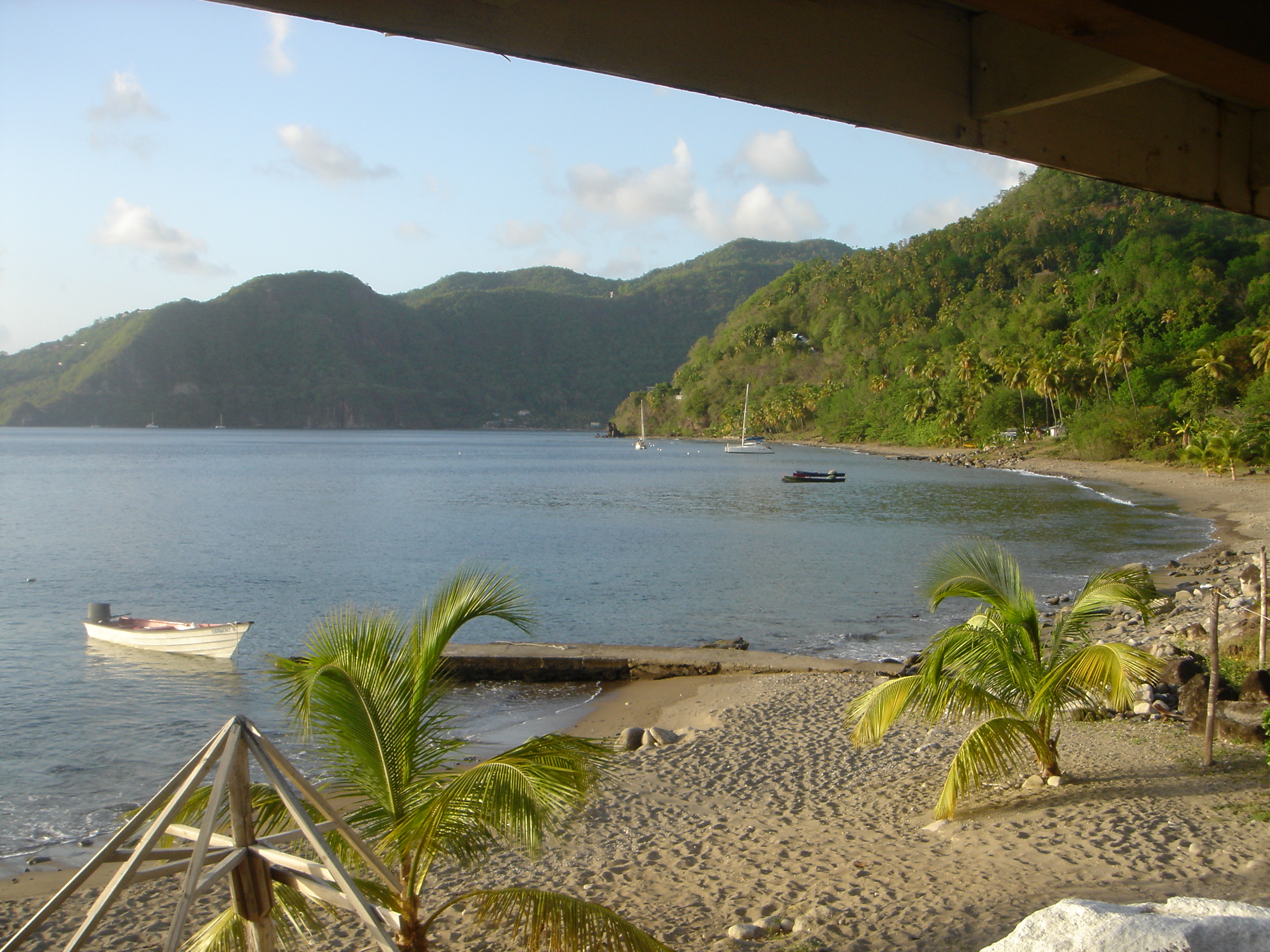
The sea here is warm, clear and mostly calm on the west coast. This guide covers the active ways to enjoy it, and the events that fill the calendar.
Kayaking and paddleboarding
The calm bays of the west coast are made for paddling. Rodney Bay, Marigot Bay and Soufrière are the most popular spots, and many resorts and water sports centres have equipment, short lessons and guided trips. Kayaks reach hidden coves and beaches that are hard to get to by land, and some tours add snorkelling stops or visits to protected marine areas.
Stand-up paddleboarding suits beginners as well as experienced paddlers. Early morning and sunset are the favourite times, when the light is soft and the water is flat. On a clear day you may spot tropical fish below the board, and along the shore you may see birds, rock formations and thick coastal vegetation.
- Wear a hat, sun shirt and reef-safe sun cream.
- Take a dry bag for your phone and keys.
- Stay inside marked areas and keep clear of boat traffic.
Snorkelling and diving
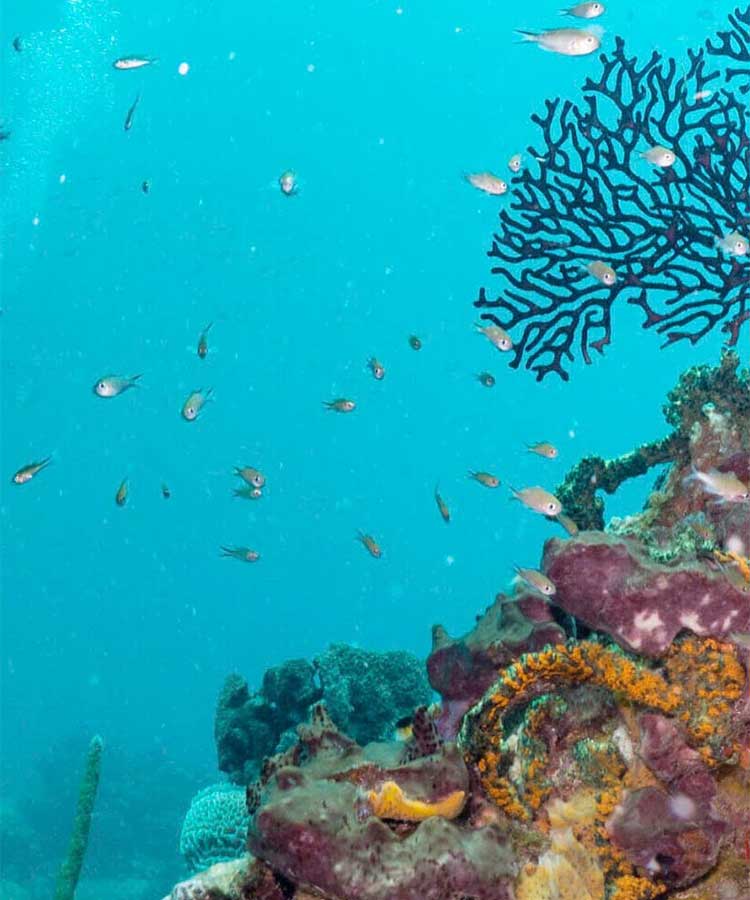
Anse des Pitons, Anse Chastanet and Virgin Cove are the standout snorkelling spots, with colourful coral and plenty of fish. For scuba, popular sites include Anse Chastanet, Superman's Flight and Fairyland, known for clear water, volcanic drop-offs and coral gardens with turtles and tropical fish. Our full diving and snorkelling guide covers courses and sites in detail.
If you prefer to stay at the surface, the snorkelling beaches guide picks shoreline spots where reef begins near the sand, and beach safety explains currents and flags.
Easy ways to see underwater
Snooba and Snoopa Doo trips let you breathe from a hose supplied from a floating unit, so you can explore a reef without full dive gear. Sea Trek helmet diving lets you walk along the sea floor in a helmet that allows you to breathe naturally, with no certification needed. Both suit families, beginners and anyone who feels uneasy about a mask and snorkel.
Ask about age and health limits when you book, and listen carefully to the briefing. These experiences are short, and they combine well with a beach afternoon or a boat trip, as described in our sailing and boat trips guide.
Splash Island and other fun on the water
Splash Island Water Park is a floating inflatable playground on calm water, with climbing walls, slides, trampolines, swings and obstacle courses. It is aimed at all ages, and it is a good option for families and groups of friends who like a bit of friendly competition.
Other activities, such as jet skis, are available through water sports centres. For sea-based sightseeing, see the sea tours guide, the whale and dolphin watching guide and the deep sea fishing guide.
Water events through the year
The sea also brings people together for events. Dates move, so check each one before you plan. The Saint Lucia Dive Fest, usually in September, is a week of guided dives and conservation activities. The Laborie Fisherman's Feast in August blends fishing traditions with food, music and culture, and the village is described in our Laborie guide.
From November into December, the Atlantic Rally for Cruisers brings more than two hundred yachts from Las Palmas to Rodney Bay, and the marina and Gros Islet celebrate their arrival. The Mango Bowl Regatta is a three-day cruising and racing weekend in Rodney Bay, and the Saint Lucia Billfish Tournament draws anglers to the marina for several days of offshore competition. Boat parties also run from time to time. Our festivals and events guide gives an overview.
Safety and planning
The Caribbean side is generally sheltered, while the Atlantic coast can have strong surf and currents. Check conditions, follow lifeguard and operator advice, and never paddle alone in poor weather. Use a leash for boards, wear a life jacket on kayak tours, and respect reef areas by never touching or standing on coral.
Water is warm all year, with the calmest conditions usually in the drier months. See the best time to visit guide for seasons, and the beaches section for places to base yourself. Book through a licensed operator, and check current times and rules before you go.
What water activities can I try in Saint Lucia?
In Saint Lucia you can snorkel, scuba dive, try Snooba or Sea Trek, kayak, paddleboard and play at a floating water park, mostly in the calm Caribbean bays on the west coast. The sheltered side of the island has warm, clear water for most of the year, and the beaches shelve gently into the sea, which makes it easy to try something new. Many hotels offer equipment hire, lessons and trips, so you can sample activities without leaving your resort, and the more adventurous can head to specialist operators near Soufrière and Rodney Bay.
The best way to choose is by confidence. If you are happy in the water, snorkelling and paddling are simple, cheap and rewarding, and you can fit them in at any time. If you want to see more of the reef, scuba diving opens up the walls and gardens beneath the surface, and our guide to diving and snorkelling explains courses and operators. If you are less sure of yourself, guided activities such as Sea Trek give a safe, supervised way to walk on the seabed without swimming.
Families have lots to choose from. Calm beaches suit toddlers and paddlers, older children can try kayaks and boards, and teenagers often love the floating inflatable park with its slides and obstacles. Our guide to family beaches lists good places to start. Wherever you go, use reef-safe sun cream, follow the guides' instructions, and make sure children wear life jackets. A day of water play is tiring, so allow time for rest and plenty of fresh water, and keep your plan flexible if the sea is rougher than expected.
Which water activity is best for non-swimmers in Saint Lucia?
Sea Trek and Snooba suit non-swimmers best, because air is supplied and no diving certification is needed, while a guided kayak or a snorkel with a flotation vest suits those who want to stay on or near the surface. Sea Trek is a form of helmet walking in which you stroll along the seabed breathing naturally, surrounded by fish and coral, and it is a favourite with people who have never dared to put their face in the water. Snooba and Snoopa Doo are guided experiences that let you descend gently and watch the reef up close.
None of these requires you to be a strong swimmer, but all require a willingness to listen. Guides give a thorough briefing, fit the equipment and stay with you throughout. If you feel anxious, say so, because good operators are used to nervous guests and will move at your pace. Wear swimwear that stays put, tie back long hair, and tell the guides about any ear, sinus or heart conditions. Check age and height limits, especially for children, and ask what happens if conditions change on the day.
Snorkelling remains the simplest way to meet the reef, and a vest makes it easy for anyone to float. Several beaches have the reef within a few strokes of the sand, and our guide to snorkelling beaches ranks the best. Practise with your mask in shallow water first, breathe calmly and keep your hands away from coral. The health, insurance and safety guide has general advice, and the staff at your hotel can recommend a gentle spot with calm water and a lifeguard nearby.
Where are the best places for kayaking and paddleboarding in Saint Lucia?
The sheltered bays at Marigot Bay and Rodney Bay are the best places for kayaking and paddleboarding in Saint Lucia, particularly early in the day before the breeze builds, and many hotels hire out equipment on the spot. Marigot Bay is a deep, narrow inlet fringed by trees and dotted with yachts, and paddling there feels like drifting through a postcard. Rodney Bay is wider, with a long curve of sand and a marina, and offers easy, flat water that suits beginners and families. Both are described in our guides to Marigot Bay and Rodney Bay.
In the southwest, paddlers can explore the coast near Soufrière, where cliffs, coves and the backdrop of the Pitons make for dramatic scenery, though the water can be deeper and the swell more noticeable. Resorts such as Anse Chastanet offer boats and boards from their own beach, with the reef close to shore. Always check conditions with the staff before you set out, wear a life jacket, and stay within sight of land. Wind and current can change quickly, and it is easier to turn back early than to paddle against a strengthening breeze.
Paddling is also a gentle workout, with a different pace from a gym session. A morning out on the water works the shoulders, back and core, and the quiet gives you time to watch seabirds, fish and the light on the hills. Our guide to sports and fitness describes other ways to stay active, and the sea tours page explains boat trips if you would rather leave the effort to someone else. Bring a hat, a rash vest and a waterproof pouch for your phone, and respect the reef.
The water world around the island
Water activities are better when you understand the sea and rivers. The marine life and coral reefs guide covers the ocean, and the climate and hurricanes page explains conditions through the year.
The geography guide shows where water meets land, and conservation and protected areas describes how it is protected.
Where to stay and how to plan
Most visitors fit this into holidays to St Lucia, so choose your base first. Compare St Lucia hotels by area and style, and read our guides to luxury hotels in St Lucia and all inclusive resorts in St Lucia if you are choosing between a boutique stay and an all in package.
Then set your dates with the best time to visit St Lucia, book flights to St Lucia and pick days out from our St Lucia itineraries. Couples can also read about a honeymoon in St Lucia or weddings in St Lucia.
Questions travellers ask
Where are the best places to kayak?
Rodney Bay, Marigot Bay and Soufrière have calm water and good scenery, with equipment and guided trips available.
Can beginners try stand-up paddleboarding?
Yes. Many centres offer short lessons and calm bays, and sunrise or sunset sessions are especially popular and relaxing.
Where is the best snorkelling?
Anse des Pitons, Anse Chastanet and Virgin Cove are the standout snorkelling spots, with reef close to the shore.
What is Sea Trek helmet diving?
You walk on the sea floor wearing a helmet that lets you breathe naturally. No diving certification is needed.
What is Splash Island?
It is a floating inflatable water park with slides, climbing walls, trampolines and obstacle courses, suitable for all ages.
When is the Atlantic Rally for Cruisers?
It arrives in Rodney Bay from around November to December each year, bringing over two hundred yachts. Check the dates annually.
Is there a diving festival?
The Saint Lucia Dive Fest is usually held in September and offers a week of guided dives and conservation activities.
Is the sea safe for swimming?
The Caribbean coast is generally sheltered, but conditions vary. Follow local advice, flags and lifeguards, and avoid rough Atlantic beaches.
Is Sea Trek safe for children in Saint Lucia?
Usually yes within the operator's age and height limits, because the experience is guided and supervised. Ask about minimum ages, and tell the guides about any ear or health conditions before you go.
Do you need a licence to hire a kayak in Saint Lucia?
No, you do not normally need a licence to hire a kayak or paddleboard from a hotel or beach operator. You should still wear a life jacket and ask about conditions before setting out.
What is the best water activity for families in Saint Lucia?
Snorkelling from a calm beach, paddling in a sheltered bay and the floating water park suit families best. Choose by the age and confidence of the youngest swimmer, and use life jackets.
Rodney Bay on the map
Rodney Bay is around 14.0748 degrees north, 60.9527 degrees west. Map data from OpenStreetMap contributors.
Ask Lucy about Water adventures
Ask about places to stay, things to do, the weather or getting here.
Keep exploring Saint Lucia
Looking for the industry view? Visit St Lucia on VisitTravelGroup.com covers the destination for travellers and the tourism trade.
More from the Visit Travel Group network: VisitTravelGroup.com, Benidorm.co.uk, Anguilla.co.uk, TheRedSea.co.uk.