Experiences
Rum, Distilleries and Local Producers in Saint Lucia
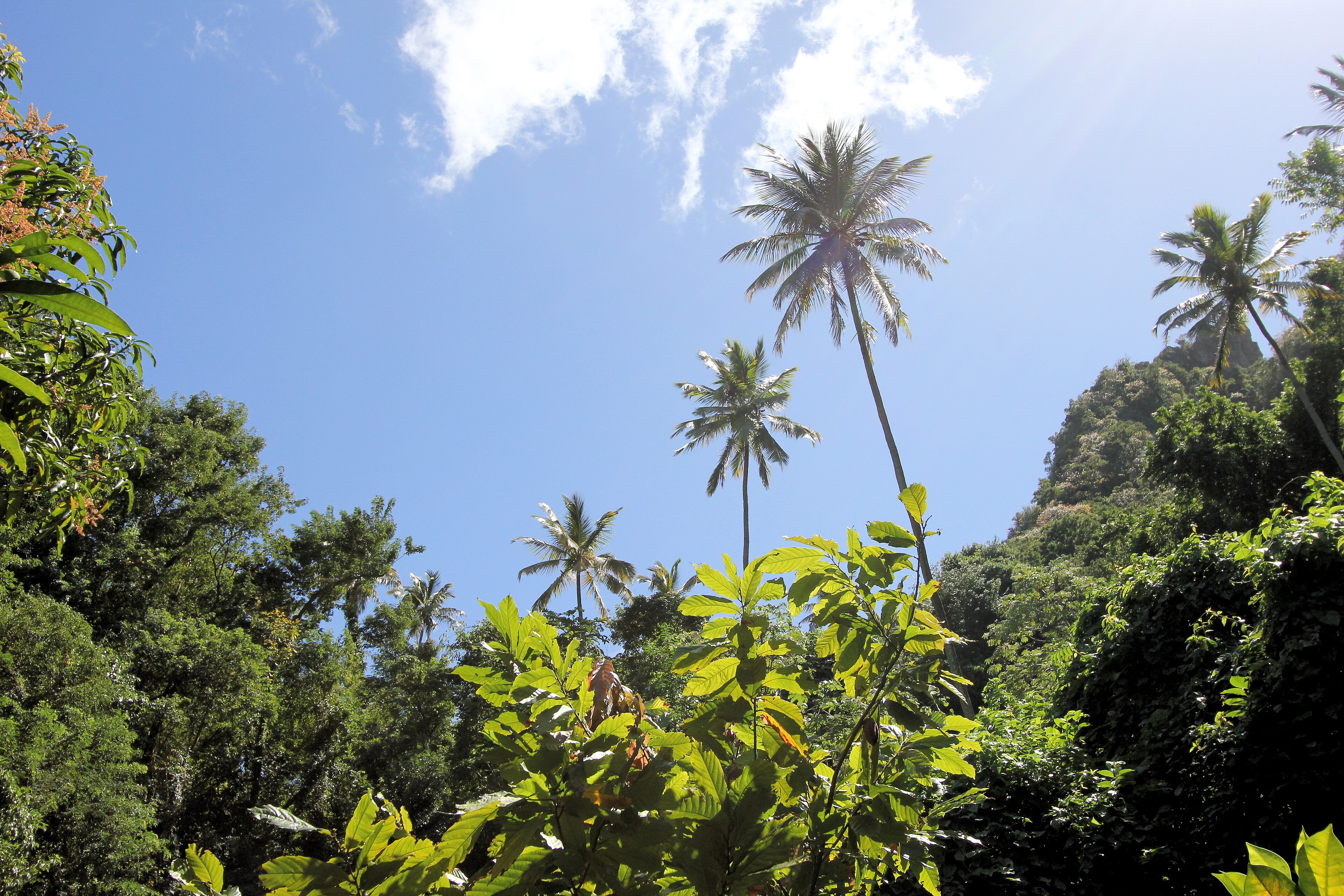
Rum is part of the island's identity, and it is made in a valley of banana fields and sugar history just north of the Pitons country.
A short history of rum on the island
Rum is a by-product of sugar, and sugar shaped Saint Lucia for centuries. Molasses left over from refining was fermented and distilled, and over time rum became a symbol of Saint Lucian heritage. Our food and rum guide gives a quick overview. This page goes further into where the rum is made and how to visit.
The main producer is St. Lucia Distillers, formed in 1972 when the island's last two distilleries came together. It sits in the agricultural Roseau Valley on the west coast, between Castries and Marigot Bay, and its story is closely tied to the island's sugar and rum past.
What the distillery makes
The range is wide. The portfolio includes more than twenty-five rums and rum-related products, from traditional local favourites to internationally awarded premium blends. The character of the spirit comes from molasses, fermentation, blending and time, which gives rums that are warm, layered and recognisably Saint Lucian.
Visitors who are curious about the process can ask about tours and tastings. Opening times and tour formats change, so check current details before you go and book ahead where needed. If you are travelling with a driver, ask them to build the visit into a west coast day.
- Allow a morning or afternoon for a distillery visit and tasting.
- Eat first, and arrange a driver if you plan to taste several rums.
- Buy bottles to take home, and check what you are allowed to carry through customs.
Coffee and cocoa from local growers
The island's agriculture goes well beyond sugar. Noble Tree Coffee and Cocoa sources beans from local farmers and processes them in-house, producing roasted coffee, artisan chocolate and cocoa creations. Its coffee is single-origin, grown and processed in Saint Lucia, which makes it a satisfying alternative stop for non-drinkers.
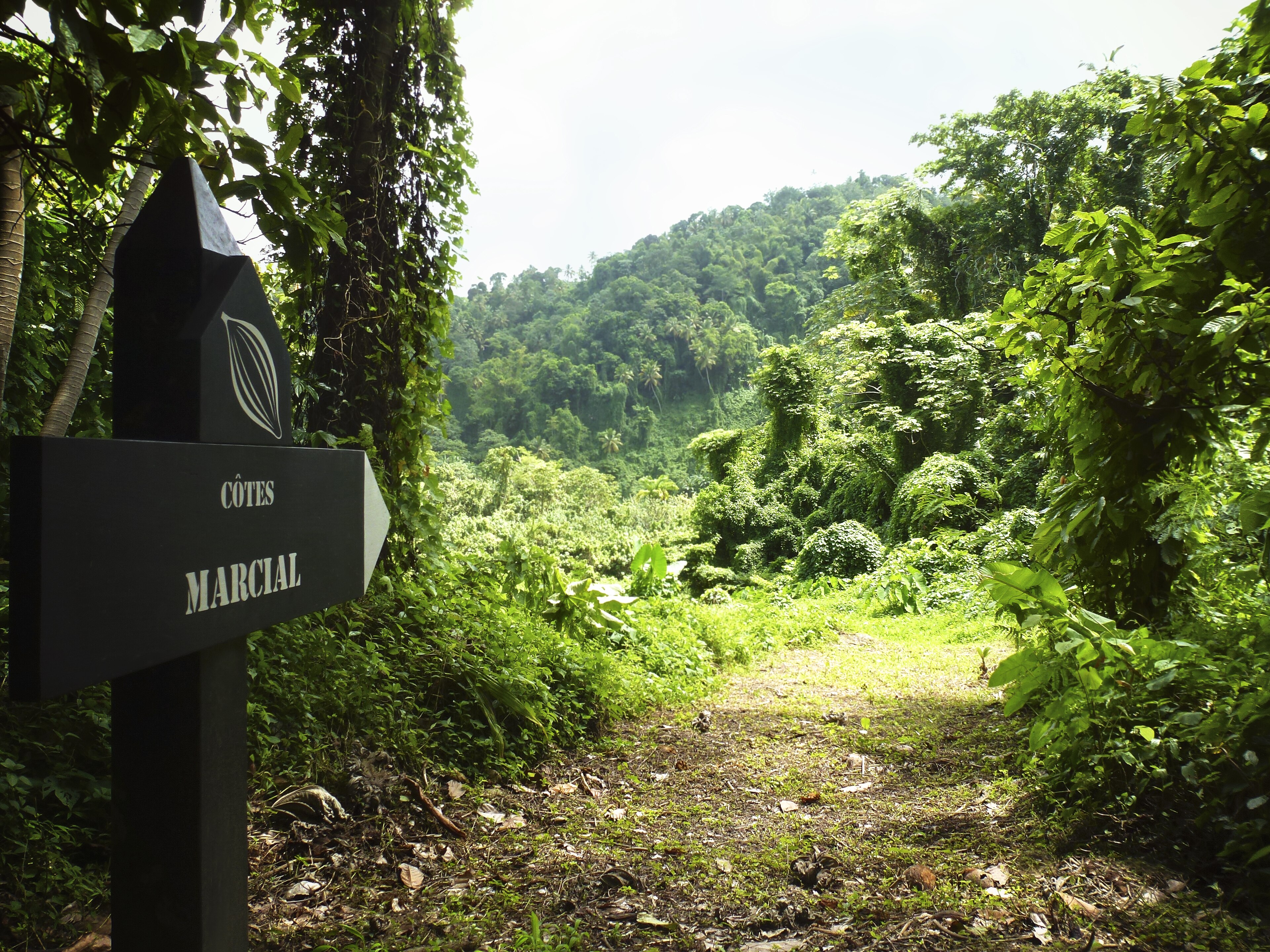
In the south, the hills around Soufrière are cacao country. Rabot Estate, the oldest working cacao farm on the island, offers tours, tastings and a restaurant, and the cocoa and chocolate guide explains the options.
Tasting rum the local way
You do not have to visit a distillery to meet the island's rum. Bars, beach shacks and resort counters pour local brands neat, over ice or in rum punch, and our bars and nightlife guide names some good places to try them. Ask the bartender which they prefer, since the answer is often a surprise.
Rum also shows up in cooking and gifts. Some Creole cooking classes include a tasting, as described in the cooking classes guide, and the shop local guide suggests where to buy bottles and other island products.
Planning the day
The Roseau Valley is an easy detour from the capital or from Marigot Bay, and it combines well with lunch on the coast and a swim. If you are staying in the north, our getting around guide explains driving, taxis and guided tours, and it is worth remembering that island roads are steep and winding, so allow extra time.
For the longer story of the fields, mills and plantations that shaped these drinks, read the history and culture guide. A rainy day also suits a tasting, as noted on the rainy day ideas page.
How do you taste rum properly in Saint Lucia?
To taste rum properly in Saint Lucia, look at the colour, smell the glass, take small sips, then compare a younger rum with an aged one, with a little water or ice to open up the aromas. Rum is made from sugar cane products, and in Saint Lucia the starting point is molasses, the dark syrup left after sugar is refined. Fermenting and distilling that syrup produces a clear spirit, which can then be bottled young or rested in wooden barrels, where it slowly takes on colour, aroma and depth. When you taste, begin by looking at the colour, then smell the glass before you sip. Younger rums tend to smell lively and sweet, while aged ones lean towards warm notes of wood, spice and dried fruit. You do not need a vocabulary of tasting terms, just a willingness to notice what is in front of you.
Take small sips and let the rum sit on your tongue before you swallow. Try one neat, then another with a drop of water or a single ice cube, which opens up aromas that strong spirit can hide. Compare a lighter rum with a darker one and notice how they feel in the mouth, whether light and bright or round and heavy. Most tastings come with a little food or water to reset your palate, and it helps to eat something first. Guides are happy to answer simple questions, and a visitor who says honestly which they prefer is usually met with a smile and a recommendation.
Rum also works as an ingredient, and a tasting often shows how local cooks and bartenders use it. Spiced and flavoured rums are popular, and punches made with fruit, syrup and a good measure of the spirit are the island's cheerful trademark. Ask your guide how the locals take it at home, since the answer is often simpler than a cocktail menu would suggest. If you are exploring the wider food culture on your trip, our food and rum guide sets out the dishes and drinks that pair naturally with the spirit, and it is a good page to read before you plan an afternoon of tasting.
Is the Roseau Valley worth visiting for rum and farmland?
Yes, the Roseau Valley is worth a morning for anyone interested in rum, bananas and plantation history, as it sits between Castries and Marigot Bay and combines easily with a west coast lunch and swim. The Roseau Valley is one of the island's most agricultural corners, a broad green valley that has long been associated with banana growing and the sugar estates that came before. Driving in from the coast road, you pass fields, packing sheds and small settlements, and the air has the damp, leafy smell of working farmland. It is a quieter and more rural scene than the resort strips, and it offers a glimpse of the island at work. For the history of the crops that shaped the landscape, our guide to agriculture and bananas explains why this valley matters so much.
The valley sits conveniently between the capital and the west coast bays, which makes it easy to combine with other stops. Many visitors pair a distillery visit with a drive on to Marigot Bay, where a swim, a boat ride and a long lunch make a gentle afternoon. Others come from the north, taking a morning in the valley and then returning for an evening in Rodney Bay. Wherever you start, allow generous time for the roads, which twist and climb, and for the unplanned stops that a drive through farming country tends to produce, from roadside fruit to a view you simply have to photograph.
Because rum, bananas and sugar are all part of the same story, a visit here rewards anyone interested in how the island was built. The plantation past was a hard one, built on enslaved labour, and the valley's history is part of that wider picture. Our guide to slavery and emancipation tells that story with the seriousness it deserves, and it adds meaning to a day that might otherwise be only about tasting. Visitors who read it before they come often find that the fields, the buildings and the bottles all look a little different afterwards.
Can you take Saint Lucian rum home and drink safely on a tasting day?
You can take Saint Lucian rum home by packing sealed bottles in hold luggage and checking United Kingdom alcohol allowances, and on tasting days you should hire a driver or taxi rather than drive the island's steep roads yourself. A tasting day is best planned around the practicalities. Eat a proper breakfast, drink water between samples and decide beforehand who will not be drinking, or hire a driver for the day. Island roads are steep, narrow and unlit in places, and they are no place for a tired or tipsy driver. Taxis and organised tours are widely used and cost far less than a mistake. Our getting around guide explains how to book a driver, and many hotels will arrange one for you. The sensible choice is to treat the tasting as the main event and let someone else handle the steering.
Bringing bottles home needs a little forethought. Spirits are best packed in the hold, wrapped in clothing and placed in the middle of a suitcase, because liquids above the hand-luggage limit cannot go through security. Duty-free shops at the airport sell sealed bags that are allowed in the cabin on some routes, so ask at the till about the rules for your onward journey. Check the allowances for alcohol that apply when you land in the United Kingdom, as limits and rules change from time to time. Our getting here guide covers the airports and the practicalities of leaving the island.
Think, too, about what else to carry back. Aged bottles make fine gifts, but so do jars of preserves, cocoa sticks and hot sauces, which are lighter and easier to pack. Buying from the maker, whether at the distillery shop or at a market stall, supports local jobs and often costs no more than a tourist shop. Our shop local guide suggests how to spend in ways that benefit the island, and it is worth a glance before you set out. A well-chosen bottle, a handful of cocoa sticks and a story to tell make a better souvenir than anything bought in a hurry.
Cane, history and the spirit of the island
Rum has deep roots in Caribbean history. Agriculture and bananas looks at the island's farming, and the history of Saint Lucia places it in a longer story.
That story includes difficult chapters, set out in slavery and emancipation. The economy of Saint Lucia shows how local producers fit into island life today.
Turning this into a St Lucia holiday
Most visitors fit this into holidays to St Lucia, so choose your base first. Compare St Lucia hotels by area and style, and read our guides to luxury hotels in St Lucia and all inclusive resorts in St Lucia if you are choosing between a boutique stay and an all in package.
Then set your dates with the best time to visit St Lucia, book flights to St Lucia and pick days out from our St Lucia itineraries. Couples can also read about a honeymoon in St Lucia or weddings in St Lucia.
Questions travellers ask
Where is rum made in Saint Lucia?
At St. Lucia Distillers in the Roseau Valley on the west coast, between Castries and Marigot Bay.
When was St. Lucia Distillers formed?
In 1972, when the island's last two distilleries came together. Its roots lie in the island's sugar and rum history.
How many rums does the distillery make?
The portfolio includes more than twenty-five rums and related products, from everyday local favourites to premium blends.
Can I visit the distillery?
Visits and tastings are generally possible, but times and formats change, so confirm current details and book before you go.
Is there anything for people who do not drink rum?
Yes. Noble Tree Coffee and Cocoa makes coffee and chocolate from local beans, and cacao estates near Soufrière offer tastings.
Can I bring rum home?
Usually yes within your airline and customs allowances. Check the limits for your destination before packing bottles.
What is Rabot Estate known for?
It is the island's oldest working cacao farm, near Soufrière, with tours, tastings and a cacao-inspired restaurant.
Should I drive after a tasting?
No. Arrange a driver or taxi, since roads are winding and hilly and a tasting can run longer than planned.
Do I need to be a rum expert to enjoy a tasting?
Not at all. Guides expect beginners, and the best approach is to sip slowly, notice what you like and ask questions. Honest opinions are welcomed, and nobody expects specialist vocabulary.
Can I take rum home from Saint Lucia in my luggage?
Yes, but pack bottles carefully in your hold luggage, wrapped well, and check the allowances for alcohol when you arrive back in the United Kingdom. Ask at the airport shop about sealed bags for the cabin.
Is it better to visit a distillery in the morning or afternoon?
Either works. A morning visit is cooler and quieter, and leaves the afternoon for a swim or lunch by the sea. Check tour times with the distillery, since schedules change through the year.
Roseau Valley on the map
Roseau Valley is at 13.9540 degrees north, 61.0240 degrees west. Map data from OpenStreetMap contributors.
Ask Lucy about Rum and local distilleries
Ask about places to stay, things to do, the weather or getting here.
Keep exploring Saint Lucia
Looking for the industry view? Visit St Lucia on VisitTravelGroup.com covers the destination for travellers and the tourism trade.
More from the Visit Travel Group network: VisitTravelGroup.com, Benidorm.co.uk, Anguilla.co.uk, TheRedSea.co.uk.