Beaches
The Best Beaches for Snorkelling in Saint Lucia
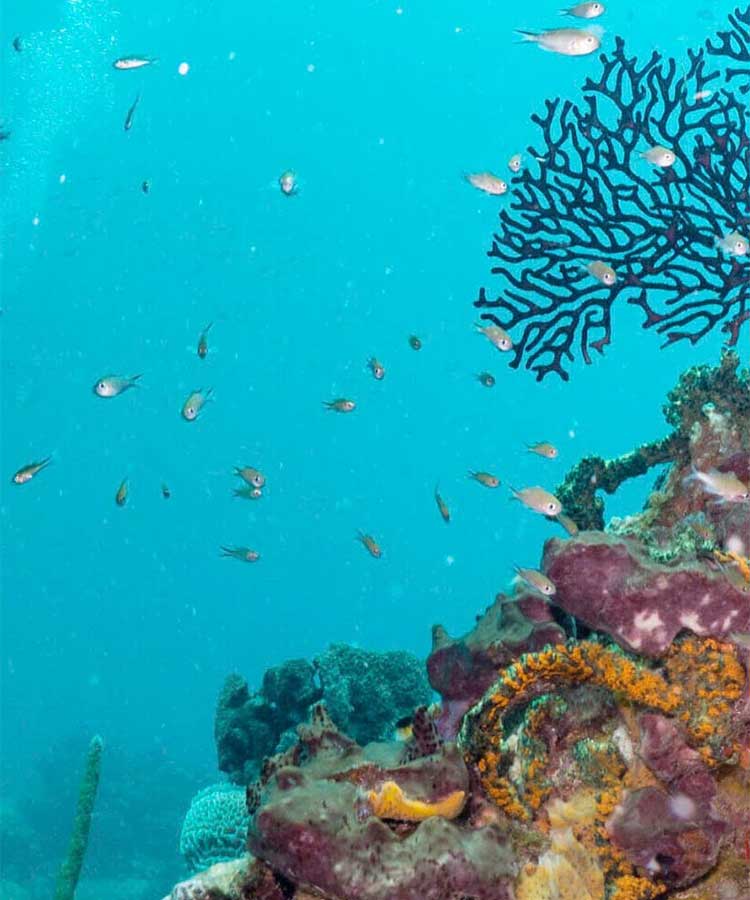
On several beaches the reef starts only a few metres from the shore, so all you need is a mask, a snorkel and a little patience.
Snorkelling without a boat
The island's waters are just as rewarding below the surface. Coral gardens, colourful reef fish and, with luck, sea turtles can be seen a few metres from the shore at several beaches, which means you can snorkel on your own timetable without booking a boat. Much of the southwest coast is a marine management area, so the reefs are looked after, and our responsible travel guide explains how to enjoy them gently.
For deeper reefs and walls, a boat trip or a dive is the next step, and our diving and snorkelling guide describes the options.
Anse Chastanet and Anse Mamin
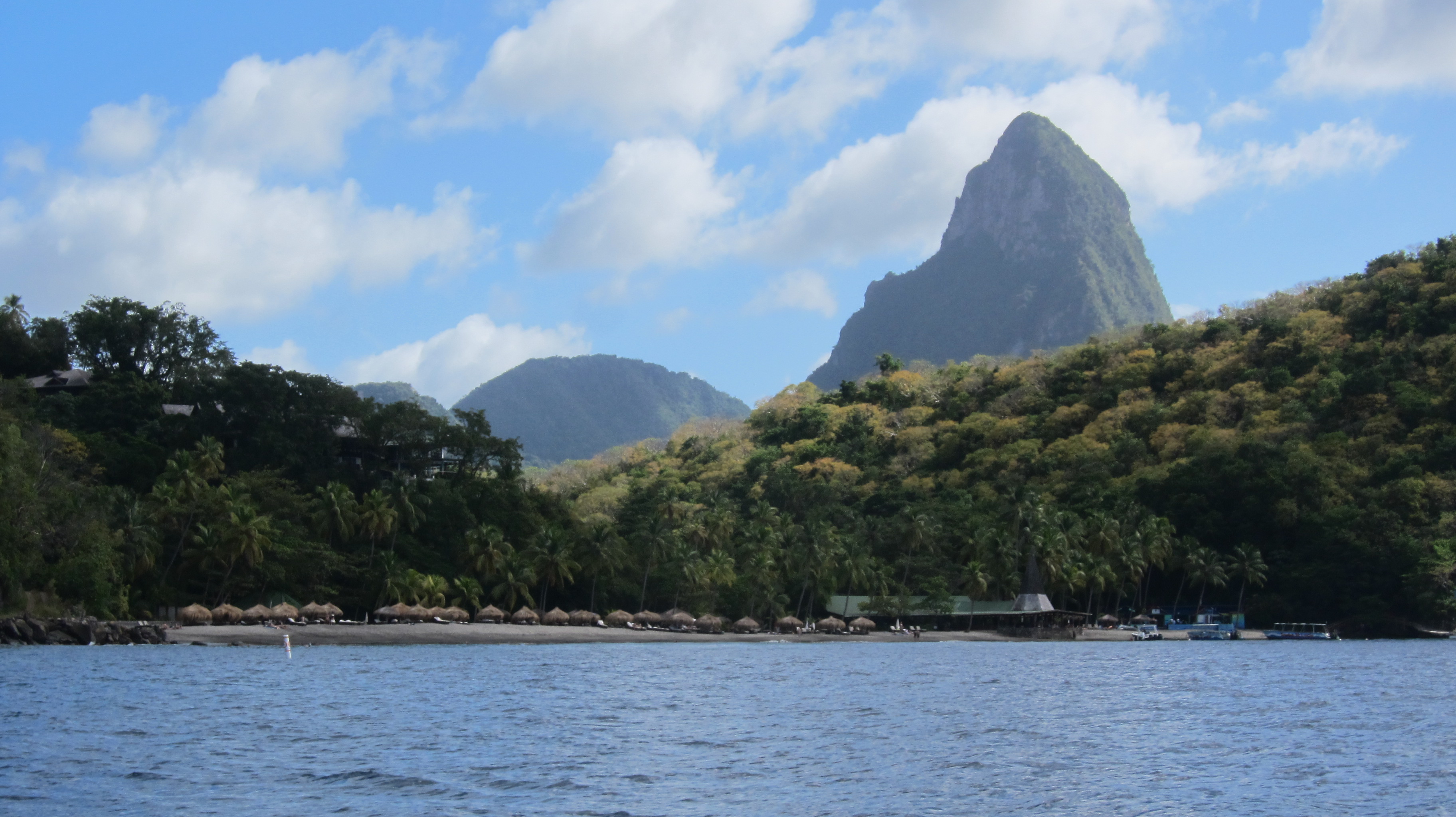
Anse Chastanet, near Soufrière, is among the best-known snorkelling beaches on the island. The coral reef begins just offshore, and the sheltered bay makes it comfortable for beginners as well as experienced swimmers. Guests of the resort have easy access to equipment, and day visitors can also enjoy the bay.
Anse Mamin, just to the south, is reached by a short walk through tropical forest. Its calm water and rocky reef make a peaceful, less busy place to snorkel.
Sugar Beach and Anse Cochon
Sugar Beach, between the Pitons, has clear water and reef near the shore, and the setting is hard to match, as described on our Sugar Beach page. Anse Cochon is a small, quiet beach on the west coast, known for exceptional underwater visibility. The reef sits close to the shore, and the bay is a favourite stop for snorkelling and diving excursions.
Pigeon Island in the north
Pigeon Island National Landmark has calm, sheltered water suited to beginner snorkellers. The rocky coastline attracts a variety of fish and other marine life, and the park also has trails and a fort, so snorkelling fits easily into a wider day. Read more in our Pigeon Island guide.
- Snorkel in the morning, when the water is clearest and calmest.
- Never touch or stand on coral.
- Use reef-safe sunscreen, applied well before you swim.
- Never snorkel alone, and watch for boat traffic.
Staying safe in the water
Use flotation if you need it, never snorkel alone, and stay clear of boats and docking areas. Check conditions before you enter the water, and read the beach safety guide. For gear and clothing, see our packing list.
How do I snorkel from the beach in Saint Lucia for the first time?
To snorkel from a Saint Lucia beach for the first time, choose a calm morning at a sheltered bay such as Anse Chastanet, check conditions with staff, fit your mask carefully and drift slowly over the reef in waist deep water. Walk in until the water is waist deep. Fit your mask so it seals without pressing on your forehead, treat it with a defogging gel or a little saliva, and breathe slowly through the snorkel. Give yourself a minute to realise that the sound of your own breath is the only thing you can hear, and let your heartbeat settle before you swim anywhere at all. If you wear glasses, a prescription mask or disposable contact lenses make a great difference to what you see.
Once you are comfortable, swim gently with slow kicks and your arms resting at your sides. Fins give you power and reduce effort, but be careful not to kick the seabed or the coral. Look ahead and down and let your eyes adjust. At first the water may seem empty, but after a few minutes you pick out small shapes, the flick of a tail, a flash of blue, the slow turn of a larger fish passing through. The more still and relaxed you are, the more the reef seems to reveal, and the longer you float, the more you notice. Keep your eyes open for the shadow of a boat overhead, and stay near the buoyed area where the swimmers gather.
Most beginners are surprised by how quickly they relax. The weightlessness, the warmth of the water and the quiet are deeply calming, and an hour in the water often feels like ten minutes. If you tire or feel anxious, simply float on your back and rest, or stand up in the shallows and adjust your mask. Our diving and snorkelling guide explains how to take the next step, including guided trips by boat and introductory dives, and what to ask an operator before you book anything. Practise breathing through the snorkel in the shallows before you lie flat, and take it slowly so that the whole experience stays pleasant and calm from start to finish.
What will I see snorkelling at Anse Chastanet, Anse Cochon and Pigeon Island?
You can expect coral, sponges, parrotfish and shoals of small reef fish at Anse Chastanet and Anse Cochon, with turtles and rays an occasional treat, while Pigeon Island offers calmer water and a rocky shore suited to beginners. Anse Chastanet sits beside a protected marine area, with a buoyed no-boat zone that keeps the reef quiet. Anse Cochon, on the west coast, is known for some of the clearest water on the island, and is reached either on a boat trip or down a long staircase from the resort above. Both reward patience, and the best views come in the first hour after the sun has cleared the hills. The bay also has a house reef that can be enjoyed from the water's edge, which is ideal for children who are not ready for deeper water.
Look closely at crevices and you may spot a spiny lobster, a moray eel or a well camouflaged scorpionfish. Sea fans wave gently in the current, and in sunlit shallows the colours are surprisingly vivid. Turtles are sometimes seen grazing on seagrass, but sightings cannot be promised. Move slowly, keep a respectful distance and never chase an animal, since stressed creatures swim away and the experience is spoiled for everyone. Floating still and letting life pass by is often the most rewarding method, and it costs nothing beyond a little time. Take a waterproof camera if you have one, but resist the urge to chase a shot, since the best images arrive when you simply stay still.
The island's reefs are part of a wider story of conservation, with marine management along much of the southwest coast. Our page on marine life and coral reefs explains how these ecosystems work and why they matter, and the Pigeon Island guide describes how to combine a swim with a walk up to the fort. Knowing a little about what you are looking at makes the experience richer, and a waterproof fish identification card is a cheap and cheerful way to turn a swim into a game for children. If you want to learn more before you go, the dive operators near Soufrière can explain the sites and the typical conditions.
What kit and habits do I need to snorkel responsibly in Saint Lucia?
You need a well-fitting mask, a dry-top snorkel, fins and a rash vest, plus reef-safe sunscreen applied twenty minutes before swimming, and the habit of never standing on coral or snorkelling alone. Many resorts hire kit, but travellers who snorkel often prefer to bring their own mask for the sake of fit. Pack it in your hand luggage so that it does not get crushed, and our packing list covers the rest of the essentials. A mask that leaks is the quickest way to spoil an outing, so test it in a sink at home by holding it against your face and breathing in. Fins are optional for confident swimmers, but they help in a current, and a short pair is easier to pack.
Timing matters as much as equipment. Mornings are usually the calmest and clearest, with less wind to ruffle the surface and less boat traffic overhead. Visibility can fall after heavy rain, as runoff stirs the water, so if there has been a downpour, wait a day or choose a different bay. Check the swell and the wind before you set out, and do not swim out beyond your comfort. A friend nearby makes everything safer, and our beach safety guide covers the basics of reading conditions and what to do if you find yourself in difficulty. Take a moment before you enter to check the direction of the current, and swim up current first, so that the return is easy.
A few habits protect both you and the reef. Never stand on coral, even in shallow water, because it is alive and easily damaged. Do not feed fish, take shells or touch animals. Rinse off afterwards, and read the responsible travel guide for other ways to be a considerate visitor. The black sand beaches guide shows where many of the best reefs lie, and it is worth reading before you choose where to spend your first morning in the water, so that the day goes smoothly. If you meet a turtle, let it come to you, and give it space to surface for air, as it will need to breathe every few minutes.
What you are looking at underwater
Snorkelling is more rewarding when you recognise what you see. The marine life and coral reefs guide introduces the reef and its residents, and conservation and protected areas explains why some areas are looked after so carefully.
The geology and volcanoes page shows how rocky shores formed, and wildlife and ecology widens the picture to the whole island.
Where to stay and how to plan
Most visitors fit this into a holiday in St Lucia, so choose your base first. Compare places to stay in St Lucia by area and style, and read our guides to luxury hotels in St Lucia and all inclusive resorts in St Lucia if you are choosing between a boutique stay and an all in package.
Then set your dates with the best time to visit St Lucia, book flights to St Lucia and pick days out from our St Lucia itineraries. Couples can also read about a honeymoon in St Lucia or weddings in St Lucia.
Questions travellers ask
Where is the best snorkelling in Saint Lucia?
Anse Chastanet, Sugar Beach, Anse Cochon, Anse Mamin and Pigeon Island all offer good snorkelling from the shore.
Can beginners snorkel from the beach?
Yes. Pigeon Island's sheltered water and the bay at Anse Chastanet suit beginners.
Will I see turtles?
Sea turtles are sometimes seen, along with reef fish and coral, but sightings are never guaranteed.
Where can the kids see turtles without a boat trip?
Anse Chastanet is the beach most often linked with turtle sightings, and its reef starts close to the shore, so no boat is needed. Sightings there are occasional and never guaranteed, and turtles are not common around the coast generally. Older children who swim well can snorkel with close supervision and flotation. Watch from a distance and never touch or chase a turtle.
Do I need my own equipment?
Resorts and operators hire equipment, but bringing your own mask can be worthwhile if fit matters to you.
Is Anse Cochon easy to reach?
It is on the west coast, popular with boat excursions, and can also be reached by road, so check the current access with your driver.
Can I snorkel in the rainy season?
Yes, although visibility can drop after heavy rain. Mornings in the drier months are usually clearest.
Is reef-safe sunscreen necessary?
It is strongly advised, because some sunscreens harm coral. Apply it well before getting in the water.
Is snorkelling safe for children?
Older children who swim well can enjoy it with close supervision and flotation.
Do I need to be a strong swimmer to snorkel in Saint Lucia?
You should be comfortable in water, but a flotation vest helps beginners relax. Stay in shallow, sheltered areas, keep close to shore and swim with a companion.
What is the best time of year to snorkel in Saint Lucia?
The dry season from December to May usually has the clearest water, but the sea is warm all year and mornings are the best time of day.
Can I hire snorkel gear on the beach in Saint Lucia?
Yes, resorts and local vendors near Anse Chastanet, Sugar Beach and Reduit hire masks, snorkels and fins, though availability varies, so ask your hotel or guide first.
Anse Cochon on the map
Anse Cochon is at 13.9273 degrees north, 61.0590 degrees west. Map data from OpenStreetMap contributors.
Ask Lucy about Snorkelling beaches
Ask about places to stay, things to do, the weather or getting here.
Keep exploring Saint Lucia
Looking for the industry view? Visit St Lucia on VisitTravelGroup.com covers the destination for travellers and the tourism trade.
More from the Visit Travel Group network: VisitTravelGroup.com, Benidorm.co.uk, Anguilla.co.uk, TheRedSea.co.uk.