Beaches
Beach Safety and Swimming Tips for Saint Lucia
Saint Lucia's beaches are meant to be enjoyed, with a little awareness. Here is how to read the water and stay safe.
Know your coast
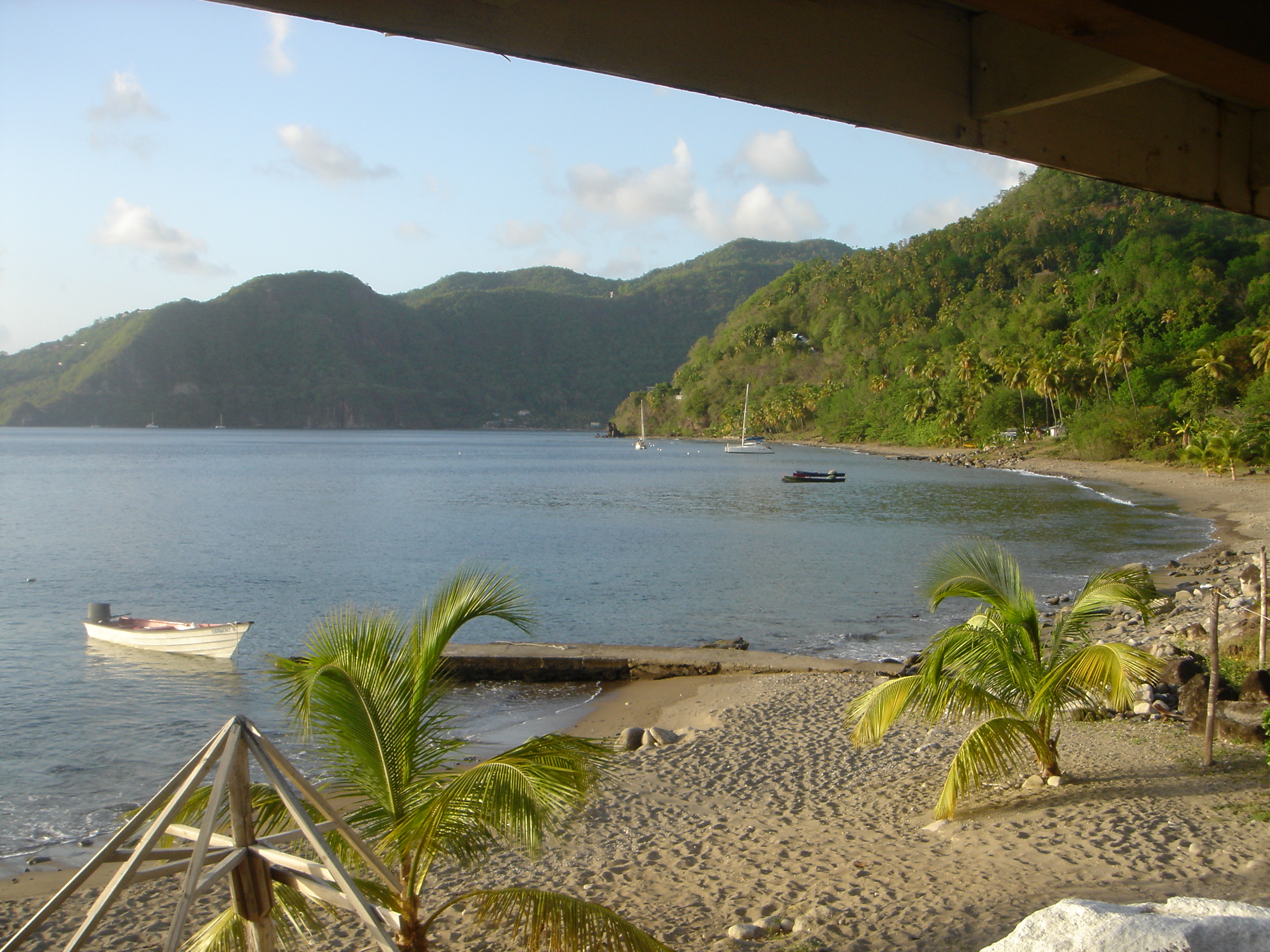
Conditions vary by location, season and weather. The west coast faces the Caribbean Sea and generally offers calmer water, which is why most families and resorts are found there. The east coast faces the Atlantic Ocean and can have stronger currents and larger waves, so swimming conditions may vary from day to day. Our beaches guide shows which shore suits which kind of day.
Check conditions first
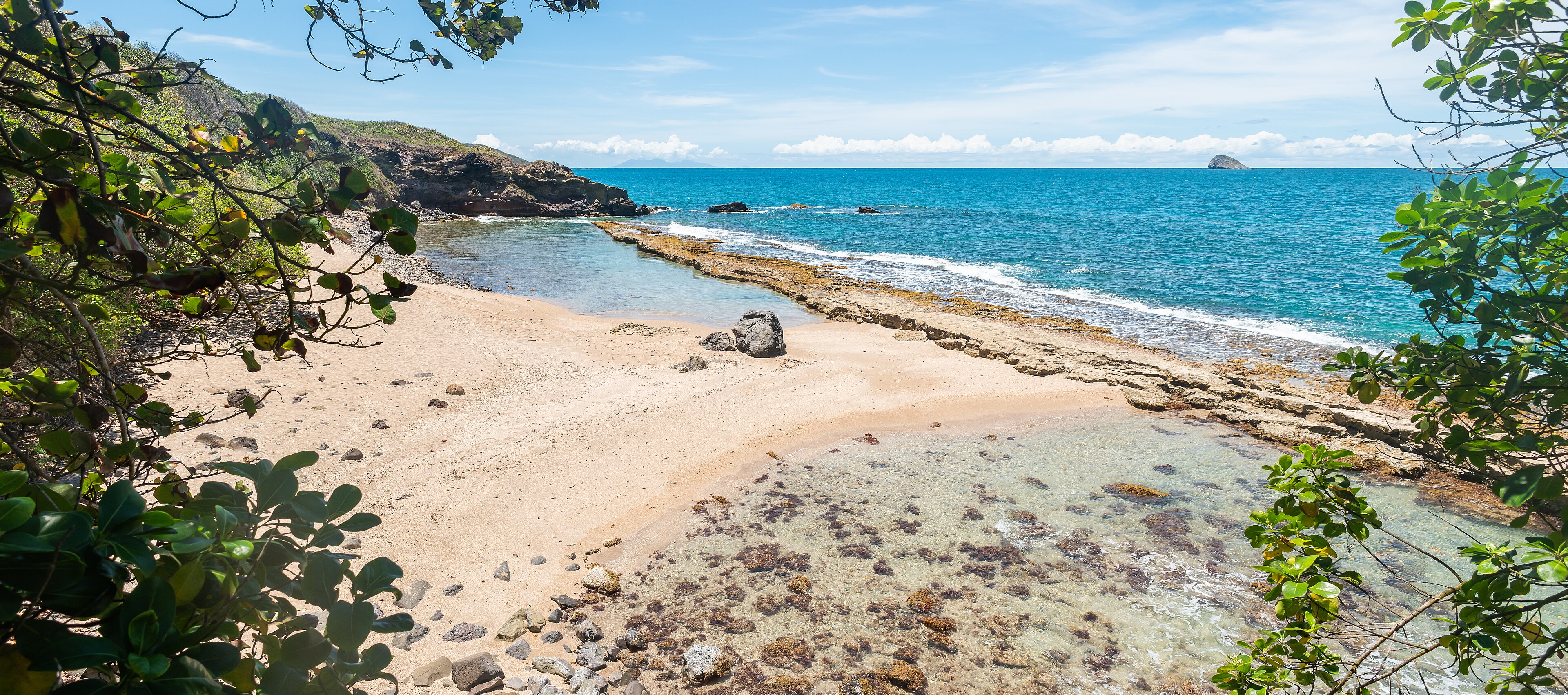
Before you enter the water, take a few minutes to watch it. Observe the strength of the waves and the movement of the water, avoid swimming after heavy rainfall, and pay attention to local advice and posted signs. Warning flags, notices and restricted-area markers are there to protect visitors and the environment, so follow them.
Swim only in designated areas and stay clear of boats, jet skis and docking zones. Many beaches have no lifeguard on duty, so assess conditions carefully, avoid diving into unfamiliar water and do not swim alone in remote areas.
- Watch the waves for a few minutes before swimming.
- Avoid the water after heavy rain.
- Follow posted flags and signs.
If you are caught in a current
Stay calm and do not fight against it. Swim parallel to the shore until you are free of the current, then make your way back to the beach. If you cannot, float, raise an arm and call for help. Knowing this in advance makes it far less frightening if it happens.
Children, sun and marine life
Keep children within arm's reach, choose beaches with calmer water and avoid rough conditions. Our family beaches guide lists the best options. Protect yourself from the sun with shade, water and reef-safe sunscreen, and take breaks through the day.
Respect marine life: do not touch coral or animals, wear protective footwear on rocky shores and follow local environmental guidance. If you snorkel, use flotation if needed, never go alone and be mindful of boat traffic, as the snorkelling guide explains.
If something goes wrong
Call 911 for an ambulance, the police or the fire service, and contact your accommodation and insurer. Our health, insurance and safety guide explains medical care on the island, and the safety guide covers everyday precautions.
How do I read the sea before swimming in Saint Lucia?
Before swimming in Saint Lucia, watch the water for five minutes: note where waves break, how large they are, whether darker channels of water run out to sea, and what local people and posted signs are telling you. Experienced swimmers will tell you that most of the work of staying safe in the sea is done before you get wet. A calm bay with small, regular ripples is a very different proposition from an exposed beach with heavy shore break, and the Atlantic coast is far more changeable than the sheltered Caribbean coast. Build the habit on day one, and it will serve you on every beach. Take a few minutes to read any notices at the beach entrance too, and look for local flags or signs about hazards.
Look at the people around you, too. If locals are swimming happily, it is usually a good sign, although you should always make your own judgement. If the beach is empty and flags or signs are posted, take them seriously. Watch where fishing boats are working and keep clear of their lines and nets. Ask staff at a nearby hotel or restaurant about conditions, as they usually know whether the water has been rougher than normal in recent days, and whether a current has been running along the shore. If a lifeguard is on duty, ask them where the safest swimming area is, and listen to what they say about the day.
Remember that conditions change. A beach that was perfect yesterday morning may be rough this afternoon, particularly after a spell of wind or a distant storm that sends swell across the ocean. Our beaches guide explains how the two coasts differ, and the best time to visit guide shows how the seasons influence the sea. If in doubt, stay in the shallows, swim near other people, and choose a different beach rather than gambling on a day when the surf looks unfriendly or the water looks muddy. The family beaches guide lists calmer options that suit weaker swimmers and young children. If you are visiting the south coast, the south Saint Lucia guide explains how the wind and swell shape the beaches there, and it is wise to ask a local before swimming.
How do I avoid sun and heat problems on a long beach day?
Avoid sun and heat problems by covering up between late morning and mid-afternoon, applying a high factor sunscreen often, drinking water regularly and resting in shade, because tropical sun in Saint Lucia is strong all year round. For most visitors, the sun is a greater danger than the sea. The reflection from water and sand makes it stronger still, and a light long-sleeved shirt or rash vest is an excellent addition for children and for anyone with fair skin. Many visitors burn on the first day and spend the rest of the holiday regretting it, so be careful from the very start. Reapply every couple of hours, and after towelling dry, paying special attention to ears, feet and the back of the neck.
Heat and dehydration creep up quietly. Drink water even if you do not feel thirsty, and be wary of alcohol in the sun, since rum punches are delicious but dehydrating. Signs of heat exhaustion include headache, dizziness, nausea and unusual tiredness, and anyone showing them should rest in the shade, drink water and cool down, seeking medical help if they do not recover quickly. Children and older travellers are more vulnerable than they seem, so build breaks into the day and do not wait until someone complains before you move into the shade. Salty snacks and fresh fruit help replace what you lose in the sun, and a cold coconut is a good local remedy.
Pay attention to your feet and to what you are standing on. Hot sand, sharp shells, rocks and sea urchins can all cause injury, and water shoes make sense on rocky shores. If you do get stung or cut, rinse the wound thoroughly and keep it clean. Our health, insurance and safety guide describes what to pack in a small first aid kit and how to get medical help on the island. A pair of tweezers, plasters and an antiseptic wipe take up almost no space and can save a day. Treat any sea urchin spine or jellyfish sting with care, and ask a local pharmacist for advice if the pain lasts.
What basic rules keep everyone safe at a Saint Lucia beach?
The basic rules are never to swim alone in remote places, to keep children within arm's reach, to avoid alcohol before swimming, to stay clear of boats and docks, and to carry insurance that covers your activities. Good beach safety is mostly about habits. Agree before you go in where you will meet if you get separated, appoint one adult to watch children without distraction, and swap the duty every so often. Phones, books and conversation are the great enemies of attention, and drowning can be silent and fast, so the person on watch should do nothing else. Keep your phone in a dry pouch so that you can call for help if you need to, and know the number to dial.
Alcohol and swimming do not mix. It reduces judgement and coordination, and it can turn a pleasant paddle into a dangerous swim. Enjoy your cocktails after you are out of the water, not before. Avoid swimming at night, and stay clear of boats, jet skis and docks, where propellers and ropes present real hazards. If you hire a water sports craft, listen carefully to the briefing and wear the life jacket provided. Many beaches have no lifeguard on duty, so you are responsible for your own judgement, and for that of the children in your care. Teach children to ask before they go in, and to stay in sight of an adult at all times.
Finally, take out proper travel insurance that covers the activities you plan, from snorkelling to boat trips. Know the number for emergency services and the location of the nearest medical facility, and keep your hotel's contact details to hand. Our guide on whether Saint Lucia is safe puts everyday risks in perspective. With a little preparation, a day at the beach can be nothing but pleasure, and the memory of it will be of the warm water and the light, not of anything that went wrong. Keep copies of your policy details on your phone and in your bag, and tell someone where you are going when you head for a remote beach.
Understanding the sea and the weather
Safe beach days start with knowing the conditions. The climate and hurricanes guide explains seasonal weather, and marine life and coral reefs describes what is in the water and why reefs need respect.
The wildlife and ecology page and conservation and protected areas also help you leave the shoreline as you found it.
Where to stay and how to plan
Most visitors fit this into a holiday in St Lucia, so choose your base first. Compare places to stay in St Lucia by area and style, and read our guides to luxury hotels in St Lucia and all inclusive resorts in St Lucia if you are choosing between a boutique stay and an all in package.
Then set your dates with the best time to visit St Lucia, book flights to St Lucia and pick days out from our St Lucia itineraries. Couples can also read about a honeymoon in St Lucia or weddings in St Lucia.
Questions travellers ask
Are there lifeguards on Saint Lucian beaches?
Many beaches have no lifeguard on duty, so swim responsibly and assess conditions before entering the water.
Which coast is safer for swimming?
The west Caribbean coast is generally calmer. The east Atlantic coast can have stronger currents and larger waves.
What should I do if caught in a current?
Stay calm, do not fight it, and swim parallel to the shore until you are free.
Is it safe to swim after heavy rain?
It is best to avoid it, because water conditions can change and runoff affects clarity.
Can I swim alone?
Avoid swimming alone, particularly in remote areas or unfamiliar water.
Do flags mean anything?
Yes. Warning flags and signs mark hazards and restricted areas, and you should follow them.
How can I keep children safe?
Keep them within arm's reach, choose calm beaches and avoid rough conditions.
What is the emergency number?
Call 911 for an ambulance, the police or the fire service.
How do I spot a rip current in Saint Lucia?
Look for a channel of calmer, darker water running out between breaking waves, often with foam moving seawards. If caught, swim parallel to the shore rather than against it.
Is it safe to snorkel in Saint Lucia without a guide?
At sheltered bays many people do, but swim with a companion, use flotation if unsure and ask locals about conditions and boat traffic before you go in.
What should I do if a child goes missing on a Saint Lucia beach?
Tell staff or nearby adults at once, check the water first and call 911 if the child is not found quickly. Agree a meeting point before the day begins.
Saint Lucia on the map
Saint Lucia lies in the Windward Islands of the eastern Caribbean, around 13.8830 degrees north, 60.9670 degrees west. Map data from OpenStreetMap contributors.
Ask Lucy about Beach safety
Ask about places to stay, things to do, the weather or getting here.
Keep exploring Saint Lucia
Looking for the industry view? Visit St Lucia on VisitTravelGroup.com covers the destination for travellers and the tourism trade.
More from the Visit Travel Group network: VisitTravelGroup.com, Benidorm.co.uk, Anguilla.co.uk, TheRedSea.co.uk.