About Saint Lucia
Languages in Saint Lucia: English, Kwéyòl and Jounen Kwéyòl
English gets you everywhere in Saint Lucia, but the island's heart beats in Kwéyòl, a French-based creole with African roots that you will hear in markets, songs and village chatter.
Two languages, one island
English is the language of government, schools, courts, business and tourism, so UK visitors will have no trouble making themselves understood. Alongside it lives Kwéyòl, also called Saint Lucian Creole or Patois (Patwa). It is widely spoken, with a commonly cited figure of around 95 per cent of the population able to speak it, though fluency varies and younger people often mix it with English.
Kwéyòl is not a broken form of French. It is a language in its own right with its own grammar, and it is used in conversation, songs, church services and storytelling. It is not a state language alongside English, but government and broadcasters do use it for public information, and the Saint Lucian authorities support its celebration through festivals and education campaigns. Saint Lucia is also a member of La Francophonie, a nod to the island's French heritage.
An English-based creole is also heard, so it is common to hear a sentence that moves from English to Kwéyòl and back again.
Where Kwéyòl came from
The roots lie in colonial history. The island swapped hands between France and Britain many times over the 17th and 18th centuries, and the plantation economy brought together French-speaking planters and enslaved people from different parts of West Africa. They needed a shared language, and the result was a creole that took most of its vocabulary from French and much of its grammar and rhythm from African languages, with a few words from the Kalinago people and later from English. You can follow the wider story in our guides to French and British rule and slavery and emancipation.
Britain secured the island for good in the early 19th century, formalised in 1814, and English became the language of schools and administration. The island became independent in 1979. For generations, children were discouraged from speaking Kwéyòl at school, and it was seen as a rural or old-fashioned language. From the 1980s that attitude began to change, thanks to a cultural revival led by teachers, priests, writers and musicians.
Links with Dominica, Martinique and Haiti
Saint Lucian Kwéyòl belongs to the family of Antillean French creoles. It is very close to the creole of Martinique and is nearly identical in grammar and much of its vocabulary, although Saint Lucian speakers use more English loanwords. It is even closer to the Kwéyòl of Dominica, the island to the north, and the two share a writing system. Speakers from Saint Lucia, Dominica, Martinique and Guadeloupe can usually understand each other with little difficulty.
Haitian Creole is a cousin rather than a sibling. It developed from the same French and African mix on a different island, and speakers can follow each other to a good degree, though the spelling and some words differ. Because of these links, a Kwéyòl song from Saint Lucia can find an audience in Fort-de-France or Roseau, and the music scene is one reason zouk and kadans are loved across the region. Our music and dance guide explores this further.
How Kwéyòl is written
Kwéyòl has a standard spelling used in Saint Lucia and Dominica, which differs a little from the one used in Martinique and Guadeloupe. The alphabet has 24 letters representing 32 sounds. The letters q and x are not used, and r appears only in loanwords from English, so the word for radio is written radyo. The letters c and u never stand alone, and appear only in the combinations ch and ou. Other pairs of letters stand for a single sound, including dj, tj and ng, and the nasal vowels are written an, en and on.
Accents matter because they change the sound and sometimes the meaning, which is why you will see Kwéyòl written with é and è and ò. When this guide writes Kwéyòl in full, it uses the accents, but you may well see the name spelled Kweyol on signs and in casual writing. The language is taught at some schools and through the Msgr. Patrick Anthony Folk Research Centre, which has promoted the writing system since the 1970s.
Jounen Kwéyòl and the Kwéyòl movement
The best day to hear the language is Jounen Kwéyòl, or Creole Day. In Saint Lucia it is celebrated on the last Sunday of October, as part of a month of Creole Heritage events, and it is linked to International Creole Day on 28 October. Dominica marks its own version on the last Friday of the month. The Saint Lucian celebration is organised by the Folk Research Centre, and in 2024 it reached its 40th observance, with the host communities of Dennery, Mon Repos and Anse La Raye. In 2025 the theme was Kwéyòl Sé Fòs Nou, meaning Kwéyòl is our strength.
People dress in the national wear, with the women in a wob dwiyèt and the men in madras shirts or jackets, and communities lay out local food such as green fig and saltfish, bouyon, breadfruit and cocoa tea. There is folk music with the shak-shak, the tambou drum and the accordion, along with pageants, storytelling and craft stalls. The movement behind the revival includes the Mouvman Kwéyòl Sent Lisi, whose founders included Dame Pearlette Louisy and Monsignor Patrick Anthony, and it continues to press for the language to be used in schools, courts and public life.
If you are on the island in late October, this is the time to be there. See our festivals and events guide for the wider calendar, and our street food guide and food and rum guide for the dishes you will meet.
Useful Kwéyòl phrases
You do not need Kwéyòl to enjoy Saint Lucia, but a few words go a long way. Pronounce vowels clearly, and remember that the letter combinations above carry a single sound. These greetings are widely used, although spoken forms vary from village to village.
- Bonjou: good morning, or hello during the day.
- Bonswa: good evening.
- Mèsi: thank you.
- Souplé: please.
- Wi and non: yes and no.
- Mwen ka palé kwéyòl: I speak Kwéyòl.
- Palé kwéyòl: speak Kwéyòl.
- Sé: a plural marker, as in sé moun, the people.
Place names with French roots
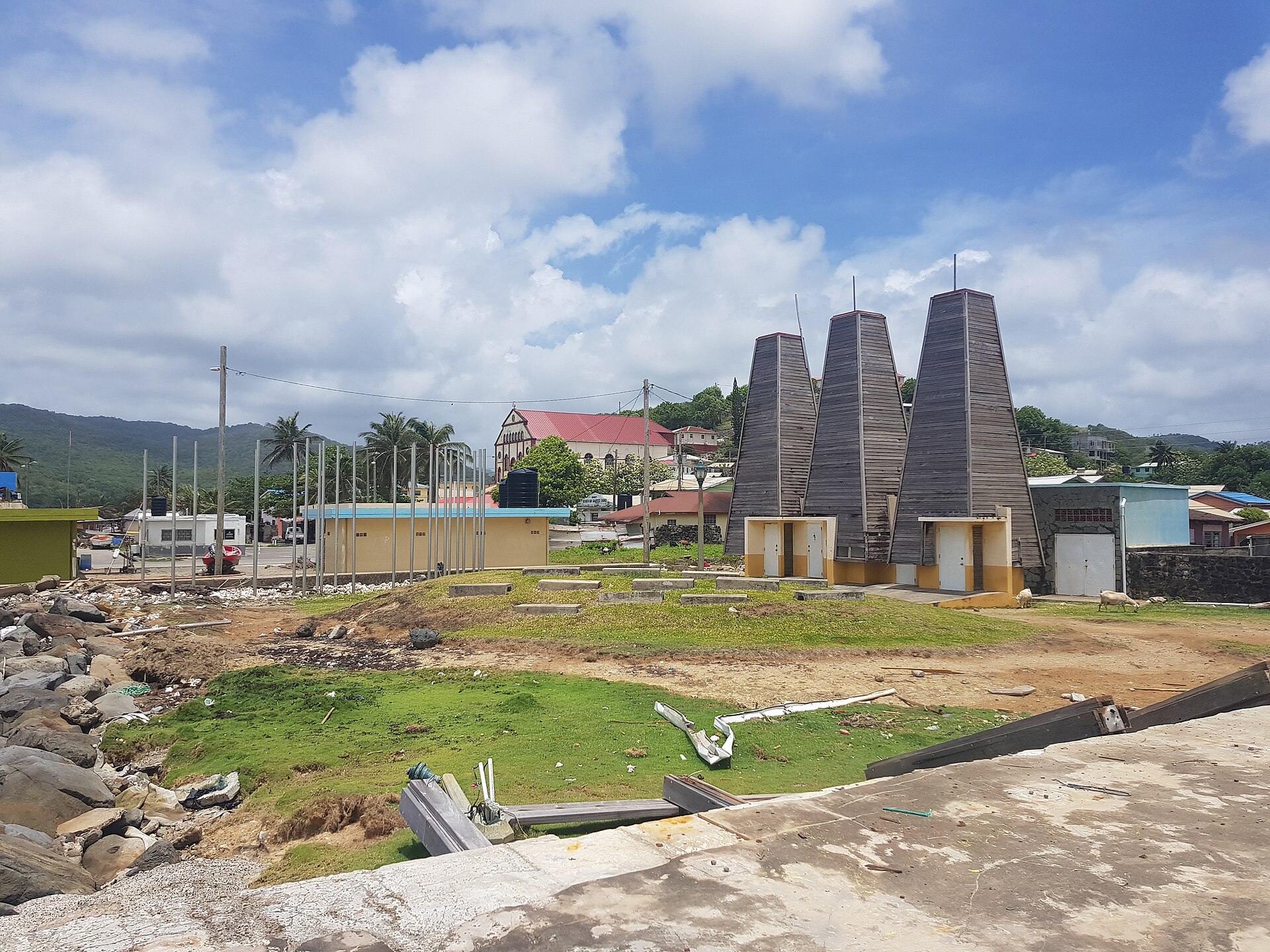
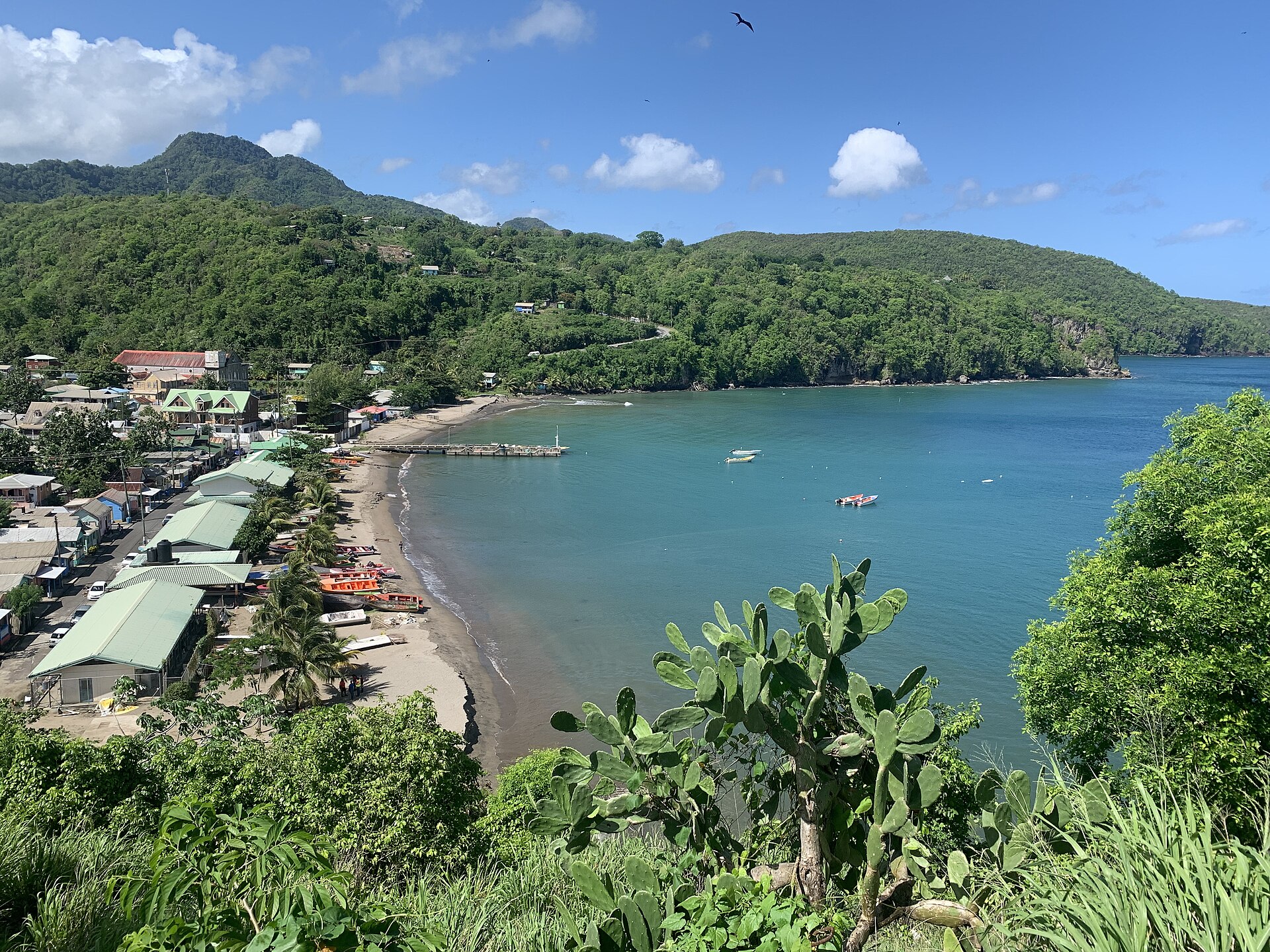
Many places in Saint Lucia carry French names, a legacy of the colonial period. Castries is named after the Marquis de Castries, a French minister of the navy and colonies. Soufrière comes from the French word for sulphur, a reference to the volcanic springs you can visit on our Sulphur Springs guide. Vieux Fort means old fort, Gros Islet means big islet, and Anse La Raye is generally understood to refer to a cove and the ray fish. Choiseul, Micoud, Dennery and Laborie also have French roots, usually linked to colonial families and officials.
Look out too for local descriptive names such as Marigot Bay, where marigot is a Caribbean French word for a sheltered inlet or backwater, and for English names that were added later, such as Rodney Bay. The Pitons also carry a name of French origin, a word for a sharp peak. You can explore these places in our Soufrière, Vieux Fort and Anse La Raye guides, and see how the districts fit together in our districts and towns guide.
Questions travellers ask
What languages are spoken in Saint Lucia?
English is the language of government, education and business, and everyone you meet in tourism will speak it. Kwéyòl, a French-based creole, is spoken widely alongside it, especially in villages and at home.
Is Kwéyòl the same as French?
No. Kwéyòl takes most of its vocabulary from French but its grammar and rhythm come largely from African languages, so a French speaker will not automatically follow a conversation in it.
Can people in Saint Lucia understand Creole from Martinique and Dominica?
Largely yes. Saint Lucian Kwéyòl is very close to the creoles of Dominica and Martinique, and speakers can usually follow each other, though Saint Lucian speech uses more English loanwords.
When is Jounen Kwéyòl in Saint Lucia?
Jounen Kwéyòl, or Creole Day, falls on the last Sunday of October, within a month of Creole Heritage events. International Creole Day itself is on 28 October, and Dominica celebrates on the last Friday.
Who runs the Creole celebrations?
The Msgr. Patrick Anthony Folk Research Centre organises Jounen Kwéyòl with partners, and different host communities are chosen each year. The 40th observance in 2024 was held in Dennery, Mon Repos and Anse La Raye.
How do you say hello and thank you in Kwéyòl?
Bonjou is good morning or hello, and bonswa is good evening. Thank you is mèsi. Visitors who try these words are usually met with a broad smile and a friendly reply.
Why do Saint Lucian places have French names?
France settled and ruled the island for parts of the 17th and 18th centuries before Britain took control. Many towns, bays and districts kept the names given by French settlers, such as Soufrière and Vieux Fort.
Is Kwéyòl taught in schools?
It is promoted through campaigns, cultural bodies and some school programmes, but English remains the main language of teaching. Activists continue to argue for a stronger place for Kwéyòl in education and public life.
Should I learn Kwéyòl before visiting?
You do not need to, but learning a few greetings is a courtesy that locals notice and appreciate. Listening to local music and joining a cooking class are enjoyable ways to pick up words.
Saint Lucia on the map
Saint Lucia lies in the Windward Islands of the eastern Caribbean, around 13.8830 degrees north, 60.9670 degrees west. Map data from OpenStreetMap contributors.
Ask Lucy about Languages and Kwéyòl
Ask about places to stay, things to do, the weather or getting here.
Keep exploring Saint Lucia
Looking for the industry view? Visit St Lucia on VisitTravelGroup.com covers the destination for travellers and the tourism trade.
More from the Visit Travel Group network: VisitTravelGroup.com, Benidorm.co.uk, Anguilla.co.uk, TheRedSea.co.uk.