Explore Saint Lucia
Soufrière and the Southwest Coast
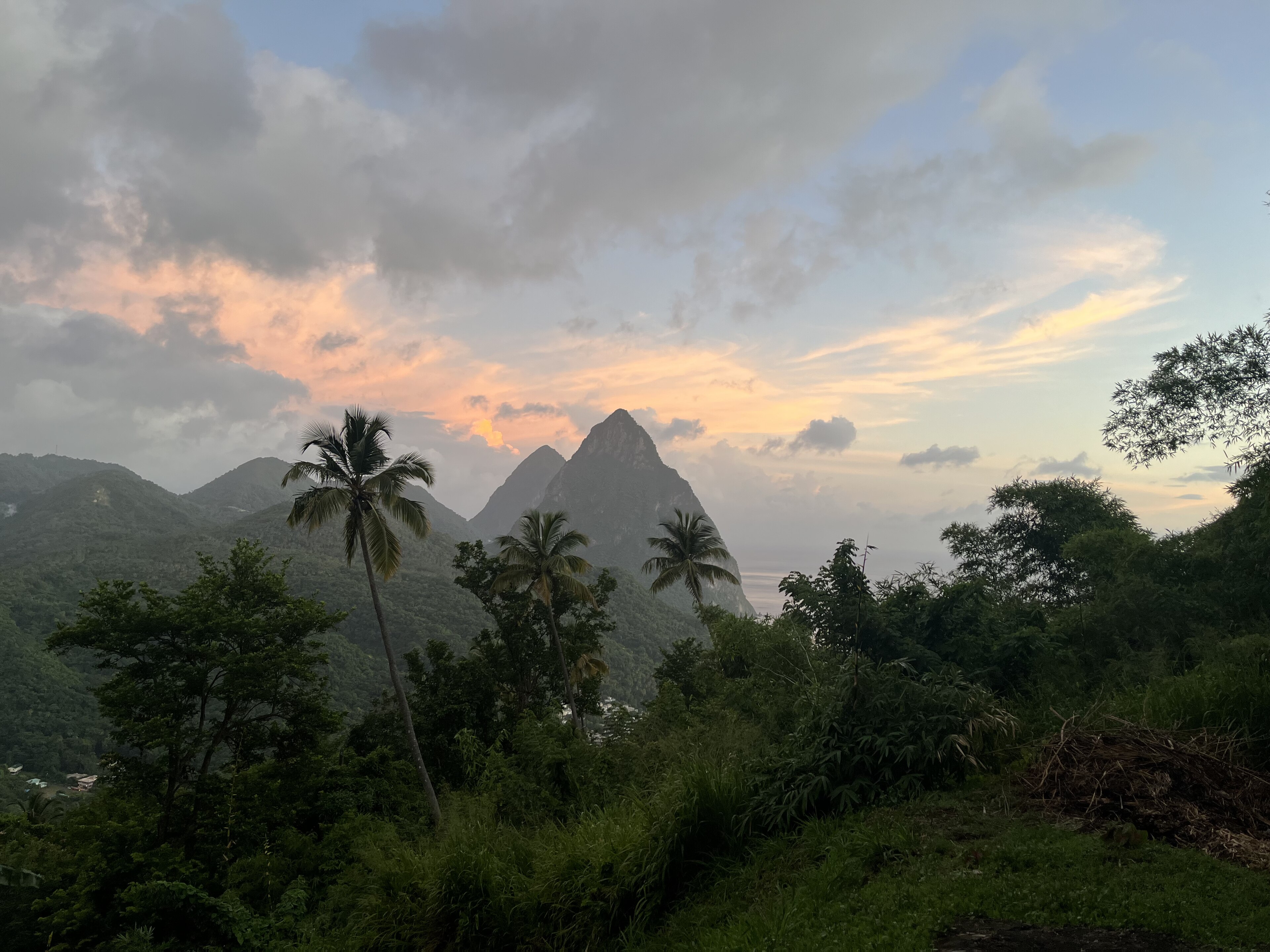
The oldest town on the island, on a sweeping bay beneath the Pitons, and the base for the most dramatic scenery in Saint Lucia.
The town
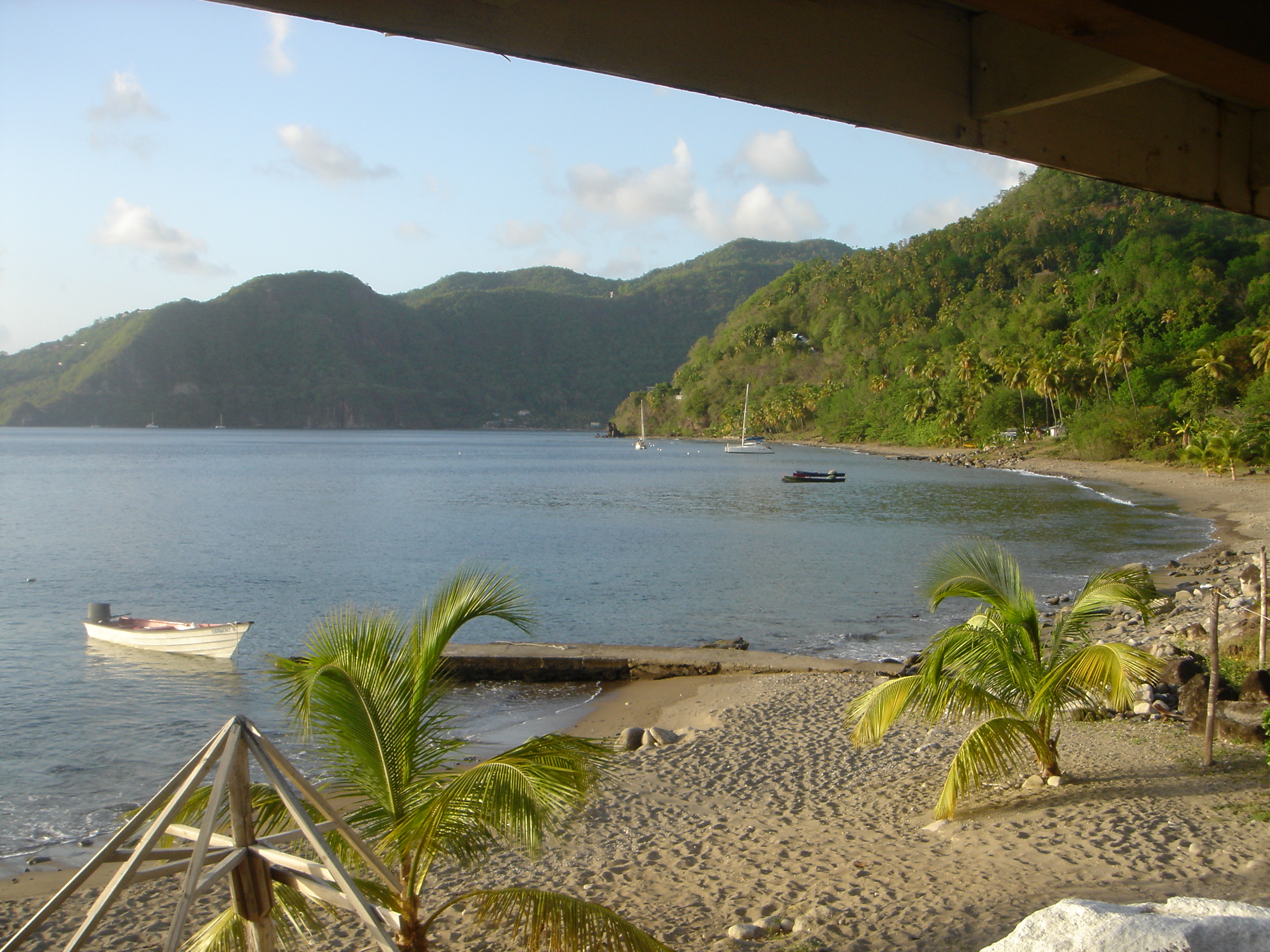
Soufrière sits on a curved bay on the southwest coast, with the Pitons rising behind it. It was the capital in the French colonial period and has a small, working waterfront with a market, a jetty and colourful wooden buildings. It is not a resort town. It is a real place where people live and work, and that gives it character.
Boats leave from the jetty for coastal trips, and the town is the starting point for much of what the southwest offers. A stroll along the front, a stop at the market and a drink at a waterfront bar are an easy way to take it in.
What is nearby
Within a short drive you can reach the Sulphur Springs, the waterfalls and gardens, cocoa estates described in our cocoa and chocolate guide, and the trails up the Pitons. Along the coast are the dive sites covered in our diving and snorkelling guide.
It is possible to see most of it in a day trip from the north, but staying in the area lets you take it at a gentler pace.
Where to stay
The hotels around Soufrière include some of the best known on the island: Sugar Beach in the Val des Pitons, Ladera on its ridge, and Anse Chastanet and Jade Mountain on the northern bay. Compare them on the where to stay page.
Getting there
From Hewanorra International Airport the drive is scenic and winding, and it is best in daylight. Our getting here guide explains the transfer options and what to expect on the road.
History in a paragraph
Soufrière was founded by the French in the early eighteenth century and was for a time the capital of the colony. The name is French for sulphur, a reference to the volcanic springs above the town. The surrounding hills were planted with sugar, then with cocoa, coconuts and bananas, and the estates that survive today often carry their colonial names.
Cultural life is strong. The town celebrates its patron saint's day, has long-running folk traditions and is home to craftspeople, musicians and cooks who keep local customs alive. Ask your hosts what is happening during your stay, as festivals and community events welcome visitors.
Eating and getting around
Restaurants range from simple local cafés on the front to resort dining rooms in the hills. Try the catch of the day, green fig and saltfish, and fruit from the market. Our food and rum guide suggests what to order.
Distances are short, but the roads are narrow and steep, so most visitors use taxis or organised tours. If you plan to drive, take care, especially at night, and note that traffic drives on the left. For nearby experiences, see our guides to cocoa estates and rainforest walks.
- Carry small notes of local currency for markets and taxis.
- Ask your hotel for a trusted driver or guide.
- Allow extra time for winding roads.
What can I do in and around Soufrière in a single day?
In a single day around Soufrière in Saint Lucia you can walk through the Diamond botanical gardens and waterfall, soak at the Sulphur Springs, taste cocoa at Fond Doux Estate and swim at a dark sand bay beneath the Pitons. The town sits inside the rim of a vast volcanic basin, and almost everything of interest lies within a short drive of its waterfront. Start early, because the gardens and estates are most pleasant before the heat builds, and keep the swim for the afternoon, when the sea is warm and the long drive no longer matters. A driver who knows the order of the stops saves a great deal of time. Bring a change of clothes.
The Diamond estate was once a French colonial property, and today it holds a botanical garden, mineral baths and a waterfall whose rocks are stained in shifting colours by minerals in the water. The Sulphur Springs nearby are marketed as a drive-in volcano, with steaming vents and bubbling pools that you can see from a viewing platform, and many visitors follow the visit with a warm mineral soak and a rinse in cool water. Our Sulphur Springs guide describes what to expect, how the visit works and what to wear, including the advice to leave silver jewellery at the hotel. Entry is paid at the gate, so carry some cash, and wear shoes you do not mind getting wet around the falls.
Fond Doux Estate is a working plantation where cocoa is still grown and processed, and a tour ends with a taste of chocolate in many forms, from raw beans to a finished bar. Our cocoa and chocolate guide explains how to plan a visit and what you can buy to take home. Between stops, the road offers views of the peaks that justify any number of photographs, with banana leaves in the foreground and the sea beyond. Ask your driver to pause at the best viewpoints, and bring a hat, water, a towel and a swimsuit so that you are ready for whatever the day offers. Wear comfortable shoes for the walk between the trees, and ask the guide about the other crops grown on the estate, which often include fruit and spices.
Should I climb a Piton or enjoy the view from below?
Climb Gros Piton if you are fit, start before dawn with a guide and want the island's finest panorama, but enjoy the peaks from a boat, a viewpoint or your hotel terrace if you prefer a gentler day. Both Gros Piton and Petit Piton are volcanic plugs, and together they form a UNESCO World Heritage Site. The climb of Gros Piton is steep and hot, so most people start early and finish by lunchtime, with sore legs and a sense of achievement. Our Gros Piton hike guide explains the trail, the guide arrangements and what to wear, and it is worth reading the day before you go. Pack plenty of water, a light waterproof and a small snack for the summit.
For those who prefer to stay lower, the views are spectacular. A boat trip along the coast shows both peaks rising straight from the sea, and the Volga nature trail gives a close look at both peaks and the beach between them, as the Pitons guide explains. Staying at a ridge hotel such as Ladera lets you watch the weather move across the summits from your room, with a coffee in hand and nowhere to be. Many travellers find that the best view of the Pitons is the one they simply sit and enjoy, without any effort at all. If you want a gentler walk, ask your hotel to suggest a short trail with a view, and take a camera with you.
Either way, the peaks change with the light. At dawn they are dark and mysterious, at noon green and sharp, and at sunset they glow in a gold that photographers chase. Take time to simply sit and watch. Many travellers say that a morning with a coffee and the view was the best part of their stay, even after a hard climb the day before. If you do plan to climb, build a rest day around it, and keep the following morning free for a late breakfast, a long swim or a gentle stroll to ease tired legs. Carry a small notebook or camera, since the view tends to inspire people to record it, and a quiet hour spent watching often becomes the most treasured memory of the stay.
Is Soufrière a good base or better as a day trip?
Soufrière is a good base for two or three nights if you want scenery, reefs and quiet evenings, but a day trip from the north suits those who want only the highlights and are happy with a long drive. The town itself is small and working, with a market, a waterfront and simple restaurants, and most visitors stay in hotels in the surrounding hills and bays. It is not a resort town, and the charm lies in that honesty. Our where to stay guide compares the hotels, and it helps you choose between a room on the beach, a ridge-top view and a simple guesthouse in town. Ask about nightly rates and the minimum stay in the busy months, since some properties require several nights at Christmas and New Year.
Staying overnight transforms the experience. Mornings are cool and clear, the sunsets are over the Caribbean, and activities such as diving, hiking and boat trips are on the doorstep. A day trip from Rodney Bay means a long drive each way, so a tour with a driver is easier than driving yourself, and you can sit back and enjoy the scenery. The getting here guide explains the road and its timings, and it is wise to leave the return drive until the roads are quiet, if possible, and well before dark. Lazy mornings on a terrace, a swim before lunch and an afternoon boat trip fit neatly into a single day without feeling rushed or packed.
Be realistic about evenings. Choice is limited compared with the north, many restaurants are in hotels, and the roads are dark, so plan transport for dinner and keep a torch handy. If you are celebrating a special occasion, the quiet of the southwest is a gift, and the honeymoon in Saint Lucia guide shows how couples use the area for ceremonies and escapes. For travellers who like to be among people after dark, a night or two in the north at the end of the trip balances the quiet of the southwest nicely, and avoids cabin fever. Check the opening times of restaurants before you travel, as some close early or take a day off in the quieter months.
The landscape and history behind Soufriere
Soufriere sits in a landscape made by the earth itself, and the page on geology and volcanoes explains how. Its colonial past is told in French and British rule, and heritage and historic sites guides you to the places that remain.
The surrounding forest and reefs are described in rainforest and plant life and conservation and protected areas, which together explain why the area is valued so highly.
Staying near the Pitons
Soufrière has the island's most celebrated hotels in St Lucia: Jade Mountain, Sugar Beach, Anse Chastanet and Ladera all sit within a short drive of the town.
To plan a holiday in St Lucia, read the best time to visit, how to get here and itineraries, and see honeymoon in St Lucia ideas if you are travelling as a couple.
Where to eat and drink around Soufrière
Dining around Soufrière falls into two kinds: the big views at the estates and resorts above the town, and the small local kitchens in and around it. At Ladera, Dasheene serves seafood and Saint Lucian dishes on an open terrace with the Pitons almost within reach, which makes it the classic sunset dinner and a pleasure for guests of Ladera and visitors alike. On Rabot Estate, Rabot Restaurant, the cacao restaurant that guidebooks long knew as Boucan, builds its menu around the estate's cacao, with a cacao bar attached and a view of Petit Piton. Outside guests should book ahead, and the Rabot Hotel from Hotel Chocolat page explains the estate, while our cocoa and chocolate guide covers the tours.
Closer to the water, the Anse Chastanet estate has Treehouse among its restaurants, and Jade Mountain Club is the restaurant linked with Jade Mountain, with Anse Chastanet next door. Guests of Stonefield Villa Resort have The Mango Tree restaurant on site, and visitors at Sugar Beach often step out to Martha's Tables, a home-style Creole lunch on the terrace of a private house near the beach. Check that it is serving on the day you want, because small kitchens keep their own rhythm.
In the town itself, Orlando's Restaurant and Bar is a long-standing local favourite for Caribbean cooking with local produce, and Pier 28 Bistro and Lounge is another name in Soufrière for a drink and a meal. Our restaurants with a view guide picks out the best tables for the Pitons.
Roads between the estates and the town are narrow, steep and unlit, so book a driver for dinner rather than driving yourself in the dark. For more ideas, read the where to eat guide and the food and rum guide.
Questions travellers ask
Is Soufrière worth visiting?
Yes. It is the gateway to the Pitons, the Sulphur Springs, waterfalls, cocoa estates and some of the island's best diving.
How far is Soufrière from the airport?
About an hour by road from Hewanorra International Airport, depending on traffic. Check with your transfer provider.
Can I visit Soufrière as a day trip?
Yes, from the north, though it makes a long day. Many visitors split their stay between north and southwest.
What is Soufrière famous for in Saint Lucia?
The Pitons, a UNESCO World Heritage Site, the Sulphur Springs, botanical gardens, waterfalls and cocoa estates. It was also the island's first capital under French rule.
Is Soufrière worth staying in rather than visiting for a day?
Yes, if you want reefs, hiking and quiet evenings. A day trip from the north is long, so two or three nights is more rewarding.
What should I book in advance around Soufrière?
Book a guide for Gros Piton, a dive or boat trip and any estate tour at least a few days ahead in the busy season from December to April.
What are the best things to do in Soufrière?
The highlights are the Pitons views, the Sulphur Springs, waterfalls, botanical gardens, snorkelling and cocoa estates. Most are close together, so you can combine several in a day. See the Sulphur Springs for one easy stop.
Is Soufrière good for a base?
Soufrière is a good base if you want scenery, dramatic views and quiet evenings, though it has fewer nightlife and shopping options than the north. Many nearby resorts are secluded. See where to stay for options.
Is the drive to Soufrière difficult?
The drive is scenic but winding, with steep bends and some uneven road surfaces, so confidence matters. Many visitors choose a driver or tour. Read getting around for your options.
Can you see the Pitons from Soufrière?
Yes, the Pitons dominate the skyline near Soufrière, and several viewpoints and beaches frame them well. Clear mornings often give the best views. See the Pitons guide for the best vantage points.
Where can I eat with a view of the Pitons near Soufrière?
Dasheene at Ladera has a terrace with close views of the Pitons, and Rabot Restaurant on Rabot Estate looks across rainforest to Petit Piton. Both are best booked ahead, with a driver arranged for the return.
Where can I find simple local food in Soufrière?
Martha's Tables serves home-style Creole cooking from a private house near Sugar Beach, and Orlando's Restaurant and Bar in town serves Caribbean dishes using local produce. Check opening days before you go.
Soufrière town on the map
Soufrière town is around 13.8541 degrees north, 61.0586 degrees west. Map data from OpenStreetMap contributors.
Ask Lucy about Soufrière
Ask about places to stay, things to do, the weather or getting here.
Keep exploring Saint Lucia
Looking for the industry view? Visit St Lucia on VisitTravelGroup.com covers the destination for travellers and the tourism trade.
More from the Visit Travel Group network: VisitTravelGroup.com, Benidorm.co.uk, Anguilla.co.uk, TheRedSea.co.uk.