Things to do
Deep Sea Fishing in Saint Lucia
Deep water lies close to the shore here, so you can be among marlin, tuna and mahi-mahi soon after leaving the harbour.
Why fish here
On the sheltered west coast the seabed drops away quickly into deep blue water, so fishing grounds are never far from land. That means less time travelling and more time with a line in the water. Local captains know where the weed lines form, where the current brings bait, and which patches have been producing that week.
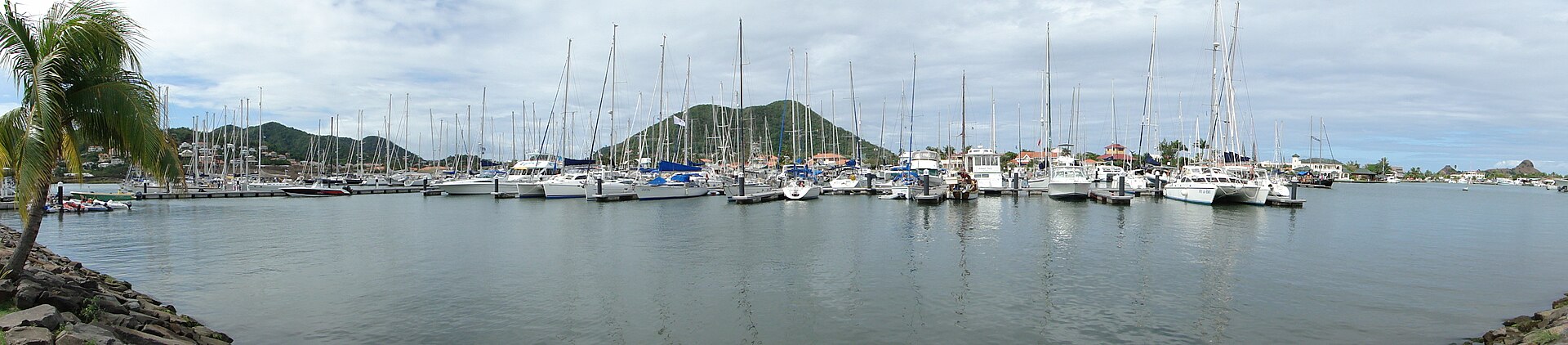
It works for an experienced angler after a trophy and just as well for a first-timer who wants a day at sea with some excitement. The crew set the lines, explain the techniques and help when something big takes the bait. The Rodney Bay marina is the main base in the north, and the whole coast is within easy reach from the water.
What you might catch
The headline species are blue marlin, sailfish, yellowfin tuna and mahi-mahi. Wahoo and kingfish also turn up, and barracuda patrol the reef drop-offs closer to shore. Marlin and sailfish are the powerful, elusive fish that anglers travel for, tuna fight hard and fast, and mahi-mahi are bright, acrobatic and good eating.
- Blue marlin: powerful and elusive in deep offshore currents.
- Yellowfin tuna: fast, strong and known for a long fight.
- Mahi-mahi: colourful, often found around floating weed lines.
- Sailfish: distinctive sail fin and fast, spectacular runs.
- Kingfish and barracuda: steady action near reefs and drop-offs.
When to go
Fishing is possible all year, but the species vary with the season. The late autumn months are generally the best period for marlin and sailfish. Around the turn of the year there are better chances for mahi-mahi and wahoo, while tuna and kingfish stay active in local waters for much of the year. Ask the captain what has been biting in the days before your trip, as that tells you more than any calendar.
Calmer seas are typical in the drier months, which our best time to visit guide explains. Rough weather can lead to a cancelled or shortened trip, so keep some flexibility in your plans.
On the boat
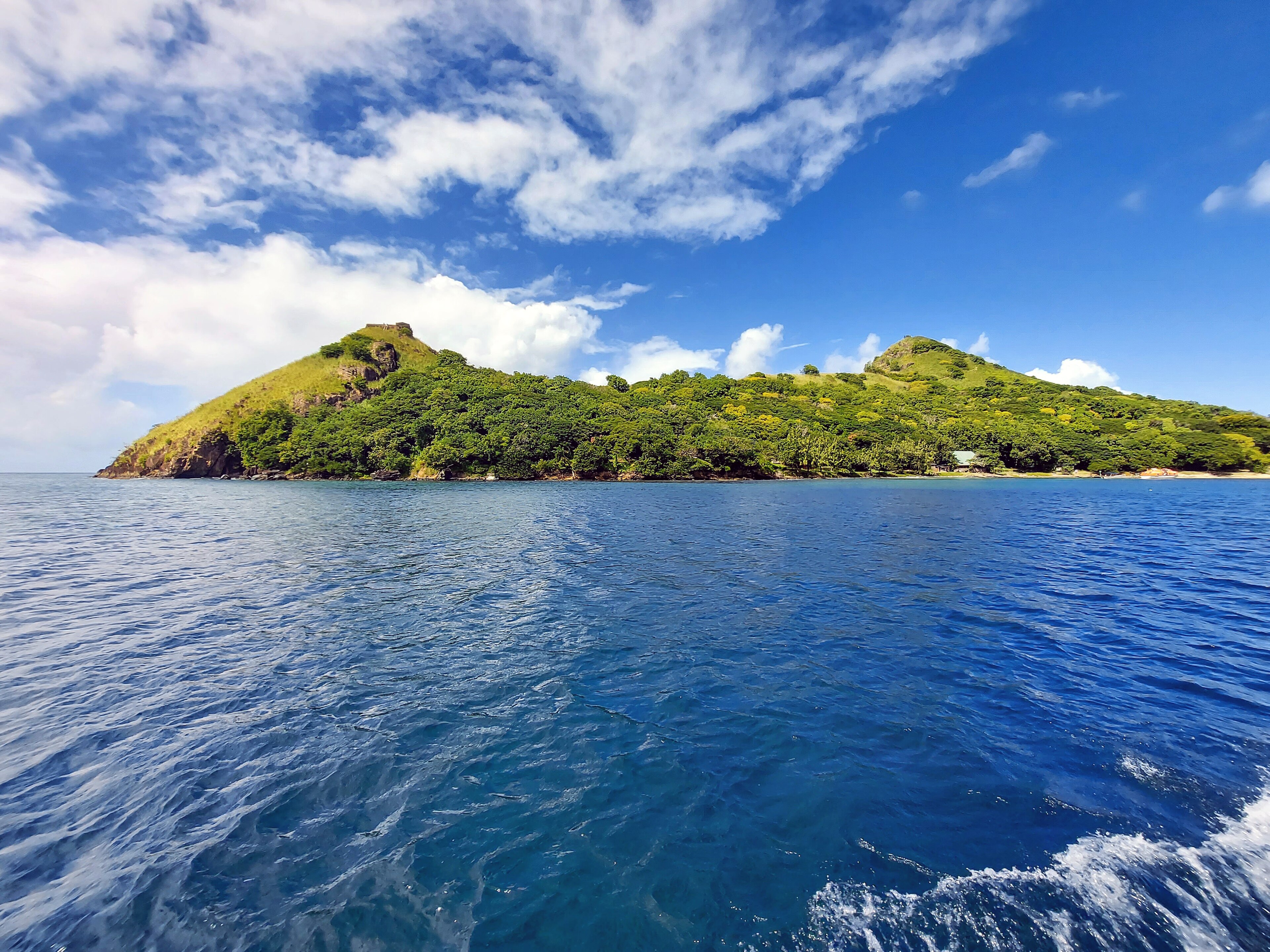
Expect professional tackle prepared for offshore conditions, light refreshments and local snacks, and a crew who talk you through each stage, from setting the lines to reading the sea. The pace swings between long quiet stretches and sudden bursts of action. When you are out far enough, the Pitons stand clear on the southern horizon, a view worth pausing for.
Sailing and fishing often go together here. On a day sail, lines can be trailed behind the boat between anchorages, as described in our sailing and boat trips guide. Near the marine reserves around Soufrière, fishing is limited or restricted in certain zones, so follow local guidance and let the captain choose where to fish.
Safety and responsible fishing
Licensed operators give a safety briefing, supply approved life jackets, watch weather and swell closely before every departure, and keep a respectful distance from whales and dolphins they meet. Billfish are caught and released as standard practice, which keeps these waters productive for future anglers. Follow the captain's instructions at all times, wear sun protection and drink plenty of water. If you want to see those animals properly, our guide to whale and dolphin watching explains how that works.
Fitting a fishing day into your stay
Most trips set off early, so plan a quiet evening before and a slow afternoon afterwards. Bring a hat, sunglasses, sun cream, a light long-sleeved layer and anything you need for motion sickness. If you catch something edible and want it cooked, ask your hotel or a local restaurant, and our food and rum guide lists what else to try. Anglers who enjoy competition may like the international tournament at the Rodney Bay marina, covered in our sea tours guide. For a day on land afterwards, see land tours.
What is a deep sea fishing day in Saint Lucia like?
A deep sea fishing day in Saint Lucia means leaving a west coast marina early with a licensed crew, trolling offshore for blue marlin, sailfish, tuna and mahi-mahi, and returning in the afternoon, with the Pitons often in view from the water. The crew handle the tackle and the technique, so you do not need experience, only patience and a willingness to hold on when something bites. Early starts are the norm, as fish feed best in the cooler hours. Expect to meet at the marina at first light, to be offered breakfast or coffee and to spend the first stretch of the trip heading out to the grounds. Seat yourself where the boat is steadiest and enjoy the sunrise.
The rhythm of the day is distinctive. There are long, quiet stretches when the boat trolls and conversation drifts, then sudden bursts of action when a line sings out and everyone moves at once. Crews prepare professional tackle, serve light refreshments and local snacks, and talk you through each stage, from setting the lines to reading the water. Marlin are associated with deep offshore currents, mahi-mahi with floating weed lines, and kingfish and barracuda with the reef drop-offs closer to the coast. Patience is the great virtue of this sport. Some days a bite comes within minutes, and on others the lines stay quiet for hours. Experienced crews keep spirits high with stories and snacks, and a good captain will move to new water when the fishing is slow, always guided by the sea and the weather.
Fishing here is practised with care for the sea. Licensed operators carry approved life jackets, brief guests before departure, check weather and swell each morning and keep a regulated distance from whales and dolphins. Billfish are released as standard practice, which keeps the fishery healthy. Bring sun protection, a hat, polarised sunglasses and a layer for the breeze, and take advice about motion sickness if you are prone to it. Safety comes first on the water. Listen to the briefing, keep hands clear of lines and reels, and move around the deck carefully when the boat is rolling. Tell the crew if you feel unwell, and sit in the fresh air near the stern. Most guests feel better quickly with a little rest.
Where does the best big game fishing happen around Saint Lucia?
The best big game fishing around Saint Lucia is for blue marlin off the south coast and the Soufrière side, where boats work a few miles out over deep water, while the north coast and the channel towards Martinique also hold fish. Marlin Magazine has described the island as one of the Caribbean's best-kept secrets for blue marlin, and visiting tournament boats base themselves at Soufrière to reach the southern grounds. Rodney Bay Marina is the island's largest, and the waterfront has places to eat before or after a trip. It is worth strolling the docks the day before to see the boats and talk to captains. Choose a vessel that suits the size of your group.
Most visitors will start from IGY Rodney Bay Marina in the north, the island's largest marina, or from Marigot Bay Yacht Haven on the west coast. There are no marina facilities further south, so boats refuel and provision at Rodney Bay or Marigot Bay. If you are staying in the north, a trip from the marina is the easiest option, and our Rodney Bay guide explains the waterfront, the restaurants and the boats that come and go. For anglers who want a more adventurous trip, a charter that heads further offshore may be possible, though it takes more time and depends on conditions. Discuss your aims openly with the captain, so that expectations match what the sea can provide. A good operator will be honest about the odds.
An annual international billfish tournament is held around late September or early October, which gives a sense of the best period for serious anglers. Casual visitors do not need to time a trip around it, but the festival atmosphere around the marina can be fun. Stay flexible about dates, as rough weather can shorten or cancel a trip, and talk to your captain about the species likely in the month you travel. Visitors who are interested in the sport's competitive side may enjoy the atmosphere at the marina during tournament time. Teams from around the Caribbean arrive, boats are polished and the dockside buzzes with talk of fish and weather. It is not necessary to take part to enjoy the spectacle from the quayside.
How do you fit a fishing charter into a Saint Lucia holiday?
To fit a fishing charter into a Saint Lucia holiday, book a half or full day early in your stay so there is time to rebook if the weather turns, choose a departure port close to your hotel and plan a quiet evening before the early start. It suits keen anglers, groups of friends and adventurous couples more than young children or anyone who dislikes time at sea. Choose your day with the sea in mind. Calmer weather makes fishing more comfortable, and a flexible schedule allows you to rebook if the swell is up. Charter operators are used to adjusting plans, and they would rather postpone than risk a poor trip. That honesty is a sign of a reliable crew.
The fishing day combines well with other sea activities. Our whale and dolphin watching guide explains how boats behave around marine mammals, and the catamaran and sunset cruises guide describes a gentler day on the same water. If you want to know what lives beneath the surface, the diving and snorkelling guide covers the reefs, and the water adventures guide lists more activities. A fishing day can be a family event. Older children often love the excitement, and the crew will gladly let them hold a rod. Make sure everyone wears a life jacket, a hat and plenty of sun cream. Younger children may prefer a shorter trip, so ask what options are available.
If you catch an edible fish and want it cooked, ask your hotel or a local restaurant whether they will prepare it for dinner. Many do, and eating your own catch is one of the simple pleasures of a fishing holiday. For the wider picture of food on the island, see our food and rum guide, and check the best time to visit guide to match your dates with calmer seas. Back on land, a cold drink and a meal feel very well earned. The simplest preparation is usually the best, with just salt, lime and a hot grill, and the crew can tell you how to handle your catch so it stays fresh until dinner.
The sea you are fishing
Fishing is easier to appreciate with a sense of the ocean around the island. The marine life and coral reefs guide describes the waters, and conservation and protected areas explains why care for the sea matters.
The economy page shows the place of fishing in local life, and climate and hurricanes helps you pick suitable weather.
Where to stay and how to plan
Most visitors fit this into holidays to St Lucia, so choose your base first. Compare St Lucia hotels by area and style, and read our guides to luxury hotels in St Lucia and all inclusive resorts in St Lucia if you are choosing between a boutique stay and an all in package.
Then set your dates with the best time to visit St Lucia, book flights to St Lucia and pick days out from our St Lucia itineraries. Couples can also read about a honeymoon in St Lucia or weddings in St Lucia.
Questions travellers ask
Do I need fishing experience?
No. Crews guide beginners through every step, from setting the lines to bringing a fish to the boat.
What fish can I catch off Saint Lucia?
Blue marlin, sailfish, yellowfin tuna, mahi-mahi, wahoo, kingfish and barracuda are all possible, depending on the season.
When is the best time for marlin?
The late autumn months are generally the best for marlin and sailfish. Ask the captain about recent catches before you book.
Is billfish catch and release?
Yes, responsible operators practise catch and release for all billfish species to protect stocks for the future.
Where do fishing trips leave from?
Many leave from Rodney Bay marina in the north, with other departures along the west coast. Confirm your meeting point when booking.
What should I bring?
Sun protection, a hat, sunglasses, a light layer, water and seasickness remedies if you need them. Ask whether food and drink are provided.
Can I fish near the Pitons?
Marine reserves around Soufrière restrict fishing in certain zones, so your captain will choose areas that follow local guidelines.
What if the weather is bad?
Operators check weather and swell before every departure and may reschedule or shorten a trip if conditions are unsafe.
Do you need experience for deep sea fishing in Saint Lucia?
No, you do not need experience. Crews set the lines, explain the technique and help when a fish bites, so beginners can enjoy a day on the water as much as seasoned anglers.
Where do fishing trips leave from in Saint Lucia?
Many leave from IGY Rodney Bay Marina in the north or from Marigot Bay Yacht Haven on the west coast. There are no marina facilities further south, so check pick-up arrangements when you book.
Is billfish fishing catch and release in Saint Lucia?
Yes, billfish are released as standard practice with responsible operators. Crews also keep a regulated distance from whales and dolphins and check weather and swell before every departure.
Rodney Bay on the map
Rodney Bay is around 14.0748 degrees north, 60.9527 degrees west. Map data from OpenStreetMap contributors.
Ask Lucy about Deep sea fishing
Ask about places to stay, things to do, the weather or getting here.
Keep exploring Saint Lucia
Looking for the industry view? Visit St Lucia on VisitTravelGroup.com covers the destination for travellers and the tourism trade.
More from the Visit Travel Group network: VisitTravelGroup.com, Benidorm.co.uk, Anguilla.co.uk, TheRedSea.co.uk.