About Saint Lucia
The Economy of Saint Lucia: Tourism, Trade and Investment
Saint Lucia has moved from a one-crop banana economy to a service economy built on tourism, and the story of that shift explains much of what you see on the island today.
From bananas to tourism: the big picture
For much of the late twentieth century, Saint Lucia was a banana island. Fruit sent to Britain and Europe paid for roads, schools and a way of life in countless villages. Today, tourism is the main source of jobs, income and foreign exchange, while farming contributes only a small share of national output. The island is classed as a small island developing state, which means its economy is open, undiversified and exposed to shocks, from hurricanes to changes in airline capacity.
That shift happened over a generation. The European trade preferences that protected Caribbean bananas were challenged and reduced from the 1990s, competition from large Latin American plantations grew, and farmers gradually moved into other work. Hotels, restaurants, tour operators, taxis and craft markets took up the slack. If you stay in a resort, eat at a beach bar or take a boat trip, you are taking part in the new economy. Our guide to agriculture and bananas looks at what remains of the old one.
For the history behind the change, read independence and modern history, which explains how post-colonial governments tried to broaden the economic base.
Tourism and services
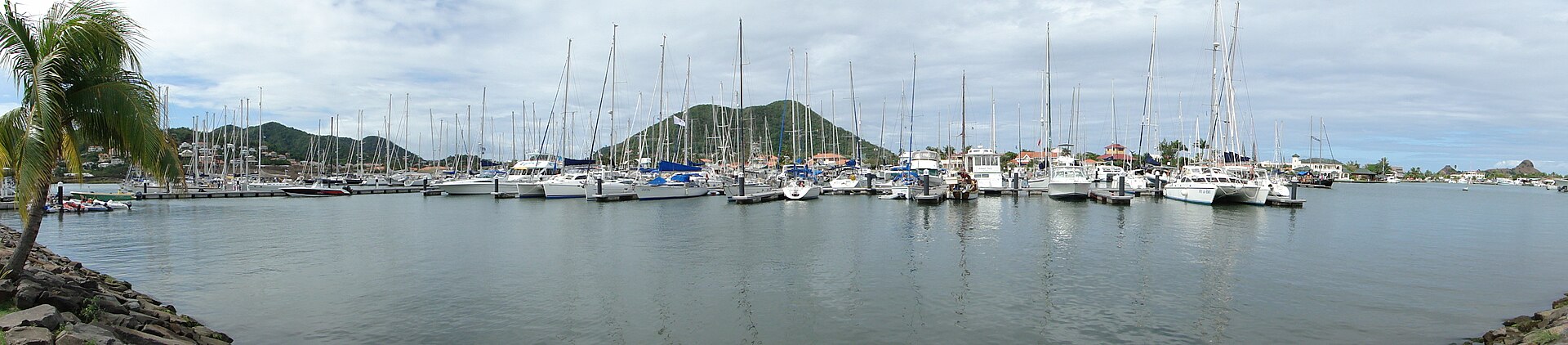
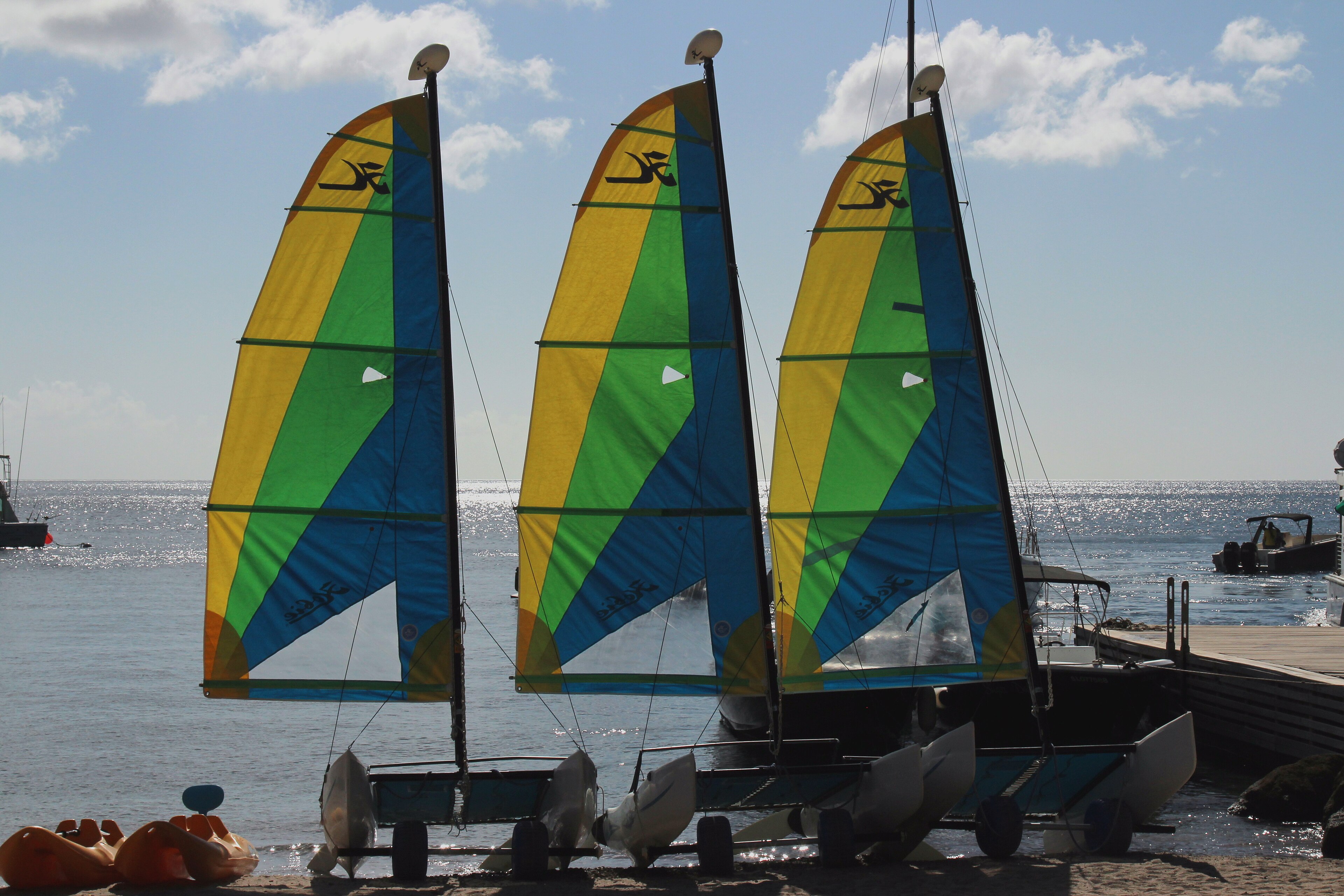
Tourism is the engine. Stay-over visitors fly into Hewanorra and fill hotels, villas and guest houses, while cruise passengers arrive at Castries in the season from autumn to spring. The north of the island around Rodney Bay and Gros Islet has the most hotels, and the south and west coasts have a growing number of smaller, high-end properties around Soufrière and the Pitons. Browse where to stay to see the range, from all-inclusive resorts to boutique villas.
The industry supports thousands of workers directly and indirectly: hotel staff, guides, boat captains, chefs, dive instructors, farmers who supply restaurants and artisans who sell in the markets. It also supports a wide range of services, from banking and insurance to construction, distribution and education. When tourism slows, as it did during the pandemic, the whole economy feels it. After the pandemic closures, growth rebounded very sharply, with the International Monetary Fund recording expansion of 11.3 per cent in 2021 and 20.6 per cent in 2022 as visitors returned.
The industry is not free of challenges. The IMF noted that tourism moderated in 2025 because of temporary hotel closures and reduced airline capacity, and that stay-over arrivals fell by 3.2 per cent year on year in the first nine months of that year. A rebound was expected in 2026. If you want ideas on how to spend wisely and keep money in local hands, see our guides to shopping local and community tourism.
Bananas, farming and fishing
Agriculture accounted for around 2 per cent of national output in 2021 and about 8 per cent of jobs on the figures published that year, a remarkable fall from its dominance in the 1980s and 1990s. Bananas remain the best-known crop, but they sit alongside coconuts, cocoa, mangoes, avocados, citrus, vegetables and root crops such as yams and sweet potatoes. Most farms are small, typically a few acres, and much of the produce goes to local markets and hotels.
Fishing remains important to coastal villages such as Dennery, Anse la Raye and Laborie, where boats bring in tuna, mahi-mahi and other species. A visit to a fish market or a village fish fry is a good way to see that part of the economy at work, and our farm to table tastings and street food guides show where to taste the results.
Manufacturing, rum and the offshore sector
The island's manufacturing base is small but relatively varied by Eastern Caribbean standards. Local firms produce rum, beer, bottled drinks, packaging, plastics, garments, coconut products and food items, and some of the goods are exported across the region. Saint Lucia Distillers makes some of the Caribbean's best-known rums, and a tour is one of the most enjoyable ways to see manufacturing at work. See rum and local distilleries for options.
Saint Lucia also developed an offshore financial services sector from the late 1990s, as part of efforts to diversify. The International Business Companies Act took effect in 2001, an international trusts law followed in 2002, and licensed banks, trust companies and registered agents operate under a regulator. In response to global tax transparency standards, the island adopted an economic substance law in 2019, and in 2021 it was removed from the European Union's list of non-cooperative tax jurisdictions. The sector is small in employment terms, but it adds to the island's professional services.
Citizenship by investment and property
Since 2015, Saint Lucia has offered citizenship by investment, a programme in which foreign applicants who pass due diligence can contribute to the economy by making an approved contribution or investment. It has become an important source of revenue, though it has also attracted international scrutiny and was a topic in the 2025 election campaign. The IMF's latest review recommended stronger governance and transparency, and noted that the government had approved the island's first sovereign wealth fund, financed by proceeds of the programme, along with a new regulatory body to strengthen investor screening.
Our citizenship by investment guide explains the routes in plain English, and the incentives and tax guide sets out the concessions available to hoteliers and other investors. Many investors begin by looking at property, so read our property guide and why invest guide alongside the main invest hub. Always take independent legal advice before committing money.
Money: the Eastern Caribbean dollar
Saint Lucia uses the Eastern Caribbean dollar, shortened to EC$, which is shared by eight territories and issued by the Eastern Caribbean Central Bank. It has been pegged to the United States dollar since 1976 at a rate of US$1 to EC$2.70, and that stability is a major reason the currency is trusted by investors and visitors alike. US dollars are widely accepted in tourist areas, but you will generally get better value paying in local currency in markets and on minibuses.
Because the peg ties the island to American monetary conditions, Saint Lucia has little room to use exchange rates or interest rates as policy tools. It relies instead on fiscal discipline, regional cooperation and prudent borrowing. For tips on cash, cards and gratuities, our money and tipping guide is the place to start.
Debt, growth and the latest figures
The International Monetary Fund's 2025 consultation, published in January 2026, offers the most recent detailed snapshot. It put real growth at 4.7 per cent in 2024 and projected 1.7 per cent for 2025 and 2.3 per cent for 2026. Inflation was low, with consumer prices falling by 0.5 per cent in 2024 on average. Public sector debt stood at 76.7 per cent of national output in 2024, with a projection of 77.2 per cent for 2025, which is above the regional target of 60 per cent, and the Fund expects debt to hold steady near 77 per cent unless policies change.
Banks were described as well capitalised and highly liquid, though non-performing loans remain elevated and commercial property lending needs watching. The Fund also highlighted the need for climate adaptation, noting that the island has arranged contingent finance with the World Bank to help it recover quickly from natural disasters. Hurricanes and tropical storms are a constant risk, and our guide to the best time to visit explains the seasons.
Energy is another challenge. Electricity is generated mainly from imported diesel at a single power station at Cul de Sac, near Castries, although a three-megawatt solar farm at Vieux Fort has operated since 2018 and further renewable projects have been discussed for years. High fuel costs feed into hotel and household bills, which is one reason the government and utility have promoted an energy transition. The infrastructure side of the story is covered in transport and infrastructure.
Questions travellers ask
What is the main industry in Saint Lucia?
Tourism is the main industry and the biggest source of jobs, income and foreign exchange. Hotels, restaurants, tour operators, cruise services and supporting trades employ thousands of people across the island.
Does Saint Lucia still export bananas?
Yes, but on a much smaller scale than in the 1980s and 1990s. Bananas are still grown and exported, mostly to nearby Caribbean markets, while farmers have also moved into cocoa, mangoes, avocados and vegetables.
What currency does Saint Lucia use?
Saint Lucia uses the Eastern Caribbean dollar, which has been pegged to the US dollar since 1976 at US$1 to EC$2.70. US dollars are widely accepted in tourist areas, but local currency gives better value in markets and on buses.
How big is Saint Lucia's public debt?
The IMF reported public sector debt of 76.7 per cent of national output in 2024 and projected 77.2 per cent for 2025, above the regional target of 60 per cent. It expects the ratio to stay near 77 per cent without policy change.
How fast is the economy growing?
The IMF recorded growth of 4.7 per cent in 2024 and projected 1.7 per cent for 2025 and 2.3 per cent for 2026. Growth slowed in 2025 as hotel closures and reduced airline capacity weighed on tourism.
Does Saint Lucia have a citizenship by investment programme?
Yes. Saint Lucia has offered citizenship by investment since 2015. Applicants make an approved contribution or investment and pass due diligence, and proceeds are being directed to a new sovereign wealth fund. See our invest guide for details.
Is Saint Lucia an offshore financial centre?
It has a small offshore sector, which began in the late 1990s with international business company, trust and banking laws. The island adopted an economic substance law in 2019 and left the EU list of non-cooperative tax jurisdictions in 2021.
Where does Saint Lucia get its electricity?
Most electricity comes from imported diesel burned at the Cul de Sac power station near Castries. A three-megawatt solar farm at Vieux Fort has operated since 2018, and the government has promoted a wider energy transition.
Can visitors see how the economy works on holiday?
Yes. You can tour a banana farm or cocoa estate, visit a rum distillery, watch fishing boats land their catch and shop in craft markets, all of which show how tourism now sits alongside farming and small manufacturing.
Saint Lucia on the map
Saint Lucia lies in the Windward Islands of the eastern Caribbean, around 13.8830 degrees north, 60.9670 degrees west. Map data from OpenStreetMap contributors.
Ask Lucy about Economy of Saint Lucia
Ask about places to stay, things to do, the weather or getting here.
Keep exploring Saint Lucia
Looking for the industry view? Visit St Lucia on VisitTravelGroup.com covers the destination for travellers and the tourism trade.
More from the Visit Travel Group network: VisitTravelGroup.com, Benidorm.co.uk, Anguilla.co.uk, TheRedSea.co.uk.