About Saint Lucia
Independence and Modern History in Saint Lucia
Saint Lucia's modern story is one of steady, mostly peaceful progress: votes for all, a short lived federation, self-government, independence in 1979, a banana boom and bust, and a transformation into one of the Caribbean's most admired destinations.
Towards self-government
For most of the nineteenth century Saint Lucia was governed from outside, as a British colony within the Windward Islands group. Change came slowly. A constitution in 1924 introduced the first form of representative government, with a minority of elected members in a council that had previously been wholly nominated. Universal adult suffrage followed in 1951, giving every adult a vote for the first time, and ministerial government began in 1956.
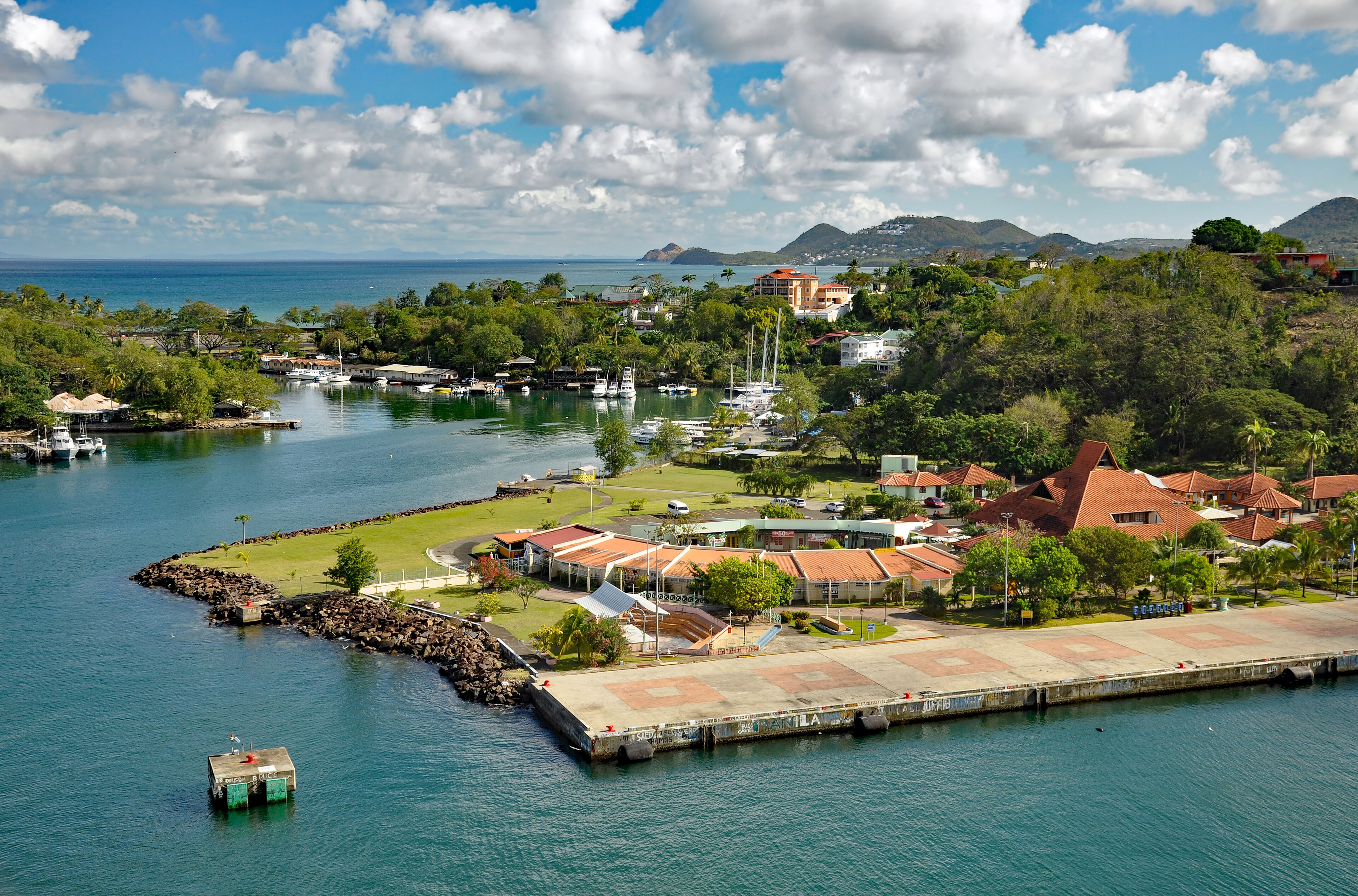
The Second World War brought the wider world to the island. The United States took British bases in the Caribbean in 1940 in exchange for destroyers, and a US naval air station was built at Reduit in 1941. German submarines operated in Caribbean waters, and on 9 March 1942 a U-boat attacked Castries harbour and sank two British ships. Pigeon Island served as a communications station, as you can discover in our guide to Pigeon Island. For the colonial background, see French and British rule.
The West Indies Federation
In the 1950s, Britain encouraged its Caribbean colonies to unite and move towards independence together. The West Indies Federation was created on 3 January 1958, with its capital in Port of Spain, and Saint Lucia was one of the members. The federation lasted only until 31 May 1962, undone by political disagreements and the decision of Jamaica to withdraw after a referendum.
A smaller federation was discussed for the Eastern Caribbean, but that effort failed too. The experience was not wasted. It trained a generation of politicians, strengthened regional ties and left a lasting habit of cooperation that survives in bodies such as CARICOM and the Organisation of Eastern Caribbean States. Our page on government and politics explains how those links work today.
Associated statehood in 1967
After the federation collapsed, Britain and six smaller Eastern Caribbean territories devised a new arrangement known as associated statehood. On 1 March 1967 Saint Lucia became an associated state of the United Kingdom. It gained full responsibility for its internal affairs, while Britain kept responsibility for foreign affairs and defence. It was a staging post, a way to practise self-government before the final step.
John Compton, who had founded the United Workers Party in 1964, led the island as Chief Minister and then as Premier through this stage. He was an outspoken negotiator, and records of the constitutional conference of 1966 show him criticising the British government sharply. Under his leadership the island prepared for a full break with the colonial past while keeping its place in the Commonwealth.
Independence on 22 February 1979
After the United Workers Party won the 1974 election, Compton pressed for talks that led to independence. Saint Lucia became fully independent on 22 February 1979, with Compton as its first prime minister. The change was achieved peacefully, and the island kept the monarch as head of state, represented locally by a governor general, as a member of the Commonwealth. The King today is Charles III. Independence Day is a public holiday, and our guide to national symbols and holidays lists the other national dates, including National Day on 13 December.
The political tide turned almost at once. A few months later the Saint Lucia Labour Party under Allan Louisy won an election, and Compton moved into opposition. The Labour government soon fell into instability, and the United Workers Party returned to power in the election of November 1982. Independence year was also a proud one for another reason, because Saint Lucian economist Sir Arthur Lewis won the Nobel Prize for economics in 1979, and in 1992 the poet Derek Walcott won the Nobel Prize for literature. You can read about both men in literature and Nobel laureates.
The banana years
Agriculture dominated the economy during the middle of the twentieth century. By 1957 bananas had overtaken sugar as the main export crop, and they came to dominate rural life. Under Compton's second long period in office, from 1982 to 1996, banana exports rose strongly and became the nation's main source of revenue. Small farmers could earn a regular living, and villages in the south and east built homes and schools from the proceeds. Hurricane Allen struck in 1980 and damaged infrastructure, but the island recovered.
The good times did not last. Trade preferences in the European market were reduced and growers in Latin America could produce more cheaply, so the industry entered a long decline. By 2018 the island exported around 13,700 tonnes, far below its peak. The government encouraged farmers to diversify into crops such as cocoa, mangoes and avocados, and tourism became the largest earner. Our pages on agriculture and bananas and the economy of Saint Lucia follow the story in more detail.
From the 1990s to the present
John Compton retired in 1996 and handed over to Vaughan Lewis. In 1997 the Labour Party returned under Kenny Anthony, whose governments encouraged the shift from agriculture to tourism and services. The attacks of 11 September 2001 slowed visitor numbers, the global recession followed later in the decade, and Hurricane Tomas in 2010 caused heavy damage. Our guide to climate and hurricanes explains the weather risks and how the island prepares.
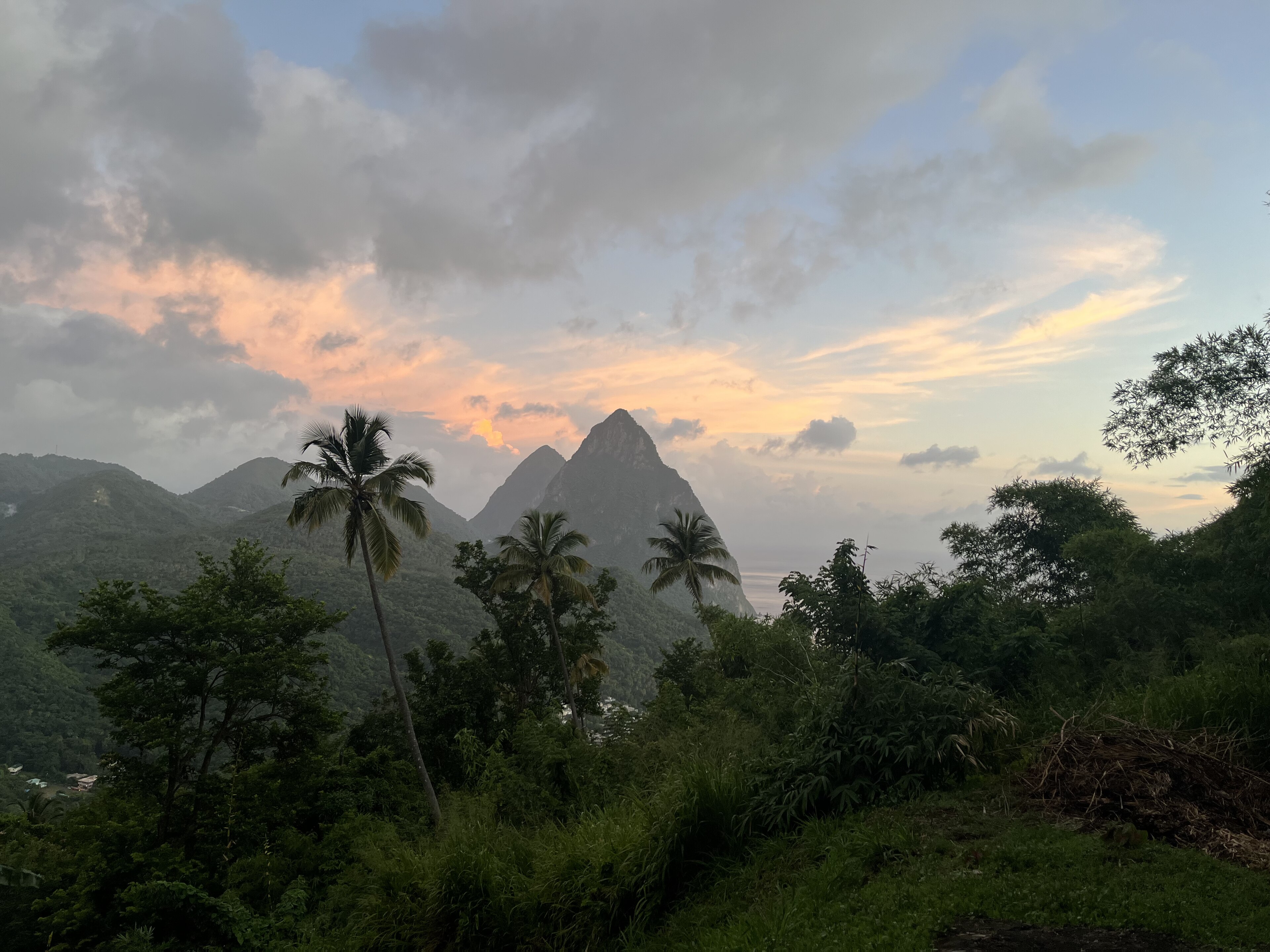
Compton came back in 2006 at the age of eighty, led the United Workers Party to victory and was sworn in once more. He fell ill in 2007 and died on 7 September that year. Later elections swung between the two main parties, with the United Workers Party under Allen Chastanet winning in 2016 and the Saint Lucia Labour Party under Philip J Pierre winning in 2021 and keeping its majority in 2025. A landmark of this period was the 2004 inscription of the Pitons Management Area as a UNESCO World Heritage Site, a milestone that boosted the island's international profile, as our guide to the Pitons explains.
Key milestones at a glance
A timeline helps to hold the modern story together. The dates below are the ones that Saint Lucians themselves return to when they talk about how the nation took shape, and each of them marks a step away from outside control and towards a country that makes its own decisions. None of the steps was violent on the scale of the island's earlier past, and that quiet, constitutional path is something many Saint Lucians take real pride in.
You do not need to memorise any of it to enjoy a holiday here, but knowing the outline makes the island richer. When you see the national flag, hear a speech on Independence Day or pass the buildings of government in Castries, you are looking at the outcome of this sequence. Our page on slavery and emancipation explains the older struggle that made these later steps possible.
- 1924: first representative government, with a minority of elected members.
- 1951: universal adult suffrage.
- 1956: ministerial government introduced.
- 1958 to 1962: membership of the West Indies Federation.
- 1 March 1967: associated statehood with the United Kingdom.
- 22 February 1979: independence, with John Compton as first prime minister.
- 1982 to 1996: Compton's long second period in office and the peak of the banana trade.
- 2004: the Pitons Management Area becomes a UNESCO World Heritage Site.
- 2016 and 2021: changes of government between the two main parties, with the Labour Party keeping its majority in 2025.
Saint Lucia today
Modern Saint Lucia is a parliamentary democracy with an economy built on tourism, services and some agriculture. Hotels and villas line the north around Rodney Bay and Gros Islet, while the south around Soufrière trades on the Pitons and its rainforest. The island has also opened itself to investment, from property to citizenship programmes, which our guides to why invest and citizenship by investment explain.
Despite change, the island keeps its character. Kwéyòl is still heard in the markets, festivals fill the calendar, and families gather for fish fries on Friday nights. Our overview of the whole story is in the history of Saint Lucia, and if you want to see living culture, the festivals and events page lists the best times to join in. Read our best time to visit guide to choose your dates, then plan your route with the iconic Saint Lucia itinerary.
Questions travellers ask
When did Saint Lucia gain independence?
Saint Lucia became independent on 22 February 1979. The change was peaceful, and the island joined the Commonwealth as a realm, with the British monarch as head of state, represented by a governor general.
Who was Saint Lucia's first prime minister?
Sir John Compton of the United Workers Party was the first prime minister. He served briefly in 1979, again from 1982 to 1996, and from 2006 until his death in September 2007.
What was the West Indies Federation?
It was a union of British Caribbean territories that existed from 3 January 1958 to 31 May 1962. Saint Lucia was a member, and the federation collapsed after Jamaica chose to withdraw.
What does associated statehood mean?
Associated statehood, which Saint Lucia entered on 1 March 1967, gave the island full control of internal affairs while Britain kept responsibility for foreign affairs and defence, until independence in 1979.
When did Saint Lucians get the vote?
Universal adult suffrage was introduced in 1951. A constitution in 1924 had earlier given a limited form of representative government with a minority of elected members on the legislative council.
Why did the banana industry decline?
Reduced European trade preferences and competition from cheaper Latin American producers weakened Saint Lucia's banana trade. Exports were around 13,700 tonnes in 2018, and farmers have turned to other crops.
Which Saint Lucians have won Nobel Prizes?
Sir Arthur Lewis won the Nobel Prize for economics in 1979, and the poet Derek Walcott won the Nobel Prize for literature in 1992. Both are celebrated across the island.
When were the Pitons made a World Heritage Site?
The Pitons Management Area was inscribed by UNESCO as a World Heritage Site in 2004. The twin volcanic spires near Soufrière remain the island's best known landmark.
Is Saint Lucia still part of the Commonwealth?
Yes. Saint Lucia is a Commonwealth realm with King Charles III as head of state, and it also belongs to CARICOM and the Organisation of Eastern Caribbean States.
Castries on the map
Castries is around 14.0096 degrees north, 60.9902 degrees west. Map data from OpenStreetMap contributors.
Ask Lucy about Independence and modern history
Ask about places to stay, things to do, the weather or getting here.
Keep exploring Saint Lucia
Looking for the industry view? Visit St Lucia on VisitTravelGroup.com covers the destination for travellers and the tourism trade.
More from the Visit Travel Group network: VisitTravelGroup.com, Benidorm.co.uk, Anguilla.co.uk, TheRedSea.co.uk.