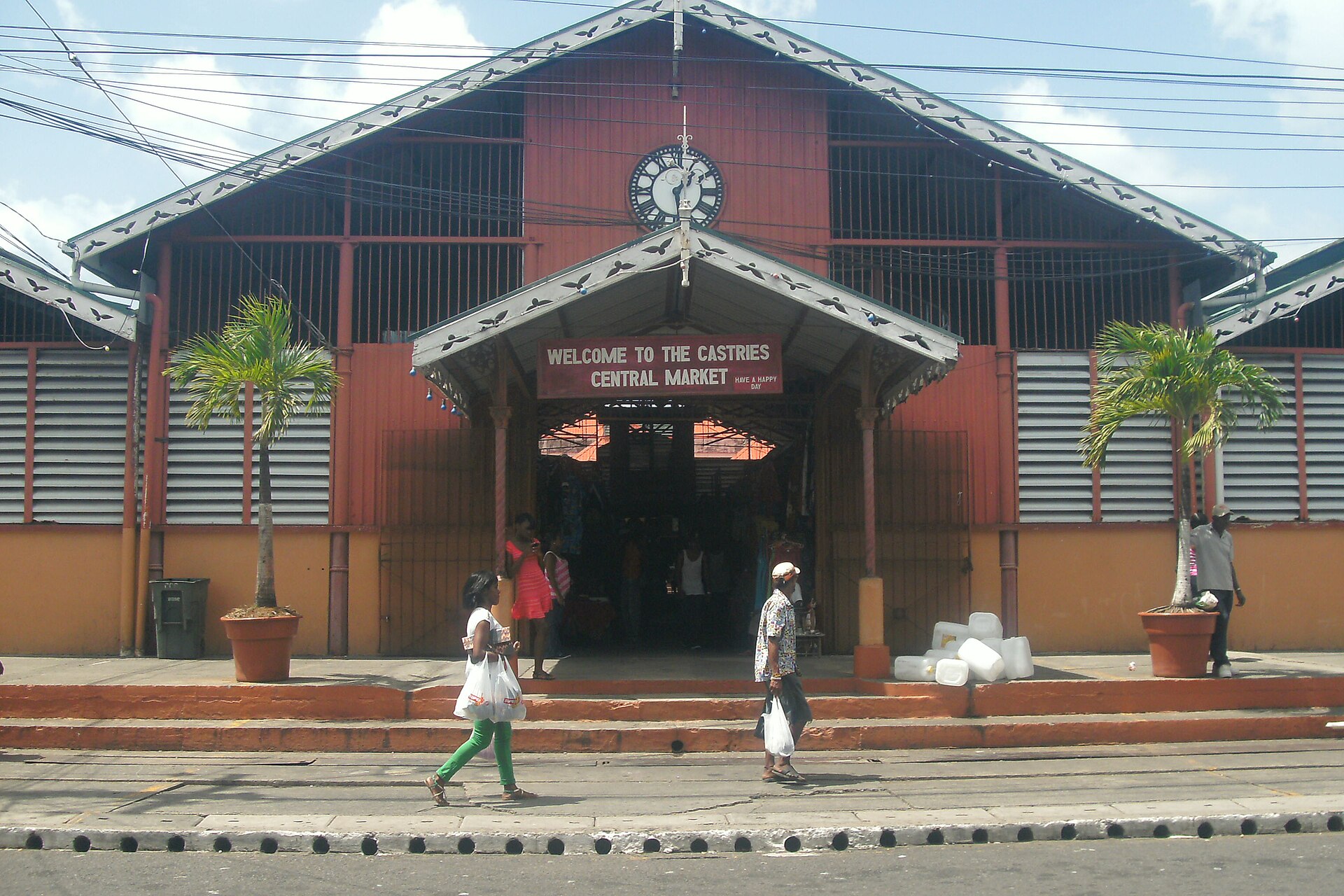
About Saint Lucia
The People of Saint Lucia: Population, Ancestry and Community Life
Saint Lucia is a small island with a big personality, and the people are the reason most visitors remember it. Here is who lives there, where they live and how to meet them well.
How many people live in Saint Lucia
The most recent full count is the 2022 Population and Housing Census, run by the island's Central Statistical Office. Its provisional results put the population at 172,948, up from 166,526 at the 2010 census. That is growth of about 3.9 per cent over twelve years, which is slow by Caribbean standards and noticeably slower than the 5 per cent recorded in the previous period. A later estimate for mid 2023 was a little higher, at around 184,000, but the census figure is the one to trust for detailed comparisons, because estimates use different methods.
The census was also the first in the region to use tablets and computer assisted interviews rather than paper forms, which is a small reminder that this is a modern, connected country, not a sleepy backwater. For a broader sense of how the island fits together, our geography guide explains the mountains, coastline and valleys that shape where people settle.
- 2022 census (provisional): 172,948 residents.
- 2010 census: 166,526 residents.
- Average household size in 2022: 2.6 people, down from 2.8 in 2010.
- Slightly more women than men: about 97 men for every 100 women in 2022.
Density, towns and the urban and rural split
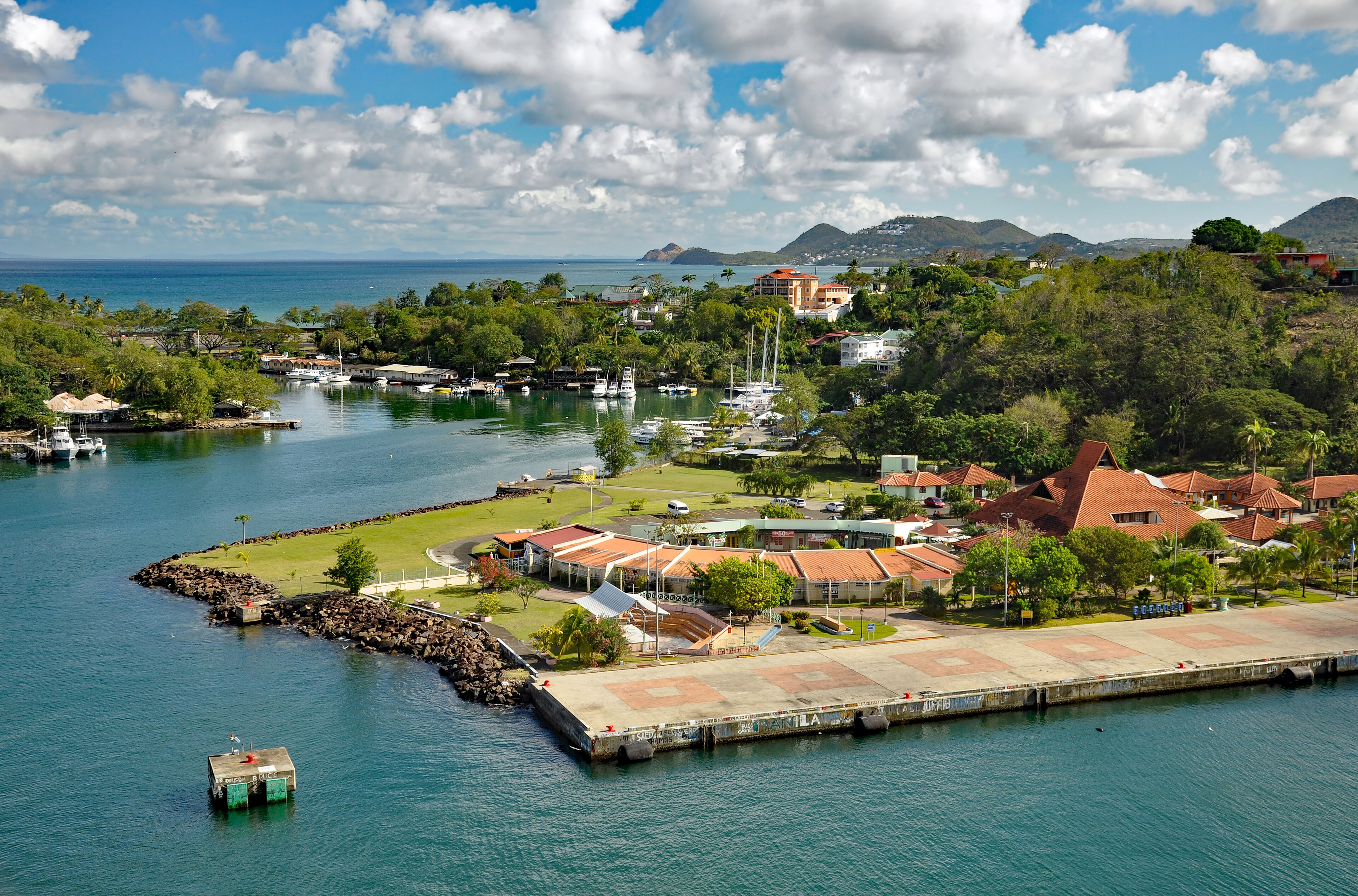
The island covers about 617 square kilometres of land, which works out at roughly 280 people per square kilometre in 2022 (the census reports it as 721 per square mile). That sounds crowded, and the coast certainly is busy, but a large part of the interior is forest reserve, so people are concentrated in the lower ground and along the shoreline.
Castries is by far the biggest district, with about 35 per cent of the population in 2022, though its share has fallen as people have moved north. Gros Islet district, which includes Rodney Bay, grew by almost 19 per cent between 2010 and 2022 to about 29,950 people and is now the second largest. Vieux Fort in the south is also gaining prominence thanks to the airport and local development. At the quiet end of the scale, Canaries has the smallest population at around 1.3 per cent of the island, and Anse La Raye and Soufrière have seen their numbers dip.
Commonly cited figures describe the island as split roughly evenly between urban and rural living, though the line is blurred, because even the villages tend to be strung along a road with a church, a shop and a rum bar. If you would like to see the contrast for yourself, compare the bustle of Castries with the slower pace of Choiseul or Laborie. Our districts and towns guide covers every district in turn.
Ancestry and ethnic groups
The most recent published breakdown by ancestry comes from the 2010 census. It showed that about 85 per cent of Saint Lucians are of African descent, around 11 per cent are of mixed heritage, and about 2 per cent are of East Indian descent. People of European descent make up under 1 per cent, and there is a small Amerindian community and a few families with Chinese or Middle Eastern roots. Ancestry questions were not the focus of the first 2022 release, so treat these as 2010 figures.
Behind the numbers is a layered history. Enslaved Africans were brought to the island to work on French and British plantations, and their descendants shaped the language, food, music and religion that visitors enjoy today. After emancipation, planters recruited indentured workers from India. The first ship, the Palmyra, arrived on 6 May 1859, and about 4,500 people came on thirteen ships before the last arrival in 1893. Many stayed, and today the Indo-Saint Lucian community adds festivals, cooking and family names to the mix. You can read more of this story in our guides to slavery and emancipation and the first peoples of the island.
Words like Carib and Kalinago describe the island's earliest inhabitants, and a small number of residents still identify with Amerindian ancestry. It is also worth remembering that Saint Lucians often describe themselves simply as Saint Lucian, and that a family may include several of these strands.
Age, health and life expectancy
Saint Lucia has an ageing population, as many Caribbean islands do. The 2022 census recorded an age dependency ratio of 44.5, meaning there were about 44 children and older people for every 100 people of working age. That is lower than the 48.6 recorded in 2010 and reflects a falling birth rate and a bulge of working-age adults. The districts with the heaviest share of dependents were Micoud, Soufrière and Choiseul.
Life expectancy at birth was about 71 years in 2021 (around 68 for men and 75 for women), a dip from roughly 73 in 2019 that is largely put down to the pandemic. Women live longer than men, so the older age groups tilt noticeably female. Diabetes and high blood pressure are the most common long-term conditions on the island, and they are especially recorded in Castries and Gros Islet. Our guide to education and health explains the care system in more detail.
Family life and community
Family is the centre of social life. Households are getting smaller, and the census found that about 72 per cent of homes are single detached houses, but the extended family is still close. Grandmothers, aunts and neighbours often share the care of children, and it is normal for several generations to live on the same plot or in the same village. Sunday is traditionally a day for church, a long lunch and visiting relatives.
Village life revolves around the church, the school, the cricket or football pitch and the shop on the corner, and festivals are organised by the community as much as by the state. Fishing communities such as Anse La Raye and Dennery keep a strong community spirit, while the folk societies of La Rose and La Marguerite bring whole districts together each year. Our guide to culture and traditions describes these occasions.
Diaspora and migration
Like many Caribbean countries, Saint Lucia has sent generations of workers and students overseas. There are well established communities of Saint Lucian heritage in the United Kingdom, the United States, Canada and other Caribbean islands, and many families keep strong links through remittances, holidays and returning for Carnival or Independence celebrations. We do not quote an exact diaspora figure here, because counts differ depending on whether they include second and third generations.
For visitors from Britain this connection is often a pleasant surprise. Taxi drivers and hotel staff may have cousins in London, Birmingham or Manchester, and conversations about football, cricket and the weather come easily. The island has also welcomed newcomers, including retirees, investors and workers from neighbouring islands. Our citizenship by investment guide covers one route by which people join the community.
Meeting people respectfully
Courtesy matters. Greet people when you enter a shop, a taxi or a restaurant with a clear good morning or good afternoon, and do so before you ask a question. Skipping the greeting is the quickest way to seem rude. Ask before photographing people, particularly market traders and children, and tip or buy something if you spend time at a stall. Our money and tipping guide has practical advice.
Dress modestly away from the beach. Swimwear in towns, shops and churches is frowned upon, and a cover-up is appreciated. Be patient with the pace, which is slower than in the UK, and avoid raising your voice. Take the time to learn a few words of Kwéyòl, because even a clumsy attempt is met with smiles, as we explain in our guide to languages. If you would like to meet people in a more structured way, look at community tourism and artisan markets, where the money goes straight to local families.
Finally, remember that you are a guest in people's home. Respect for elders, for churches and for local customs is repaid many times over. For wider advice on behaving well, see our responsible travel guide.
- Greet first, then ask.
- Ask permission before taking photographs.
- Cover up away from the beach.
- Buy local and tip fairly.
- Show respect for elders and for places of worship.
Questions travellers ask
What is the population of Saint Lucia?
The 2022 census, still provisional when published in 2024, counted 172,948 residents, compared with 166,526 in 2010. Estimates for later years are slightly higher, at roughly 184,000 for mid 2023.
What ethnic groups live in Saint Lucia?
At the 2010 census about 85 per cent were of African descent, 11 per cent of mixed heritage and 2 per cent East Indian, with small European, Amerindian, Chinese and Middle Eastern communities making up the rest.
Where do most Saint Lucians live?
The largest share, about 35 per cent in 2022, live in the Castries district. Gros Islet in the north is the second biggest and growing fastest, followed by Vieux Fort and Micoud.
How did Indian communities come to Saint Lucia?
After slavery ended, planters brought indentured workers from India. The first ship, the Palmyra, arrived on 6 May 1859, and about 4,500 people came before the last ship in 1893. Many settled permanently.
What is life expectancy in Saint Lucia?
It was about 71 years in 2021, roughly 68 for men and 75 for women. That was lower than the 73 or so recorded in 2019, a fall largely attributed to the pandemic.
Is Saint Lucia densely populated?
Density is about 280 people per square kilometre of land in 2022, but people cluster on the coast and in the north, because much of the interior is steep forest reserve with very few homes.
Are Saint Lucians friendly to tourists?
Generally very. Visitors who greet people politely, ask before taking photographs and dress modestly away from the beach tend to be welcomed warmly, and many locals have family links to the United Kingdom.
How big are families in Saint Lucia?
The average household had 2.6 people in 2022, down from 2.8 in 2010, but extended families remain close and several generations often live near one another or share a plot of land.
Can I meet local people on holiday?
Yes. Markets, village festivals, cooking classes and community tourism projects are the best routes, and they put your money directly into the hands of local families and small businesses.
Saint Lucia on the map
Saint Lucia lies in the Windward Islands of the eastern Caribbean, around 13.8830 degrees north, 60.9670 degrees west. Map data from OpenStreetMap contributors.
Ask Lucy about People and population
Ask about places to stay, things to do, the weather or getting here.
Keep exploring Saint Lucia
Looking for the industry view? Visit St Lucia on VisitTravelGroup.com covers the destination for travellers and the tourism trade.
More from the Visit Travel Group network: VisitTravelGroup.com, Benidorm.co.uk, Anguilla.co.uk, TheRedSea.co.uk.