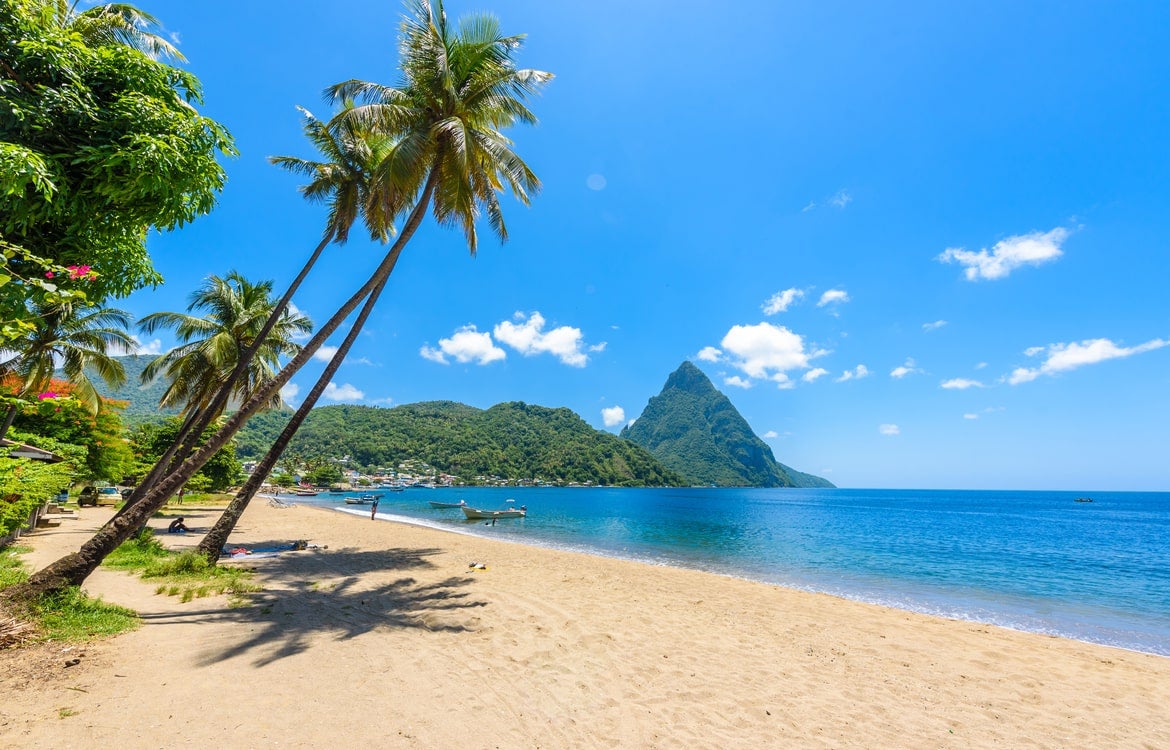
Explore Saint Lucia
Choiseul: Saint Lucia's Craft Capital on the Southwest Coast
Choiseul is a working village with a proud craft tradition, set on a quiet stretch of coast between Soufriere and Laborie that most visitors drive straight past.
Where Choiseul is and why it matters
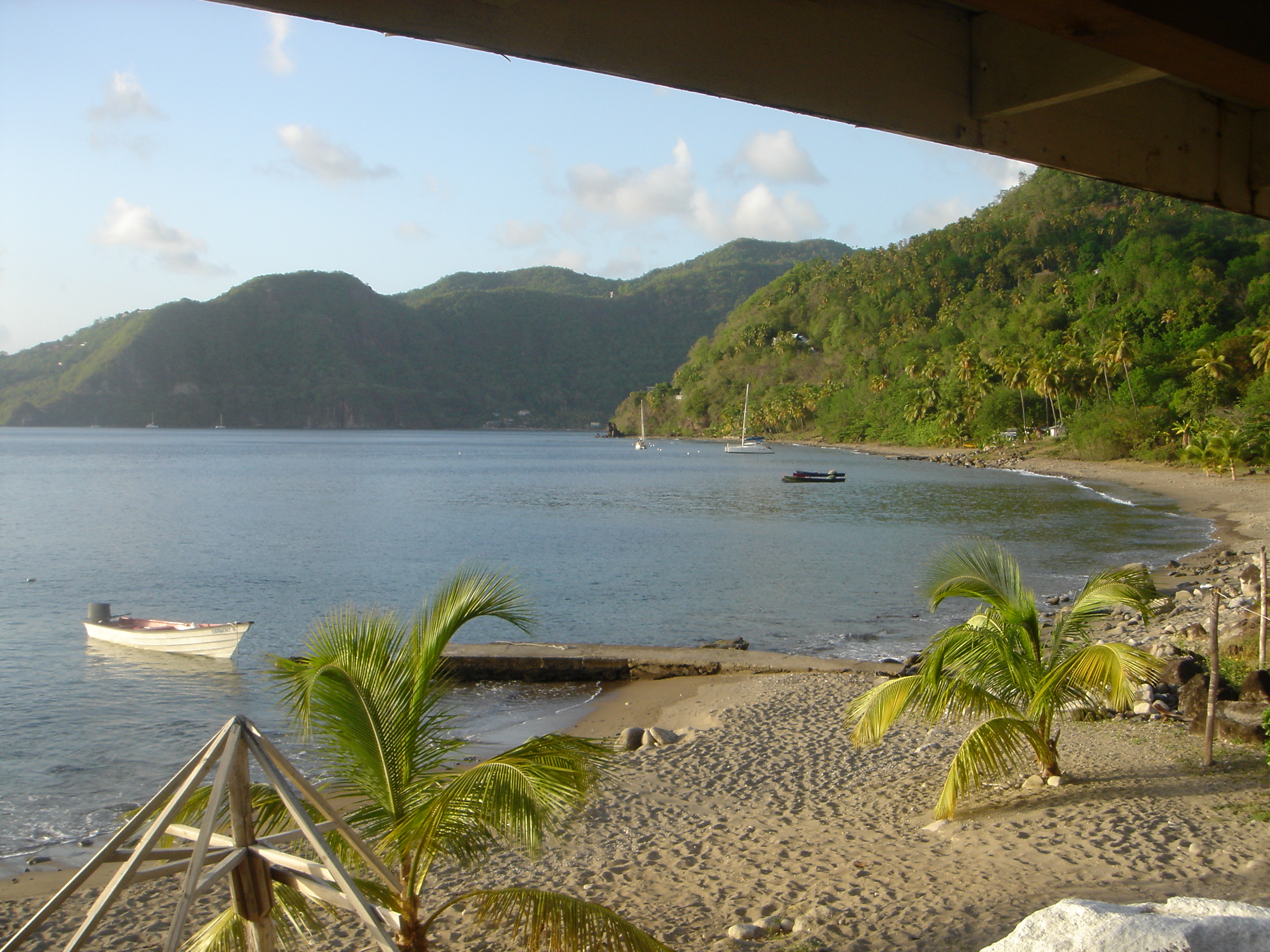
Choiseul sits on the island's southwest coast, between the fishing village of Laborie and the tourist centre of Soufriere. It was originally known as Anse Citron, and the parish was established in 1765. The name is thought to come from the English word chosen, which locals like to use as a point of pride. The community has long been associated with farming, fishing and craft-making, and it is widely described as the craft capital of Saint Lucia.
It is also a place of quiet. There are no big resorts, few signs, and plenty of space, which is why it appeals to curious travellers who want to see the island beyond the tour buses. Choiseul works well as a half day on the road between the south and the west coast, or as a base for slow, local travel. Our page on the south and the west coast show how it fits into the wider map.
The Choiseul Arts and Crafts Centre
The centre was created to support local artisans and preserve traditional skills passed down through generations, including pottery, wood carving, basket weaving and textile work. You can browse handmade pottery, woven baskets, wood carvings, jewellery and locally made artwork, and learn how each piece is produced. It is one of the best places on the island to buy a souvenir with a real story behind it.
Choiseul is known for producing the island's most indigenous craft items, from pottery and baskets to canoes. Buying directly from makers means your money stays in the community, which is the heart of our guides to shopping local and artisan markets and crafts. It is also a good rainy day plan, described in our rainy day ideas. Check current times for the centre before you go.
Balenbouche Estate and the old sugar story
Balenbouche was the original name of an eighteenth century sugar plantation, now known as Balenbouche Estate. It sits on the southwest coast near Bongalo and Piaye, and has been turned into a guesthouse, a heritage site and an organic farm. Stone structures and old mill ruins remain among tropical gardens, and guided estate experiences combine storytelling with the history of the island's agricultural past.
It is a thoughtful place to learn how sugar shaped the island, and it fits neatly with the story of cocoa and estates further up the coast, which we cover in our guides to historic forts and ruins and history and culture. Many visitors combine it with a swim at nearby Balenbouche Beach, a hidden spot with dark volcanic sand backed by cliffs and greenery.
- Heritage buildings, mill ruins and gardens.
- An organic farm and guesthouse on site.
- A wild, quiet beach nearby with dark volcanic sand.
Beaches, rivers and walks
The southwest coast has some of the island's quietest beaches. Balenbouche Beach is wild and dramatic, while Anse L'Ivrogne is a small, tucked-away bay with dark sand and little development. They are not for sunbeds and bars. Instead, they offer rock pools, beachcombing and long views over the sea. Swim only when the water is calm, and take advice from local people, because the currents can be strong. Our black sand beaches guide and beach safety page help.
Inland, the hills around Choiseul and Saltibus have farm tracks, river pools and small waterfalls, all of which are best explored with a local guide. Saltibus is a nearby village known for its waterfall. A heritage walk called Douvan Jou, held in October for Creole Heritage Month, runs from Belle Vue to Choiseul village at dawn. Our hiking and rainforest guide suggests similar outings.
Food, culture and community
Eating in Choiseul means simple, fresh, local cooking: fish landed that morning, ground provisions, bakes and fruit from nearby farms. Many Choiseul people live and work elsewhere on the island, so the community is well travelled and welcoming. It also has a strong sporting tradition, particularly cricket, and its team, the Choiseul Craft Masters, has won the national premier league. See our guides to cricket culture and Creole cooking classes.
Kwéyòl is widely spoken, and Creole Heritage Month in October is a good time to experience traditions such as music, dance, madras dress and community events across the area. The community-run approach to tourism, where visitors meet the people who live here, is explained in our community tourism guide.
Where to stay
Accommodation in Choiseul ranges from private villas to rooms rented through home-sharing sites, and some visitors stay at Balenbouche Estate for a heritage and organic farm setting. Many people who live here work in the island's hospitality sector, so the standard of welcome is high. There are no large resorts, and you should check meals and transport when you book.
If you want a wider choice or a pool and spa, the resorts of the west coast are around an hour away, and our where to stay guide describes them. The sustainable stays guide is a good starting point for small, local and low-impact accommodation.
Getting there and around
Choiseul is on the main road between Laborie and Soufriere, so it is easy to reach by taxi or private car. Allow roughly an hour from Hewanorra International Airport, less if you are heading straight there, and a little under an hour from Castries on a clear run. The road is winding, and in places narrow. Our getting here guide covers flights and transfers.
Minibuses run along the coast, but a driver or tour gives you more freedom to stop at the crafts centre, the estate and the beaches. Our getting around guide explains taxis and hire cars, and the land tours page shows how tours can include the southwest.
A day in the southwest, and safety
Begin with the crafts centre in the morning, while the artisans are at work, and then drive to Balenbouche for a guided look at the estate and a walk through the gardens. Lunch can be fish and provisions in a local restaurant, followed by a swim at a quiet beach and a stop in Laborie on the way back. For more detail on the neighbouring village, see our Laborie guide.
Choiseul is a calm, friendly place, but facilities are limited. Carry water, cash in Eastern Caribbean dollars and sun protection, wear shoes that suit rough ground, and avoid isolated beaches after dark. Check current times for the crafts centre and estate, and book guided visits ahead. The is Saint Lucia safe guide has more advice.
What can I buy and learn at the Choiseul Arts and Crafts Centre?
At the Choiseul Arts and Crafts Centre in Saint Lucia you can see and buy handmade pottery, baskets, carvings, jewellery and artwork, and learn about the traditions behind them from the people who make them. Choiseul is known as the craft capital of the island, and the centre is the best place to see that heritage. Allow an hour, talk to the makers and ask how each piece is made. Buying directly supports the community and takes home something truly local, with a story attached that no souvenir shop can match. Take cash and a bag for your purchases, and bring an open mind, since you may find yourself buying something you had not planned for.
Think about what you can carry. Baskets and woven goods are light and robust, small carvings pack well, and pottery needs careful wrapping. Ask the sellers about wrapping and shipping if you fall for something large. Carry small notes, since card machines are not guaranteed. Our artisan markets and crafts guide explains where else to buy, and the shop local guide explains how to spend well. Bargaining is not usually part of the culture for handmade goods, and a fair price paid with a smile is the best approach. If you buy fragile items, keep them in your hand luggage on the flight home, and ask the makers for tips on packing.
Crafts connect to culture more widely. The village celebrates Creole heritage with music, dance and food, especially in October, and Kwéyòl is spoken in daily life. Our culture and traditions guide gives context for what you see. Visit with curiosity and ask before taking photographs. If you are lucky, you may be invited to watch a maker at work or to listen to a story, and it is polite to accept, even if you only have a few minutes to spare. Dress modestly and be polite when entering homes and workshops, and always ask before photographing people at work. Ask a maker how long a basket or a pot takes to finish, and you will start to value the work properly, and the prices will seem more than fair.
What is the story of Balenbouche Estate?
Balenbouche Estate is an eighteenth century sugar plantation near Choiseul that is now a guesthouse, heritage site and organic farm, where old mill ruins, gardens and a quiet beach tell the story of the island's sugar past. Walking among the ruins gives a tangible sense of how the estate worked and of the people who worked it, many of them enslaved. Tours explain the buildings, and the farm produces food for the guesthouse. Our agriculture and bananas guide explains the island's farming, from the sugar era to the banana boom and beyond. Wear sturdy shoes for the uneven ground, and bring insect repellent and water, since the estate is in the countryside and shade is patchy.
The estate also hosts music during the jazz festival, bringing evenings of live performance to a quiet corner of the south. The beach nearby has dark volcanic sand, cliffs and thick vegetation, and swimming needs care because of currents. Ask locally, and read our beach safety guide before entering the water. If you visit outside festival time, the estate is peaceful, with birdsong, fruit trees and the sound of the sea, and it is a lovely place to sit with a cool drink and watch the afternoon pass. Book accommodation early if you plan to attend an evening concert, as rooms near the venue are limited and fill quickly in festival weeks.
Staying at the estate suits travellers who value history, simplicity and a rural setting. There are no large resorts in the district, so alternatives are private villas and home-share rooms. Book ahead during festival weeks, when rooms in the south fill. The estate is also a pleasant lunch stop on a day trip between the Pitons and the south, as a wider look at the region would suggest. Ask about meals in advance, since a farm kitchen works to its own timetable and depends on what has been harvested that day. Pack insect repellent and a torch for the evenings, and bring a book, since the nights are quiet and entertainment is the stars and the sound of the sea.
How do I fit Choiseul into a drive between the Pitons and the south?
Fit Choiseul into a drive between the Pitons and the south by leaving Soufrière early, stopping at the crafts centre in the morning, lunching near Balenbouche and continuing to Laborie and Vieux Fort for the airport or the kitesurfing beach. The district lies on the southwest coast road, roughly an hour from Hewanorra International Airport. The road is scenic, with banana farms, rainforest and sea views, and a driver makes it relaxing. Our Soufrière guide and Laborie guide describe the stops on either side, and how long each leg of the journey takes on the road. Ask your driver to suggest a lunch spot, and start early to leave time for a swim, since the afternoon light on the south coast is lovely.
A day like this suits visitors who want a taste of the real south. You see craftspeople at work, walk a heritage estate, swim at a quiet beach and eat simple food. It is not a place for nightlife or big sights, and its charm is in unhurried contact with people. Wear comfortable shoes, bring water and a hat, and keep your schedule loose. Cash is more useful than cards in the villages, so draw some from a machine in a larger town before you set off, and carry it in small notes. Bring a bottle of water and a hat, and remember that small villages may close their shops early in the afternoon.
If you are flying out that evening, check the time carefully. The roads are slower than they look, and a late departure from the Pitons can make for a stressful drive. Our getting here guide explains transfer times, and the how many days guide helps you balance the regions across a week or two. Build in a generous margin for the airport, and consider spending the last night in the south so that you can enjoy the final morning without checking your watch every few minutes. Keep your passport and boarding details somewhere easy to reach, and tell the driver your flight time at the start of the day. Plan a snack stop.
Background for a quieter district
Choiseul rewards visitors who like to understand a place. The pages on Kweyol and the first peoples of the island give the district a deeper human story, and culture and traditions shows how craft and community life continue today.
For the setting itself, the geography guide explains the landscape, and agriculture and bananas describes the farming that has shaped many rural areas.
Where to stay and how to plan
Most visitors fit this into holidays to St Lucia, so choose your base first. Compare St Lucia hotels by area and style, and read our guides to luxury hotels in St Lucia and all inclusive resorts in St Lucia if you are choosing between a boutique stay and an all in package.
Then set your dates with the best time to visit St Lucia, book flights to St Lucia and pick days out from our St Lucia itineraries. Couples can also read about a honeymoon in St Lucia or weddings in St Lucia.
Questions travellers ask
Why is Choiseul called the craft capital of Saint Lucia?
The village is known for producing the island's most traditional craft items, including pottery, baskets, wood carvings and canoes, made by skilled local artisans.
What can I see at the Choiseul Arts and Crafts Centre?
You can browse handmade pottery, baskets, carvings, jewellery and artwork, and learn about skills passed down through generations. Check current times first.
What is Balenbouche Estate?
It is an eighteenth century sugar plantation turned guesthouse, heritage site and organic farm, with old mill ruins, gardens and guided estate experiences.
Is there a good beach near Choiseul?
Balenbouche Beach and Anse L'Ivrogne are quiet, dark sand beaches with little development. Swim only when the water is calm.
How far is Choiseul from the airport?
Allow roughly an hour from Hewanorra International Airport, depending on traffic and road conditions along the winding southwest coast.
Where can I stay in Choiseul?
Options include private villas, home-share rooms and the guesthouse at Balenbouche Estate. There are no large resorts, so check meals and transport.
Is Choiseul suitable for a day trip?
Yes. It fits well between the south and the west coast, with the crafts centre, Balenbouche and a quiet beach making a full half day.
When is the best time to experience Choiseul culture?
October, for Creole Heritage Month, brings music, dance and community events, including a dawn heritage walk to Choiseul village.
Why is Choiseul known as the craft capital of Saint Lucia?
The village produces much of the island's traditional pottery, baskets and carvings, and its arts and crafts centre sells them directly from makers. Visitors can meet the makers.
Is Balenbouche Estate open to visitors?
Yes. It is a guesthouse, heritage site and organic farm, and visitors can explore the old sugar mill ruins and gardens. Confirm arrangements in advance.
How far is Choiseul from the airport?
Allow roughly an hour from Hewanorra International Airport, depending on traffic and road conditions on the coast road. The road is scenic but winding, so it is wise to allow extra time, especially if you are heading to a flight, and to avoid driving after dark.
Choiseul on the map
Choiseul is around 13.7770 degrees north, 61.0490 degrees west. Map data from OpenStreetMap contributors.
Ask Lucy about Choiseul
Ask about places to stay, things to do, the weather or getting here.
Keep exploring Saint Lucia
Looking for the industry view? Visit St Lucia on VisitTravelGroup.com covers the destination for travellers and the tourism trade.
More from the Visit Travel Group network: VisitTravelGroup.com, Benidorm.co.uk, Anguilla.co.uk, TheRedSea.co.uk.