Explore Saint Lucia
South Saint Lucia: Vieux Fort, Moule a Chique and the Quiet Coast
The south is the part of Saint Lucia most visitors fly over and miss, which is exactly why locals love it: wide horizons, breezy beaches and working fishing villages.
The quieter side of the island
The south is centred on Vieux Fort and Hewanorra International Airport, and it offers a different kind of Saint Lucia from the rainforest and resort scenery you see on postcards. The land opens out, the sky seems larger, and the Atlantic and Caribbean meet at the island's southern tip. Life moves at a slower rhythm, and you will meet far more residents than other visitors.
That makes it a rewarding half day or full day, even if you are staying elsewhere. It also works as a gentler start or finish to a holiday, since almost everyone passes through the airport. The area runs from Vieux Fort west to Laborie and on towards Choiseul, and east along the Atlantic shore towards Micoud. For the full picture of the island's regions, start at our explore page.
Signature sights
Moule a Chique is the headland at the very southern end of the island, topped by a lighthouse with panoramic views. On a clear day you can look across the water towards Saint Vincent, and the sweep of coast on either side shows how the south differs from the rest of the island. The road up is short, and the viewpoint rewards even a brief visit.
Vieux Fort town is the working centre of the south. It has a market, a free trade zone, the island's main exporters and a history as a military base in the Second World War, which also explains the airfield that became Hewanorra. Just offshore are the Maria Islands, a protected nature reserve described in our offshore islands guide. Our page on historic forts and ruins and the birdwatching guide suggest more ways to look at the landscape.
- Moule a Chique lighthouse for the widest views in the south.
- Vieux Fort town and market for everyday life.
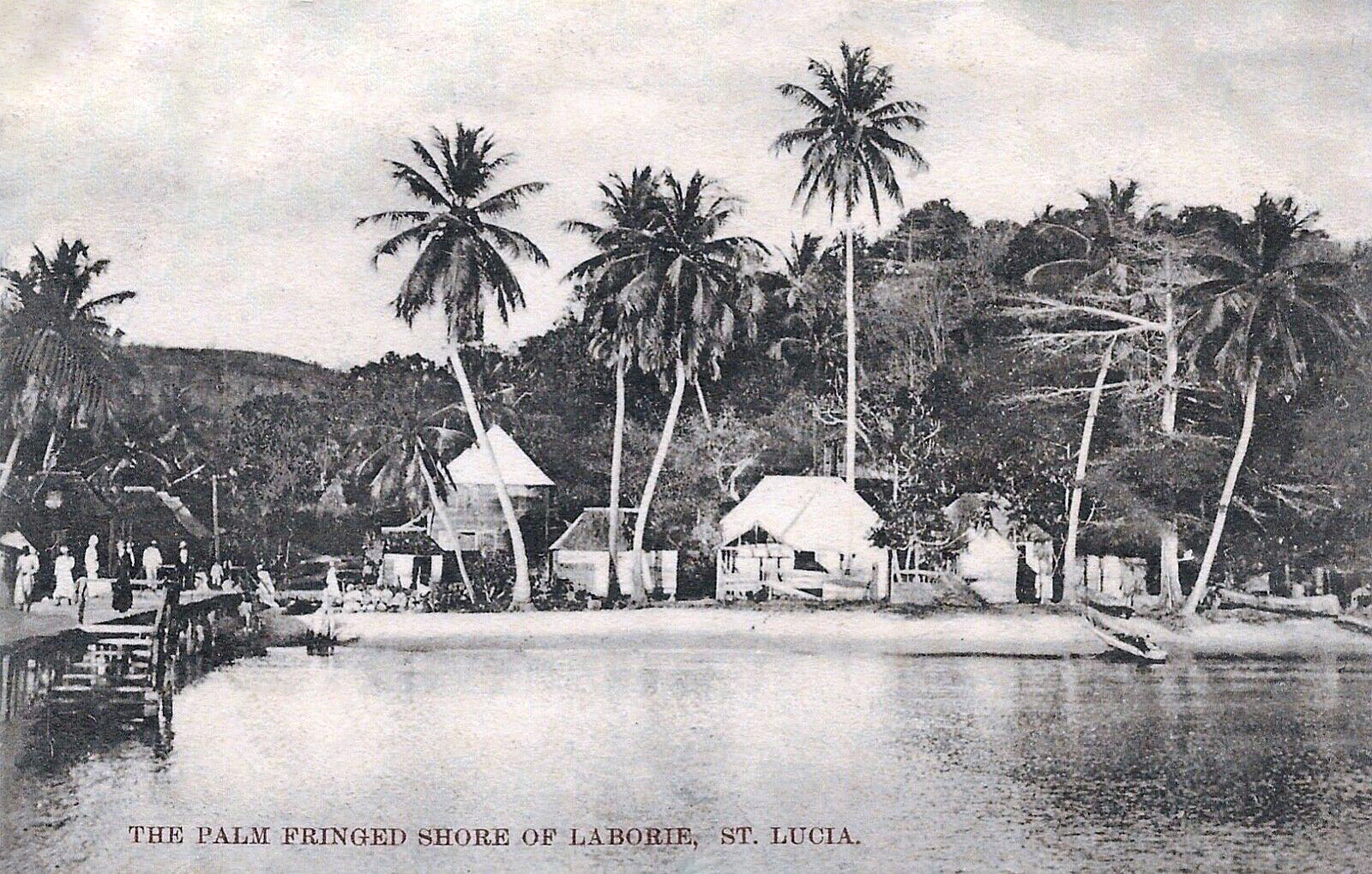
- Laborie, a fishing village with a gentle waterfront.
- The Maria Islands, reached only on a guided visit.
Beaches
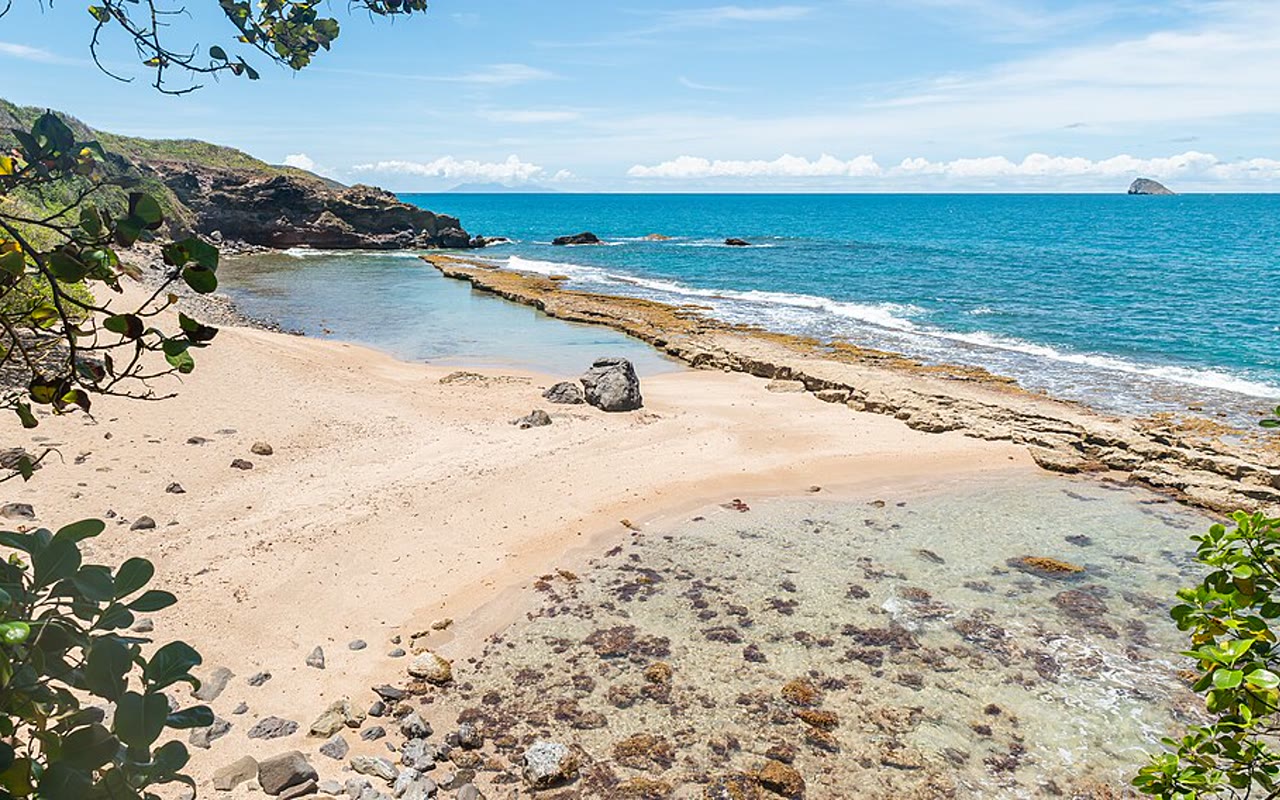
Anse des Sables is the south's best known beach, a long open stretch of sand that is windy and wide, and is also a world renowned spot for kitesurfing and windsurfing. Rudy John Beach Park offers a more sheltered, community feel, with space to walk and relax. Between them, the beaches of the south are rarely crowded.
Further west, Laborie Beach has dark volcanic sand, calm water and a village setting where you can watch boats come in. Balenbouche Beach, on the southwest coast, is wild and backed by cliffs and greenery. Because the south and Atlantic coast can be breezy, check conditions before swimming, and read our beach safety page. Our guides to black sand beaches and the best beaches add detail.
Food and culture
Eating in the south means simple food done well: grilled or fried fish, bakes, green fig and saltfish, fresh juices and the rum punch that someone is always happy to pour. Laborie in particular is known for its fishing tradition, and fishermen's celebrations bring the whole village out in the summer. The community is also musical, with a steel band that gives young people a way to learn and perform. Our street food guide and food and rum guide will help you order.
Culture here is lived rather than staged. You might hear Kwéyòl spoken at the market, watch a game of cricket on a village field, or arrive in October when Creole Heritage Month fills the area with music, dancing and traditional dress. For more, read about history and culture and cricket culture.
Where to stay
Accommodation in the south is on a smaller scale than in the north, with guesthouses, apartments, small hotels and villas near Vieux Fort and Laborie. It suits people who want a very short transfer from the airport, kitesurfers who want to be near Anse des Sables, and travellers who like quiet places and self-catering. Resorts are fewer, so booking ahead is sensible in the busy winter months.
If you want a larger hotel or a dramatic view, the west coast is about an hour away, and our where to stay guide explains each option. A single night near the airport at the start or end of a trip can also make arrival or departure far less rushed, particularly if you have an early flight.
Getting there and around
Hewanorra is in Vieux Fort, so the south is the easiest region to reach. From the airport, Vieux Fort is a few minutes away, and the road to Soufrière takes roughly 45 minutes, with Canaries at about an hour. The east coast town of Micoud is around 15 to 30 minutes from the airport. Our getting here guide describes flights, airlines and transfers.
Taxis are the usual way to move between villages, and minibuses link Vieux Fort with Laborie and other towns. A hire car is helpful for the south, because places are spread out, but roads can be rough and narrow, so see the getting around guide before you decide. A driver for a half day is a comfortable alternative.
A day in the south
Begin at Moule a Chique for the view while the air is clear, then walk through Vieux Fort market and take a coffee. Spend the late morning at Anse des Sables, watching the kitesurfers or taking a walk along the wide sand. Lunch can be grilled fish in Vieux Fort or Laborie. In the afternoon, drive west to Laborie to stroll the waterfront and swim at the beach, and consider a visit to the Maria Islands if a guided tour is available.
If you are flying out the same evening, this plan keeps you close to the airport. Pair it with the culture and local experiences itinerary if you want to see the south as part of a longer stay, and add the sports and fitness guide if the wind and water appeal to you.
Safety and practical notes
The south is quiet and friendly, but quiet also means fewer services. Carry water, sun protection and some cash in Eastern Caribbean dollars, because small shops and snack stalls may not take cards. Atlantic-facing beaches can have strong currents and surf, so swim only where locals do, and avoid isolated stretches of coast at dusk.
Roads in the south are less lit than in the north, and some are unsurfaced near the coast, so avoid driving at night if you can. For general advice, read the is Saint Lucia safe guide and the money and tipping guide. Check current times for the lighthouse, tours and local events before you set out.
Why would I spend time in the south of Saint Lucia?
Spend time in the south of Saint Lucia if you want quiet beaches, working fishing villages, windswept Atlantic scenery and kitesurfing, away from the resort areas of the north. The south feels like the island at its most ordinary, in the best sense. Children walk home from school along the main road, fishing boats sit on the beach at Laborie, and shops, bakeries and market stalls serve local customers rather than tourists. A day here is a good counterpoint to a week of resort comfort, and it gives you something to talk about when you get home that is not in the brochure. The south is also the best place to see how little the island has changed in places, with farms, churches and bakeries serving the same villages for generations.
The landscape changes as you travel. Near Vieux Fort, the land is flat and open, with steady trade winds, scrub and long beaches. Heading west along the coast, the hills close in, banana farms appear and the road narrows through villages such as Laborie and Choiseul. The air smells of woodsmoke and sea salt, and the pace of life slows with every mile. Our guides to Vieux Fort and Laborie describe what each place offers, and how to fit them into a day that also includes the airport. In the wetter months the hillsides turn a deep green, while in the dry season the scrub near the airport takes on a golden look.
The south suits travellers who like their holidays unscripted, who are comfortable talking to strangers and who do not need constant entertainment. It is less suited to those who want nightlife or a polished resort every evening. A half day by hire car or with a driver is enough to taste it, and many visitors combine it with a night near the airport at the start or end of the trip. Bring cash, a hat and a sense of humour, and be ready to stop whenever something catches your eye, whether a viewpoint, a bakery or a game of dominoes. Drive carefully on the unlit roads after dark, and let your driver choose the best route if the weather turns.
What should I try in the south for food, culture and crafts?
In the south, try fresh grilled fish at a village restaurant, bakes and cassava bread from local bakeries, and handmade baskets, pottery and carvings in Choiseul, the island's best known crafts village. Food here is simple and local. Fishermen land their catch in the morning, and restaurants serve it with rice, plantain, breadfruit and Creole sauces within hours. Ask your driver to stop where locals eat, and order whatever is fresh. Our food and rum guide lists the dishes worth looking for, including the national dish of green figs and saltfish. Look out for roadside stalls selling fruit, nuts and homemade sweets, which make good snacks for the journey. Do not be shy about asking what is in a dish.
Culture is strongest in the village calendar. The festival season in October celebrates Creole heritage, with music, dance, food and storytelling in the community, and visitors are warmly welcomed if they come with respect. Kwéyòl, the French-based creole, is spoken in daily life, and a greeting in the local language is always appreciated. Our guide to Kwéyòl explains the island's language, which you will hear especially in the south, and it is a good way to prepare for conversations in the villages. If you are in the south during a festival, ask your hosts what is happening, and remember that a polite question is always better than a camera in someone's face.
Choiseul is the place for crafts, with a centre where local artisans sell pottery, baskets and woven goods. Buying directly from the people who make them is a good way to support the community, and our shop local guide explains how to do it well. Combine a craft stop with the Choiseul guide, which describes the heritage estate and quiet beach nearby, and you have a rewarding day that costs very little. Carry small notes, since card machines are rare, and ask about postage if you buy anything large. Wrap fragile pieces in your clothes, and ask at the centre whether they can arrange postage for larger items. Ask the makers to explain how each piece is made.
Is the south of Saint Lucia good for watersports and active days?
Yes, the south of Saint Lucia is good for watersports, especially kitesurfing and windsurfing at Anse des Sables near Vieux Fort, where steady Atlantic trade winds blow across a wide shallow bay. Schools offer lessons for beginners, and the beach is spectacular to watch even if you stay on the sand. The wind is strongest in the drier months, so check with a school before booking. The beach is also called Sandy Beach by some, and it sits close to the airport, so it works well on an arrival or departure day when you have a few free hours. Wear a rash vest, bring plenty of water and plan lessons for the morning, when the wind is steady but not too gusty for beginners.
Land-based activities are plentiful too. Walks along the coast, short hikes to viewpoints and cycling on quiet back roads suit the unhurried character of the region. A hilltop above the coast offers a wide view along the shore, and early morning is the best time for photographs, when the light is clear and the air is cool. Our hiking and rainforest guide covers longer trails in the interior, and a driver can drop you at one end and collect you at the other, which makes a linear walk practical. Keep an eye out for birds, goats and the occasional farmer on the roadside, and expect to be waved at by passing children.
If you are staying near the airport, build in a buffer on your departure day, because the south coast road can be slow behind farm vehicles. Note that the nature reserve islands offshore, covered in the offshore islands guide, can only be visited on guided tours, so book ahead. Our getting here guide explains airport transfers and how long each leg takes. A relaxed lunch in a village on the way, followed by a last swim, is a gentle way to end a holiday before the long flight home. Keep your passport and travel documents in an easy-to-reach bag, and check in as early as you can. Pack your swimming kit in your hand luggage.
How the south fits together
The south feels quieter and more rural, and the geography guide shows how its hills and plains differ from the north. The notes on agriculture and bananas and transport and infrastructure explain how daily life works here.
For heritage and nature, explore heritage and historic sites and wildlife and ecology. They give context to each stop on a southern journey.
Where to stay and how to plan
Most visitors fit this into a holiday in St Lucia, so choose your base first. Compare places to stay in St Lucia by area and style, and read our guides to luxury hotels in St Lucia and all inclusive resorts in St Lucia if you are choosing between a boutique stay and an all in package.
Then set your dates with the best time to visit St Lucia, book flights to St Lucia and pick days out from our St Lucia itineraries. Couples can also read about a honeymoon in St Lucia or weddings in St Lucia.
Questions travellers ask
Is the south worth visiting if I am staying elsewhere?
Yes. It is the quiet side of the island, and a half day at Moule a Chique, Laborie and the beaches shows a side most visitors miss.
How far is Vieux Fort from the airport?
Hewanorra International Airport is in Vieux Fort itself, so the town is only a few minutes away by taxi.
What is Anse des Sables known for?
It is a long, windy beach and a well known place for kitesurfing and windsurfing, with plenty of space to walk along the sand.
Can I visit the Maria Islands independently?
No. Access is limited to guided tours organised through the Saint Lucia National Trust, and visits can be restricted when seabirds are nesting.
How long does it take to reach Soufrière from the south?
From Hewanorra Airport the drive to Soufrière takes roughly 45 minutes, and Canaries is about an hour, though roads are winding.
Are there big resorts in the south?
Not many. Accommodation is mostly small hotels, guesthouses, apartments and villas, so book early in the busy winter months.
Is the sea safe for swimming in the south?
Some beaches are calm, while Atlantic-facing ones can be rough. Ask locals, watch the water first and keep children close.
Should I hire a car in the south?
A car helps because places are spread out, but roads can be narrow and unlit. A taxi driver for a half day is a relaxed alternative.
Is it worth visiting the south of Saint Lucia?
Yes, if you enjoy quiet villages, wild beaches and kitesurfing. A half day or a night near Hewanorra airport is enough to taste it. It also makes an easy first or last night near the airport.
Where can I kitesurf in Saint Lucia?
Anse des Sables near Vieux Fort is the best known spot, with steady winds and schools offering lessons. Cas en Bas on the Atlantic side also draws kitesurfers.
How far is the south from Soufrière?
The drive from Vieux Fort to Soufrière takes roughly an hour, passing through banana farms and rainforest on winding roads. Allow extra time for stops, since the road is narrow in places and slows behind farm vehicles, and aim to drive in daylight.
South Saint Lucia on the map
South Saint Lucia is around 13.7700 degrees north, 60.9800 degrees west. Map data from OpenStreetMap contributors.
Ask Lucy about South Saint Lucia
Ask about places to stay, things to do, the weather or getting here.
Keep exploring Saint Lucia
Looking for the industry view? Visit St Lucia on VisitTravelGroup.com covers the destination for travellers and the tourism trade.
More from the Visit Travel Group network: VisitTravelGroup.com, Benidorm.co.uk, Anguilla.co.uk, TheRedSea.co.uk.