Explore Saint Lucia
Saint Lucia's Offshore Islands: Maria Islands, Frigate Islands and Pigeon Island
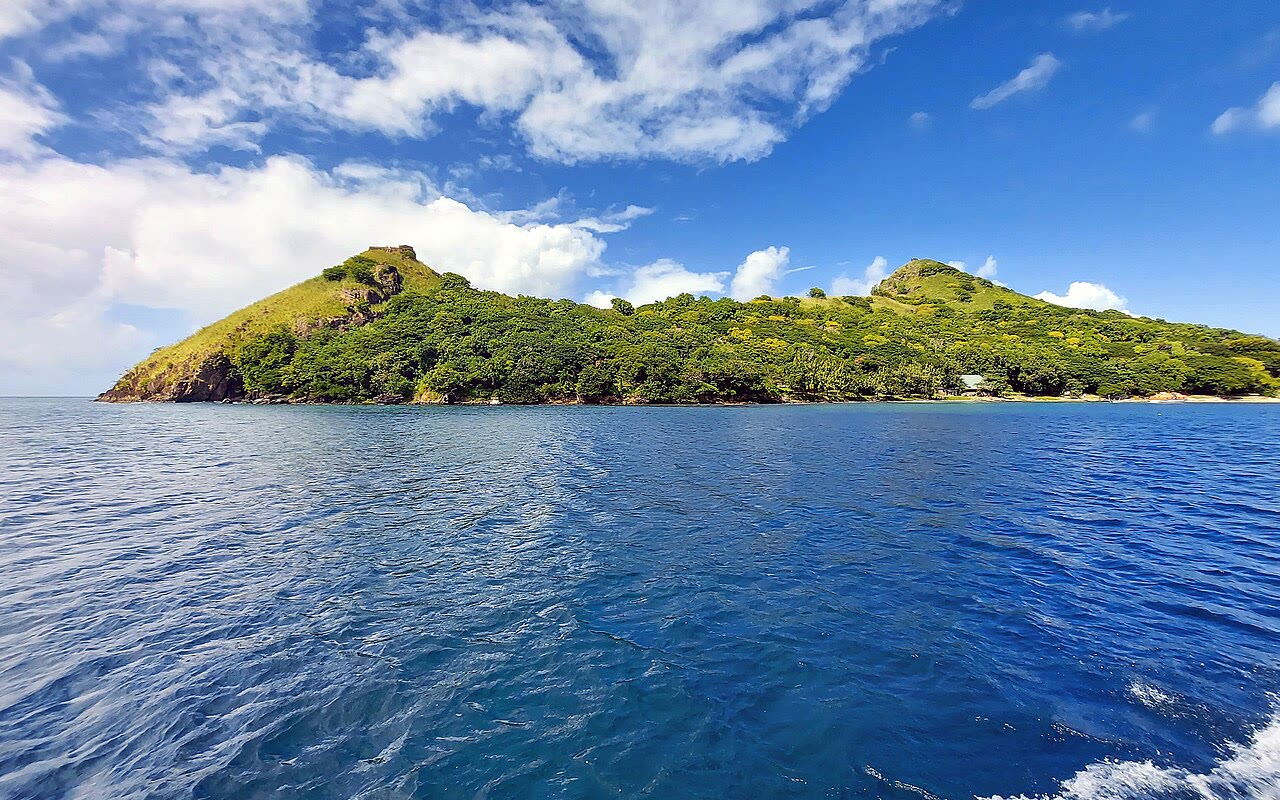
Saint Lucia's small islands are less about beaches and more about wildlife, history and a sense of the island as it was before roads and resorts.
Small islands, big character
Saint Lucia is itself a small island, but a few even smaller ones sit around it, and each has a different personality. In the south are the Maria Islands, a protected nature reserve. On the east coast, off Dennery, lie the Frigate Islands, where seabirds breed. And in the north, Pigeon Island, once a true island, is now joined to the mainland and is a National Landmark. None of them is a classic beach destination, and that is exactly why they are interesting.
Think of them as nature and history stops that complement a beach holiday. They connect easily with the regional guides for the south, the east coast and the north, and they appeal to anyone who enjoys birds, geology, military history or quiet places.
Maria Islands Nature Reserve
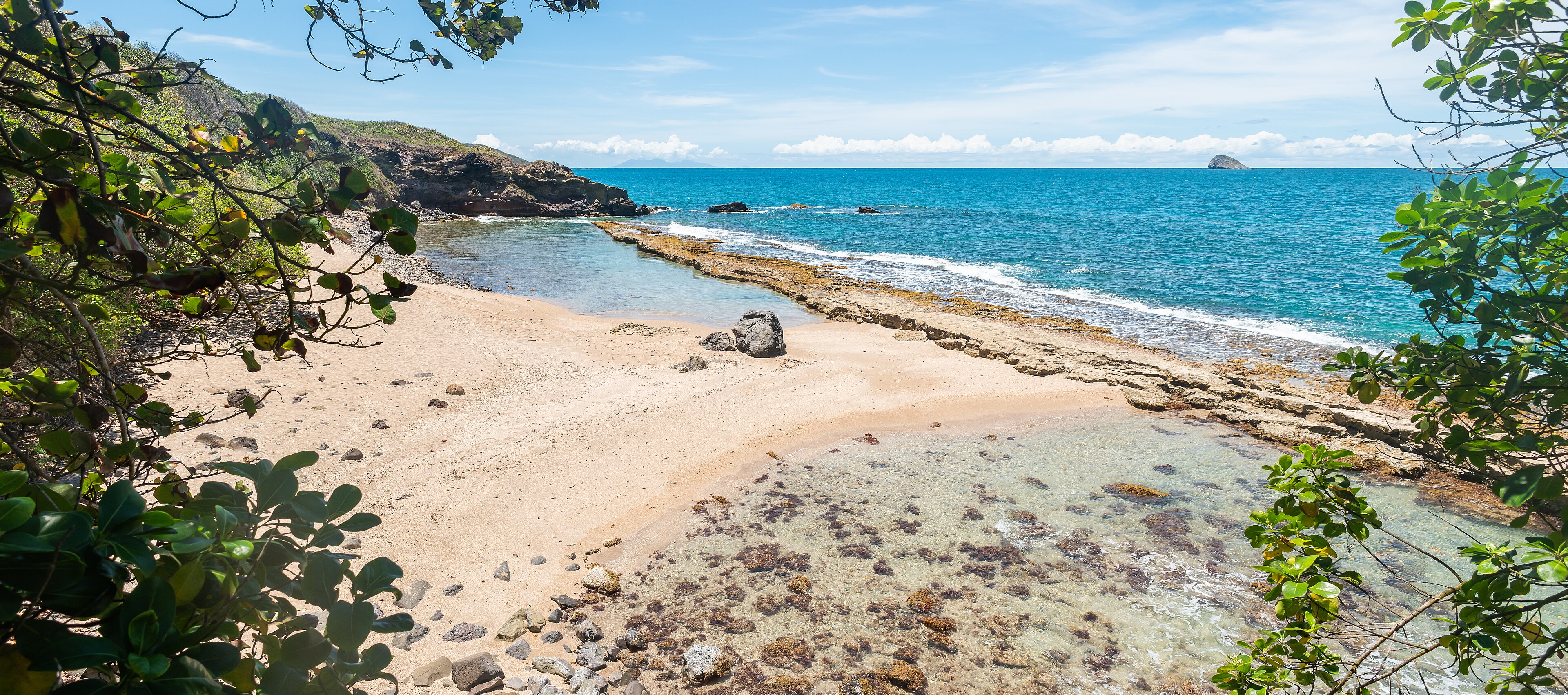
The Maria Islands lie just off the southern coast near Vieux Fort. They consist of Maria Major and Maria Minor, have never been permanently inhabited, and were declared a protected wildlife reserve in 1982. Unlike the rainforest interior, they have dry coastal vegetation, cacti and open grassland shaped by wind and salt, with rocky shores, small beaches and uninterrupted sea views.
What makes them special is the wildlife. The islands are home to species found nowhere else, including the Saint Lucia whiptail lizard and the Saint Lucia racer, one of the rarest snakes in the world. They also support ground lizards, migratory birds and important seabird nesting colonies. A visit is about conservation and observation, not lounging on sand, so take binoculars, a hat and a sense of curiosity. Our guide to birdwatching suggests more places to look.
- Declared a protected wildlife reserve in 1982.
- Home to the Saint Lucia whiptail lizard and the Saint Lucia racer.
- Dry forest, cacti and open grassland rather than rainforest.
- Nesting ground for seabirds.
How to visit the Maria Islands
Access is limited and carefully managed to protect the fragile ecosystem. You can only reach Maria Major by boat, and visits are possible only through authorised guided tours arranged by the Saint Lucia National Trust. Independent visits are not permitted. The departure point is near Vieux Fort, about 15 to 20 minutes from Hewanorra International Airport, so the trip fits neatly on an arrival or departure day.
Access may be restricted between May and July to protect nesting seabirds, so plan around that and check with the Trust before you travel. Follow the guide's instructions on the marked trails, do not pick plants or handle animals, and carry water and sun protection, because there is little shade. See the Vieux Fort guide for nearby food and a place to stay.
The Frigate Islands
Off the Atlantic coast near Dennery, the Frigate Islands form a nature reserve that is a breeding area for sea birds. They are named for the frigatebirds that wheel above this coast, and they are best appreciated from a distance, usually from a boat or from the shore. Access is controlled, so ask local operators and the National Trust about what is currently allowed, and respect any closures during nesting.
The mainland nearby is a rewarding place to spend a day, with fishing boats, a lively Saturday seafood fiesta and the heritage park at Fond d'Or, as described in our east coast guide and Dennery page. The surf here can be rough, and sea conditions on the Atlantic side change quickly, so go with experienced guides.
Pigeon Island National Landmark
Pigeon Island is the easiest of the small islands to visit, because a causeway joins it to the mainland at the top of Rodney Bay. It blends history, nature and sweeping coastal views, and it was once a strategic military base. Today you can explore ruins, walk trails to viewpoints, and swim from small beaches. Fort Rodney, built in the 1780s, looks over the bay and tells a story of the battles between the French and the British.
It is a gentle place for families and a good first stop in the north. Our Pigeon Island guide covers the trails and the museum, and the historic forts and ruins page places it in the wider story. Check current opening hours and entry arrangements before you go, and take water and a hat for the climb.
Boats, snorkelling and the sea
Beyond the three main islands, the sea itself is part of the experience. Boat trips along the west coast stop at coves and reefs for snorkelling, and some trips pass beneath the Pitons. A boat is also the best way to see the coastline of the south and east, where cliffs and surf are most dramatic. Our guides to sailing and boat trips and whale and dolphin watching explain what is available.
Always book with an established operator, ask about safety equipment, and check that your insurance covers the activity. Wildlife etiquette matters. Keep your distance from nesting birds, never feed animals, and take everything back with you. Our responsible travel guide has more advice.
Planning and practical notes
Each of the small islands rewards a different kind of attention. The Maria Islands reward patience and a good guide who can point out a lizard against dry rock. The Frigate Islands reward a steady boat and a good pair of binoculars. Pigeon Island rewards a slow wander, with time to read the signs and sit on the walls of the old fort looking out to sea. None of them needs long, and none of them suits a rushed itinerary.
Early starts help on all three. Wildlife is most active in the cool of the morning, light is better for photographs, and the heat on exposed ground builds quickly by midday. Wear a hat, use sunscreen, and carry more water than you think you need. Children are welcome on most visits, though the Maria Islands are best for those old enough to follow a guide and stay on the path.
The islands suit travellers who are curious about the natural world, and they are best treated as half-day additions. Pair the Maria Islands with a morning in the south, the Frigate Islands with a day on the east coast, and Pigeon Island with time on the beach at Rodney Bay. Our nature and rainforest itinerary shows how they fit into a longer visit.
Bring binoculars, sunscreen, water and shoes that can get wet. Check current times for tours, since seasons, tides and conservation rules can change plans at short notice. Operators will normally tell you if conditions are poor, so be ready to move your visit to another day. For wider planning, see our how many days guide.
Which islands off Saint Lucia can visitors actually see?
Visitors can see Pigeon Island, which is joined to the mainland by a causeway, the Maria Islands near Vieux Fort on guided tours, and the Frigate Islands off Dennery from the shore, while most other small islets are protected habitat. Together they show three sides of the island: history, wildlife and wild coast. Pigeon Island is the easiest, with a fort, trails and beaches, and the others are for travellers who enjoy nature and are willing to plan ahead. A visit to any of them adds depth to a holiday that might otherwise be all beach and pool. Always check the rules and opening arrangements before you go, since they can change with the season and with conservation needs.
The Maria Islands, the largest of the island's small neighbours, lie off the southeast coast near Vieux Fort. They protect rare reptiles and nesting seabirds, and access is carefully controlled through guided tours arranged with the Saint Lucia National Trust. Our guide to reptiles and mammals explains the species that live there, including a lizard found nowhere else. Visits are brief but memorable, and the guides are knowledgeable and passionate about the animals they protect, so ask questions as you walk. Bring binoculars, water and a hat, and be ready to follow your guide's instructions, since they protect the wildlife as well as you. Take a camera with a modest zoom lens.
The Frigate Islands, a seabird reserve on the Atlantic side, are best seen from the shore with binoculars. Together with the Maria Islands they make a good argument for a birdwatching day in the east and south, and our birdwatching guide suggests how to plan one, what to bring and when the birds are most active. Always follow reserve rules and the guidance of your guide, keep to the paths and never approach nesting birds, since disturbance can cause them to abandon their eggs or chicks. The best light for photographs is in the early morning, when the sun is behind you and the sea is calm. Binoculars with a decent magnification are far more useful than a camera for watching seabirds at a distance.
How do I plan a visit to Pigeon Island and the nature reserves?
To plan a visit, go to Pigeon Island on a weekday morning to avoid crowds, book a guided Maria Islands tour in advance through the Saint Lucia National Trust, and bring water, sun protection, binoculars and shoes with grip. Pigeon Island National Landmark is the easy one. It is open daily, close to Rodney Bay, and combines a fort with sheltered coves and hiking. Weekends and cruise days are busier, so a weekday morning makes for a quieter walk and a better chance of a peaceful swim before the heat builds and the visitors arrive. Check the opening hours at the gate, and allow time to wander the grounds rather than rushing to the summit and back.
The history is part of the appeal. In the sixteenth century a French pirate known as Jambe de Bois is said to have used the island as a base to attack Spanish ships, and later the British used the headland as a lookout during the wars with France. Walkers can climb to Signal Peak for a wide view over the north, and our historic forts and ruins guide puts the fort in context. Allow at least half a day, and take a picnic or plan lunch at a beach bar on the shore. The park also hosts concerts and events, which can add atmosphere but also crowds, so check the calendar before you go.
For the nature reserves, preparation matters. Tours depart from near Vieux Fort, which is close to Hewanorra International Airport, so they fit easily on an arrival or departure day. Check the seasonal restrictions, since access may be limited during nesting, and book early in the dry season when demand is highest. Our conservation and protected areas guide explains why these places are managed so carefully, and what visitors can do to help protect the animals and plants that depend on them. Wear sturdy shoes and long trousers for the island paths, and bring a light waterproof layer in case a shower blows in from the sea. Carry cash for the guide and for any park fees.
Can I swim, snorkel or take a boat trip around the small islands?
You can swim and snorkel at Pigeon Island, where the water is sheltered and the rocky shore attracts fish, but the Maria and Frigate Islands are conservation visits rather than swimming trips, with landing restricted and no beach facilities. Boat trips along the coast may pass the reserves, and a skipper will explain what you are seeing, but landing is limited. Choose your operator carefully, ask whether they are licensed, and follow their instructions on the water. Wear a hat and bring a windproof layer, since a boat in open water can feel cooler than the shore. Pack a dry bag for your phone and wallet, and a spare shirt for the ride home.
For a day that combines everything, start at Pigeon Island with a morning swim and hike, take a lunch at a beach bar, and finish with a sunset cruise from the Rodney Bay marina. Our sailing and boat trips guide describes the options, and the snorkelling beaches guide shows the best places to put on a mask. If the weather turns, a fort and a museum make a sensible fallback, and the shaded paths are pleasant even in a shower. Arrange transport in advance, since the roads are quiet in the late evening and taxis are harder to find. Confirm opening hours of the park and the museum before you set out, since both can change with the season.
Wear reef-safe sunscreen and respect the wildlife. Do not touch animals, collect shells or disturb nesting birds, and keep a respectful distance from reptiles. Take rubbish home with you. A visit to a nature reserve is a privilege, and the best way to repay it is to leave no trace. Our responsible travel guide suggests other ways to travel gently, and a quiet, observant approach often rewards you with better sightings than a noisy one. Binoculars are the one piece of kit worth bringing. If you are travelling with children, a short talk in advance about what to touch and what to leave alone makes the day more enjoyable for everyone. Check the rules at the entrance and follow any posted advice.
Islands, reefs and protection
Small islands and rocks offshore are part of the same natural system as the mainland. The guides to marine life and coral reefs, wildlife and ecology and reptiles and mammals describe what lives in and around them.
To understand why some places are managed with care, read conservation and protected areas. The geology and volcanoes page explains how the island itself was formed.
Where to stay and how to plan
Most visitors fit this into St Lucia holidays, so choose your base first. Compare hotels in St Lucia by area and style, and read our guides to luxury hotels in St Lucia and all inclusive resorts in St Lucia if you are choosing between a boutique stay and an all in package.
Then set your dates with the best time to visit St Lucia, book flights to St Lucia and pick days out from our St Lucia itineraries. Couples can also read about a honeymoon in St Lucia or weddings in St Lucia.
Questions travellers ask
Can I visit the Maria Islands on my own?
No. Visits are only possible on authorised guided tours arranged through the Saint Lucia National Trust, and independent visits are not permitted.
Why are the Maria Islands important?
They protect rare species such as the Saint Lucia whiptail lizard and the Saint Lucia racer snake, as well as nesting seabirds and dry coastal habitat.
When can I not visit the Maria Islands?
Access may be restricted between May and July to protect nesting seabirds, so check with the National Trust before planning your trip.
How do I get to the Maria Islands departure point?
It is near Vieux Fort, about 15 to 20 minutes from Hewanorra International Airport, so it fits well on an arrival or departure day.
What are the Frigate Islands?
They are a nature reserve off the east coast near Dennery, and a breeding area for sea birds that is best seen from a boat or from the shore.
Is Pigeon Island really an island?
It was once, but a causeway now joins it to the mainland at Rodney Bay, so you can walk or drive to the entrance.
Are the small islands good for beaches?
Pigeon Island has small beaches for swimming, but the Maria Islands are a conservation visit rather than a beach day.
What should I bring for a visit to a nature reserve?
Bring water, sun protection, a hat, binoculars and shoes with grip, and follow your guide's instructions to protect the wildlife.
Can I visit the Maria Islands in Saint Lucia?
Only on guided tours arranged through the Saint Lucia National Trust. Book in advance, and check seasonal restrictions, since access may be limited during seabird nesting.
Is Pigeon Island worth visiting in Saint Lucia?
Yes. It has a fort, hiking trails to Signal Peak, sheltered swimming coves and views over Rodney Bay, and it is easy to reach from the north.
Do I need to book a boat to see the Frigate Islands?
No. They can be seen from the shore near Dennery with binoculars, though a local guide will help you find the best viewpoint. Early morning gives the best light.
Maria Islands Nature Reserve on the map
Maria Islands Nature Reserve is at 13.7262 degrees north, 60.9312 degrees west. Map data from OpenStreetMap contributors.
Ask Lucy about Offshore islands
Ask about places to stay, things to do, the weather or getting here.
Keep exploring Saint Lucia
Looking for the industry view? Visit St Lucia on VisitTravelGroup.com covers the destination for travellers and the tourism trade.
More from the Visit Travel Group network: VisitTravelGroup.com, Benidorm.co.uk, Anguilla.co.uk, TheRedSea.co.uk.