Itineraries
Nature and Rainforest Adventures: A Five Day Itinerary for Saint Lucia
Saint Lucia's wild side is compact and varied: this plan mixes easy trails, deeper forest, a day of adrenaline and a slow finish with the birds.
How this plan works
This itinerary follows the island's green spine, from the Pitons area into the central rainforest and on to the bird sanctuary in the east. It mixes easy days with harder ones, because rainforest conditions change quickly and legs get tired. Mornings are for walking, when it is cooler, and afternoons are for water, gardens or rest. It is aimed at people who like to walk, notice birds and plants, and are happy with mud on their shoes.
A sensible base is Soufriere for the first three nights, because many of the best trails and gardens are close together, and then a night or two elsewhere for the interior and the east. Our hiking and rainforest guide gives general advice, and the what to pack guide lists footwear and repellent.
Day 1: Soufriere essentials
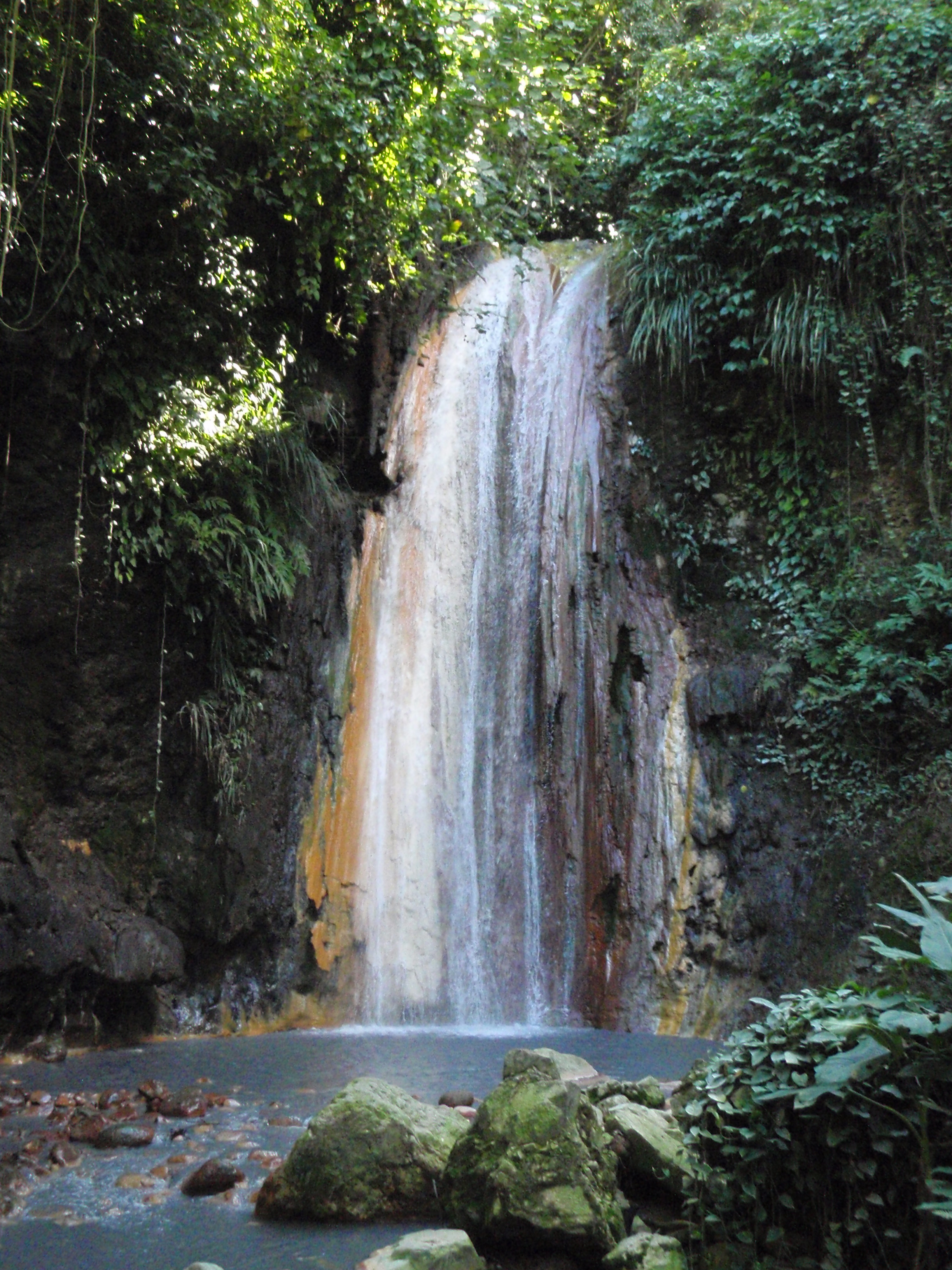
Begin with the Tet Paul Nature Trail, an easy to moderate guided walk with panoramic views of the Pitons and plenty of local insight into farming. It is one of the best rewards for effort on the island. Then cool off at Toraille Waterfall, a short walk from the road to a refreshing pool among greenery. Have lunch in Soufriere village, where casual restaurants serve local Caribbean dishes with views.
In the afternoon, wander through Diamond Botanical Gardens to see tropical flowers and a mineral-rich waterfall along easy paths. If energy allows, add a short stop at Sulphur Springs. Our guide to waterfalls and gardens describes each stop. Rest option: skip Sulphur Springs and head to your hotel. Rain fallback: a cocoa tour at a nearby estate, as in our cocoa and chocolate guide.
Day 2: The Pitons and quiet recovery
Today is optional effort. If you are fit, climb Gros Piton with a guide, starting early. The path is steep and slippery in places, so go prepared and read our Gros Piton hike guide. If you would rather not, choose viewpoints and a leisurely morning, then take a short boat trip that passes beneath both peaks.
After lunch, rest. Swim at Anse Chastanet or float in the sea at Sugar Beach, or book a massage. The point is to let muscles recover before tomorrow. Rain fallback: a spa session or a quiet cooking class in Soufriere. See our spa rituals page for ideas that suit tired legs.
Day 3: Deep rainforest
Head into the island's interior for a longer guided hike. Edmund Forest Reserve is cooler, rich in biodiversity and less crowded, and it is reached by a winding road, so allow around an hour or more from the coast. Choose a guide who can identify birds and plants, and bring water, repellent and a rain layer. Our Mount Gimie hikes guide describes more demanding options for the experienced.
Rainforest paths are slippery, so wear shoes with grip and walk steadily. In the afternoon, travel back to the coast and rest. Rain fallback: the weather in the interior is changeable, so a short covered activity or a late start is wise. Check with your guide the night before, and read the safety advice in our health and safety guide.
Day 4: Adventure day
Add adrenaline today. Options include a canopy zip line and aerial tram experience in the rainforest, quad biking through forest terrain, or an off-road jeep safari. The canopy tours around Babonneau in the north and the Treetop park on the east coast are good choices, and both are guided and well organised. See our guides to jungle ziplining and off-road jeep adventures.
Book ahead, wear closed shoes, and expect to get dirty. Afternoon is for lunch and a swim. The journey between the south and the north can take up to two hours, so if you are staying in Soufriere, choose a canopy park on the way or stay close to the east coast. Rain fallback: ziplines usually run in light rain, but check with the operator.
Day 5: Slow nature and wildlife
Finish gently with birds. Millet Bird Sanctuary offers a guided birdwatching walk on easy trails and a chance to learn about the island's endemic species, such as the Saint Lucia parrot, in the rainforest reserve. It is an ideal last morning, quiet and low-effort. Our birdwatching guide has tips for spotting birds and for choosing a guide.
Add a final waterfall visit or a quiet nature walk, and finish at the botanical gardens at Mamiku or at a local beach. If you want to see more of the east coast, our east coast guide has ideas. Rain fallback: read the trail in the visitor centre, and shelter under the canopy, where drips can be gentle. The botanical gardens page lists more places.
Rain, rest and flexibility
Rain is normal in a rainforest, and it makes the forest lovelier and the waterfalls fuller. Trails can be muddy, so plan for it rather than against it. Pack a light waterproof layer, a spare pair of socks and a dry bag for your phone. If a day is washed out, swap with a rest day or choose a spa, a market visit or a cocoa tour. Our rainy day ideas page has more.
Mix hard and easy days, and keep at least one free afternoon. Do not stack the Gros Piton climb and the deep rainforest hike on consecutive days unless you are very fit. If your timing allows, add a beach day from the sea and beach itinerary to finish the trip.
Practical tips for this itinerary
Start early, carry plenty of water, and use insect repellent, particularly at dusk. Wear shoes with grip, and take a hat and sunscreen. Use local guides, because they explain plants and birds and keep you on safe paths. Check current opening times for gardens, sanctuaries and parks, and book popular activities ahead.
Tell your hotel where you are going, and make sure your insurance covers hiking and adventure activities. Respect the forest by taking litter with you and staying on marked paths, as explained in our responsible travel guide. The best months are the drier ones from December to May, as set out in the best time to visit guide.
What is the best time of year for the Saint Lucia nature and rainforest itinerary?
The best time for the Saint Lucia nature and rainforest itinerary is the dry season from December to May, when trails are firmer and skies clearer, though the wetter months bring lusher forest, fuller waterfalls and fewer visitors. The rainforest is wet by nature, so you should expect some rain whenever you go. Trails are most pleasant in the cooler, drier months, and the views from ridges are usually clearer. Our best time to visit page explains the seasons in more detail, and helps you weigh the comfort of the dry months against the quieter, greener atmosphere of the rest of the year, when the forest feels most alive and the waterfalls are at their loudest.
In the wet season, waterfalls run strongly and the forest smells of earth and leaves. Mud is likely on some trails, and hikes can be cancelled after heavy rain, so build in flexibility. Wear shoes with grip and carry a light waterproof. Our hiking and rainforest guide describes the trails. Guides will advise on conditions, and their judgement should always take priority over a fixed plan. A rainy morning is also a good moment for a slower activity, such as a cocoa estate visit, with the walk saved for the afternoon when the clouds lift and the leaves glisten in the light.
Whatever the season, start early. Mornings are cool, birds are active and the light filters beautifully through the canopy. Our birdwatching guide suggests places to look and listen. By midday the heat and humidity climb, so plan a swim, a long lunch or a rest. If you have a choice, choose the dry months for hard hiking and the wet months for photography and solitude. Either way, carry plenty of water, wear insect repellent at dawn and dusk, and tell your hotel where you are heading before you set out, so that someone knows your plans and your expected return.
How do I pace hiking days in Saint Lucia without burning out?
To pace hiking days in Saint Lucia, alternate demanding walks with easy days, start at first light, drink steadily, eat well and finish before the afternoon heat, because humidity makes even moderate trails tiring. The plan alternates a hard day on the Pitons with a gentle recovery, and that rhythm is worth keeping. Our Mount Gimie hikes guide describes a longer challenge for the fit, which should be tackled only when rested, with a guide, and on a day when the forecast is kind and the trail is dry enough to be safe, with enough daylight left to finish comfortably and enjoy the descent.
Listen to your body. Sore legs, headaches or dizziness mean it is time to rest. Carry more water than you think you need, and add electrolytes on hot days. Wear good socks and carry blister plasters. Trust your guide, who will adjust the pace to the group. A more ambitious goal, such as a multi-peak challenge, deserves proper preparation, including a few weeks of walking at home with a loaded rucksack so that your legs are ready for the steep, uneven ground, and a sensible attitude to turning back if conditions change or someone in the group is struggling.
Recovery matters as much as effort. After a hike, soak in warm springs, swim in the sea or book a massage. Eat a proper meal, drink plenty and go to bed early. A well-paced plan means you enjoy every day rather than surviving it, and you will return home with energy as well as memories, ready to talk about the views rather than the blisters, and perhaps already planning a longer walk next time. Our rainforest and plant life guide gives you something interesting to read in the evening, which helps you understand what you saw on the trail.
What wildlife and plants might I see on a Saint Lucia nature holiday?
On a Saint Lucia nature holiday you might see tree ferns, heliconias, giant bamboo, hummingbirds, forest birds, lizards and, with luck and a good guide, the Saint Lucia parrot, the national bird, in the island's forest reserves. The forest changes with altitude, from dry coastal scrub to humid ridge forest, and each zone has its own plants and animals. Our wildlife and ecology page describes the species you might meet, and the reasons the island works so hard to protect its forests. Bring binoculars if you have them, because many of the best sightings are high in the canopy and gone in a moment.
Underwater life is just as rich. Coral, sponges, reef fish and turtles can be found around the island's marine reserves. Our marine life and coral reefs guide explains what to look for. A snorkel after a hike is a good way to cool off and to see a different side of the island's ecology. Treat all wildlife with respect, keep your distance and never feed animals, and use reef-safe sun cream so that the water stays healthy for the creatures that live in it and for the visitors who will come after you.
Local guides bring the forest alive. They know which leaves heal, which birds call at dawn and which trees were used for canoes. Our local plants and traditional uses page describes some of that knowledge. Take a notebook and patience. The rainforest rewards those who stand still, and often the best sightings come when you stop walking and listen, so build a few quiet pauses into every walk and ask your guide to share the stories that go with each plant. A single leaf, a flower or a bird call can become the most memorable moment of the day.
Reading the forest before you walk it
A rainforest day rewards preparation. Rainforest and plant life introduces the trees and plants, and wildlife and ecology and reptiles and mammals describe the animals you might meet.
To understand the ground beneath your feet, see geology and volcanoes. Conservation and protected areas explains how these places are looked after.
Choosing a hotel for this itinerary
Most visitors fit this into a holiday in St Lucia, so choose your base first. Compare places to stay in St Lucia by area and style, and read our guides to luxury hotels in St Lucia and all inclusive resorts in St Lucia if you are choosing between a boutique stay and an all in package.
Then set your dates with the best time to visit St Lucia, book flights to St Lucia and pick days out from our St Lucia itineraries. Couples can also read about a honeymoon in St Lucia or weddings in St Lucia.
Questions travellers ask
How fit do I need to be for this itinerary?
Moderate fitness is enough for most days. Gros Piton and deep forest hikes are demanding, but each has an easier alternative you can choose instead.
Where should I stay for a nature itinerary?
Soufriere is the best base, with trails, gardens and waterfalls close together. Move to the north or east for the canopy and bird sanctuary days.
Do I need a guide for the rainforest hikes?
Yes, for forest reserves and the Pitons. Guides keep you safe, know the paths and help you spot birds and plants.
What should I wear on the trails?
Wear shoes with good grip, light long clothing, and carry a waterproof layer, water and insect repellent. Paths can be muddy even after short showers.
Can I see the Saint Lucia parrot?
It is possible in forest reserves, but sightings depend on luck and a good guide. Go early and be patient.
Is it possible to do this in three days?
Yes. Combine Soufriere highlights, a deep rainforest day and a bird sanctuary morning, and leave out the adventure day.
What is the best season for hiking?
The drier months from December to May are most comfortable, though trails are open all year and rain is part of the experience.
Are zip lines suitable for children?
Many operators have age and weight limits, so check before booking. Families can choose gentler aerial tram or garden options instead.
Can I do the nature itinerary without a guide?
Some easy trails can be walked independently, but guides are strongly recommended for the Pitons and deep forest. They know the terrain, wildlife and safety conditions, and they make the walk far more interesting.
What is the Saint Lucia parrot?
It is the national bird, a colourful forest parrot found in the island's protected rainforest. Sightings need patience and a guide who knows where to look, so ask about the best places and times.
Are there dangerous animals on Saint Lucian trails?
Most wildlife is harmless, but some snakes exist, so stay on paths and follow your guide. Wear closed shoes and avoid putting hands where you cannot see, especially under logs and rocks.
Saint Lucia on the map
Saint Lucia lies in the Windward Islands of the eastern Caribbean, around 13.8830 degrees north, 60.9670 degrees west. Map data from OpenStreetMap contributors.
Ask Lucy about Nature and rainforest
Ask about places to stay, things to do, the weather or getting here.
Keep exploring Saint Lucia
Looking for the industry view? Visit St Lucia on VisitTravelGroup.com covers the destination for travellers and the tourism trade.
More from the Visit Travel Group network: VisitTravelGroup.com, Benidorm.co.uk, Anguilla.co.uk, TheRedSea.co.uk.