Experiences
Spa Rituals and Mud Baths in Saint Lucia
Saint Lucia is a volcanic island, and its spa traditions grow straight out of the ground: warm springs, grey mud, cocoa, coconut and herbs from the hills.
A spa shaped by a volcano
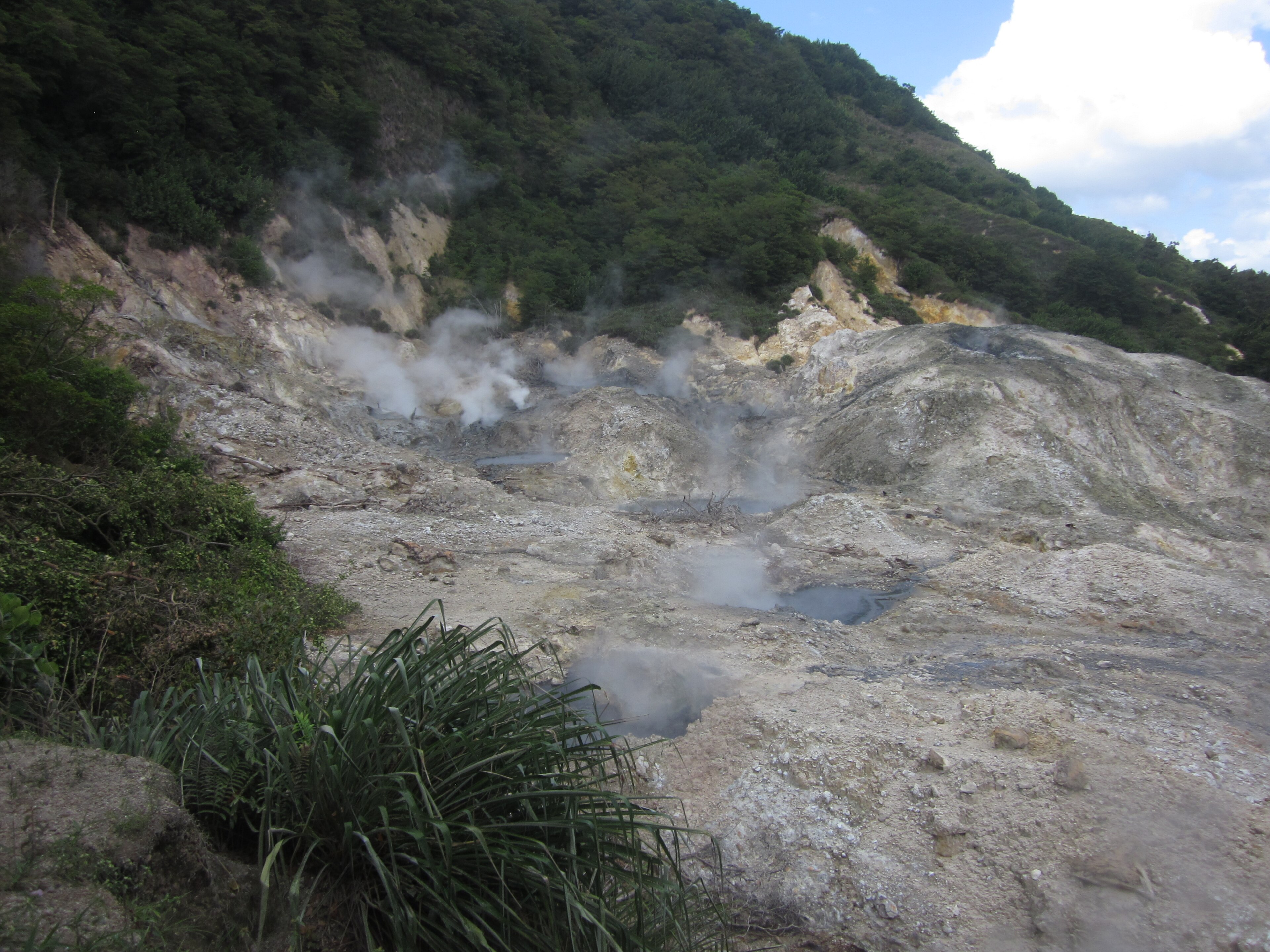
Above the town of Soufrière the ground still steams. Sulphur Springs, mud baths and mineral pools are close enough together to fill a single unhurried day on the southwest coast, and many visitors treat the area as the island's natural spa.
Away from the springs, resort spas turn to the same landscape for inspiration. Treatments use locally sourced ingredients, and the scents are as much a part of the experience as the touch.
Creole spa rituals
Creole rituals draw on the island's healing traditions. Coconut oil, cocoa, aloe vera, spices and volcanic mud are blended into massages, body scrubs and wraps, giving each treatment a texture and scent closely tied to Saint Lucia. They are designed to nourish and relax rather than to cure anything.
Many of the ingredients are part of daily life on the island rather than luxury extras. Our guide to local plants and traditional uses explains more about the herbs behind them, and bush medicine remains a living tradition in many households.
Ask your therapist what is in each blend. Most are happy to say which oils and herbs they use, which also helps if you have allergies or sensitive skin.
Traditional touch and sea therapies
Rubbing is a traditional practice in which a practitioner works the body using oils, herbs and local blends. The knowledge is often passed down within families, so every practitioner has their own method, and locals still rely on it for relaxation and recovery. Ask your hotel whether a local practitioner can visit, or look for a spa that features it.
The sea is part of the picture too. Some spas offer treatments inspired by thalassotherapy, and simply walking or floating in the clean coastal water counts as part of the island's way of unwinding. Our best beaches guide shows where to find calm water.
A volcanic spa day around Soufrière
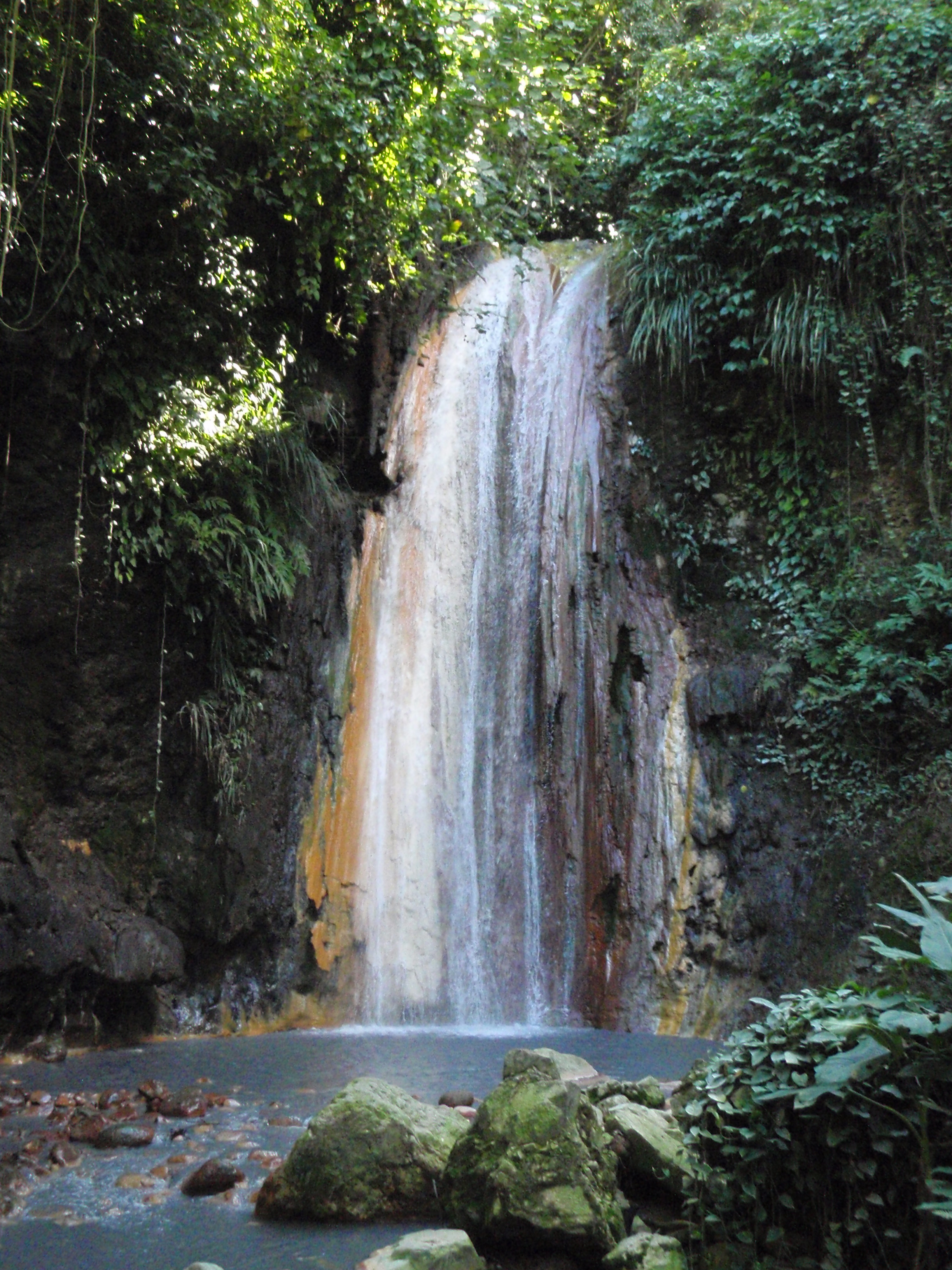
Begin at the Sulphur Springs, often described as the drive-in volcano. A guided route leads past bubbling pools and steaming vents, then you smooth grey mud over your skin and rinse it away in warm water. Next, slow down at Diamond Falls Botanical Gardens, where mineral baths fed by geothermal springs were first built in 1784 for French troops. Finish at Piton Falls, between the twin peaks, where warm mineral water spills into small pools.
Most sites are within 10 to 20 minutes of each other by car, and each charges its own entrance fee. Pair the day with the waterfalls and gardens and a view of the Pitons.
- Go in the morning or late afternoon for cooler air and fewer people.
- Wear a swimsuit you do not mind staining and bring a towel.
- Leave silver jewellery at home, as sulphur can tarnish it.
Resort and hotel spas
For massages and structured treatments, choose a resort spa. Options include the spa at Cap Maison on the north coast, The Landings Resort and Spa near Pigeon Island and several wellness hotels in the south. Many spas offer couples' treatments in open-air pavilions looking over the rainforest or the sea.
Think about the setting as well as the menu. Some spas sit beside the sea, others are in garden pavilions or hillside rooms open to the breeze. Ask what each menu includes and how long treatments last, and book early in busy seasons. For a deeper stay, see our guide to wellness retreats.
What to expect at a treatment
Most spas begin with a short chat about what you would like, any injuries and any allergies. You are then shown to a private room or an open-air pavilion, where you undress to your comfort level and are covered with towels. Massages use warm oils, scrubs are rinsed away in a shower, and wraps are followed by time to rest. Treatments vary in length, so ask about timings and prices when you book.
Arrive a little early so you are not rushed, drink water afterwards and avoid planning anything strenuous straight after. Tipping is a personal choice, and our money and tipping guide explains local custom. If you would like to share a treatment, ask about couples' rooms, which many resort spas offer. A spa afternoon also pairs well with a quiet evening, since the effect of a long massage is to make you want to sit still.
Safety and good sense
Follow the guides at the springs and stay on marked routes, because the ground near vents can be hot and unstable. If you are pregnant or have a health condition, check with your doctor before using mud baths, hot pools or any treatment. Skip them if you have broken skin, and tell the therapist about allergies.
Conditions and facilities change, so check what is open and current prices before you go. Our guide to what to pack covers the basics for a trip like this.
Take care in the sun after a scrub or a long soak, because skin can feel more sensitive. Drink plenty of water, rinse off thoroughly at your accommodation and give yourself a gentle evening. If something feels uncomfortable during a treatment, say so straight away, as a good therapist will adjust pressure, temperature or ingredients at once.
How do the mud baths at Sulphur Springs work?
At Sulphur Springs near Soufrière, you apply warm grey volcanic mud to your skin, let it dry in the sun, then rinse off in the warm thermal pools, a short experience that visitors often call the island's best-known natural spa. The site is described as a drive-in volcano, because you can reach the steaming vents and bubbling pools by road. A guide walks you around the viewing areas first, explaining the geology, and then lets you reach the mud and pools. Allow an hour or so, and keep your expectations playful rather than clinical.
A few practical points make the visit better. Arrive early, before tour groups and the midday heat, because the site is quieter and more comfortable then. Wear swimwear you do not mind staining, since the mud and minerals can discolour fabric permanently, and bring a towel, a change of clothes and a bag for wet things. Footwear should be easy to remove and rinse. Keep to the marked routes and listen to your guide, because the ground near vents can be hot. Our Sulphur Springs guide covers the site, and the wider geology and volcanoes guide explains why the island steams.
Think about who it suits. Most adults and school-age children enjoy it, though anyone with sensitive skin, a health condition or pregnancy should check with a doctor first, as hot mineral water is not right for everyone. Skip the mud if you have broken skin, and tell staff about allergies. The visit combines well with a morning at Diamond Falls or a waterfall nearby, and a late lunch in Soufrière. Many visitors treat it as the lighter side of a day that might also include a cocoa estate, a view of the Pitons or a gentle trail.
What should you expect from a spa treatment at a resort in Saint Lucia?
At a resort spa in Saint Lucia you can expect a short consultation, a private room or open-air pavilion, and treatments that use local ingredients such as coconut, cocoa and herbs, with the setting often looking over the sea or rainforest. Spas on the island lean on their surroundings. Some treatment rooms are open to the breeze, so the sound of birds, waves and wind becomes part of the session. Therapists usually ask about preferred pressure, areas of tension and allergies before they begin. Be honest, because this is how you get the treatment you actually want.
Menus vary by resort. Larger wellness resorts such as BodyHoliday in the north build spa time into the stay itself, while hillside hotels near Soufrière offer treatments as part of a quieter, more private experience. Couples' rooms are common, and many spas offer side-by-side massages in a shared pavilion. Our detox and wellness retreats guide explains the longer residential options. If you are staying elsewhere, most spas welcome outside guests by appointment, though booking early in the winter is wise, since the best slots disappear quickly.
Make the most of the time. Arrive a little early, drink water, switch off your phone and plan a quiet hour afterwards. Avoid sun and strenuous activity immediately after a scrub or wrap, as skin can be sensitive. Tipping is personal, and our money and tipping guide explains local custom. A spa afternoon pairs nicely with a lunch by the water, and for honeymooners the honeymoon inspiration guide suggests how to weave treatments into a romantic week without overfilling the days.
Is the Toraille Waterfall or a garden bath a good addition to a spa day?
Yes, Toraille Waterfall just outside Soufrière and the mineral baths at Diamond Falls Botanical Gardens make good additions to a spa day, because they add cool, flowing water and warm mineral pools to the mud and massage. Toraille is a short, easy visit, where you can stand under the falling water in a pool. Diamond Falls is a garden with a waterfall and baths fed by geothermal springs, set among tropical plants. Both are close enough to combine with Sulphur Springs in a single southwest day without long drives or rushed transfers.
Order matters. Start with the active or messy part, the mud, while you are fresh, then rinse in the warm water, move to the cool waterfall and finish with a gentle garden stroll or a long lunch. Keep a dry towel and a spare set of clothes in the car, and carry some cash for entry fees at each site. Our waterfalls and gardens guide describes the stops, and the Soufrière guide covers the town and its restaurants. A driver is the easiest way to link the sites, and our getting around guide explains how to book one.
Finish the day gently. The evening after a long soak is best spent with an early dinner, a quiet drink and a good night's sleep. Hydrate well, protect your skin from the sun and avoid heavy drinking while your body is still warm. If you have time, a short walk on the beach or a view of the Pitons at dusk gives the day a pleasing close. For those who prefer a lighter option, the yoga and mindfulness guide describes a calm start to the next morning, and it makes a natural companion to a volcanic spa day.
The volcanic ground behind the treatments
Spa traditions here are closely tied to the land. Geology and volcanoes explains the volcanic activity that shapes the landscape, and rainforest and plant life introduces the plants often found in local treatments.
For the customs that surround care and relaxation, see culture and traditions. It is pleasant background reading for a quiet afternoon.
Turning this into a St Lucia holiday
Most visitors fit this into a holiday in St Lucia, so choose your base first. Compare places to stay in St Lucia by area and style, and read our guides to luxury hotels in St Lucia and all inclusive resorts in St Lucia if you are choosing between a boutique stay and an all in package.
Then set your dates with the best time to visit St Lucia, book flights to St Lucia and pick days out from our St Lucia itineraries. Couples can also read about a honeymoon in St Lucia or weddings in St Lucia.
Questions travellers ask
Where are the mud baths in Saint Lucia?
At Sulphur Springs, near the town of Soufrière on the island's southwest coast. Visitors follow a guided route and then use the mud and warm water.
Why does Sulphur Springs smell?
Volcanic vents release hydrogen sulphide gas, which gives the air its strong sulphur scent. It is harmless at the levels found along the walkways.
Do I need a guide at Sulphur Springs?
Yes. The route through the geothermal area is guided, so you walk it with a local guide who explains the site.
Where else can I bathe in warm mineral water?
Besides the mud baths, there are mineral baths at Diamond Falls Botanical Gardens and warm pools at Piton Falls near Soufrière.
What should I bring for a mud bath?
Bring a swimsuit you do not mind staining, a towel, a change of clothes and shoes you can wash. Leave silver jewellery behind.
Is it safe if I am pregnant?
Hot pools and mud baths are not suitable for everyone. If you are pregnant or have a health condition, check with your doctor before taking part.
What is rubbing?
Rubbing is a traditional massage using oils, herbs and local blends, with knowledge handed down in families. Ask your hotel about local practitioners.
How long does a volcanic spa day take?
Allow a full day to visit the springs, gardens and pools, since the sites are close together but you will want time to relax.
How long should I spend at Sulphur Springs?
Allow about an hour for the guided visit and mud bath, or longer if you add the warm pools. Go early to avoid crowds, and combine it with a waterfall or garden nearby.
Can pregnant women use the mud baths in Saint Lucia?
Speak to your doctor first. Hot pools and mineral mud are not suitable for everyone, and pregnant visitors should skip them unless a medical professional has approved.
What should I wear to Sulphur Springs?
Wear swimwear you are happy to stain, easy footwear and bring a towel and change of clothes. The mud and minerals can discolour fabric permanently.
Sulphur Springs on the map
Sulphur Springs is at 13.8400 degrees north, 61.0471 degrees west. Map data from OpenStreetMap contributors.
Ask Lucy about Spa rituals and mud baths
Ask about places to stay, things to do, the weather or getting here.
Keep exploring Saint Lucia
Looking for the industry view? Visit St Lucia on VisitTravelGroup.com covers the destination for travellers and the tourism trade.
More from the Visit Travel Group network: VisitTravelGroup.com, Benidorm.co.uk, Anguilla.co.uk, TheRedSea.co.uk.