Experiences
Yoga and Mindfulness in Saint Lucia
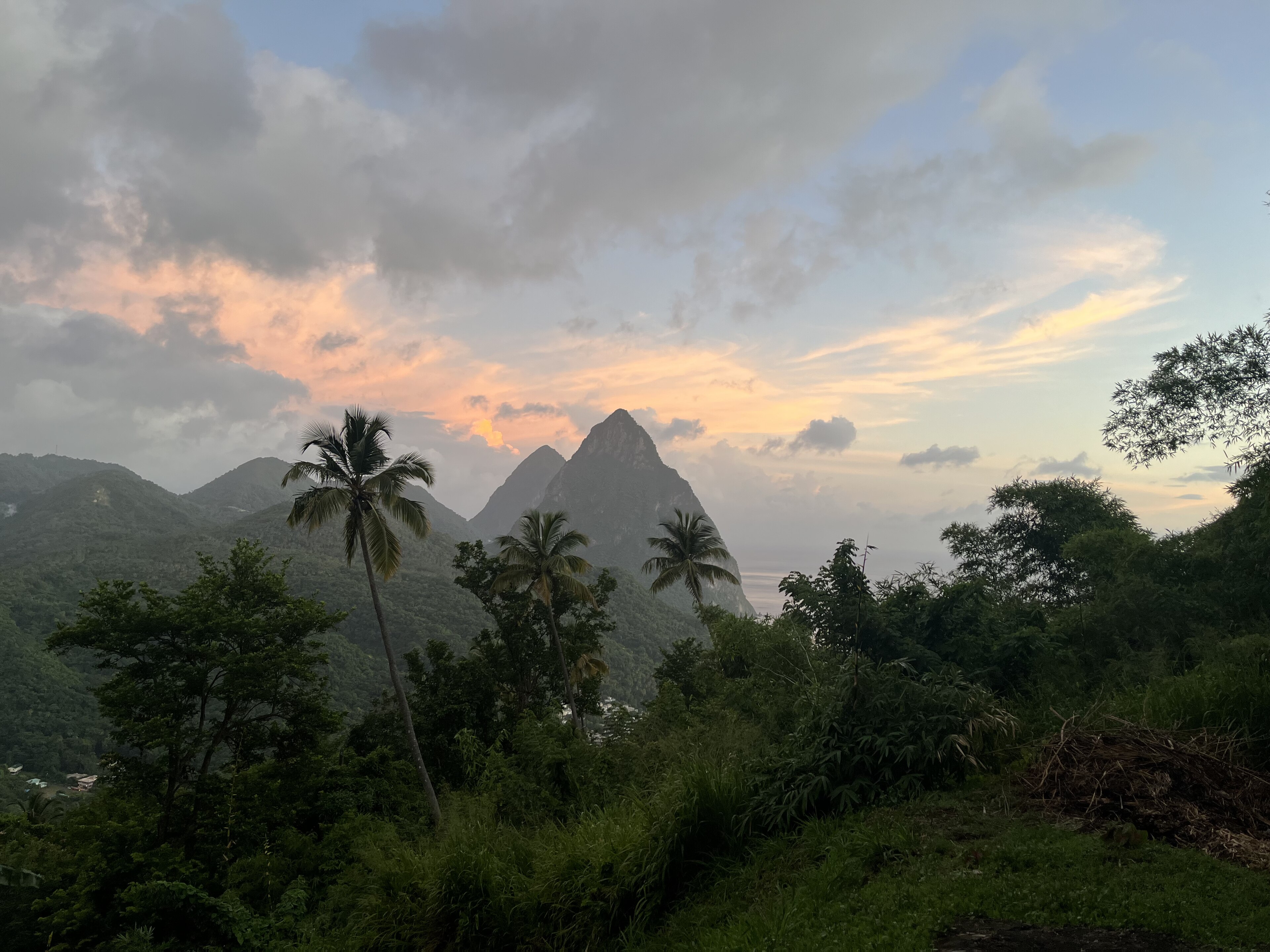
Saint Lucia makes it easy to slow down. Between the sound of the sea, the green hills and the open-air terraces, a morning on the mat here feels very different from a class at home.
Why practise here
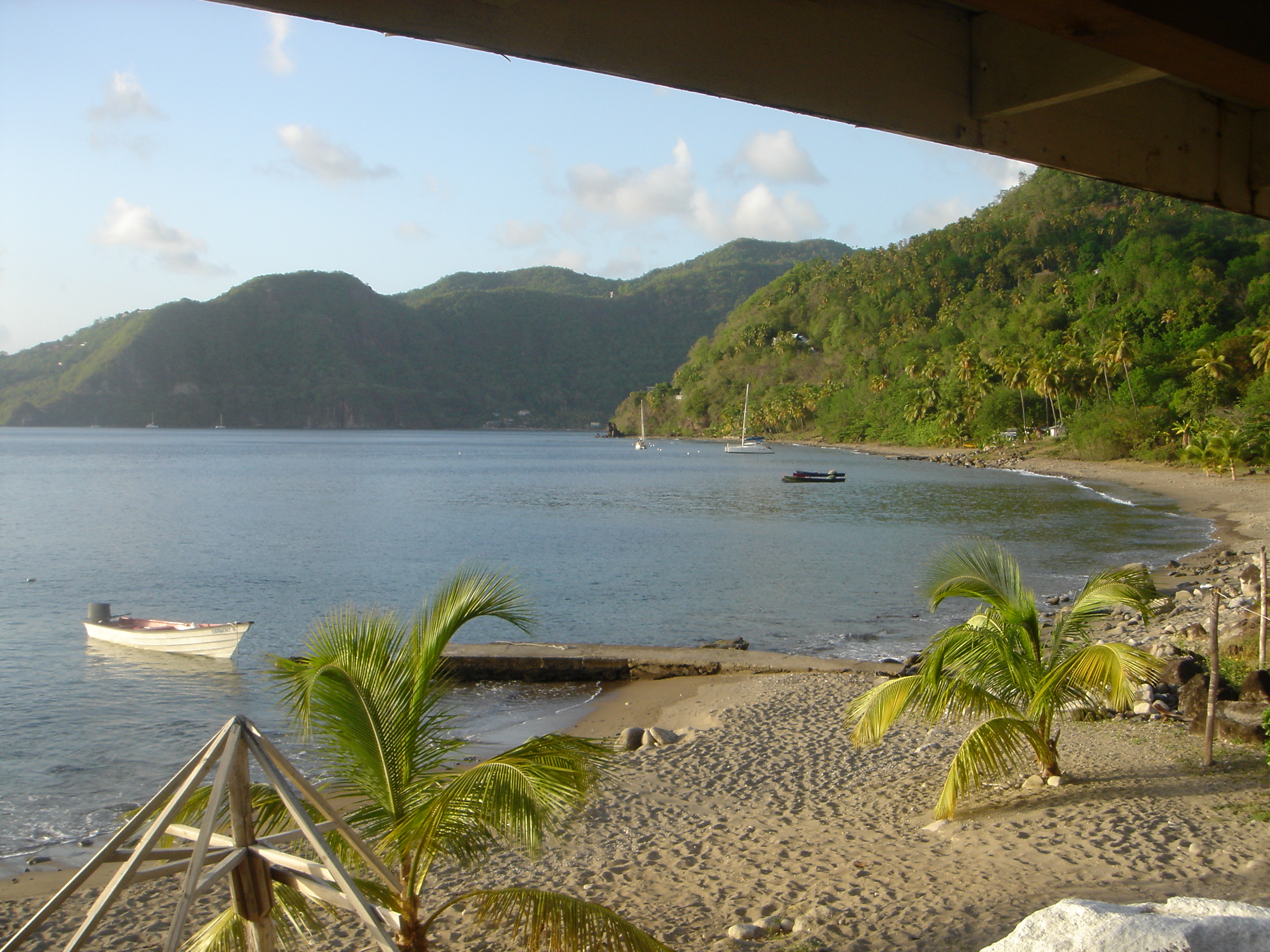
Most yoga happens outdoors on Saint Lucia. Pavilions open to the breeze, terraces look over the sea and some retreats sit in the middle of the forest, so the sounds around you are birds, tree frogs and waves rather than traffic. For many visitors that setting does half the work of calming the mind before the teacher says a word.
A typical day might start with a gentle class at first light, when the air is cool and the light is soft on the hills. Breakfast follows, then a swim or a walk, and the afternoon is yours. Because many classes are small, teachers can give individual attention, which helps newcomers feel at ease and gives experienced students room to refine their practice.
You do not need to be experienced. Classes are offered at every level, and plenty of people try their first session on holiday. If you already have a regular practice, the island is a good place to deepen it, because there is nothing else you are expected to do with your morning.
Styles and settings
Expect a range of styles: flowing Vinyasa, steady Hatha and slower restorative Yin sessions are all taught by experienced practitioners. Luxury wellness resorts around Soufrière run daily classes for guests, while smaller studios in Rodney Bay welcome drop-in visitors. Ask when you book, because timetables change with the season.
Many places also offer wellness on demand, which means a certified instructor comes to your private villa or to a stretch of beach and teaches just you or your group. This works well for couples, small families and anyone who prefers to practise without a crowd. Resorts such as Ladera and Anse Chastanet sit in dramatic hillside settings that suit a quiet start to the day.
If you are staying somewhere without a studio, ask the front desk or concierge to recommend a teacher. The island is small, and someone usually knows a qualified instructor who is happy to travel. Group sessions on a beach or terrace can be a lovely way to share a morning with friends or family, and children are often welcome in gentler classes. Check with the teacher first.
Mindfulness beyond the mat
Stillness is not only found in a studio. Forest bathing, which simply means walking slowly under trees and paying attention, is easy to try on the island's shaded paths, and guided sensory walks help you notice scent, sound and texture. The gardens near Soufrière are lovely for a meditative stroll, and our guide to waterfalls and gardens explains where to go.
Breathwork beside the sea is another simple pleasure. Sit on the sand early in the morning, count your breaths to the rhythm of the waves and let the day begin gently. Our best beaches guide helps you choose a quiet spot, and the more secluded coves are best before the day trippers arrive.
- Try a sunrise or early morning session before it gets hot.
- Walk slowly through a garden or forest with your phone put away.
- Finish a class with a swim, if the sea is calm.
Wellness retreats
If yoga is the main reason for your trip, consider a stay where it sits inside a wider programme of treatments, clean food and time outdoors. Our guide to detox and wellness retreats describes what these stays involve, and spa rituals and mud baths covers treatments that pair well with a class.
Retreats are usually built on respect for the island's own pace. Many work with local practitioners, so your visit supports people who share traditional knowledge as well as modern teaching.
What to bring and how to plan
Pack light, breathable clothing, a sun hat and a refillable water bottle. Most places provide mats, but if you prefer your own, a thin travel mat folds into a suitcase easily. Tell the teacher about any injury or pregnancy before the class begins so they can adjust the session.
A single class takes about an hour, and a morning session leaves the rest of the day free. Pair it with a visit to the Sulphur Springs for a day with a gentle theme. Check class times and booking rules with your accommodation before you go, as they vary.
A sample day
Picture a morning that begins with a gentle class on a terrace as the light spreads across the hills. Afterwards comes breakfast, then a swim while the sea is still calm. Late morning might be a walk through a garden or a short drive to a waterfall, with lunch somewhere shaded. In the afternoon, rest, read or book a massage, and as the sun lowers, join a short session of stretching and slow breathing before dinner.
Nothing in this rhythm is rushed, and that is the point. You can repeat it for a week or break it up with a boat trip or a hike. If the weather turns, rain on the roof is its own kind of meditation, and indoor spaces at most resorts keep classes running. Our rainy day ideas has more for wet afternoons. If you travel with a partner who does not practise, there is plenty to do nearby, from a swim to a book on the terrace.
Fitting it into your trip
Yoga fits around almost any itinerary. A few days in the south pairs it with hiking, cocoa estates and the Pitons, while a stay in the north lets you combine classes with beach time and sunsets. Our guide to how many days to stay will help you decide how long you need, and the experiences hub has more ideas for the rest of your week.
Where can you do yoga in Saint Lucia?
You can do yoga in Saint Lucia at wellness resorts such as BodyHoliday in the north, which offers daily yoga including classes on a treetop deck, at hillside hotels near Soufrière, at studios in Rodney Bay and with private teachers who come to your villa or beach. Settings are mostly outdoors, with pavilions open to the breeze, so the sounds of sea, birds and rustling leaves are part of every class. If yoga is the reason for your trip, choose a resort with a regular timetable and a resident teacher. If it is a pleasant extra, a drop-in studio or a private session is often easier.
Different parts of the island give different practices. The north has more studios and a livelier atmosphere, with classes that are easy to combine with beach days and shopping. The south is quieter and more dramatic, with hillside terraces looking across to the Pitons. Our Anse Chastanet and Jade Mountain pages describe resorts whose settings alone encourage stillness. Ask about class times, levels and booking rules when reserving your room, because timetables change with the season, and the best sessions at smaller places can fill up early in the winter.
Private sessions deserve consideration. A teacher who comes to your terrace or a quiet stretch of sand can tailor a class to your experience, injuries and goals, and the intimacy suits couples and friends. Cost varies, so ask each provider for current details. Our detox and wellness retreats guide covers longer, programme-led stays, and the spa rituals guide describes treatments that pair naturally with a morning class. If you plan to practise daily, a week on the island gives a rhythm that few routines at home can match.
What is forest bathing and can you try it in Saint Lucia?
Forest bathing is the practice of walking slowly under trees and paying close attention to scent, sound, light and texture, and you can try it in Saint Lucia on shaded rainforest paths, in botanical gardens and on quiet estate trails. It is not exercise in the usual sense. You move slowly, stop often and let your senses lead. The island's rainforest provides a rich backdrop, with birdsong, running water and the smell of damp earth. A guide can help you notice details you would pass, such as the shapes of leaves, the calls of birds or the way light falls through the canopy.
Gentle places are best for a first attempt. Botanical gardens and short nature trails suit people who are not confident hikers, and their paths are clear, shaded and rewarding. Our botanical gardens and nature parks guide lists options across the island, and the hiking and rainforest guide covers longer walks for those with more energy. Go in the cooler part of the day, leave your phone in your bag and let the walk take as long as it takes. Ten quiet minutes in the right spot can feel more restorative than an hour of effort.
The island's wildlife adds to the experience. Early morning is the best time for birds, and a patient watcher may see hummingbirds, parrots or tree frogs. Take care with footing, wear closed shoes and bring water, repellent and a hat. Our birdwatching guide describes where to look, and the wildlife and ecology guide explains the creatures you might meet. Treat the forest with respect by keeping to paths and taking nothing but photographs. Mindfulness here is simply attention, and the island rewards it generously.
What should you pack for a yoga holiday in Saint Lucia?
For a yoga holiday in Saint Lucia, pack light breathable activewear, a sun hat, reef-safe sun cream, a refillable water bottle, insect repellent, swimwear and a light layer for cool mornings, and bring your own mat only if you prefer it. Most studios and resorts provide mats and props, so a travel mat is a personal choice. Fabrics that wick moisture matter in the humidity, and a spare top for after class is sensible. Bring a small notebook if you like to reflect, and a book for the afternoons when the programme is deliberately empty.
Think about the rest of the day too. A yoga holiday is not only classes, and you will want comfortable walking shoes, swimwear, a cover-up for the beach and something a little smarter for evenings. Our what to pack guide gives a fuller list, and the best time to visit guide explains the seasons so you can choose clothing and dates sensibly. If you are travelling with a partner who does not practise, make sure there is something for them to do nearby, whether a spa treatment, a boat trip or a long breakfast on the terrace.
Health matters. Speak to your doctor if you have a condition, are pregnant or are returning from illness, and tell the teacher before each class about injuries. Drink water throughout the day, protect yourself from the sun and rest if you feel tired after travel. The first day or two often feel slow, and that is useful. Build a quiet day into the end of the trip so that the calm lasts into the journey home. For safety information more broadly, our health, insurance and safety guide covers sensible precautions for any holiday.
A calm landscape for practice
Stillness is easier among beautiful surroundings. Rainforest and plant life describes the greenery around many studios and retreats, and geology and volcanoes explains the hills and coast.
To understand the rhythm of local life, read culture and traditions, and for quiet moments with nature, see wildlife and ecology.
Turning this into a St Lucia holiday
Most visitors fit this into St Lucia holidays, so choose your base first. Compare hotels in St Lucia by area and style, and read our guides to luxury hotels in St Lucia and all inclusive resorts in St Lucia if you are choosing between a boutique stay and an all in package.
Then set your dates with the best time to visit St Lucia, book flights to St Lucia and pick days out from our St Lucia itineraries. Couples can also read about a honeymoon in St Lucia or weddings in St Lucia.
Questions travellers ask
Do I need experience to join a yoga class?
No. Classes are offered at every level, and instructors are used to welcoming beginners who are trying yoga for the first time on holiday.
Can a teacher come to my villa or the beach?
Many places offer wellness on demand, where a certified instructor comes to your villa or a beach. Ask your accommodation to arrange it in advance.
Which styles of yoga are taught?
You will find Vinyasa flow, Hatha and restorative Yin sessions, although the exact timetable depends on the resort or studio and the season.
Where are the best places to practise?
Wellness resorts around Soufrière and smaller studios in Rodney Bay are popular, as are open-air pavilions and quiet beaches near your own accommodation.
Should I bring my own mat?
Most studios and resorts provide mats. A thin travel mat is easy to pack if you prefer your own, but it is not essential.
Is yoga suitable if I am pregnant or have an injury?
Often yes, with adjustments. Tell the teacher beforehand, and check with your doctor first if you are pregnant or have a health condition.
How long does a class last?
Most classes run for around an hour, leaving the rest of the day free for the beach, a walk or a trip. Check times with the venue.
What is forest bathing?
It is the simple practice of walking slowly through woodland and paying attention to sights, sounds and smells. Guided sensory walks are available near Soufrière.
Do I need yoga experience to join a class in Saint Lucia?
No. Classes run at all levels and teachers adapt to beginners. Tell the teacher about injuries or health conditions before you start so they can adjust the session.
What is the best time of day for yoga in Saint Lucia?
Early morning is best, when the air is cool and the light soft. Evening sessions around sunset are also popular, while midday classes can feel hot and humid outdoors.
Can I book a private yoga teacher at my villa?
Yes, many resorts and villa hosts can arrange a certified instructor to come to your terrace or the beach. Ask your accommodation or concierge for current options and rates.
Saint Lucia on the map
Saint Lucia lies in the Windward Islands of the eastern Caribbean, around 13.8830 degrees north, 60.9670 degrees west. Map data from OpenStreetMap contributors.
Ask Lucy about Yoga and mindfulness
Ask about places to stay, things to do, the weather or getting here.
Keep exploring Saint Lucia
Looking for the industry view? Visit St Lucia on VisitTravelGroup.com covers the destination for travellers and the tourism trade.
More from the Visit Travel Group network: VisitTravelGroup.com, Benidorm.co.uk, Anguilla.co.uk, TheRedSea.co.uk.