Beaches
Black Sand Beaches in Saint Lucia
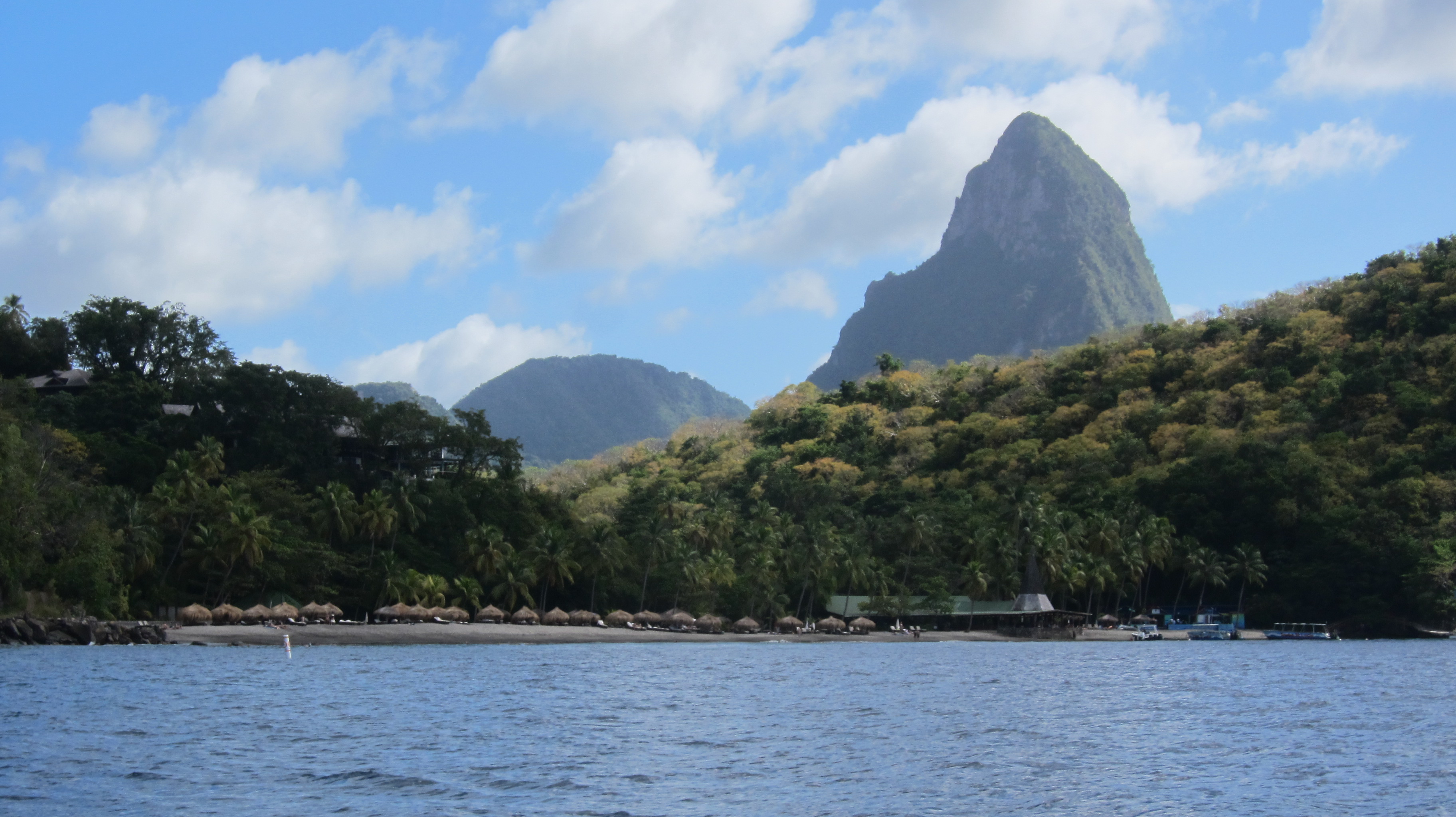
Some Caribbean beaches are pale and bright. Saint Lucia also has shores of dark volcanic sand, framed by rainforest and set above clear water.
Why the sand is dark
Saint Lucia is a volcanic island, and the sand on some of its beaches is made from eroded volcanic rock rather than coral or shell. The result is grey or black sand, which looks dramatic against green hills and turquoise water. These beaches are found mainly along the west and southern coastline, and each has its own character. The dark sand warms quickly in the sun, so wear sandals on hot days.
Because many of these beaches sit close to reef systems, clear water and steeper seabeds mean marine life is often visible near the shore. They suit snorkelling, gentle swimming and slow coastal walks more than organised activities. Our diving and snorkelling guide explains the sea beneath.
Near Soufrière
Anse Chastanet is one of the best known volcanic beaches on the island. Dark sand is framed by rainforest-covered hills, and the bay is part of a protected marine reserve known for snorkelling and diving. The resort of the same name is described on our Anse Chastanet page, and the beach lies a short drive from Soufrière.
Just south, Anse Mamin offers a wide stretch of dark sand and a quieter atmosphere. Surrounded by forest, it feels secluded and natural, ideal for peaceful swims and coastal walks. Further along the west coast, Anse Cochon is a small, picturesque bay with dark sand and vibrant underwater life, popular with snorkellers and divers.
On the south coast
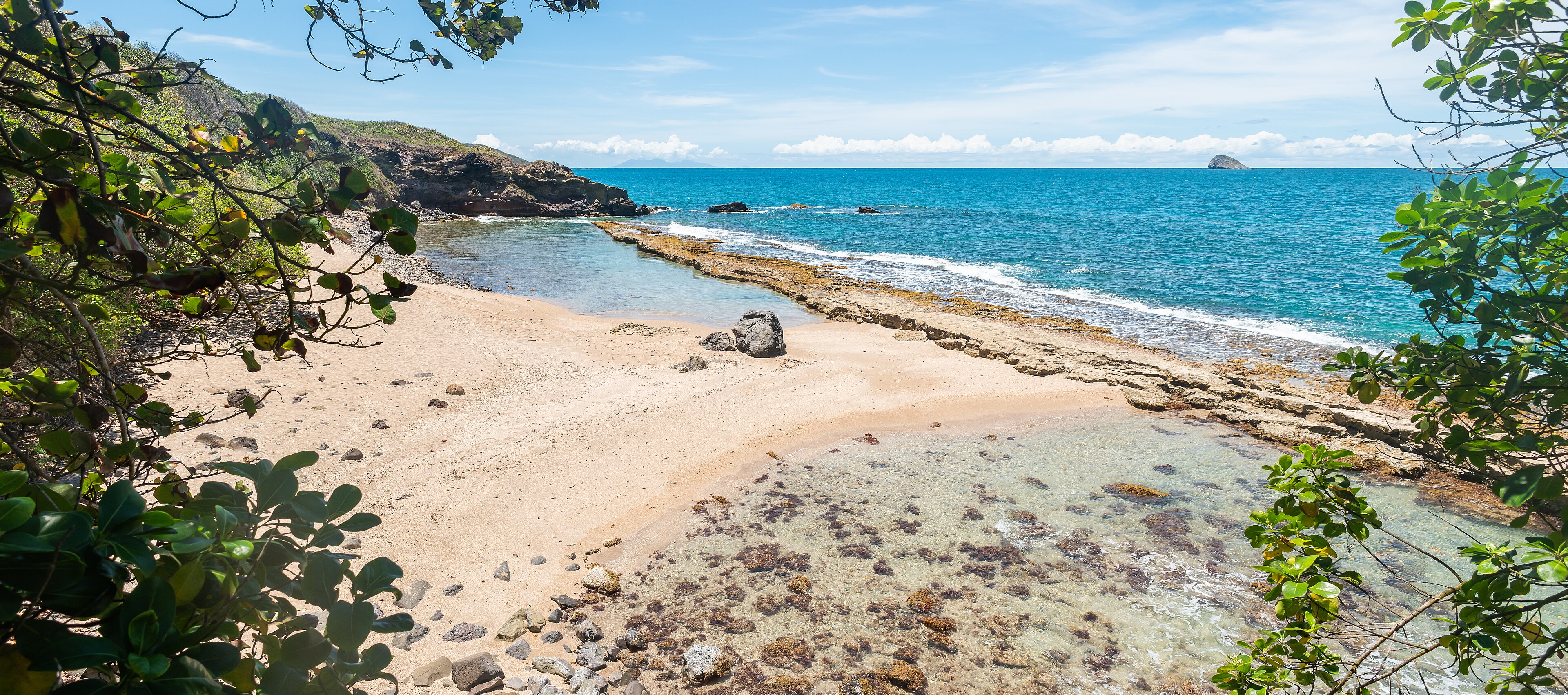
Near the fishing village of Laborie, a relaxed beach with dark sand and calm water gives a taste of everyday island life, with quiet views over the Caribbean Sea. Balenbouche Beach, a hidden gem further along the south coast, is known for wild beauty, surrounded by cliffs and lush vegetation. Near the southern tip, Anse L'Ivrogne is a remote volcanic beach with dramatic scenery and powerful Atlantic views.
The wilder south coast beaches need care. Currents and surf can be strong, so ask locally before swimming, and read our beach safety guide. The area around Vieux Fort is the usual starting point for exploring this coast.
- Anse Chastanet: reef and resort facilities.
- Anse Mamin: secluded, reached on foot.
- Anse Cochon: sheltered, with excellent visibility.
- Laborie, Balenbouche and Anse L'Ivrogne: local and wild.
Things to do on a dark sand shore
Snorkel the reef, walk the shoreline at low light, take photographs when the sun is low and watch the colours of the sea shift. Pack water, sun protection and a hat, because many of these beaches have little shade and few facilities. If you would like to see more of the landscape that made them, our Pitons guide and Sulphur Springs guide describe the volcanic sights nearby.
What does a black sand beach in Saint Lucia look and feel like?
A black sand beach in Saint Lucia has fine, charcoal grey sand flecked with silver, warm underfoot in the sun, set against green hills and clear water, and its colour shifts through the day from blue-grey at dawn to bronze at dusk. Dark sand takes a moment to get used to. Your eye expects pale grains and finds a deep shore instead, and the contrast with the forest behind and the clear water in front can be startling. The sand is a little heavier than coral sand and holds the warmth of the sun for hours, so walking at the water's edge, where the grains are damp and cool, is the most comfortable way to cross a beach at midday.
The colours change with the light in ways that pale beaches rarely manage. In the early morning the sand looks almost blue, with mist drifting off the forest and the first fishing boats heading out. At noon it turns a flat, shining grey. In the late afternoon, with the sun low across the water, it glows a warm bronze, and the sea above it turns a surprising emerald. Photographers and painters have long been drawn to this stretch of coast, and many visitors find themselves taking more pictures here than anywhere else on the island, usually of nothing more than the line where the wet sand meets the surf. Visit the same beach at dawn and again at dusk, and you will wonder whether it is the same place.
There is something quietly satisfying in knowing where the sand has come from. Every grain began as volcanic rock, was broken down by rain, rivers and waves, and carried to the shore. The same forces that raised the Pitons also made these beaches, and the town of Soufrière sits inside the rim of an ancient volcanic basin that is still geothermally active. Our guide to the geology and volcanoes of Saint Lucia tells the longer story, and it makes a good companion to an afternoon spent digging your toes into the sand. Children enjoy the idea that the beach is made of crushed mountain, and a handful of sand held up to the light shows tiny glittering crystals and flecks of darker mineral.
How do I fit a day around Anse Chastanet and Anse Mamin?
Spend the morning snorkelling from Anse Chastanet, walk the beach path to Anse Mamin for a quiet lunch, and return for a late swim, all within one unhurried day on the dark sand near Soufrière. At Anse Chastanet, a roped, buoyed area keeps boats away from the reef, which is why the water is calm enough for beginners. Non-guests can use the beach, a dive centre runs lessons and trips, and kayaks and paddleboards are available to hire. The crescent-shaped cove at Anse Mamin is about a ten minute walk along the path, quieter than its neighbour, with a beach bar and grill that is ideal for a lazy lunch. Arrive early to find a shady spot under the trees at the back of the beach, and bring a small bag for your valuables.
Another approach is to treat the beach as a reward at the end of an active day. Many guests who climb in the hills or explore the cocoa estates return to the shore in the afternoon, rinse off the dust in the sea and spend the last of the light on the sand. The cool water after a long walk is a small luxury, and a warm soak at the Sulphur Springs beforehand makes the contrast delicious. If you are short of time, a single sunset swim here is a good way to close a day of sightseeing, and the sand will be nearly empty. Beach shoes are handy for the walk back, and a dry towel in the car is a small luxury.
If you are staying in the area, Anse Chastanet and Ladera give very different views of the same coast, one from the sand and one from the ridge above. Day visitors can arrive by road or by boat, and the Soufrière guide explains how to base yourself in the town. Allow enough time to enjoy the shoreline rather than merely photograph it, and book any dive or snorkel trip a few days ahead in the busy season, when the dive centre can fill quickly and the water is busiest. Check the sea state with staff before you swim, and ask about the safest place to enter the water that day. Pack a light bag with a towel, water and a snack.
How do I look after the reef and myself on a volcanic beach?
Wear water shoes or sandals on hot dark sand, use reef-safe sunscreen applied well before swimming, never stand on coral, and watch the swell before entering the water on the wilder south coast. Volcanic beaches are often fringed by reefs, and the water close to the shore is home to young fish, urchins and corals. Treat them gently. The sand itself is robust, but the life offshore is delicate, and visitors who take a little care help to keep it as vivid as it is today. Rinse your feet and gear before and after the swim, and take any litter with you. Pack a reusable bottle and fill it before you set out, because remote beaches have no tap.
Practical comfort matters too. Dark sand absorbs heat, so bring a hat, water and something to sit on, such as a sarong or a folding mat. Shade may be limited, so a light umbrella or a long-sleeved shirt can be a sensible addition. On the south coast especially, swells can build quickly and currents can run along the shore, so read our beach safety guide to understand how to handle changing conditions. If the sea looks rough, enjoy the view and save the swim for another day, because the island has plenty of calmer water. A shaded spot at the back of the beach, under a sea grape or palm, can make a hot afternoon much more bearable, and it keeps the sand off your food.
Treat these beaches as places where people live and work as well as visit. Fishing boats may be drawn up on the sand, and villagers may be mending nets or sorting the catch. Ask before taking close photographs, buy a little fish or fruit if it is offered, and take your rubbish home. A friendly greeting costs nothing and often leads to useful local advice about where to swim and where to eat. The responsible travel guide suggests other small ways to travel well and to leave a good impression. A smile, a greeting in Kwéyòl or a question about the catch goes a long way, and it can lead to the best conversation of the trip.
The volcanic origins of dark sand
Dark sand is a direct result of the island's volcanic past. The geology and volcanoes guide tells that story in full, and the geography page places the beaches within the wider landscape.
Nearby reefs and shorelines are covered in marine life and coral reefs, while conservation and protected areas explains how these places are cared for.
Where to stay and how to plan
Most visitors fit this into St Lucia holidays, so choose your base first. Compare hotels in St Lucia by area and style, and read our guides to luxury hotels in St Lucia and all inclusive resorts in St Lucia if you are choosing between a boutique stay and an all in package.
Then set your dates with the best time to visit St Lucia, book flights to St Lucia and pick days out from our St Lucia itineraries. Couples can also read about a honeymoon in St Lucia or weddings in St Lucia.
Questions travellers ask
Why are some beaches in Saint Lucia black?
The island is volcanic, and the sand on some beaches is made of eroded volcanic rock instead of coral or shell.
Where are the black sand beaches?
Mainly along the west and south coasts, including Anse Chastanet, Anse Mamin, Anse Cochon, Laborie, Balenbouche and Anse L'Ivrogne.
Is black sand hot?
It warms quickly in the sun, so wear sandals on hot days and walk near the water's edge.
Can I snorkel from black sand beaches?
Yes. Anse Chastanet and Anse Cochon in particular have reef close to shore.
Is Anse Mamin easy to reach?
It is reached by a short walk through tropical forest from the south of Anse Chastanet.
Are the south coast beaches safe to swim at?
Conditions vary. Currents and surf can be strong at wilder beaches, so ask locally and swim only where it is safe.
Do black sand beaches have facilities?
Anse Chastanet has resort facilities, while remote beaches have few or none, so take water and supplies.
Is the sand rough or smooth?
It is fine and slightly heavier than white sand, and many people find it pleasant underfoot.
Is black sand hotter than white sand in Saint Lucia?
Yes, it absorbs more heat and can be uncomfortable at midday. Wear sandals, walk near the damp water's edge and visit in the early morning or late afternoon.
Can I visit Anse Chastanet if I am not a hotel guest?
Yes, the beach is open to non-guests, and a dive centre and water sports hire are available. Ask your driver or hotel about the current arrangements.
How far is Anse Mamin from Anse Chastanet?
About a ten minute walk along the beach path from Anse Chastanet, so it suits a half day combined with snorkelling, lunch at the beach grill and a quiet swim.
Anse Chastanet beach and reef on the map
Anse Chastanet beach and reef is at 13.8652 degrees north, 61.0777 degrees west. Map data from OpenStreetMap contributors.
Ask Lucy about Black sand beaches
Ask about places to stay, things to do, the weather or getting here.
Keep exploring Saint Lucia
Looking for the industry view? Visit St Lucia on VisitTravelGroup.com covers the destination for travellers and the tourism trade.
More from the Visit Travel Group network: VisitTravelGroup.com, Benidorm.co.uk, Anguilla.co.uk, TheRedSea.co.uk.