Beaches
Best Beaches for Families in Saint Lucia
A good family beach has calm water, soft sand and somewhere to eat nearby. These are the ones that tick every box.
What makes a beach good for children
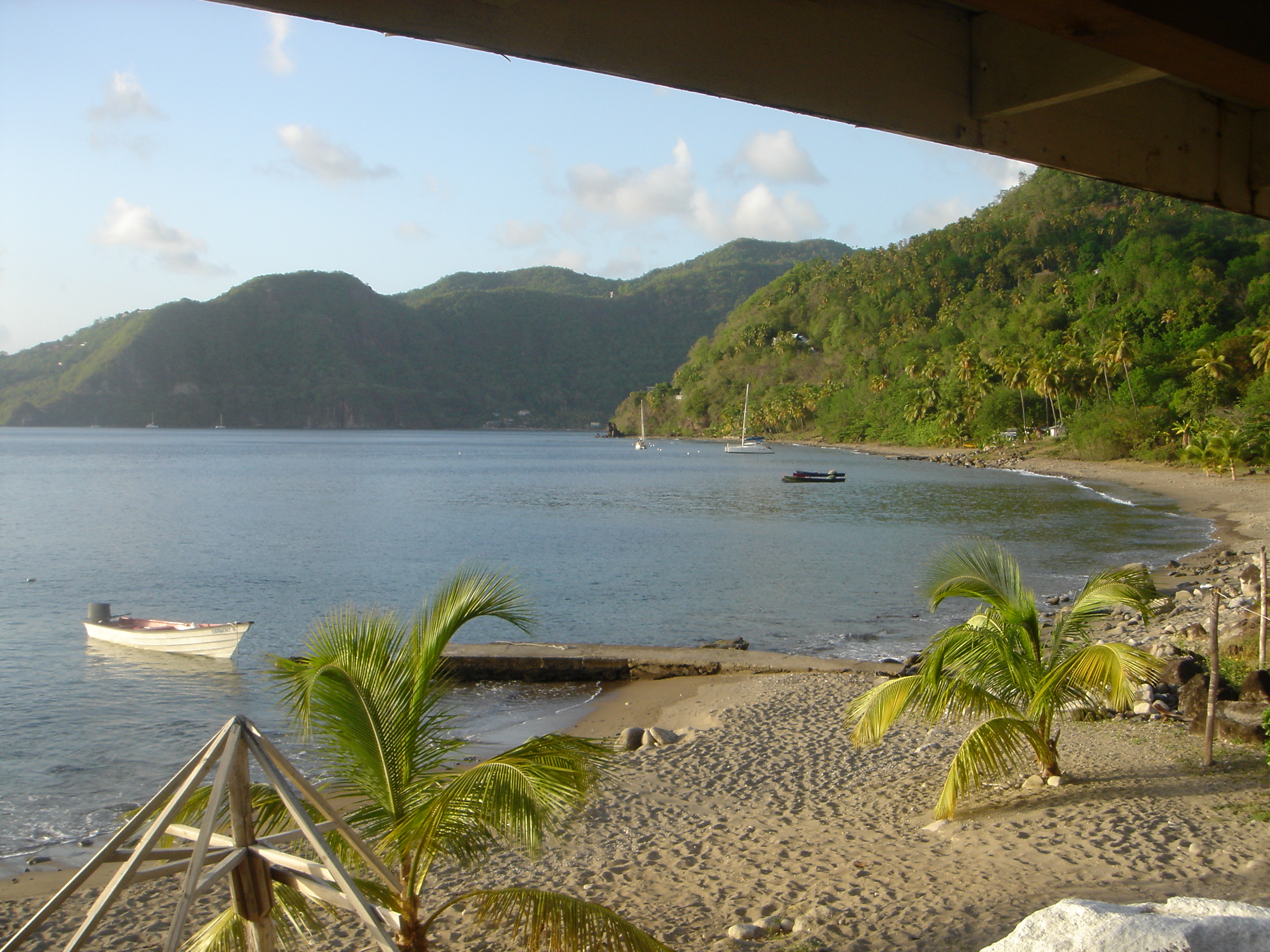
Families need three things: sheltered water, gentle entry and facilities close by. On Saint Lucia, the Caribbean west coast usually provides the first two, while resorts and beach restaurants supply the third. The Atlantic east coast can have stronger currents and larger waves, so it is better for walks than for paddling. Our beach safety guide sets out how to read the water, and our health and safety guide covers sun and insects.
The northern favourites
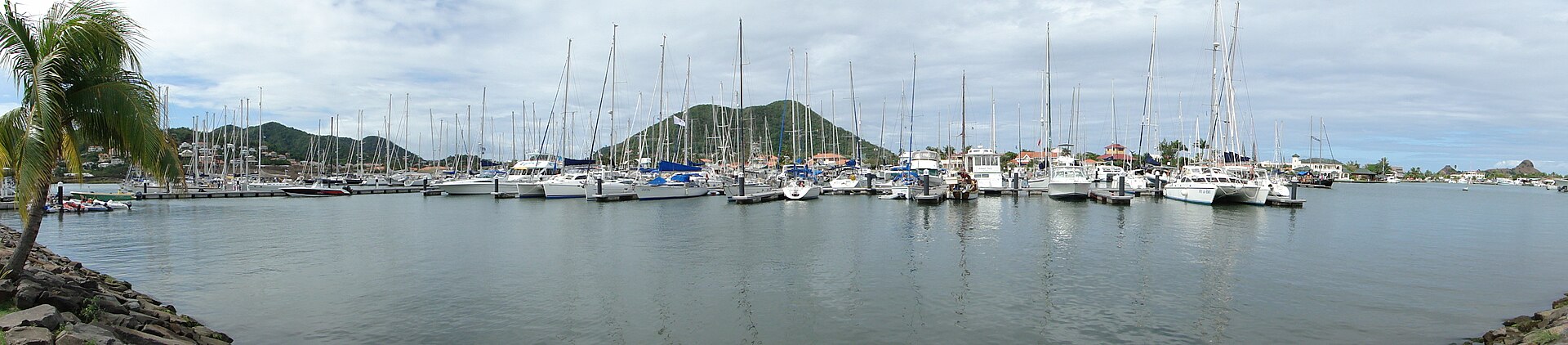
Reduit Beach in Rodney Bay is one of the most accessible beaches on the island, with calm water and plenty of space. Restaurants, water sports operators and shops are close, so you can combine swimming with lunch and an ice cream. Pigeon Island has sheltered coves with gentle swimming, and the park also has short trails and a fort, which gives older children something to explore.
Vigie Beach lies just minutes from the capital, with soft sand and relatively calm water. It is convenient and often less crowded than other beaches in the north. The resorts at Gros Islet and Rodney Bay, including Sandals Grand Bay, have their own beach facilities.
Beaches in the middle and south
Marigot Bay has protected water in a peaceful setting, ideal for families who prefer a quieter atmosphere, as our Marigot Bay guide describes. In the southwest, Sugar Beach between the Pitons has clear water that suits swimming and snorkelling with older children, and Anse Chastanet offers reef life a few steps from the sand for those who like to explore.
Cas en Bas is a wide, open beach on the east coast with room for games and walks. Some areas can have waves, so supervise carefully. Malabar Beach, in the south, has shallow areas suited to swimming, especially near resort areas.
- Choose west coast beaches for swimming with young children.
- Use the east coast for walks, kites and games.
- Keep children within arm's reach in the water.
Tips for a smooth beach day
Arrive early, before the sun is strong, and take breaks in the shade. Use a high factor, reef-safe sunscreen, and bring plenty of water, hats and rash vests. Pack a small bag of sand toys, a towel for each child and a change of clothes, and check whether the beach has toilets and showers. Many family beaches have no lifeguard, so you are the lifeguard.
Combine a morning on the sand with a gentle outing in the afternoon, such as a short walk or a boat trip. Our packing list and how many days guide help you plan the trip, and the rainy day guide has fallbacks for showers.
How do I plan a family beach day in Saint Lucia?
Plan a family beach day in Saint Lucia around the sun: swim early, take shade and lunch in the heat of the day, then return to the sand in the late afternoon when the water is warm and the light is soft. Children wake early in the tropics, and the hour after sunrise is the loveliest on the sand, with cool air and a sea that is usually at its calmest. A short walk along the water's edge, a first paddle and a search for shells wear off the early energy, and everyone returns to breakfast pleasantly hungry. Parents who build this small ritual into the holiday often find the rest of the day runs more smoothly.
By mid-morning the sun is climbing and shade becomes the priority. A good routine is to move to a restaurant or covered terrace for a long lunch, where children can rest, colour in or play cards, and everyone can drink plenty of water. The middle of the day is a sensible time for a nap, a swim in the hotel pool or a quiet hour with books, because the strongest sun is best avoided altogether. Long lunches in the shade are very much part of the island's rhythm, and nobody will think you lazy for taking one. If you want to stay on the beach, a pop-up shelter or a rented umbrella makes the afternoon far more comfortable.
The late afternoon is the second window for play. The temperature drops, the sea is warm and welcoming, and this is when sandcastles get ambitious and evening games of football or cricket begin at the edge of the shore. Ending the day with an ice cream and a slow walk to watch the sunset gives children a story to tell at bedtime. The beach bars and sunsets guide suggests relaxed places where families are welcome, and where an early dinner will not look out of place. Bring a light jumper for the breeze that rises as the sun sets, since children cool down faster than they expect. Pack a spare towel for each child, because wet sand finds its way into everything.
Which beach suits toddlers, primary children and teenagers?
Toddlers do best at sheltered resort beaches or gentle coves with shade, primary children enjoy Reduit and Pigeon Island for paddling and exploring, and teenagers prefer beaches with water sports, kayaks and boat trips. Toddlers and babies need shade, shallow water and as little walking as possible. Bring a pop-up tent or beach umbrella, a bucket of toys and a reliable sun hat, and set up near the water's edge where you can see everything. Beach restaurants with toilets nearby are worth their weight in gold at this age, so choose your spot with the nearest facilities in mind. Remember that sand and sea are tiring, so plan for an early supper.
Primary-age children usually want to do something, and the island provides plenty. Paddling, rock pooling, building drip castles and short boat trips are all within reach of the northern beaches, and a visit to Pigeon Island adds a fort to climb and a trail to explore. Many children enjoy their first snorkel here, with a well-fitting mask, a flotation vest and a patient adult within arm's reach. Always check the conditions with a local before anyone enters the water, and keep sessions short so that tired legs do not lead to mistakes. Rock pools at the edges of Pigeon Island give a good hour of discovery with a net and a bucket.
Teenagers tend to want independence, so look for beaches with water sports, music and a little life about them. Paddleboarding, kayaking and a snorkel trip are good options, and our water adventures guide shows what is available. Give older children a clear boundary, such as a flag or a marked section of beach, and agree a meeting time and place. A boat trip with swimming stops feels adventurous without being risky, and it often wins over a teenager who had planned to be bored for the entire holiday. Phones in waterproof pouches also keep parents calm when teenagers wander along the shore. A short guided kayak or paddleboard session is also a good way to introduce water safety without lecturing.
What should families pack and where should they stay for the beach?
Families should stay at a hotel with its own sheltered beach, shade and a choice of restaurants, and pack sun protection, a rash vest, sandals for hot sand and a small first aid pouch. Choosing where to stay makes the biggest difference to a family beach holiday. A hotel with its own beach and a children's club removes much of the logistical stress, and our page on family friendly resorts explains what to look for. Check how far the room is from the water, whether there is shade on the sand and whether beach attendants are provided, because these small details shape how relaxed the days feel. If you plan to rent a villa instead, ask how far it is from the sand and whether a shop is close.
Mix beach days with other activities so that nobody tires of the sand. A morning at the beach, an afternoon in the pool, a gentle walk to a waterfall or a visit to a chocolate estate all help to keep children engaged and give parents something to look forward to. If the weather turns, the rainy day ideas guide has sheltered alternatives, and the family trip planning guide helps when sketching an itinerary around naps, meals and the long drive between the coasts. Spread the busy days out, and let a slow beach day follow a long excursion. On long drives, pack snacks and games, because the winding roads can test young passengers.
Think about the practical kit that makes everything easier. A lightweight bag with a change of clothes for each child, a flask of cold water and a packet of wipes can solve most small crises before they begin. Insect repellent for the evenings, a rash vest for sun protection and sandals that cope with hot sand are all worth bringing, and our packing list covers the essentials so you do not forget them. A small, light bag you can carry in one hand is better than a large one that stays at the hotel. Pack snacks as well, since hungry children are not good company under a hot sun. Fold a lightweight blanket into the bag as well, so that a tired child can sleep in the shade.
Planning a family day with some context
Families often enjoy a beach more when children know what they are seeing. The guides to marine life and coral reefs, wildlife and ecology and reptiles and mammals are good starting points for curious young explorers.
Parents may also like the climate guide for choosing a season, and culture and traditions for ideas to fill the rest of the day.
Where to stay and how to plan
Most visitors fit this into a holiday in St Lucia, so choose your base first. Compare places to stay in St Lucia by area and style, and read our guides to luxury hotels in St Lucia and all inclusive resorts in St Lucia if you are choosing between a boutique stay and an all in package.
Then set your dates with the best time to visit St Lucia, book flights to St Lucia and pick days out from our St Lucia itineraries. Couples can also read about a honeymoon in St Lucia or weddings in St Lucia.
Questions travellers ask
Which beach is best for young children?
Reduit Beach, Pigeon Island's coves, Vigie and Marigot Bay all have calm, sheltered water that suits young children.
Are there lifeguards on Saint Lucian beaches?
Many beaches have no lifeguard on duty, so keep children within arm's reach and check conditions before they swim.
Is the east coast safe for children?
The Atlantic side has stronger currents and bigger waves, so it is better for walking and play on the sand than for swimming.
Are there family-friendly resorts on the beach?
Yes. Several resorts have calm beaches, children's facilities and water sports, particularly in the north near Rodney Bay.
Can children snorkel at Anse Chastanet?
Older children who are confident in the water enjoy the reef, which begins close to shore. Supervise them closely.
What should I pack for a beach day with kids?
Reef-safe sunscreen, hats, rash vests, water, snacks, sand toys, towels and a change of clothes.
Are the beaches close to restaurants?
Reduit, Pigeon Island and resort beaches have food nearby, while remote beaches have none, so bring supplies.
Is it hot at the beach all year?
Temperatures are warm throughout the year. Shade, water and midday breaks matter more than the season.
What is the best time of day for a family at the beach in Saint Lucia?
Early morning and late afternoon. The sun is softer and the water calmer then, while the middle of the day is better spent in shade, at lunch or resting at the hotel.
Is Saint Lucia suitable for babies and toddlers at the beach?
Yes, at sheltered beaches with shade and gentle shallows. Bring a beach tent, keep sun exposure short and stay within arm's reach of the water at all times.
Do family beaches in Saint Lucia have toilets and cafés?
Resort beaches and busy spots like Reduit do, but quieter beaches have few facilities, so bring water and snacks and plan around what is available.
Reduit Beach on the map
Reduit Beach is at 14.0747 degrees north, 60.9554 degrees west. Map data from OpenStreetMap contributors.
Ask Lucy about Family beaches
Ask about places to stay, things to do, the weather or getting here.
Keep exploring Saint Lucia
Looking for the industry view? Visit St Lucia on VisitTravelGroup.com covers the destination for travellers and the tourism trade.
More from the Visit Travel Group network: VisitTravelGroup.com, Benidorm.co.uk, Anguilla.co.uk, TheRedSea.co.uk.