About Saint Lucia
Wildlife and Ecology of Saint Lucia: Habitats, Endemic Birds and Where to See Them
For an island of only 617 square kilometres, Saint Lucia packs in an extraordinary range of habitats, from windswept dry scrub to cloud-wrapped mountain forest, and it shelters species that live nowhere else on Earth.
A small island with many habitats
Saint Lucia is a volcanic island in the Windward Islands, and its shape explains much of its wildlife. A spine of steep mountains runs down the middle, rising to just under 950 metres at Mount Gimie, and the trade winds drop most of their rain on the higher ground. The result is a wet, cool interior and a drier, hotter coast, all within a few kilometres of each other. If you want the physical background first, our guide to the geography of Saint Lucia sets out the mountains, rivers and coastline.
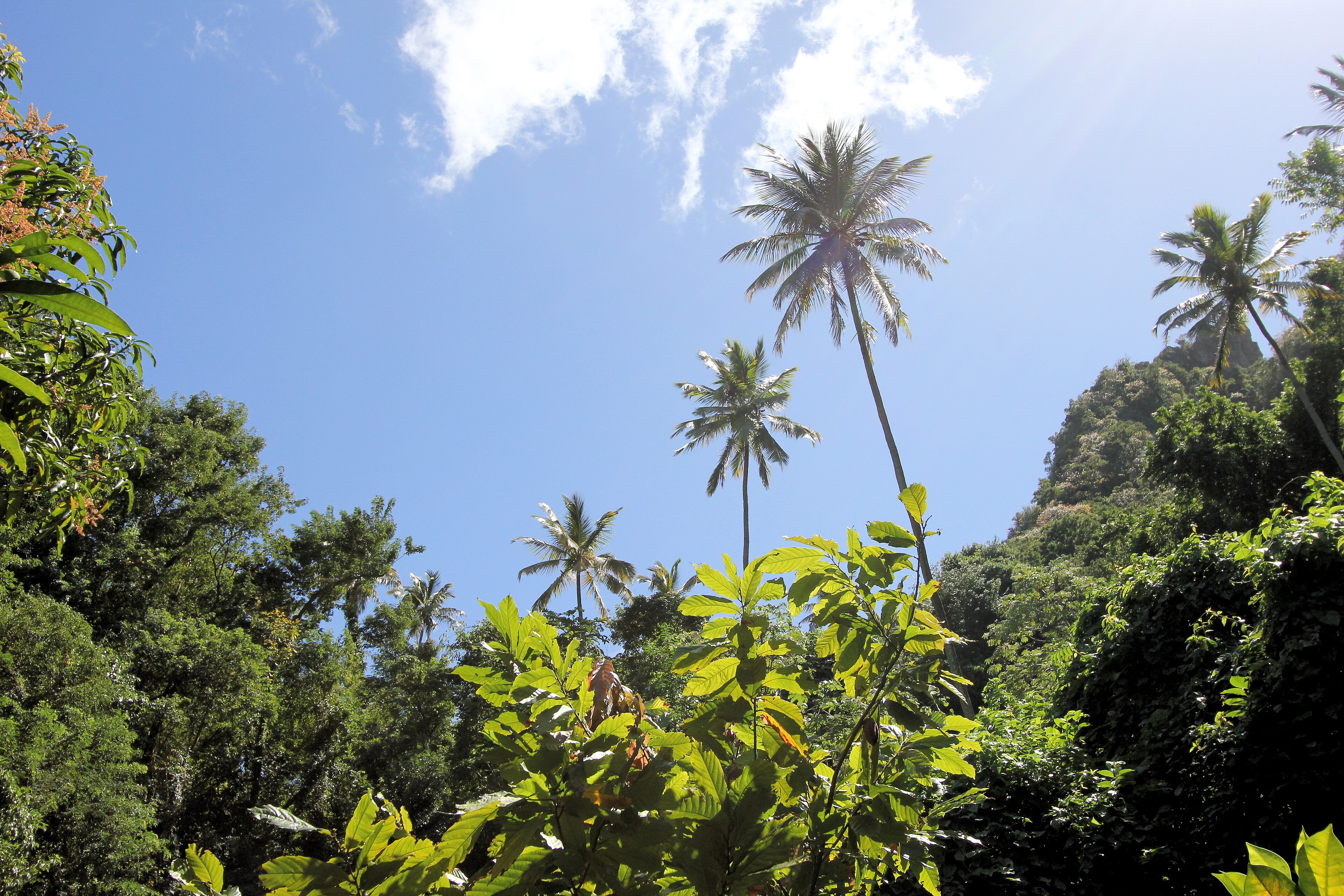
Conservation scientists usually describe the island's natural vegetation as two broad families. Moist forest covers the high ground, where rainfall is heavy and the canopy is thick with epiphytes, ferns and palms. Dry forest and scrub cling to the leeward and low-lying parts, where the rainy season is shorter and many trees drop their leaves in the dry months. Between and around these sit mangroves, freshwater streams, grassy hillsides, small farms and gardens, and a coastline of rocky headlands, black and golden sand and shallow reef.
Because the island is small, the ecosystems are close together, and that is good news for visitors. You can watch seabirds on a dry coastal headland in the morning and walk beneath tree ferns in the afternoon. Our guide to hiking and rainforest trails shows how easily the two worlds can be combined in a single day.
- Moist and montane forest in the interior, above roughly 500 metres.
- Dry forest and scrub on the leeward coast and the exposed east and south.
- Mangroves, lagoons and freshwater streams at the coast.
- Coral reefs, seagrass beds and open water offshore.
Why island wildlife is special
Islands behave like natural laboratories. Animals and plants that arrive by wing, wind or floating debris find few competitors and few predators, and over thousands of years they drift away from their mainland relatives. Saint Lucia has never been joined to South America or any other landmass, so its native land animals are a small group of good swimmers, flyers and drifters: birds, bats, reptiles, amphibians and a handful of small mammals. Large mammals simply never arrived on their own.
That isolation produced a notable number of endemic species, meaning plants and animals found only on Saint Lucia. Five of the island's resident birds are endemic, along with several reptiles and a number of plants and invertebrates. The flip side is vulnerability. An island species often has a small total population in a small area, and when something goes wrong, such as a hurricane, a new predator or the loss of a forest patch, there is nowhere else for it to survive. That is why so many of the endemic animals described in this guide are listed as threatened.
The island's mixed history of cane, bananas and settlement also reshaped the landscape. Lowland forest was cleared long ago, and much of what remains in the wild interior is protected forest reserve. To see how conservation is organised today, read our guide to conservation and protected areas.
Jacquot, the Saint Lucia parrot
No animal is more closely tied to the national identity than the Saint Lucia parrot, Amazona versicolor, known in Kwéyòl as Jacquot. It is the national bird, and it appears on stamps, coins and civic emblems. An adult is a stocky green amazon parrot about 42 to 46 centimetres long, with a blue forehead and face, a red upper breast and flashes of red and blue in the wings. Males and females look alike. It lives in the island's mountain forest, typically between about 500 and 900 metres, where it feeds on the fruits and seeds of forest trees and palms.
The story of the parrot is a conservation success, though an unfinished one. Hunting, the pet trade, forest clearance and hurricanes drove numbers down to roughly 150 birds by the late 1970s. A concerted effort by the Forestry Department and the Saint Lucia National Trust, with strong public support and international help, followed. Laws were enforced, the species was elevated to symbol status, and a long public education campaign took hold. The population has since recovered to well over a thousand birds, and the IUCN lists the species as Vulnerable rather than Critically Endangered.
Seeing one is a matter of patience. Parrots are shy, quiet when feeding and surprisingly hard to spot against green foliage, but they are noisy in flight at dawn and dusk. Our birdwatching guide explains the best forest trails and why a local guide transforms your chances.
The other endemic birds
The parrot has four fellow endemics, each fascinating in its own way. The Saint Lucia oriole, locally called Corouge, is a slim black bird with russet-orange patches on the shoulders and belly, and its whistled song carries through the forest edge. It has declined, and its conservation status was raised to Endangered in 2022, with threats including habitat loss and nest parasitism by the shiny cowbird, a recent arrival in the Caribbean.
The Saint Lucia black finch is a stocky, secretive bird that forages on the ground in dense undergrowth, and it is also listed as Endangered. The Saint Lucia wren is a tiny, restless bird of dry scrub and rocky ground that disappears into crevices, and its population is small. The Saint Lucia thrasher, known in Kwéyòl as gorge blanc, was long regarded as a population of a Martinique bird but is now treated as a species of its own. It is dark brown above and white below, and it nests close to streams in forest gullies.
Beyond the endemics, the island has a lively resident and migratory bird list, with a total of nearly 200 species recorded. Hummingbirds visit flowering heliconias and gardens, bananaquits are bold enough to share a breakfast table, and frigatebirds and brown pelicans work the coast. Migrants arrive from North America in the cooler months, and the sea-facing cliffs hold nesting seabirds.
- Saint Lucia parrot (Jacquot): national bird, mountain forest.
- Saint Lucia oriole (Corouge): forest edge and mangroves.
- Saint Lucia black finch: dense undergrowth, ground forager.
- Saint Lucia wren: dry scrub, rocky ground.
- Saint Lucia thrasher (gorge blanc): wooded gullies near streams.
Mammals, bats and introduced species
Land mammals are few. Bats are the only truly native group and they are present in several species, feeding on fruit, nectar and insects and sheltering in caves, old buildings and hollow trees. The manicou, a small marsupial similar to an opossum, is widespread in forest and farmland and is often glimpsed at night. The agouti, a long-legged rodent, was brought to the island by people, as were rats, mice, the small Indian mongoose and the many domestic animals now living wild or semi-wild. We cover them in detail in our guide to reptiles and mammals.
Introduced species have had a heavy impact. The mongoose was released in the nineteenth century to control rats in the cane fields, and it is blamed for driving several reptiles, including the Saint Lucia racer, to the edge of extinction on the main island. Rats prey on eggs and nestlings. The shiny cowbird threatens the oriole by laying eggs in its nests. In the sea, the Indo-Pacific lionfish has settled on the reefs, and on land alien plants crowd out native ones.
This is why the offshore islets are so valuable. Without mongooses and rats, places such as the Maria Islands provide a safe refuge for lizards, snakes and nesting seabirds. Visitors can help by never moving soil, plants or animals between islands and by following biosecurity instructions at protected sites.
Where to see wildlife as a visitor
Start with the forest. Trails in the central mountains give you the best chance of parrots, hummingbirds and the island's tree frogs, and guided walks add a great deal because rangers know where birds feed and nest. Our nature and rainforest itinerary links the best sites together over a few days.
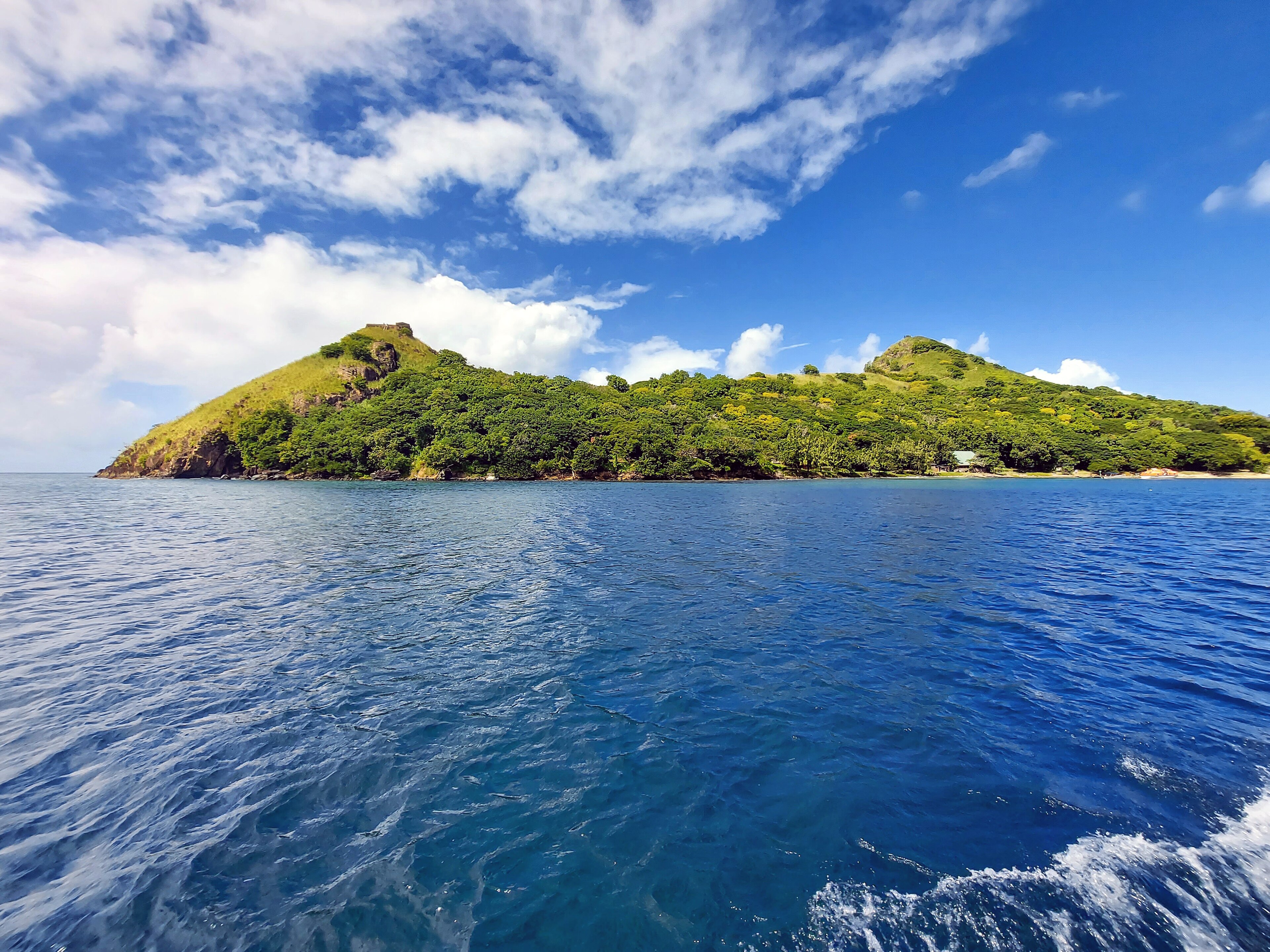
On the coast, the Pigeon Island National Landmark has dry woodland, anoles and birds along its short trails, and you can read about it in our Pigeon Island guide. Mangrove edges and lagoons are good for herons, egrets and kingfishers. Offshore, the best wildlife is marine, from reef fish to dolphins, so look at whale and dolphin watching for boat trips. In the south, the Maria Islands Nature Reserve can be visited only on guided trips arranged through the Saint Lucia National Trust, and access may be limited at times of year when seabirds are nesting.
Gardens are another good place to start, particularly if you have young children or limited mobility. Hotel grounds, the botanical gardens and nature parks and plantation gardens attract hummingbirds, butterflies and lizards, and many have shaded paths with benches.
Watching wildlife responsibly
A few simple habits make a large difference. Keep to marked paths, which protects fragile undergrowth and the ground-nesting birds. Do not feed wild animals, because it alters their behaviour and brings in pests. Never buy products made from turtle shell, coral or feathers, and never keep wild birds as pets, a practice that once pushed the parrot close to extinction.
Use a licensed guide where one is available, and book through operators who follow the rules of the Forestry Department or the National Trust. Keep noise down, avoid playing recorded bird calls, and leave nothing behind. If you are interested in giving something back, our guides to responsible travel and eco tips and local initiatives describe practical ways to support conservation during your stay.
Questions travellers ask
What is the national bird of Saint Lucia?
The national bird is the Saint Lucia parrot, Amazona versicolor, known locally as Jacquot. It is a green amazon with a blue face and red chest, found only on Saint Lucia.
How many endemic birds does Saint Lucia have?
Five resident birds are endemic: the Saint Lucia parrot, the oriole, the black finch, the wren and the thrasher. All five live nowhere else in the world, and most are threatened.
Is the Saint Lucia parrot still endangered?
The IUCN lists it as Vulnerable. Numbers fell to about 150 in the late 1970s but have recovered to well over a thousand birds thanks to protection and public education campaigns.
Where is the best place to see the Saint Lucia parrot?
Your best chance is in the mountain forest of the interior with a local guide, ideally early in the morning or near dusk when the birds are most active and vocal.
Does Saint Lucia have dangerous animals?
Very few. The fer-de-lance, a venomous pit viper, lives in some forest and farmland areas but is rarely seen. Sensible footwear and keeping to paths reduces any risk to almost nothing.
Are there monkeys or large mammals on Saint Lucia?
No. The island has no native large mammals. You may see bats, the manicou, agoutis introduced by people, and the small Indian mongoose, which was also brought in deliberately.
What is the biggest threat to Saint Lucia's wildlife?
Habitat loss and introduced predators are the main threats, along with hurricanes and climate change. Invasive species such as mongooses, rats and lionfish have harmed native animals significantly.
Can I visit the Maria Islands Nature Reserve?
Yes, but only on guided trips arranged through the Saint Lucia National Trust. Access is controlled to protect rare reptiles and seabirds, so independent landings are not allowed.
When is the best time of year to see wildlife?
The dry season from December to May makes trails easier and many birds are easier to see. Seabird nesting and turtle nesting follow their own seasons, so check before you book.
Saint Lucia on the map
Saint Lucia lies in the Windward Islands of the eastern Caribbean, around 13.8830 degrees north, 60.9670 degrees west. Map data from OpenStreetMap contributors.
Ask Lucy about Wildlife and ecology
Ask about places to stay, things to do, the weather or getting here.
Keep exploring Saint Lucia
Looking for the industry view? Visit St Lucia on VisitTravelGroup.com covers the destination for travellers and the tourism trade.
More from the Visit Travel Group network: VisitTravelGroup.com, Benidorm.co.uk, Anguilla.co.uk, TheRedSea.co.uk.