Experiences
Eco Tips and Local Initiatives in Saint Lucia
Beyond the basics of leaving no trace, there are real projects on the island that visitors can see, join and support.
A shared responsibility
Saint Lucia has set out to protect its natural and cultural treasures while still welcoming visitors. The aim is to balance growth with preservation, so future generations enjoy the same beauty visitors see today. Communities, businesses and conservation groups share the work, and visitors can join in.
This page goes deeper than the general advice in our responsible travel guide. Think of it as a list of places to go and things to do that make a difference.
The island's approach rests on three ideas: responsible tourism, care for the environment and involvement of local people. In practice that means protected forests and marine areas, community-run projects and businesses that put something back. As a visitor you meet these ideas in small ways, from a guide who explains why a trail is protected to a restaurant that serves what is in season.
Coral restoration
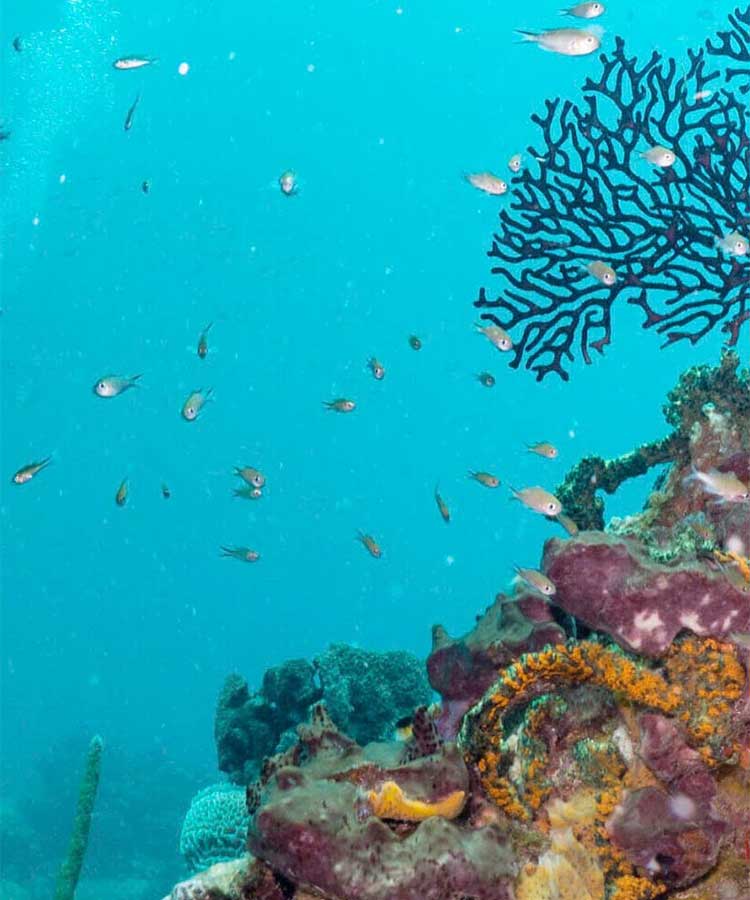
At Anse Chastanet, a partnership with marine conservation organisations has created coral nurseries just off the beach, where fragments are grown before being planted back onto reefs. Divers and snorkellers can see the work and, through the dive centre, sometimes help plant or maintain the corals. Community projects around Soufrière also grow resilient species in underwater nurseries and replant them across the island.
These projects strengthen marine life, protect the coast and create livelihoods linked to the sea. Read our guide to diving and snorkelling for how to book, and ask operators about reef etiquette.
If you snorkel or dive, keep your fins well away from the reef, avoid standing on coral and do not feed fish. Good operators brief you before you get in the water, and they are glad when guests ask questions. Healthy reefs protect the coast from storms and sustain the fishing communities that depend on them, so the work is practical as well as beautiful.
Turtles, birds and protected places
Sea turtles nest on protected beaches, and local groups such as the Grande Anse Sea Turtle Watch Group monitor nests and work with nearby communities. If you visit a nesting beach, keep lights low, stay back and follow the guides.
Birdwatchers should try the Millet Bird Sanctuary Trail, home to more than 30 species including five found nowhere else: the Saint Lucia Parrot, Black Finch, Oriole, Pewee and Warbler. It is a short drive from Marigot Bay and Castries, and it looks over the Roseau Dam. See our guide to birdwatching for more.
Protected forests and marine reserves are home to rare wildlife found nowhere else in the Caribbean. The Saint Lucia National Trust and the National Conservation Fund support habitat protection, restoration and biodiversity work across the island. When you walk in a protected area, stay on the marked path, take a guide where one is required and leave plants and animals as you found them.
Community-led experiences
Several experiences feed money straight back to people. The monthly FarmHers market in Castries, organised by Helen's Daughters, supports women farmers and sells jams, pepper sauces, handmade soaps and sea moss gels. At Rabot Hotel from Hotel Chocolat, the Project Chocolat experience supports the revival of cacao farming and ends with a bean-to-bar workshop.
Country Life Park gives a taste of rural life, with walks in the rainforest, native birds and a coconut-opening lesson. Our guide to community tourism describes more of these visits.
Everyday eco habits
Small habits add up. Carry a refillable bottle, use reusable bags at markets and shops, take your rubbish with you from beaches and trails, and apply reef-safe sun protection before you swim. Stay on marked paths in protected areas, and never touch coral or disturb marine life.
Food choices count as well. Eat locally caught fish where the season allows, and buy from stalls and small producers, as our guide to shopping local suggests.
- Refill a bottle instead of buying single-use plastic.
- Use reef-safe sun protection.
- Keep to marked trails and take litter home.
A conscious week
You do not need to rearrange your holiday to travel well. A conscious week might begin with a morning at the FarmHers market if your dates fall right, followed by a swim at a quiet beach with reef-safe protection and a refillable bottle. Another day could be a guided walk in the forest or a bird trail, and another a dive or snorkel at the coral nurseries near Anse Chastanet.
Add an afternoon at a cocoa estate to learn how cacao farming is being revived, and eat at places that serve local fish and produce. Our cocoa and chocolate guide covers the estates, and the nature and rainforest itinerary shows how to link these days together. By the end of the week you will have seen more of the island than most visitors and left a lighter footprint than most too.
Joining in
If you want to do more, see our guide to volunteering, and pair your holiday with a stay from our list of sustainable stays. The Saint Lucia National Trust and the National Conservation Fund are the main organisations to know. Contact projects before you travel, since opportunities change with the season.
Whatever you decide, the most useful thing is to pay attention. Ask questions, notice how local people care for their surroundings and bring the same habits home with you. A visitor who leaves the reef, the forest and the beach as they found them has already done something valuable, and spending money in the right places does the rest.
What conservation projects can visitors see in Saint Lucia?
Visitors in Saint Lucia can see coral nurseries off Anse Chastanet, turtle monitoring on nesting beaches such as Grande Anse, bird conservation at the Millet Bird Sanctuary Trail and heritage and forest work led by the Saint Lucia National Trust. These projects are real, local and welcoming to respectful guests. The best way to experience them is through a guide or operator who works with the group, rather than turning up unannounced. Ask your dive centre, hotel or tour provider what is running during your dates, since many projects depend on season, weather and staffing.
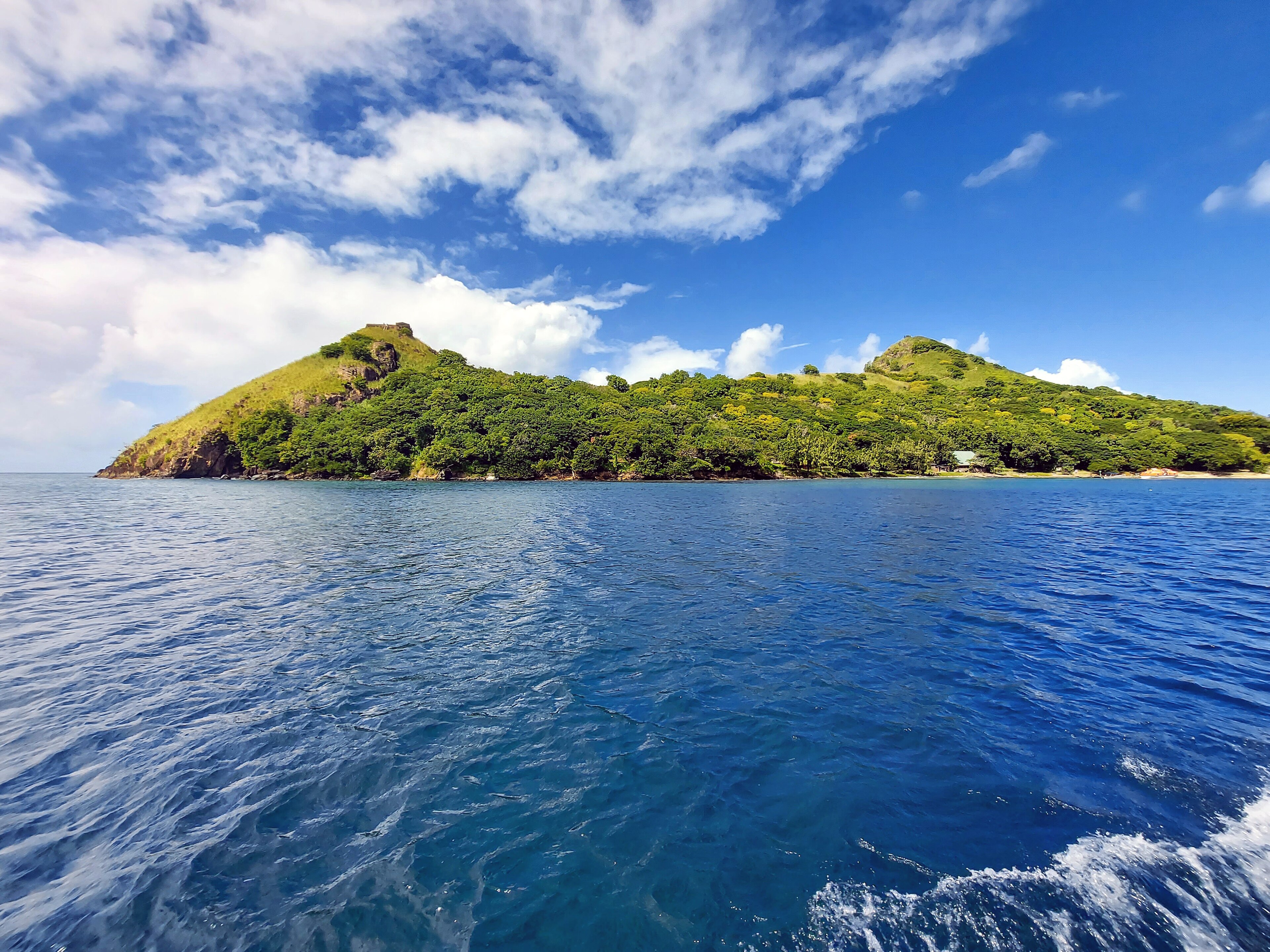
Seeing a project in action changes how you think about the island. A coral nursery shows how fragments are grown and replanted, a bird trail shows why protected forest matters for species found nowhere else, and a heritage landmark such as Pigeon Island shows how history and nature are cared for together. Our Pigeon Island guide describes the landmark managed by the Saint Lucia National Trust, and the marine life and coral reefs guide explains the underwater world these projects protect.
Support does not have to mean volunteering. Paying entrance fees, joining guided tours, buying from community shops and following the rules at sensitive sites all help. Donations to recognised organisations are another route, and many accept them from visitors. Keep photographs respectful, never disturb nests, and report problems politely to a guide or ranger rather than confronting other visitors. Our wildlife and ecology guide gives background on the animals and plants you might meet, and it makes a helpful companion on any nature day.
How do you snorkel or dive responsibly around Saint Lucia's reefs?
To snorkel or dive responsibly around Saint Lucia's reefs, keep fins and hands away from coral, never stand on the reef, avoid feeding fish, wear reef-safe sun protection and choose operators who brief you on etiquette and protected areas. Healthy coral is the foundation of the coastline, protecting beaches and supporting fishing, and it is fragile. A single kick can break decades of growth. Good operators insist on buoyancy skills and give clear briefings, so ask how they manage groups and whether they take part in reef projects. Their answers tell you a lot about their standards.
Choose where you swim with care. Marine reserves around Soufrière and the Anse Chastanet area are among the best-known sites, and their protection means richer sea life and stricter rules. Follow the signs, use designated mooring points where they exist and respect fishing zones. Our diving and snorkelling guide covers the sites and how to book, and the snorkelling beaches guide helps independent swimmers choose easy entry points. Beginners should start in calm water with a guide and build confidence slowly.
Sun cream is part of the picture. Choose products labelled reef-safe, apply them well before entering the water and cover up with a rash vest or UV top where you can. Avoid the sea if you feel unwell or tired, check conditions with a lifeguard or operator, and never swim alone. Our beach safety guide explains currents and local conditions. Carry out everything you take in, and if you see rubbish on the beach, pick up a little. Travellers who leave a place cleaner than they found it set a lovely example for those around them.
What can you do for the environment on a short holiday in Saint Lucia?
On a short holiday in Saint Lucia you can help the environment by using a refillable bottle, saying no to single-use plastic, choosing locally caught fish and produce, staying on marked trails, using reef-safe sun cream and booking with small local operators. None of these takes much effort, and together they make a visible difference when thousands of visitors adopt them. Start on the plane by packing a reusable bag and bottle, and keep up the habit at the markets, on the beach and during excursions. Small routines are easier to maintain than grand gestures.
Food is a good place to start. Eating in small restaurants and at market stalls puts money into local hands and reduces the transport of imported goods. Ask what is local and in season, and be open to dishes you do not recognise. Our food and rum guide explains what to try, and the street food guide shows how to eat well cheaply. Pay for what you eat generously where you can, and avoid wasting food at buffets by taking small portions and returning for more.
Think about getting around. Shared taxis and organised tours reduce the number of vehicles on narrow roads, and walking short distances is a pleasure on an island of this scale. Our getting around guide explains the options, and the responsible travel guide gathers the principles in one place. Finally, share what you learn. Tell friends about projects worth visiting, post thoughtful reviews and consider donating after you return. A visitor who goes home with a lasting habit has done more for the island than one who made a single grand gesture.
The habitats these tips help protect
Small choices matter more when you know what they protect. Conservation and protected areas describes the island's approach, and marine life and coral reefs covers the sea.
On land, see wildlife and ecology, and for the weather patterns that put pressure on habitats, read climate and hurricanes.
Turning this into a St Lucia holiday
Most visitors fit this into holidays to St Lucia, so choose your base first. Compare St Lucia hotels by area and style, and read our guides to luxury hotels in St Lucia and all inclusive resorts in St Lucia if you are choosing between a boutique stay and an all in package.
Then set your dates with the best time to visit St Lucia, book flights to St Lucia and pick days out from our St Lucia itineraries. Couples can also read about a honeymoon in St Lucia or weddings in St Lucia.
Questions travellers ask
Can visitors help restore coral?
At some sites, yes. Dive and snorkel operators near Anse Chastanet and Soufrière sometimes involve visitors in planting and maintaining coral. Ask when booking.
Which birds are found only in Saint Lucia?
The Saint Lucia Parrot, Black Finch, Oriole, Pewee and Warbler. The Millet Bird Sanctuary Trail is a good place to look.
Who manages Pigeon Island?
Pigeon Island National Landmark is managed by the Saint Lucia National Trust, which protects heritage and nature sites across the island.
What should I do if I see a nesting turtle?
Keep your distance, avoid lights and flash photography, and follow the guidance of local turtle watch groups or guides.
Is reef-safe sunscreen really needed?
It is strongly encouraged. Reef-safe products reduce harm to coral, which is already under pressure from warming seas.
Where can I buy local produce?
The monthly FarmHers market in Castries is one option, along with town markets and small producers across the island.
How do I avoid single-use plastic?
Carry a refillable bottle and reusable shopping bags, and say no to unnecessary straws and packaging.
Can I volunteer during my stay?
Possibly. Contact organisations such as the Saint Lucia National Trust before you travel to ask about current opportunities.
Is Saint Lucia tap water safe to drink?
Tap water is generally treated, but many visitors prefer bottled or filtered water. Ask your accommodation, and use a refillable bottle where refill stations or filtered water are provided to reduce plastic.
What is reef-safe sun cream?
It is sun protection made without ingredients known to harm coral. Check labels, apply it well before swimming and combine it with a rash vest to cut down on the amount you need.
Where can I see turtles in Saint Lucia?
Turtles nest on protected beaches such as Grande Anse, where local groups monitor nests. Visit only with a guide or group, keep lights low and follow instructions to avoid disturbing them.
Saint Lucia on the map
Saint Lucia lies in the Windward Islands of the eastern Caribbean, around 13.8830 degrees north, 60.9670 degrees west. Map data from OpenStreetMap contributors.
Ask Lucy about Eco tips and local initiatives
Ask about places to stay, things to do, the weather or getting here.
Keep exploring Saint Lucia
Looking for the industry view? Visit St Lucia on VisitTravelGroup.com covers the destination for travellers and the tourism trade.
More from the Visit Travel Group network: VisitTravelGroup.com, Benidorm.co.uk, Anguilla.co.uk, TheRedSea.co.uk.