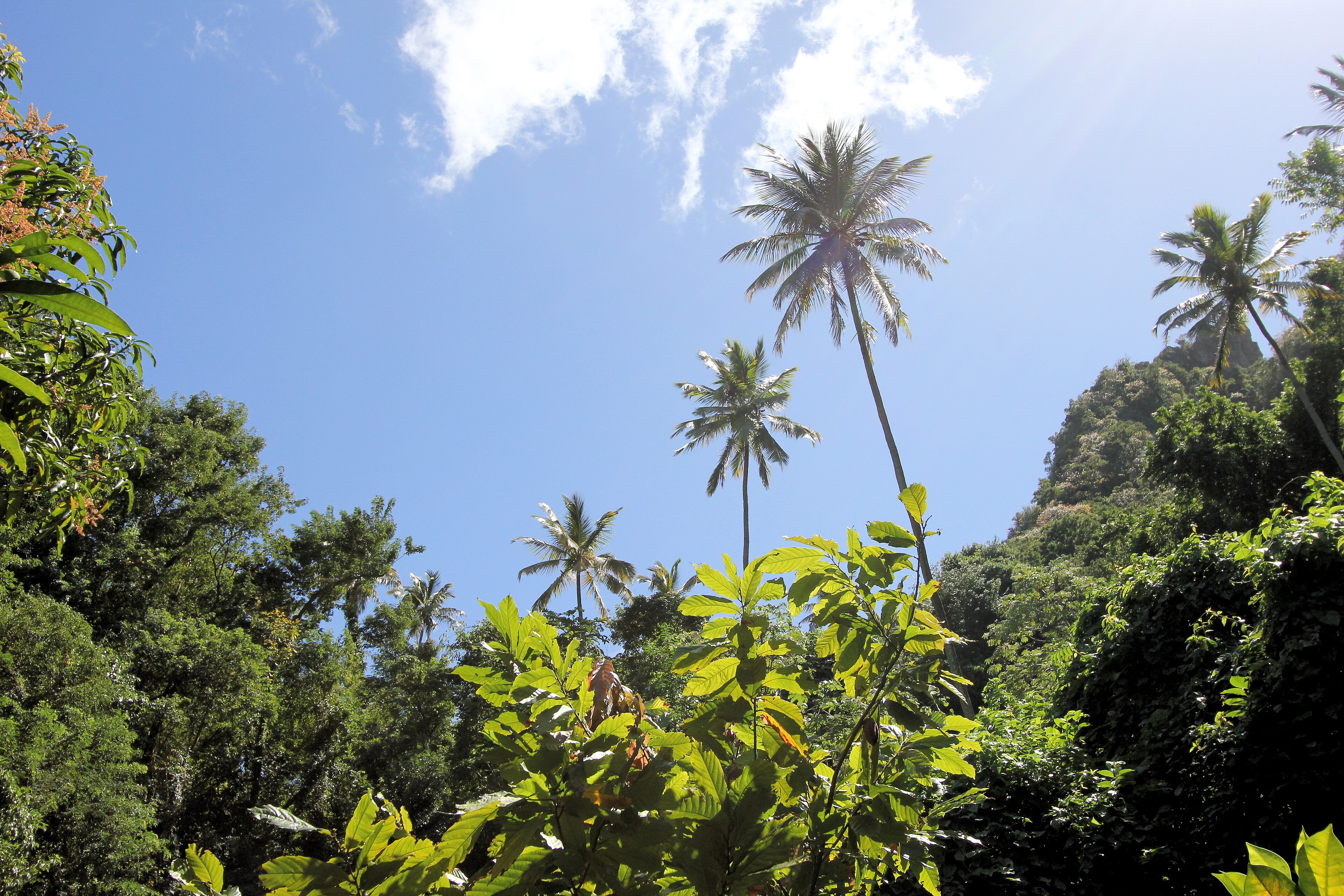
Experiences
Volunteering in Saint Lucia
Giving back can be part of the trip. Several organisations welcome visitors who want to contribute to the island's wildlife, reefs, heritage and communities.
Why volunteer on holiday
A few hours spent helping out can turn a holiday into something more memorable. You meet local people, learn about the environment from those who care for it and often see parts of the island that ordinary tours skip. For families it is also a way to teach children compassion and show them that travel can leave a place better than you found it.
Be realistic about scale. A short stay cannot solve long-term problems, and good projects are careful about how visitors take part. Treat volunteering as a supplement to responsible spending, not a substitute for it, as described in our responsible travel guide.
Ask yourself what you can offer that is genuinely useful. A few hours of litter picking may help, but so might sharing a skill such as teaching, photography or boat handling, if a group has asked for it. The best volunteers listen first, follow instructions and leave decisions to the people who live with the results.
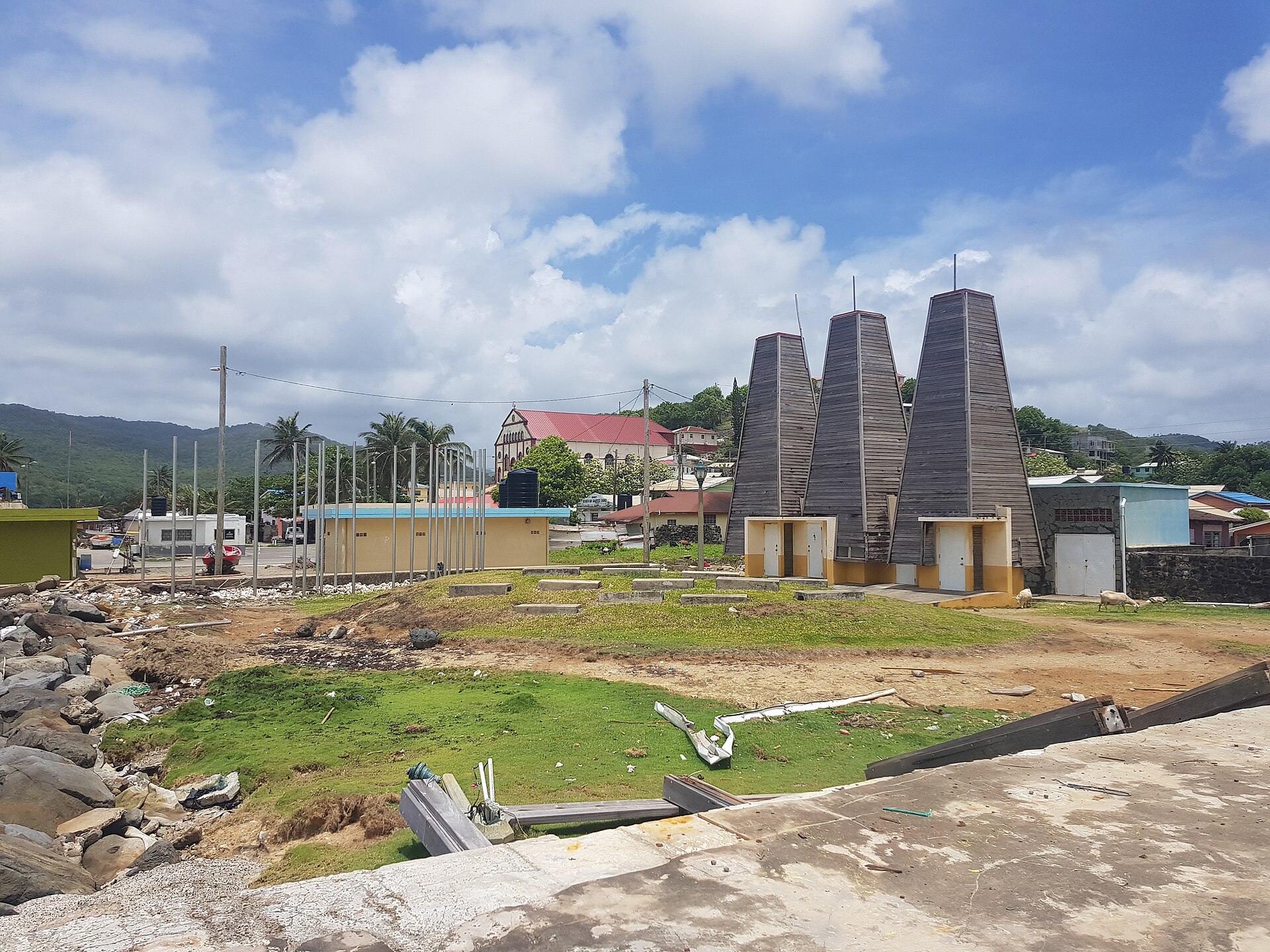
Conservation and heritage
The Saint Lucia National Trust regularly welcomes volunteers interested in conservation, education, heritage preservation, outreach and environmental projects. The Trust manages sites including Pigeon Island, so tasks can range from helping at heritage sites to supporting education programmes. The Saint Lucia National Conservation Fund also supports habitat protection and biodiversity projects around the island.
If you are interested in wildlife, combine contact with a visit to a bird sanctuary or forest reserve. Our guide to birdwatching describes the best places, and Pigeon Island is an easy place to see the Trust's work.
Heritage work might involve helping at a historic site, supporting an education day for school groups or assisting with outreach. Conservation tasks may involve forests, wildlife habitats or coastal areas. Each organisation sets its own requirements, so ask about safety briefings, equipment and whether you need to be a certain age or fitness level.
Marine and coral projects
Marine conservation programmes help restore coral reefs, protect biodiversity and strengthen coastal resilience. Groups including the Saint Lucia Marine Health Alliance work with local communities, divers and conservation organisations. Some dive operators near Soufrière invite certified divers and snorkellers to help with coral nurseries.
Read about the reefs in diving and snorkelling and about specific projects in our guide to eco tips and local initiatives.
Community and cultural projects
Other opportunities involve education, youth development, environmental awareness and cultural heritage. These programmes connect visitors with local communities and support long-term social and cultural work. Opportunities change with the season and with each group's needs, so there is no fixed list.
If you would rather learn than lend a hand, community tourism offers visits led by local people, and shopping local keeps money in the places you visit.
Youth and education projects can be especially rewarding for families, because children see how others live and learn. Respect applies throughout: ask before taking photographs, listen to the people who lead, and remember that you are a guest in someone's community.
How to arrange it
Contact organisations directly before you travel. Explain how long you will be on the island, your skills and whether you are travelling with children, and ask what they need. Do not simply turn up, because projects need time to prepare, and some tasks require training or permission.
Think about practicalities too: transport to the site, the right footwear and clothing, and sun protection. Our getting around guide explains how to reach the north, centre and south.
- Contact projects well before you fly.
- Be clear about your dates, skills and age group.
- Bring reef-safe sun protection, a water bottle and sturdy shoes.
Who it suits
Volunteering suits travellers who are interested in conservation, culture, education and community engagement. It works well for families with older children, couples who want a shared project, solo travellers who like meeting people and groups of friends. It is less suited to a very tight itinerary, because organisations need reliable commitments.
Think about what you want from it. If you want to learn about marine life, choose reef or coral work. If you like history, look for heritage projects. If you want to meet local people, community and education projects may be the best fit. Be honest with organisers about your limits, whether that means mobility, heat or time. A clear conversation before you arrive helps everyone, and it avoids disappointment on the day.
Fitting it into your trip
Most volunteering takes half a day or less, which leaves time for beaches, hikes and meals. Pair a morning of conservation work with an afternoon at one of our family beaches, or combine it with a hike from our hiking and rainforest guide. See the experiences hub for more ideas.
Bring a flexible spirit. Weather, tides and staffing can change a plan at short notice, and a cancelled task is not a failure. Offer an alternative date if you can, and be ready to do whatever is most needed, even if it is less glamorous than you imagined. Keep your expectations modest and your attitude open. Some projects will be able to use you for a day, and others may suggest a donation or a visit instead, which is a perfectly good way to help. Sometimes the best contribution is to learn, listen and tell others what you saw when you return home.
Finish by thanking the people you worked with and, if appropriate, sharing photographs and feedback once you are back. Organisations rely on goodwill and word of mouth, and a clear, kind message makes it easier for the next visitor to be welcomed. If you enjoyed the experience, consider keeping in touch and supporting the work from afar.
Can tourists volunteer in Saint Lucia?
Yes, tourists can volunteer in Saint Lucia through conservation, heritage, marine and community projects, including the Saint Lucia National Trust, coral restoration groups and local education programmes, provided you contact the organisation in advance and agree a task that suits your skills and time. Volunteering is not a drop-in activity. Projects need to plan safety, supervision and equipment, and some tasks require training or a minimum age. A short email explaining your dates, interests and group size is the best starting point, and a flexible attitude will take you further than a fixed demand.
Think about what is genuinely useful. A few hours spent planting, cleaning a beach, helping at a heritage site or supporting an education day can be valuable, especially if a group has asked for help. Skills such as photography, teaching, boat handling or administration may be more welcome than simple labour. Be honest about your limits, whether in strength, time or experience. Our eco tips and local initiatives guide lists projects you can see and support, and the conservation and protected areas guide explains the framework of reserves and trusts.
Remember that volunteering on holiday is a supplement to responsible spending, not a substitute. Pay local guides fairly, eat in local places and treat the experience as an exchange rather than a favour. Ask the organisation how you can help beyond the day, such as through a donation or by spreading the word. If the project cannot accommodate you, do not be discouraged; many have other ways to contribute, and some will invite you to visit and learn. Our responsible travel guide collects broader principles for travelling well.
How do you help with coral or marine projects in Saint Lucia?
To help with coral or marine projects in Saint Lucia, contact a dive centre or conservation group near Soufrière or Anse Chastanet before you travel, hold a suitable diving or snorkelling qualification, and ask when nursery maintenance or reef clean-ups are scheduled. Not every operator offers this, and tasks depend on the season and conditions. Some projects welcome certified divers to help clean and maintain coral nurseries, and others invite snorkellers to observe. Ask what skills are required, what is included in the cost and whether equipment is provided. A professional briefing is part of the experience.
Preparation helps. Practise your buoyancy before you arrive, as good control protects the very reef you are trying to help. Bring a reef-safe sun cream and a rash vest, and be prepared for time in the water at an unhurried pace. Marine work requires patience, and the rewards are often quiet, such as seeing fragments of coral settle and grow over time. Our diving and snorkelling guide covers reefs and dive operators, and the marine life and coral reefs guide explains what lives beneath the surface.
If you are not a diver, you can still help. Beach clean-ups, citizen science with turtle watch groups and donations to marine charities all make a difference. Choose a beach with a conservation record, such as those described in our snorkelling beaches guide, and go with a group rather than alone. Keep lights low near nesting sites, and follow instructions without exception. These small acts have an outsized effect when repeated by many visitors, and they leave you with a satisfying sense of having contributed to the place you came to enjoy.
Is volunteering suitable for families with children in Saint Lucia?
Volunteering can suit families with older children in Saint Lucia when the task is short, safe and age-appropriate, such as beach clean-ups, garden work or education days, but you should confirm age limits and supervision with the organisation first. Children often find these activities memorable, because they see how local people care for their surroundings and learn that travel can leave a place better. Younger children may struggle with heat, long sessions or formal rules, so choose tasks that allow breaks, shade and snacks. A mixed day that includes a swim afterwards works well.
Prepare your children before you go. Explain what the project does, why it matters and how to behave. Teach them to ask before touching plants or animals, to follow instructions and to respect local people. Dress for the weather in light clothes, hats and sturdy shoes, and bring water and sun protection. Keep expectations modest; some days the work may be basic, and that is fine. Our family trip planning guide suggests how to pace days with children, and the family beaches guide helps you plan a reward swim.
Consider combining volunteering with learning. A morning at a heritage site, a visit to a bird sanctuary or a day with a community project can teach as much as a classroom, and children often remember these stories for years. Our birdwatching guide describes places where wildlife and conservation meet, and the Pigeon Island guide suits families who want history and nature together. Finish by thanking your hosts, and ask children to share what they learned. That reflection turns a pleasant activity into a lasting lesson.
Knowing the community before you give your time
Volunteering is most useful when you understand local needs. Education and health describes the services that many projects support, and conservation and protected areas covers the environmental side.
To learn about the places and people you may work alongside, read districts and towns and who lives on the island.
Turning this into a St Lucia holiday
Most visitors fit this into a holiday in St Lucia, so choose your base first. Compare places to stay in St Lucia by area and style, and read our guides to luxury hotels in St Lucia and all inclusive resorts in St Lucia if you are choosing between a boutique stay and an all in package.
Then set your dates with the best time to visit St Lucia, book flights to St Lucia and pick days out from our St Lucia itineraries. Couples can also read about a honeymoon in St Lucia or weddings in St Lucia.
Questions travellers ask
Who can I contact about volunteering?
Start with the Saint Lucia National Trust, the Saint Lucia National Conservation Fund and the Saint Lucia Marine Health Alliance, plus local community groups.
Do I need special skills?
Not always. Some tasks need only enthusiasm, while marine work may need dive or snorkel experience. Explain your skills when you make contact.
Can children volunteer?
Some programmes welcome families, especially environmental and cultural ones. Ask each organisation about age limits before you travel.
How long do opportunities last?
Many involve a morning or a day, though this varies. Confirm duration and availability directly with the organisation.
Is volunteering available all year?
Opportunities vary seasonally, so contact organisations well before you travel to find out what is possible during your dates.
Can I help with coral restoration?
Some marine programmes and dive operators involve visitors in coral nurseries. Ask when booking, and expect to need dive or snorkel experience.
What should I bring?
Bring sturdy shoes, sun protection that is reef safe, a refillable water bottle and clothes you do not mind getting dirty.
Is there a cost?
This depends on the project and the organisation. Ask what is expected before you commit.
How far ahead should I arrange volunteering in Saint Lucia?
Contact organisations several weeks before you travel. Projects need time to plan safety and supervision, and opportunities vary by season, so earlier enquiries give you better options.
Do I need special skills to volunteer in Saint Lucia?
Not for most community or clean-up tasks. Marine work may need a diving qualification, and some projects value specific skills such as teaching or photography. Ask what each group needs.
Will volunteering cost me money?
Some projects are free, others ask for a contribution towards costs. Ask clearly about fees, equipment and transport before you commit, and consider a donation even if the task itself is free.
Saint Lucia on the map
Saint Lucia lies in the Windward Islands of the eastern Caribbean, around 13.8830 degrees north, 60.9670 degrees west. Map data from OpenStreetMap contributors.
Ask Lucy about Volunteering
Ask about places to stay, things to do, the weather or getting here.
Keep exploring Saint Lucia
Looking for the industry view? Visit St Lucia on VisitTravelGroup.com covers the destination for travellers and the tourism trade.
More from the Visit Travel Group network: VisitTravelGroup.com, Benidorm.co.uk, Anguilla.co.uk, TheRedSea.co.uk.