Experiences
Shopping Local in Saint Lucia
The best souvenirs here are made on the island by people who live on it. Shopping local costs little extra and puts money where it counts.
Why shop local
Saint Lucia has many independent shops, stalls and small producers, and buying from them is one of the most direct ways to support the island. Every purchase helps sustain families, keeps traditional skills alive and preserves the culture that makes the place distinct. You also come home with something you could not buy anywhere else.
The island's tourism board publishes a Shop Local Guide listing places it loves, and local businesses can ask to be featured. Use it alongside this page, and ask your hosts for their own favourites.
Shopping local is also more interesting. Instead of the same souvenirs in every shop, you find objects with a story, a maker you can meet and a flavour that belongs to the place. Allow time to browse rather than rush, because conversation is half the pleasure.

Crafts and art
Look for hand-made baskets, woodwork, pottery, jewellery and paintings by island artists. Craft stalls and studios appear in towns, at heritage sites and in galleries, and many makers are happy to explain their work. Our guide to artisan markets and crafts goes into more detail, and art and heritage tours lead you to studios.
Buying from the artist directly means the money stays with them. Ask about materials, and avoid items that use protected species such as coral or turtle shell.
Prices vary with materials and the time a piece takes to make, so be ready to pay fairly for good work. A hand-woven basket or a carved bowl represents hours of skill, and the price should reflect it. If you are buying several items, ask whether the maker can wrap them safely for travel.
Food, chocolate and rum
Edible gifts travel well. Island chocolate made from local cocoa is a favourite, and you can buy bars at estates near Soufrière after a tour, as described in our cocoa and chocolate guide. Hot pepper sauces, jams, spices, sea moss gel and local rum all make good souvenirs.
Markets are the best place to taste before you buy. Learn more about island flavours in our food and rum guide, and check customs allowances for your own country before packing rum or food products.
Wrap bottles well in clothing and place them in checked luggage, and keep receipts for anything valuable. Chocolate melts in a hot bag, so carry it in your cabin luggage and keep it cool until the flight. Pepper sauces are strong, so check the lid is tight before you pack them.
Natural products and remedies
Handmade soaps, coconut oil, herbal teas and bush remedies are made by small producers around the island. They are rooted in local knowledge and the same ingredients that feature in Creole spa treatments, which you can read about in spa rituals and mud baths. Treat them as products for comfort rather than medicine, and check with a doctor if you have a health condition or are pregnant.
Markets and where to go
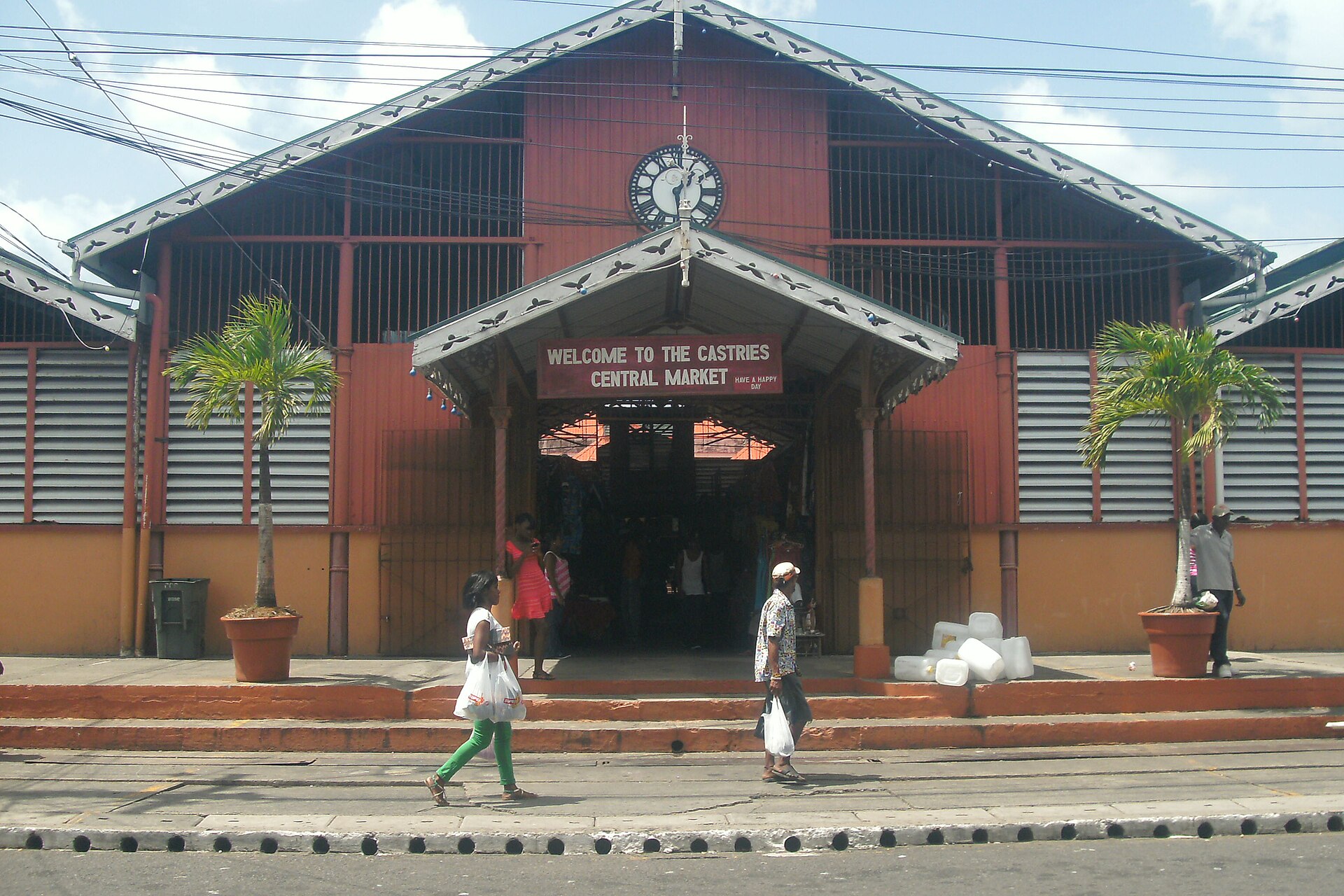
Start in Castries, where the central market is busy with produce, spices and crafts, and the monthly FarmHers market near the cruise port sells home-grown goodies and handmade soaps. Smaller markets and roadside stalls appear in towns such as Soufrière and Gros Islet. Opening days and hours change, so check locally.
- Carry small notes and coins for stalls.
- Ask before photographing people or their products.
- Bargaining is not always expected, so ask politely if prices are negotiable.
Gift ideas for different people
For a food lover, choose a bar of island chocolate, a bottle of pepper sauce and a jar of jam or spice mix. For someone who likes the home, a hand-made basket, a piece of pottery or a small painting by an island artist brings the place into the room. A friend who enjoys self-care might appreciate handmade soap, coconut oil or a herbal tea blend.
Children enjoy small, simple things such as a carved toy or a bracelet, and they like choosing for themselves. Set a budget before you head to the market, and keep a little time at the end of your trip, since the best finds often turn up when you are not looking. A morning in Castries before your flight makes a tidy way to finish. Remember that everything you buy from a local maker is a small act of support for the island.
Shopping responsibly
Bring a reusable bag, avoid wrapped plastic where you can and ask for things to be packed simply. Our guide to money and tipping covers currency, and the eco tips page has more habits worth adopting.
Plan a little time for shopping at the start rather than the end of your trip. Buying early lets you learn what is typical, compare prices and return to a stall you liked once you know what you want. It also means you can ask a maker about the thing you bought and use it while you are still on the island, such as a hot sauce at dinner or a soap in the shower.
Lastly, think about the people behind the counter. Many sellers are the producers themselves, working alone or in a small family team. A friendly greeting, a little patience and a fair price go a long way, and a good conversation often turns into a recommendation for somewhere else worth visiting. Treat shopping as part of the experience rather than an errand, and you will remember it as one of the best parts of the holiday.
Where can you shop local in Saint Lucia beyond Castries?
Beyond Castries, you can shop local in Saint Lucia at estate shops near Soufrière for chocolate and cocoa products, at the Choiseul Arts and Crafts Centre on the southwest coast, in village markets and fishing communities, and at resort boutiques that stock island-made goods. Each area has its own character, so a drive often turns into a shopping trip. Estates sell bars, nibs and drinks made from cocoa grown nearby, and craft centres sell pottery, baskets and woodwork made in the community. Roadside stalls offer fruit, sauces and preserves, often made by the person behind the table.
The north has its own pockets of shopping. Rodney Bay Village has independent shops, galleries and markets, and Gros Islet and Pigeon Island have vendors who sell crafts and simple gifts. Marinas and resorts also have boutiques selling art and clothing made by island designers. Our Rodney Bay guide describes the area, and the Choiseul guide covers the craft centre in the south. Ask drivers and hosts for their favourite stops, because locals know which stalls are worth the detour and which are only for tourists.
Plan time to shop without rushing. A leisurely morning with a coffee, a chat and a couple of purchases beats a frantic dash on the last day. Keep a bag in the car for finds, and bring small notes for stalls. Our land tours guide lists operators who can build shopping stops into a day, and the south of the island page shows how the region links together. Whatever you buy, ask where it was made and who made it, and enjoy the conversation that follows.
Is shopping local in Saint Lucia better value than resort gift shops?
Shopping local in Saint Lucia is usually better value in terms of quality, uniqueness and impact than resort gift shops, because you buy from the maker, pay for real craft and keep money in the community, though prices are not always lower. Resort shops are convenient and sometimes stock good local items, but they also sell imported souvenirs at a premium. Markets and studios offer more variety and the chance to talk to the person who made the piece. Value here means more than price; it means getting something you will treasure and knowing where it came from.
Compare before you commit. Walk through a market or a craft centre, look at several versions of the same item and notice differences in materials and finish. Ask about the time something took and whether prices are fixed. A fair price for handmade work is often higher than for a factory item, and that is how it should be. Our money and tipping guide covers currency and cash habits, and the artisan markets guide explains how to approach stalls with confidence and courtesy.
There are times when the resort shop is the right choice. If you need sun cream, a swimsuit or a last-minute gift on the day you fly, convenience wins. Look for local lines even there, such as island chocolate, sauces and soaps, and ask staff which products are made on the island. Our hotels in Saint Lucia guide helps you choose properties that champion local makers, and many boutiques proudly display the names of the artists they stock. A mixture of market finds and resort purchases gives you a balanced collection.
How can a shopping trip become a full day out in Saint Lucia?
A shopping trip in Saint Lucia becomes a full day out when you link markets, estates and craft centres with a swim, a waterfall or a long lunch, because many of the best shopping stops are in beautiful or interesting places. In the south, you might visit a cocoa estate in the morning, buy chocolate, drive on to a waterfall and finish with lunch overlooking the sea. In the north, a market in the morning, a craft stall at Pigeon Island and a late swim make an easy day. The shopping becomes part of the adventure rather than a chore.
Think about the order of the day. Buy delicate or heavy items last, so you are not carrying them around, and keep a cool bag in the car if you buy chocolate or fresh produce. Start early, because the heat builds, and markets are liveliest in the morning. If you have a driver, ask them to stop at their favourite places, and tip fairly for their time. Our getting around guide explains how to hire a driver, and the culture and local experiences itinerary offers a ready-made day that includes shopping.
Finish with something memorable. A sunset drink, a plate of grilled fish or a swim after hours of browsing completes the day and shows that shopping local is a way of travelling, not just buying. Share photographs and stories with friends, and recommend your favourite stalls and makers. Our best beaches guide helps you plan the swim, and the street food guide suggests where to eat. When you pack that evening, you will have more than souvenirs; you will have a map of people and places you enjoyed.
Why buying local means something here
Spending in the right places supports the island directly. The economy of Saint Lucia explains how, and agriculture and bananas introduces the producers behind local goods.
To appreciate the crafts and customs you will meet, read culture and traditions and who lives on the island. A little background makes every purchase more personal.
Turning this into a St Lucia holiday
Most visitors fit this into holidays to St Lucia, so choose your base first. Compare St Lucia hotels by area and style, and read our guides to luxury hotels in St Lucia and all inclusive resorts in St Lucia if you are choosing between a boutique stay and an all in package.
Then set your dates with the best time to visit St Lucia, book flights to St Lucia and pick days out from our St Lucia itineraries. Couples can also read about a honeymoon in St Lucia or weddings in St Lucia.
Questions travellers ask
What are good things to buy in Saint Lucia?
Local chocolate, hot sauces, spices, rum, hand-made crafts, art, soaps and coconut oil are all popular and easy to carry home.
Where is the best market?
Castries has the main central market, and the monthly FarmHers market by the cruise port sells jams, soaps and other home-made products.
Is there a guide to local shops?
Yes. The island's tourism board publishes a Shop Local Guide, and businesses that want to be featured can contact the board.
Can I buy directly from artists?
Often yes. Studios, craft stalls and heritage sites sell directly, which helps ensure the money goes to the maker.
Can I take rum and food home?
Usually, within the limits for your country. Check customs allowances before you pack bottles and food products.
Are natural remedies safe?
Treat them as comfort products, not medicine. Check with a doctor if you are pregnant, on medication or have a health condition.
Do I need cash?
Carry some small notes and coins, as many stalls prefer cash. Shops and larger venues usually take cards.
What should I avoid buying?
Avoid products made from protected species, such as coral or turtle shell, and anything you cannot bring through customs.
What is the best souvenir to bring back from Saint Lucia?
Locally made chocolate, hot pepper sauce, spices and handmade crafts are the favourites. Choose items made on the island by named makers, and pack bottles and jars carefully in checked luggage.
Do shops in Saint Lucia accept cards?
Larger shops, hotels and restaurants usually take cards, but many market stalls and craft sellers prefer cash. Carry small notes and coins, and check exchange or fee details with your bank.
Can I buy local chocolate directly from an estate?
Yes, estates near Soufrière sell bars and cocoa products after tours. Check opening times, and keep chocolate cool in your cabin bag, since it melts quickly in the heat.
Saint Lucia on the map
Saint Lucia lies in the Windward Islands of the eastern Caribbean, around 13.8830 degrees north, 60.9670 degrees west. Map data from OpenStreetMap contributors.
Ask Lucy about Shop local
Ask about places to stay, things to do, the weather or getting here.
Keep exploring Saint Lucia
Looking for the industry view? Visit St Lucia on VisitTravelGroup.com covers the destination for travellers and the tourism trade.
More from the Visit Travel Group network: VisitTravelGroup.com, Benidorm.co.uk, Anguilla.co.uk, TheRedSea.co.uk.