Experiences
Artisan Markets and Handmade Crafts in Saint Lucia
The best souvenirs here have a maker attached. Markets and small studios let you meet them.
Why shop at a market
Markets in Saint Lucia bring together local makers, fresh produce and everyday life. You can wander colourful stalls, talk to the people behind each product and discover handmade work shaped by tradition and a strong sense of community. It is a lively experience that suits the whole family.
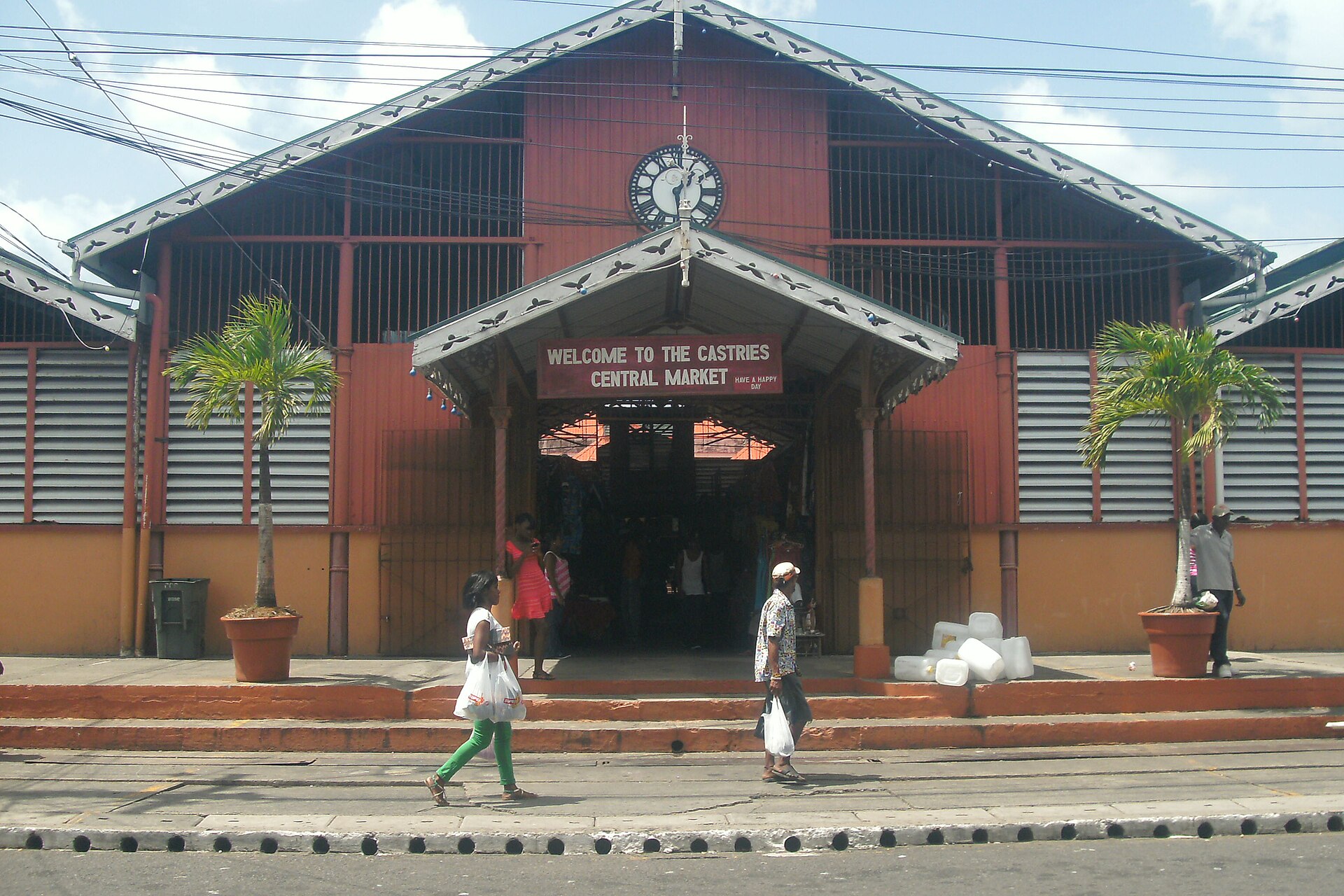
The best place to start is the central market in Castries. Go in the morning, when it is busiest, and combine shopping with breakfast. Our street food guide describes what to eat while you browse.

Traditional crafts to look for
Saint Lucian crafts are rooted in long-standing techniques. Basket weaving uses local fibres, carved wooden pieces reflect skill passed down through families, and pottery continues an old tradition. The skills are shared and reinterpreted so they stay relevant today rather than becoming museum pieces.
Look also for handmade jewellery, textiles and small design pieces inspired by nature, culture and daily life. Many artists work in small studios or sell directly at markets, which makes it easy to ask about their materials and methods.
- Woven baskets and mats made with local fibres.
- Carved wood pieces and small sculptures.
- Pottery and handmade jewellery.
- Paintings, prints and textiles by island artists.
Meeting makers in their workplaces
For a deeper look, visit a crafts centre. The Choiseul Arts and Crafts Centre on the southwest coast was created to support local artisans and keep traditional skills alive, with pottery, wood carving, basket weaving and textile work. Our art and heritage tours guide gives more detail.
Some of the island's makers also appear in a series of short local voice videos produced for a sustainable travel magazine, including craftspeople, farmers and guides, a reminder that behind every product is a person with a story. The community tourism guide explains how to meet them.
Shopping with meaning
Buying locally made products supports small businesses and keeps money in communities. Each purchase also gives you something that feels personal and is made to last beyond the trip. Ask about the maker, check where materials came from and avoid mass-produced goods imported for tourists.
Our shop local guide gives more ideas, and the responsible travel guide explains how to make choices that help rather than harm.
Food and spice souvenirs
Markets are also the place to buy food gifts. Look for cocoa sticks, local sauces, spices, fruit preserves and chocolate, and consider the cocoa and chocolate guide for estates where you can buy direct. Check what your airline and customs allow before packing food or rum, and wrap bottles carefully. The rum guide covers bottles in more depth.
Practical tips
Carry small notes and coins, as many stalls do not take cards, and check current prices rather than relying on figures from elsewhere. Friendly bargaining is common at some stalls, but be fair and polite. Dress lightly, wear a hat and drink water, since markets can be hot. Read the money and tipping guide for currency and cash advice.
Where is the best craft and produce market in Saint Lucia?
The best craft and produce market in Saint Lucia is the central market in Castries, where farmers, cooks and makers sell fruit, spices, cocoa sticks, sauces and handmade goods, with Saturday morning the busiest and most rewarding time to go. The market is loud, colourful and unpolished, and that is its appeal. Stalls spill into aisles, vendors call greetings and the smell of herbs and fried dough drifts through the building. Arrive early, before the heat builds, and allow at least an hour to wander without a fixed plan. A coffee or a warm bake in hand makes the browsing more relaxed.
Beyond the capital, smaller markets and roadside stalls fill the same role for their communities. Villages hold their own market days, and fishing communities sell the catch directly from the beach. These places are quieter and the goods simpler, but the conversations are often longer, because vendors have time to chat. Ask your hotel or driver which markets are running on the day you are free, as days and hours change. Our Castries guide describes the market in the context of the town, and the west coast guide points to villages worth stopping in on the road north and south.
Treat the market as a place to learn as well as to buy. Ask what an unfamiliar fruit is, how a sauce is used and whether a spice is for cooking or for tea. Most vendors enjoy explaining, and small purchases such as a bag of cocoa sticks or a jar of pepper sauce are welcomed. Carry small notes, be polite when you decline and keep valuables secure in a crowd. Photographs of people should always be asked for first. Combine the market with breakfast from a nearby stall, and the visit becomes a gentle introduction to the island's food and daily rhythm.
What handmade souvenirs are worth buying in Saint Lucia?
The most worthwhile handmade souvenirs in Saint Lucia are woven baskets and mats, carved wooden pieces, pottery, handmade jewellery, island art and food gifts such as cocoa sticks, preserves and hot sauces, ideally bought directly from the maker. Choosing items with a story is the surest way to avoid the generic souvenirs found in many holiday destinations. Ask about materials, ask how long a piece took and ask whether the maker works nearby. The answers add to the value of the object and often lead to a conversation that you will remember better than the item itself.
Think about practicalities as you shop. Baskets and mats pack flat or can be stuffed with soft clothing, carved items are best wrapped in towels and pottery needs real care in a suitcase. Food gifts are light, but check airline and customs rules for what you may carry, and wrap jars and bottles well. If you want something larger, ask the seller whether they can arrange shipping, and agree the cost clearly before paying. Our shop local guide explains how to spend in ways that benefit the island, and the money and tipping guide covers cash and cards.
Art deserves a mention too. Island painters, printmakers and photographers sell work in small galleries, hotel shops and studios, and prices vary widely. A framed print or a painting of a local scene is a more personal reminder of a holiday than a fridge magnet, and buying directly supports working artists. Many visitors choose one piece on the last day of a trip, after they have seen enough of the island to know what they love. If you visit the crafts centre in Choiseul, our art and heritage tours guide suggests how to include it in a day out.
How do you shop at Saint Lucian markets without being overcharged?
To shop at Saint Lucian markets without being overcharged, ask the price before you pick anything up, compare two or three stalls, bargain gently where it is customary, carry small notes and pay what feels fair for good work. Prices are rarely fixed in crafts, and friendly negotiation is part of the exchange. It should be polite, brief and good-humoured, not aggressive. Offering a sensible figure and accepting a reasonable counter is better than pushing for the lowest possible price on something that took hours to make. Fixed-price goods in shops and food stalls are usually not bargained over.
A little confidence goes a long way. Learn a couple of Kwéyòl greetings, smile and take your time. Vendors in tourist-heavy spots may start higher, so a walk around the market before buying is a good habit. If a seller is persistent, a polite no and a smile usually ends the exchange. Keep your money in a front pocket, avoid flashing large notes and have your purchases in a bag you can hold close. The safety guide has more general advice, and markets are generally friendly places where common sense is all you need.
Cruise visitors have a particular challenge because time is short. If you arrive by ship, plan to visit the market first and eat afterwards, and head back to the port with a comfortable margin. Our cruise arrival guide explains how to use a few hours well. Others can slow down and return to the same stall more than once, which often builds a friendly rapport and a better price. However you shop, leave room in your plans for the unexpected, since a chat with a stallholder is often what you remember best from a market morning.
Craft in the context of island life
Crafts carry the traditions of the people who make them. Culture and traditions describes the customs behind many handmade goods, and who lives on the island introduces the communities involved.
Many makers speak Kweyol, so languages and Kweyol offers a friendly starting point. The economy of Saint Lucia shows why buying directly from makers matters.
Turning this into a St Lucia holiday
Most visitors fit this into a holiday in St Lucia, so choose your base first. Compare places to stay in St Lucia by area and style, and read our guides to luxury hotels in St Lucia and all inclusive resorts in St Lucia if you are choosing between a boutique stay and an all in package.
Then set your dates with the best time to visit St Lucia, book flights to St Lucia and pick days out from our St Lucia itineraries. Couples can also read about a honeymoon in St Lucia or weddings in St Lucia.
Questions travellers ask
Where is the best market in Saint Lucia?
The central market in Castries is the best known, busiest in the morning and especially on Saturdays, with produce, spices and crafts.
What crafts are traditional?
Basket weaving, wood carving and pottery are rooted in long-standing techniques, alongside jewellery, textiles and art.
Can I meet artists in their studios?
Yes. Many artists work from small studios or sell directly at markets, and a crafts centre such as Choiseul lets you see work being made.
What is the Choiseul Arts and Crafts Centre?
A centre on the southwest coast that supports local artisans and preserves traditional skills such as pottery and basket weaving.
Is bargaining expected?
At some stalls light bargaining is normal, but be polite and fair. At galleries and shops, prices are generally fixed.
Do market stalls take cards?
Not always. Carry small amounts of cash and check current prices at each stall before you buy.
What food souvenirs can I bring home?
Cocoa sticks, sauces, spices and chocolate are popular. Check your airline and customs rules for food and liquids.
How can I be sure something is local?
Ask the seller who made it and what it is made from. Genuine makers are usually happy to explain.
What day is Castries Market busiest?
Saturday morning is the busiest and liveliest time at Castries Market, with the widest choice of produce and crafts. Go early to avoid the heat and the cruise crowds, and carry small notes.
Is it acceptable to haggle in Saint Lucia?
Gentle bargaining is accepted at craft stalls but not in shops or at food stalls with set prices. Be polite and fair, because many items are handmade and the maker depends on the sale.
Can I take handmade crafts home on the plane?
Yes, most crafts are fine in luggage, though pottery needs careful wrapping. Check airline rules for liquids and customs rules for food and plant products before packing.
Saint Lucia on the map
Saint Lucia lies in the Windward Islands of the eastern Caribbean, around 13.8830 degrees north, 60.9670 degrees west. Map data from OpenStreetMap contributors.
Ask Lucy about Artisan markets and crafts
Ask about places to stay, things to do, the weather or getting here.
Keep exploring Saint Lucia
Looking for the industry view? Visit St Lucia on VisitTravelGroup.com covers the destination for travellers and the tourism trade.
More from the Visit Travel Group network: VisitTravelGroup.com, Benidorm.co.uk, Anguilla.co.uk, TheRedSea.co.uk.