Plan your trip
Responsible Travel in Saint Lucia: Respect the Island
Small, thoughtful choices help keep the reefs, the forests and the communities as good as you found them.
Why it matters here
Saint Lucia is small, and what makes it special is fragile: rainforest on steep slopes, reefs close to the shore and communities whose livelihoods depend on visitors who treat the island with respect. Simple acts, such as greeting people, dressing appropriately in villages, following the rules in natural areas and spending money locally, add up to a stay that benefits the island and gives you a richer experience.
Our trip planning page brings together the practical details, and this guide focuses on the choices that matter most.
Protecting the forests and wildlife
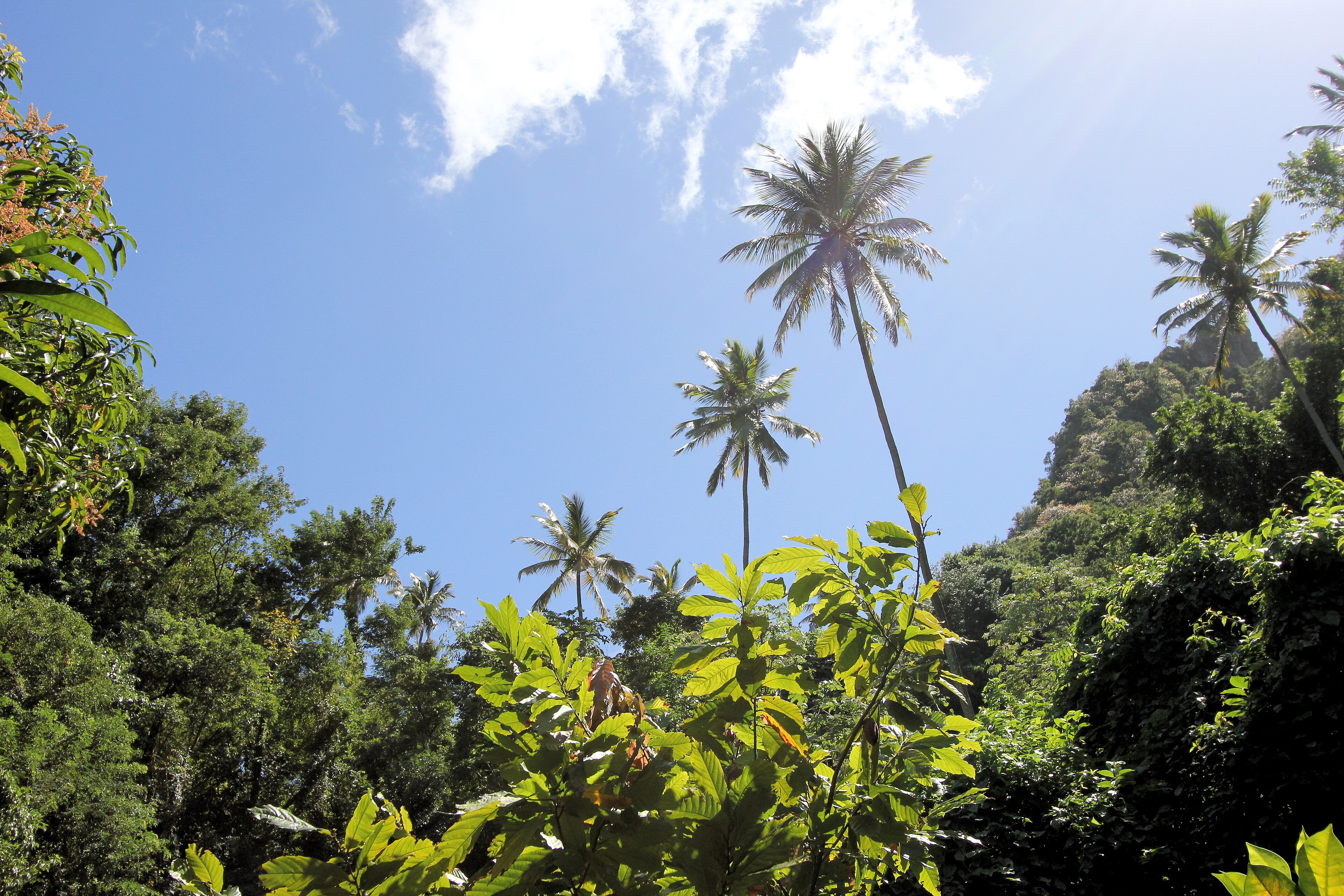
The rainforest and the protected natural areas are among the island's greatest assets. Stay on marked trails, take your litter with you and reduce single-use plastics wherever you can. The island is home to rare birds, including the Saint Lucia parrot, its national bird, and forest habitats that exist nowhere else, so keep your distance from wildlife and follow your guide's instructions. Our hiking and rainforest guide explains how to walk well.
Guided walks also support local people, because the fees pay for trail upkeep and give work to guides who know the plants and birds. Choose a guide over going alone wherever one is offered.
- Stay on marked trails and take litter home.
- Carry a reusable water bottle and shopping bag.
- Keep a respectful distance from birds and other wildlife.
Protecting the sea and the reefs
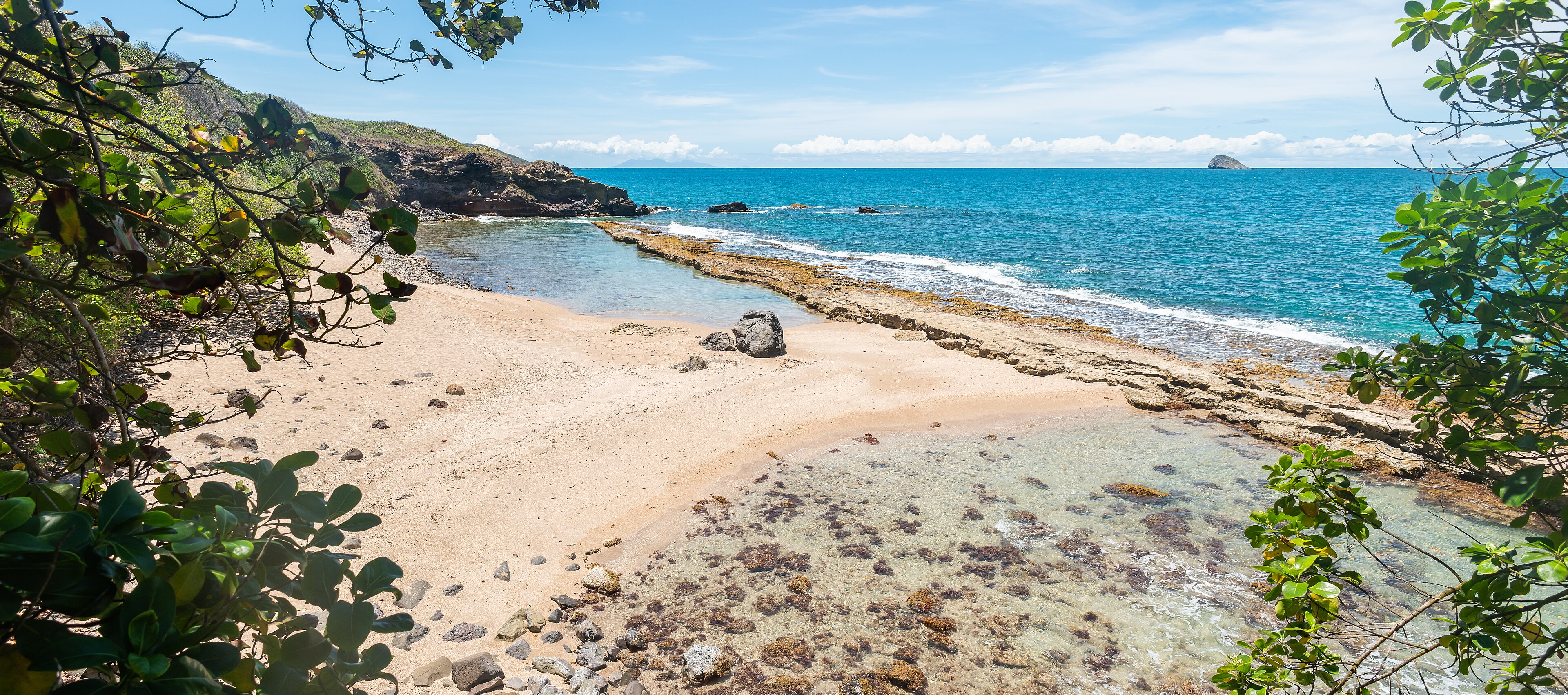
The coastal waters are home to coral reefs, tropical fish, turtles and delicate ecosystems. When you snorkel or dive, never touch or stand on coral, do not chase or feed marine life, and follow the guidance of qualified operators. Choose a reef-safe sunscreen, because chemicals in some products can harm coral, and apply it well before you get in the water. Our diving and snorkelling guide suggests where to go.
If you visit by boat, choose operators who use moorings rather than dropping anchors on the reef, and ask about their waste and fuel practices. Much of the southwest coast sits in a marine management area, where rules exist to protect the reefs and fish, so follow any signs and fees.
Support local communities
One of the best ways to enjoy the island is through its people. Shop at local markets, eat at independent restaurants, hire local guides and buy from artisans, farmers and fishers. A purchase at a craft centre or a cocoa estate puts money directly into the community, and it often leads to a better conversation than a souvenir shop. Our where to eat guide and cocoa and chocolate guide suggest places to start, and a morning at Castries Market is one of the most rewarding.
Ask your hotel about community experiences, village tours and cooking classes, and pay a fair price without bargaining hard. If you stay at a resort, ask how it supports local suppliers and employs local people.
Local etiquette
Saint Lucians are warm and welcoming, and a greeting goes a long way. Say good morning when you meet someone, and take a moment to chat. English is the main language of everyday life, and Kwéyòl, a French-based Creole, remains an important part of culture and identity, so a few words of it are always appreciated. The festivals and events guide explains how the language and the culture are celebrated each October.
Away from the beach, modest clothing is appreciated in towns, villages and churches. Respect for elders, local customs and community spaces is part of island life. Ask before photographing people, and do not wander into private land or fishing beaches without being invited.
Good to know
The currency is the Eastern Caribbean dollar, although US dollars are widely accepted, as set out in our money and tipping guide. Carry a reusable bottle, use reef-safe sunscreen and choose small, locally owned places where you can. If you would like to give something back, ask your hotel about volunteering and beach clean-ups. For ideas on staying well, see the health, insurance and safety guide.
How can I be a responsible tourist in Saint Lucia?
You can be a responsible tourist in Saint Lucia by spending locally, choosing licensed guides, respecting wildlife and reefs, using reef-safe sun cream, taking only photographs and treating people with courtesy, since small habits add up on a small island. Tourism supports many livelihoods in Saint Lucia, and the way you spend your money shapes who benefits. Eating at local restaurants, buying crafts from makers and tipping guides directly all keep money in the community. Our community tourism page describes experiences that put local people first, from village walks led by residents to workshops run by the people who make the products, and who are glad to share their skills with visitors.
Think also about what you use. An island has limited water, energy and waste capacity, so small acts matter: reuse towels, switch off air conditioning when you go out, carry a refillable bottle and avoid single-use plastics. Many hotels have their own sustainability programmes, and our sustainable stays guide explains what to look for. Ask your hotel how it handles waste and where it sources food. Questions from guests encourage better practice, and hotels that hear the same question often enough tend to change what they do, which helps every visitor who follows and the community that lives alongside the resort.
Respect extends to the way you behave in public. Dress modestly away from the beach, greet people before asking for help, ask before photographing individuals and avoid loud behaviour in villages and churches. Learn a few words of Kwéyòl, and you will be rewarded with smiles. Our Kwéyòl guide introduces the language. Responsible travel is mostly good manners applied thoughtfully, and it makes your holiday richer as well as the island's, because people are far more generous with their time and stories when they feel respected, and a simple thank you can open doors that money cannot.
How do I choose eco-friendly tours and hotels in Saint Lucia?
To choose eco-friendly tours and hotels in Saint Lucia, look for operators that use licensed guides, keep group sizes small, explain their approach to waste and wildlife, and employ and buy from local people. Ask direct questions before booking, such as how the hotel conserves water, whether it supports community projects and how boat operators avoid damaging reefs. Honest answers are a good sign. Our conservation and protected areas guide explains the island's protected land and sea, which helps you understand why certain rules exist and why good operators follow them willingly, even when it would be easier or cheaper to cut a corner.
On the water, choose operators that use moorings rather than dropping anchor on coral, brief guests on not touching marine life, and limit numbers at popular snorkelling sites. Our marine life and coral reefs guide explains why reefs are fragile. On land, stick to marked trails, take litter home and keep a respectful distance from wildlife. Local guides can tell you about plants and birds, and a good one will make a walk far more interesting while also protecting the places that visitors come to see, so tip them well and tell them how much you valued the experience.
Do not be put off by imperfect answers. No hotel or operator is perfect, and what counts is a willingness to improve. Reward businesses that are open about their efforts, and give feedback if something falls short. Tell friends about good experiences. Our eco tips and local initiatives page lists practical ideas, and the volunteering guide describes ways to give time. Responsible travel is a habit, and every trip is a chance to practise it, a little better each time, until it simply becomes the way you like to explore, and the way you hope your own home town would be treated by visitors.
How should I behave in villages, churches and on trails in Saint Lucia?
In Saint Lucian villages, churches and on trails, greet people politely, dress modestly, ask before taking photographs, keep noise low and stay on marked paths, because these places are used by local people and wildlife every day. Villages are homes, not attractions, and a friendly good morning goes a long way. In churches, cover your shoulders and knees, remove hats and be quiet during services. Our religion in Saint Lucia guide explains the importance of faith in everyday life, and why Sunday mornings in particular belong to the congregations that gather, so plan your sightseeing around services rather than through them.
On trails, follow your guide, carry out what you carry in and do not pick plants or disturb animals. Many plants have traditional uses, and guides can explain them if you ask. Our local plants and traditional uses page describes some of them. Keep to paths to protect fragile soil and roots, especially after rain, and avoid feeding wildlife. If you meet someone on a narrow trail, a smile and a greeting are customary, and a few words of thanks to a guide at the end of the walk are always welcome, as is a fair tip for a morning of knowledge and care.
At festivals and community events, join in with respect. Ask before photographing performers, buy from local vendors and follow the crowd's lead on dress and behaviour. Our festivals and events page lists the main events. If you are unsure about etiquette, ask your host or guide, who will usually be glad to explain. Being curious, patient and kind is the simplest way to be welcome, and it is also the best way to learn about a place, because the most memorable moments of a trip usually come from conversations rather than from sights, and from the willingness to listen.
The natural and human setting you are joining
Travelling well starts with understanding what is fragile and what is shared. Conservation and protected areas, marine life and coral reefs and wildlife and ecology describe the habitats visitors can help protect.
People matter just as much. The economy explains where visitor spending goes, and who lives on the island introduces the communities who live and work here.
From planning to booking
Most visitors fit this into holidays to St Lucia, so choose your base first. Compare St Lucia hotels by area and style, and read our guides to luxury hotels in St Lucia and all inclusive resorts in St Lucia if you are choosing between a boutique stay and an all in package.
Then set your dates with the best time to visit St Lucia, book flights to St Lucia and pick days out from our St Lucia itineraries. Couples can also read about a honeymoon in St Lucia or weddings in St Lucia.
Questions travellers ask
What is reef-safe sunscreen?
A sunscreen made without chemicals that can harm coral. Apply it well before swimming, and avoid touching the reef.
How can I support local people?
Shop at markets, eat at independent restaurants, hire local guides and buy from artisans, farmers and fishers.
What is the national bird?
The Saint Lucia parrot, which lives in the island's rainforest reserves. Keep a respectful distance from it and other wildlife.
Should I speak Kwéyòl?
English is widely spoken, but a few words of Kwéyòl, the local Creole, are always appreciated.
What should I wear in villages and churches?
Modest clothing that covers the shoulders and knees is appreciated away from the beach.
Can I touch coral or turtles?
No. Never touch coral or disturb marine life, and follow the guidance of qualified operators.
Can I take photographs of people?
Ask first. Most people are happy to agree if you ask politely and show interest.
Is tipping expected?
A tip for good service is welcome. See our money and tipping guide for what is usual.
Is it better to stay in a locally owned hotel in Saint Lucia?
Locally owned hotels can keep more money in the community, but responsible practice matters more than ownership. Ask any hotel about local hiring, sourcing and environmental policies before you book.
Can I bring my own reusable bottle to Saint Lucia?
Yes, and it is a good idea. Many hotels offer filtered water for refills, which cuts plastic waste. Ask your hotel what they recommend for drinking water.
How can I support Saint Lucian artists and makers?
Buy crafts directly from makers at markets and workshops, ask about the story behind each piece and pay a fair price. Avoid mass-produced imports sold as local goods.
Saint Lucia on the map
Saint Lucia lies in the Windward Islands of the eastern Caribbean, around 13.8830 degrees north, 60.9670 degrees west. Map data from OpenStreetMap contributors.
Ask Lucy about Responsible travel
Ask about places to stay, things to do, the weather or getting here.
Keep exploring Saint Lucia
Looking for the industry view? Visit St Lucia on VisitTravelGroup.com covers the destination for travellers and the tourism trade.
More from the Visit Travel Group network: VisitTravelGroup.com, Benidorm.co.uk, Anguilla.co.uk, TheRedSea.co.uk.