Things to do
Where to Eat in Saint Lucia
Roadside grills, weekly fish fries and clifftop dining rooms: how to eat well on Saint Lucia at every price.
Start with the market
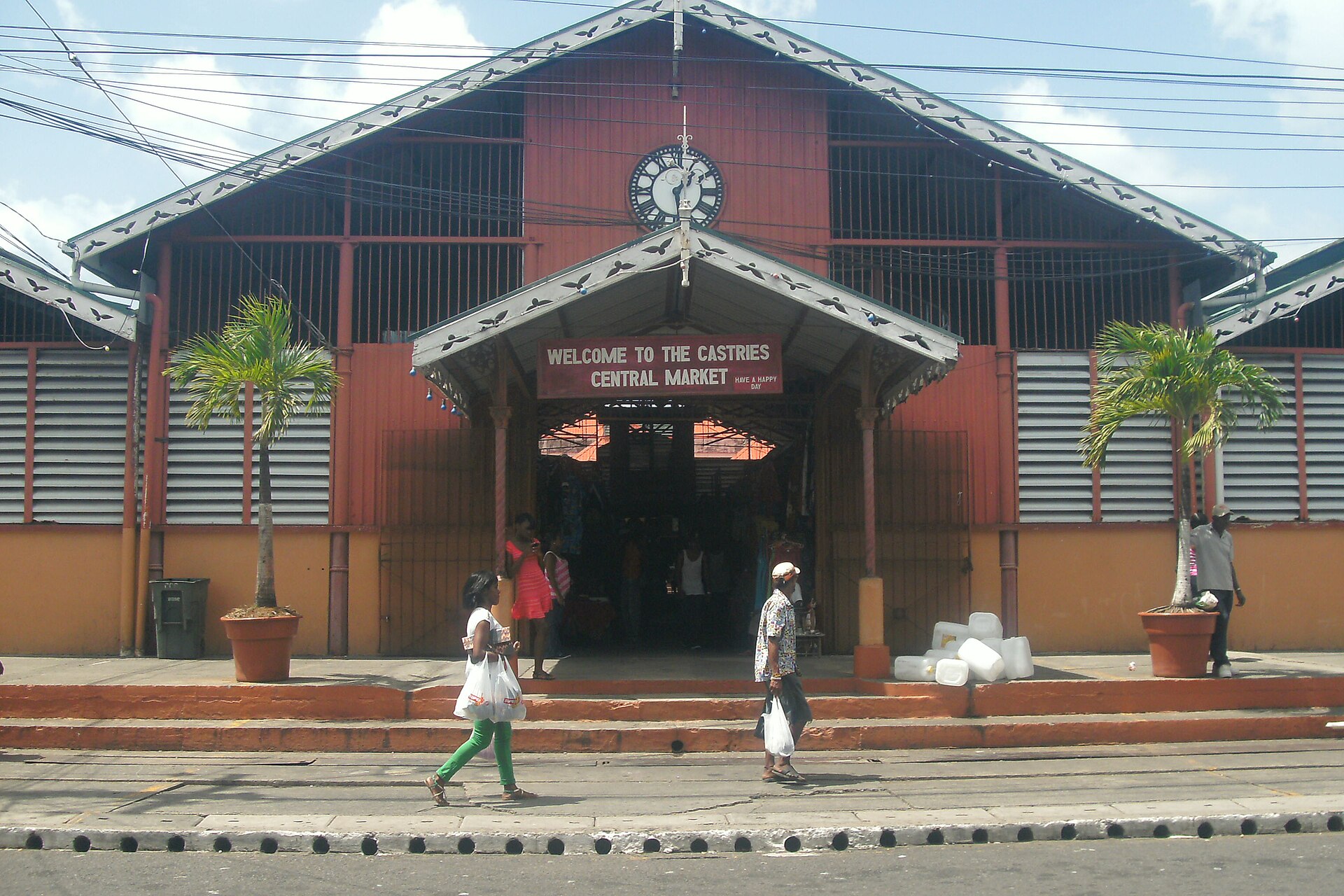
To understand Saint Lucian cooking, begin at Castries Market. It was established in 1891 and sells vegetables, fruit, spices, local sauces, handmade crafts and Creole treats, and the produce is what many restaurants across the island use. Saturday is the liveliest day, when farmers and artisans arrive from all over the island, and early morning is the best time for the choice and the cooler air. Our Castries guide describes the rest of the city.
Buy fruit you can peel, such as mangoes, bananas and oranges, and look for cocoa sticks, spices and hot pepper sauce to take home. Small notes in Eastern Caribbean dollars make every purchase easier. A second craft market nearby is the place for souvenirs.

Dishes to look for
The national dish is green fig and saltfish, in which unripe bananas are boiled and served with salt cod and herbs. It is often joined by callaloo soup, breadfruit, fried plantain and bakes, which are fried bread sometimes called floats. Bouyon is a thick one-pot meal of meat, provisions and vegetables, and accra are saltfish fritters, especially popular around Easter. Cocoa tea, a spiced hot breakfast drink, is made with local cocoa.
Saint Lucian cooking blends African, French, East Indian and British influences, and you will see all four on menus. Fresh fish such as snapper and mahi-mahi is grilled, fried or cooked in a Creole sauce, and lobster is served in season. Our food and rum guide covers the drinks, the rum and the local beer.
Breakfast deserves a mention too. Bakes with saltfish or cheese, fresh tropical fruit and cocoa tea are the local way to start the day, and many hotels serve them alongside the usual eggs and pastries. Ask for them rather than waiting to be offered, and look for lunch menus, which often cook the same fish and Creole dishes at lower prices than dinner.
The weekly fish fries
The most fun meals on the island are at the weekly street gatherings. On Fridays the village of Gros Islet fills with grills, music and dancing, and Anse La Raye holds a fish fry on Front Street, where lobster, fish and conch are cooked on the spot. On Saturdays the east coast village of Dennery hosts a fish fiesta, with seafood, bakes and rum punch from stalls and a live DJ.
These are local events, so keep to simple habits. Carry small notes, watch your belongings in the crowd, eat what is cooking in front of you and agree your journey home with a driver in advance. Each place has its own page with details and tips.
Dining at the resorts
Several hotels have dining rooms that are destinations in themselves. At Ladera, the Dasheene restaurant looks directly at the Pitons, and its executive chef, a native of the island, has led the kitchen for over twenty years, making the breads, pastas and ice creams in-house and giving Saint Lucian classics a modern, seasonal treatment. At Sugar Beach, set in more than a hundred acres of rainforest, the choices run from beachfront decks to a formal room in the main house.
Anse Chastanet offers a hillside restaurant for breakfast and dinner, a beach restaurant with Creole dishes at lunch, a grill on the second beach at Anse Mamin and a vegetarian and vegan menu in its lounge, and it will lay a private table at the water's edge or on a quiet beach. Jade Mountain works with its own organic farm in the Soufrière hills and with local fishermen, and its guests can also walk or take the shuttle to the restaurants below. In the north, Cap Maison builds its stay around food and wine on a cliff above the sea.
Learning to cook and drink like a local
Some of the best meals come with a lesson. Jade Mountain runs culinary programmes through the year, including spice workshops, tandoori cooking classes and a dinner built around twenty-six spices in July, and it devotes August to fresh seafood from local fishermen. At Anse Chastanet, the beach restaurant serves an Apsara menu that blends Saint Lucian and East Indian cooking, which reflects how deeply Indian cooking has shaped the island.
Away from the resorts, a visit to a cocoa estate ends with a chocolate tasting, as described in our cocoa and chocolate guide, and a rum distillery tour is a good way to finish a day in the south. Ask your hotel to arrange a market walk with a chef or a cooking class with a local cook, because the best teachers are often the people who run the family kitchens.
Eating by area
Around Rodney Bay the restaurant strip is the widest in the country, from beach grills to formal dinners, with a lively dining scene a few minutes from most hotels. Around Marigot Bay the choice is waterfront terraces and quay-side lunches. Around Soufrière the best meals are often in the hills, at small restaurants and estate dining rooms with views of the Pitons.
Wherever you are, ask your host where local people eat, and book popular tables in the busy season. Many places close one evening a week, and kitchens often stop serving earlier than visitors expect.
Bills, tipping and cash
Many hotel and restaurant bills include a ten per cent service charge, and taxes may be added, so check whether a quoted price includes them. Where there is no service charge, a tip of ten to twelve per cent is customary. Cash is useful at markets, fish fries and small stalls, and it is worth keeping a small supply of Eastern Caribbean dollars even if you pay by card at your resort.
Prices on menus are usually quoted in Eastern Caribbean dollars at local places and in US dollars at resorts, so check the currency before you order. If you have dietary needs, tell the restaurant when you book. Vegetarian and vegan options are increasingly easy to find, and most kitchens will adapt dishes if they know in advance. For help turning this into a food-focused itinerary, send a note through the trip planning page.
What does a typical day of eating look like in Saint Lucia?
A typical day of eating in Saint Lucia starts with bakes, saltfish or tropical fruit and a mug of cocoa tea, moves to a Creole lunch of fish, plantain and provisions, and ends with grilled lobster or snapper and a rum punch at a resort table or a street fry. Breakfast is generous and plain, built on fried bread, eggs or saltfish, and fruit such as mango, banana and orange. Cocoa tea is made from local cocoa, warmly spiced, and is one of those drinks that quickly feels like a habit rather than a novelty.
Lunch is the main event for many local people, and it is the best-value meal for visitors. Small restaurants and roadside kitchens serve stews, grilled or fried fish, rice and peas, breadfruit, plantain and vegetables, often with a bottle of hot pepper sauce on the table. Look for lunch menus at hotels and restaurants, where the same Creole dishes can cost less than at dinner. A long lunch under an awning with the sea in view, followed by a swim, is the island's best advice for how to spend a middle of the day.
Dinner is more varied. Resorts and restaurants offer everything from Creole classics to international menus, and many look out over the sea or the Pitons. Grilled fresh fish, lobster in season and Creole sauces are the dishes to order if you want to taste the island. Reserve in the busy season, as popular tables fill early, and tell the restaurant about allergies or dietary needs when you book. Our food and rum guide describes the drinks that go with dinner, from the local beer to rum from the island's distilleries.
Is the Friday night fish fry in Anse La Raye worth it?
Yes, the Friday night seafood street fry in Anse La Raye is worth it for grilled lobster, fish, conch and fishcakes cooked at roadside stalls on a closed Front Street, with live or recorded music, and it suits relaxed, adventurous eaters. The village is described as charmingly ramshackle, and on Friday evenings its main street is closed to traffic and filled with tables, tents and the smoke of cooking. Vendors cook in pots and pans, and you choose from what is on offer, from snapper or dorado to conch and lobster, with rice and vegetables, and often a cold local beer.
The event has been running for over two decades and is a community gathering as much as a tourist attraction, which is part of its charm. Music comes from a live calypso or reggae band or from speakers, and the mood is cheerful and unhurried. Prices are modest compared with resort restaurants, and portions are generous. Bring cash in small notes, wear comfortable shoes, and be prepared to queue at the busiest stalls. It is best to go early enough to find a seat and eat before the crowds build, and to arrange transport home in advance.
Gros Islet offers a different Friday. Its jump up is a lively street party with barbecue stands, loud music and dancing that goes late into the night, and it is more about atmosphere than seafood. You can read about the village in our guide to Gros Islet, and about Anse La Raye in our guide to Anse La Raye. Choose to suit your temperament. Anse La Raye suits those who want to eat well and watch the village, while Gros Islet suits those who want to dance, and the two do not have to be rivals.
How do I eat well on a budget in Saint Lucia?
Eat well on a budget in Saint Lucia by choosing lunch menus at local restaurants, buying fruit and snacks from Castries Market, joining the Friday street fries, choosing Creole dishes over imported ones and checking whether a service charge is already included in your bill. Prices at local places are often quoted in Eastern Caribbean dollars and at resorts in US dollars, so check the currency before you order. Cash is useful at markets, stalls and small kitchens, and our guide to money and tipping explains how much to carry and what to leave.
Markets are the cheapest and most colourful way to eat. Castries has a covered market where you can buy fruit, vegetables, spices and hot sauce, and a Saturday morning visit shows the island at its liveliest. Buy fruit you can peel, such as bananas, oranges and mangoes, and snack as you go. Street food is another way to eat cheaply, and our guide to street food suggests what to try and where. Eat where the queue is longest and the food is cooked in front of you.
Splurge selectively. A single dinner at a resort restaurant with a view of the Pitons can be the highlight of a trip, and our guide to fine dining and champagne describes where to find it. Balance it with simple lunches, picnic suppers on your balcony and market snacks. If you enjoy learning, a Creole cooking class, described in our Creole cooking classes guide, teaches you dishes you can recreate at home. Eating well here is less about spending a lot than about knowing where to look and when to go.
Food as part of island culture
Meals here reflect history as much as taste. The pages on culture and traditions, languages and Kweyol and people and demographics explain the influences behind the cooking.
Many ingredients come from the farms described in agriculture and bananas, and the history of Saint Lucia shows how tastes arrived and blended.
Where to stay and how to plan
Most visitors fit this into St Lucia holidays, so choose your base first. Compare hotels in St Lucia by area and style, and read our guides to luxury hotels in St Lucia and all inclusive resorts in St Lucia if you are choosing between a boutique stay and an all in package.
Then set your dates with the best time to visit St Lucia, book flights to St Lucia and pick days out from our St Lucia itineraries. Couples can also read about a honeymoon in St Lucia or weddings in St Lucia.
Questions travellers ask
What is the national dish of Saint Lucia?
Green fig and saltfish, made from boiled unripe bananas and salt cod with herbs. It is often served with fried plantain, breadfruit or callaloo soup.
Where can I find the best street food?
Try Castries Market, the Friday street party in Gros Islet, the Friday fish fry in Anse La Raye and the Saturday fish fiesta in Dennery.
Is tipping expected in Saint Lucia?
Many bills include a ten per cent service charge. If not, a tip of ten to twelve per cent is customary for good service.
Should I carry cash?
Yes. Markets, fish fries and small stalls generally take cash, so bring small notes in Eastern Caribbean dollars.
Are there good vegetarian options?
Yes. Resorts such as Anse Chastanet offer vegetarian and vegan menus, and most kitchens will adapt dishes if you tell them in advance.
Which resorts have the best restaurants?
Ladera, Anse Chastanet, Jade Mountain, Sugar Beach and Cap Maison all place food at the centre of the stay, each with a different style and setting.
What are accra?
Accra are fried saltfish fritters made with flour, egg and seasoning. They are a traditional snack, especially popular around Easter.
When is Castries Market busiest?
Saturday morning is the liveliest time, when farmers and artisans come from across the island. Go early for the best choice and cooler air.
Is food expensive in Saint Lucia?
It can be at resorts, where menus are often priced in US dollars, but local restaurants, markets and street fries are much cheaper. Lunch menus and Creole dishes offer the best value.
What should I try to eat in Saint Lucia?
Try green fig and saltfish, grilled fresh fish, bakes, callaloo soup, breadfruit and cocoa tea. If lobster is in season, order it grilled, and sample fresh tropical fruit from the market.
Do restaurants in Saint Lucia need to be booked?
In the busy winter season, yes for popular dinner tables, especially at resorts and on terraces with views. Casual lunch places and street fries rarely need a reservation, but kitchens may close early.
Saint Lucia on the map
Saint Lucia lies in the Windward Islands of the eastern Caribbean, around 13.8830 degrees north, 60.9670 degrees west. Map data from OpenStreetMap contributors.
Ask Lucy about Where to eat
Ask about places to stay, things to do, the weather or getting here.
Keep exploring Saint Lucia
Looking for the industry view? Visit St Lucia on VisitTravelGroup.com covers the destination for travellers and the tourism trade.
More from the Visit Travel Group network: VisitTravelGroup.com, Benidorm.co.uk, Anguilla.co.uk, TheRedSea.co.uk.