Things to do
Diving and Snorkelling in Saint Lucia
Warm, clear water, protected reefs and dramatic walls, with the best sites along the Soufrière coast.
Why dive here
Saint Lucia's volcanic origins make for dramatic underwater scenery. Walls drop away close to shore and reefs sit in warm, sheltered water. Much of the southwest coast lies within a marine management area, which helps protect the reefs and the fish that live on them.
The island suits every level. Beginners can learn in calm bays, snorkellers can find colourful reef within a few strokes of the beach, and experienced divers can explore deeper walls and wrecks. Dive centres at the main resorts, including Anse Chastanet, offer courses and guided dives.
Where to go
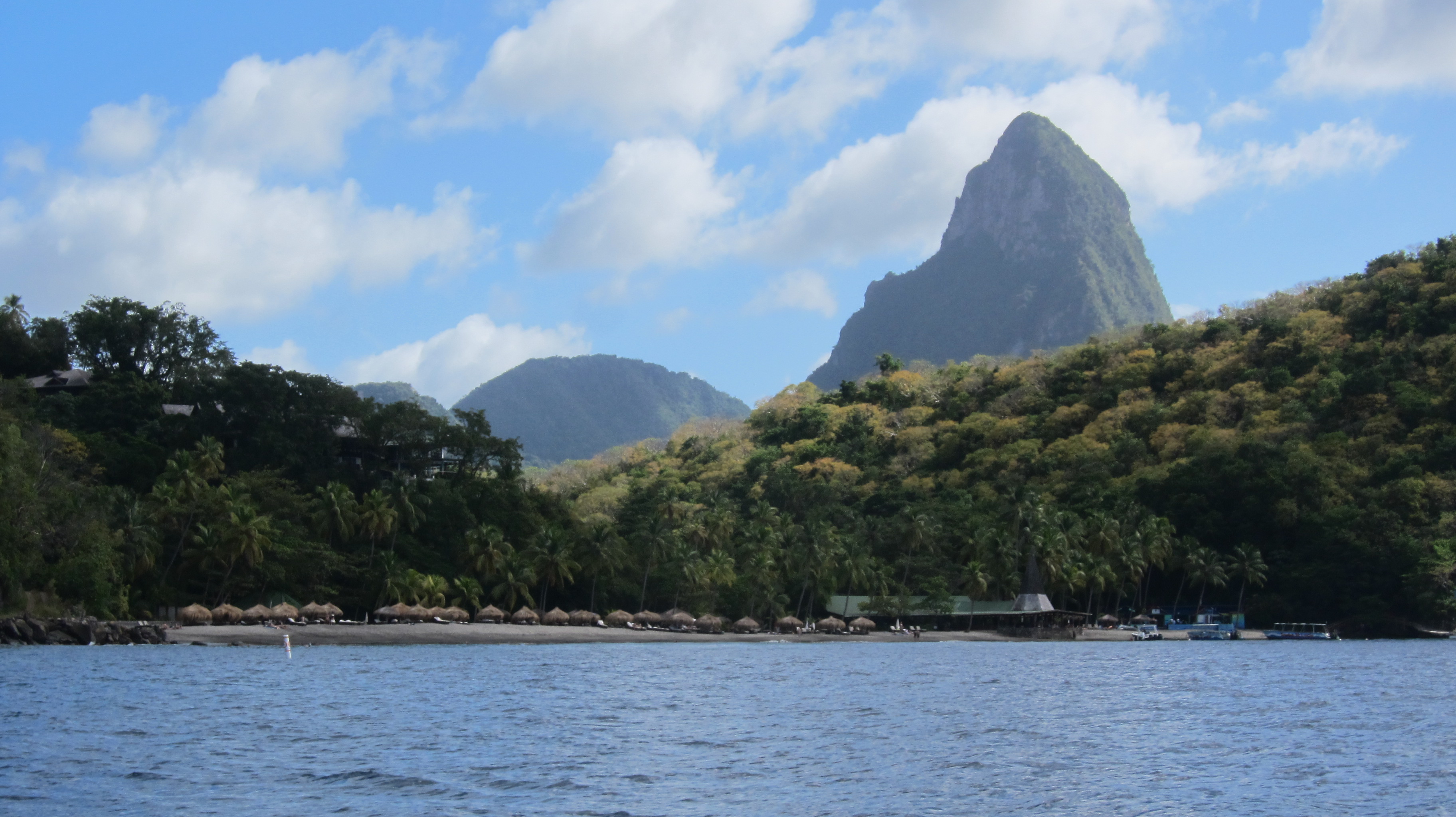
The best-known sites are along the coast near Soufrière and beneath the Pitons, where walls and reefs are rich in marine life. Further north there are wreck dives and shallower reefs off the coast near Castries and Marigot Bay.
Snorkellers do not need a boat to enjoy the best of it. Several beaches have reef within easy swimming distance, and boat trips take in sites that are harder to reach. See our sailing and boat trips guide for options.
- Book dives through a registered operator and bring your certification card.
- Do not touch or stand on coral, and use reef-safe sun protection.
- Allow a gap between your last dive and your flight home.
When to go
Water is warm throughout the year. Visibility is often best in the drier months, and the sea can be rougher at times in the wetter season. Our best time to visit guide explains the seasons.
What you will see underwater
The reefs along the southwest coast hold hard and soft corals, sponges, sea fans and the fish that live among them. Parrotfish, angelfish, trumpetfish and schools of smaller reef fish are common, and turtles, rays and moray eels are seen on some dives. Seahorses and other small creatures reward patient divers who look closely at the reef.
The volcanic origin shows in the structure. Steep walls drop away close to shore, and the sand is dark in places. That contrast makes for striking photography, and the clear, warm water gives good visibility in the right conditions.
Choosing an operator and staying safe
Choose a registered dive operator with qualified instructors, well-maintained equipment and clear safety briefings. Ask about group sizes, the sites they visit and how they protect the reef. A good operator will brief you on buoyancy, on marine life and on what to do if conditions change.
Snorkellers should wear a flotation vest if they are not strong swimmers, avoid touching or standing on coral, and stay close to the shore or the boat. Take out insurance that covers diving, and remember not to fly within the recommended period after your last dive. Resorts such as Anse Chastanet have their own dive centres, and the town of Soufrière has others.
- Check certification requirements for the dives you want.
- Use reef-safe sun cream.
- Never take shells, coral or marine life from the sea.
What are the best dive sites in Saint Lucia?
The best dive sites in Saint Lucia are along the Soufrière coast beneath the Pitons, including Coral Gardens at the base of Gros Piton, the Piton Wall, Superman's Flight and the Keyhole Pinnacles, with wrecks and reefs further north near Castries and Rodney Bay. The Saint Lucia Tourism Authority lists 26 named dive sites on its map, so there is plenty of choice. Choose dives to suit your experience. If you are newly qualified, gentle sites such as Anse Chastanet and Superman's Flight are comfortable, while experienced divers can look for the pinnacles and deeper walls. Tell your guide honestly about your last dive and your comfort in current, and they will pick sites that suit you.
Around the Pitons the walls are steep and covered in sea whips, gorgonians and soft corals. Superman's Flight is a drift dive past Petit Piton with a gentle current suitable for all levels, while the Keyhole Pinnacles are four volcanic peaks rising near the surface where groupers, jacks and moray eels gather. Fairyland, with turtles often seen, can have strong currents, so it suits more experienced divers. Champagne Reef is a pleasing curiosity, where warm water bubbles up from volcanic vents. Photographers will find plenty to do. Sea whips and gorgonians stand out against dark volcanic rock, and small creatures such as seahorses and frogfish are rewarding to find with patience. Take a torch to bring out colour in crevices, and be careful not to touch or damage the reef as you set up a shot.
Wreck fans have options too. The Lesleen M, a freighter sunk in 1986, lies in shallow water and is open to all levels, whereas the Daini Koyomaru, a dredger sunk in 1996, is a deeper dive for advanced divers only. Further north, sites such as Pigeon Island, Bird's Rock and La Roche off Rodney Bay add eagle rays, barracuda and lobsters. Our Soufrière guide explains why the south is the usual base for serious divers. The wrecks add variety to a week of diving. They attract fish and invertebrates, they provide shelter for juvenile species and they offer a change of scenery from the reef. Always follow the guide's briefing, especially around the deeper wrecks, and avoid entering any enclosed space without proper training and equipment.
Where can you snorkel in Saint Lucia without a boat?
You can snorkel in Saint Lucia without a boat at Anse Chastanet, where a shallow reef lies close to the beach, and at other beach-entry spots such as Saline Point in the north, though conditions change with the sea state. Coral Gardens at the base of Gros Piton and the northern end of Anse Cochon are also recommended for snorkellers, usually reached with a local guide or boat. Snorkelling from the beach requires no booking, but the same safety rules apply. Check the sea state, snorkel with a partner and stay inside any marked swimming areas. Wearing a rash vest protects your back from the sun, and it means you need less sun cream, which is kinder to the reef.
Anse Chastanet suits first-timers and anyone who prefers a gentle start, with a shallow reef from roughly five to eighteen metres that works for both snorkellers and beginner divers. The resort's own dive centre, Scuba St Lucia, is one of twelve operators listed by the tourism authority, and the beach itself is covered in our Anse Chastanet guide. Sugar Beach also has a dive centre, and Smugglers' Cove in the north is a secluded sandy spot recommended for beginner diving. At Anse Chastanet the reef lies a few strokes from the shore, so even nervous swimmers can enjoy it with a vest. Look for parrotfish, trumpetfish and shoals of small silvery fish near the rocks. Mornings are usually calmer and clearer, and the beach is less crowded before the day-trippers arrive.
Snorkelling is wonderful with children who swim confidently, as many reef fish live in the shallows. Use a flotation vest if you are less sure, wear reef-safe sun protection and never stand on or touch coral. If you would like a guided introduction, a boat day described in our catamaran cruises guide often includes a snorkelling stop with equipment provided, and the snorkelling beaches guide lists more shoreline options. A boat trip extends your options, taking you to spots that cannot be reached from the shore. Ask whether snorkel equipment is supplied, and how long you will spend at each stop. If you are travelling as a family, check that life jackets are available in children's sizes before you set out.
Can beginners learn to dive in Saint Lucia, and when should you go?
Beginners can learn to dive in Saint Lucia, because dive centres run introductory dives and courses from beginner to advanced in calm, warm water, led by certified instructors and experienced local dive masters. Training courses, guided dives, equipment rental and specialty excursions are all offered by the dive shops listed by the Saint Lucia Tourism Authority. A pre-dive talk should cover the plan, the signals and any hazards. If you are not given one, ask for it. Good operators check certification cards and log books and are happy to answer questions. Do not feel pressured to dive deeper or longer than you are comfortable with, because enjoyment comes first.
Choose a centre that matches your needs. Resort-based operators are convenient if you are staying nearby, and independent shops in Castries, Rodney Bay and Soufrière suit divers who want to explore different sites. Ask about group sizes, how the reef is protected and whether your certification level fits the planned dive. An annual dive festival also runs guided dives and marine conservation activities, which can be a good time to visit if you want company. Dive centres at resorts make the logistics easy, with gear storage, transfers and boats close to your room. Independent shops can be a better fit if you want to move between sites, or if you are visiting for a day from another part of the island. Compare group sizes, boat types and site choice before booking.
The sea is warm throughout the year, and visibility is generally good, with calmer conditions in the drier months. Our best time to visit guide sets out the seasons, and the marine life and coral reefs guide describes what you might meet below the surface. Remember to leave a gap between your last dive and your flight home, and combine diving with a rest day on land or a visit to the Sulphur Springs. Rest properly between diving and flying. Divers are advised to leave a gap before taking a flight, and guides will explain the guidance for your plans. A relaxed last day on land, with a swim and a good lunch, is a nice way to close a diving trip and look back on the underwater week.
Reefs, volcanoes and what lies below
Underwater scenery here is shaped by the same forces as the land. The geology and volcanoes guide explains the steep drops and rock, and marine life and coral reefs describes the reef community.
Responsible diving is supported by conservation and protected areas, and wildlife and ecology places the sea within the island's broader nature.
Where to stay and how to plan
Most visitors fit this into St Lucia holidays, so choose your base first. Compare hotels in St Lucia by area and style, and read our guides to luxury hotels in St Lucia and all inclusive resorts in St Lucia if you are choosing between a boutique stay and an all in package.
Then set your dates with the best time to visit St Lucia, book flights to St Lucia and pick days out from our St Lucia itineraries. Couples can also read about a honeymoon in St Lucia or weddings in St Lucia.
Questions travellers ask
Where is the best diving in Saint Lucia?
The Soufrière coast, beneath the Pitons, is the best known, with reefs and walls inside a marine management area.
Can beginners dive in Saint Lucia?
Yes. Dive centres offer introductory dives and courses in calm water.
Can I snorkel from the beach?
Yes, at several beaches, including Anse Chastanet, where the reef is close to shore.
How many dive sites are there in Saint Lucia?
The Saint Lucia Tourism Authority lists 26 named dive sites on its map, spread between the north near Rodney Bay and Castries and the south around Soufrière and the Pitons.
Is Saint Lucia good for beginner divers?
Yes, it is good for beginners, with calm, warm water, introductory dives, and gentle sites such as Anse Chastanet and Smugglers' Cove. Certified instructors run courses from beginner to advanced.
Are there wrecks to dive in Saint Lucia?
Yes, there are several wrecks. The Lesleen M, sunk in 1986, is open to all levels, while the Daini Koyomaru, sunk in 1996, is for advanced divers only.
What is the best time of year to dive in Saint Lucia?
Conditions are good through much of the year, with the drier months usually offering calmer seas and clearer water. Check with your dive operator for current conditions. See best time to visit for seasons.
Do I need to be a certified diver to dive in Saint Lucia?
No, you can try a discovery dive with an instructor, though certified divers have more site choices. Operators will check your health and experience. See water adventures for other options.
Can I snorkel in Saint Lucia without a boat?
Yes, several west coast beaches have reefs close to shore, so you can snorkel from the sand. Bring your own mask if you prefer a perfect fit. See snorkelling beaches for suitable spots.
What marine life can I see diving in Saint Lucia?
Expect colourful reef fish, sponges, corals and turtles, and sometimes rays or seahorses. Sightings vary by site and day. Our marine life and coral reefs guide explains what lives here.
Anse Chastanet beach and reef on the map
Anse Chastanet beach and reef is at 13.8652 degrees north, 61.0777 degrees west. Map data from OpenStreetMap contributors.
Ask Lucy about Diving and snorkelling
Ask about places to stay, things to do, the weather or getting here.
Keep exploring Saint Lucia
Looking for the industry view? Visit St Lucia on VisitTravelGroup.com covers the destination for travellers and the tourism trade.
More from the Visit Travel Group network: VisitTravelGroup.com, Benidorm.co.uk, Anguilla.co.uk, TheRedSea.co.uk.